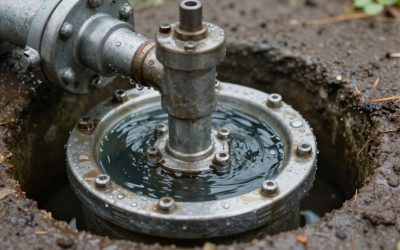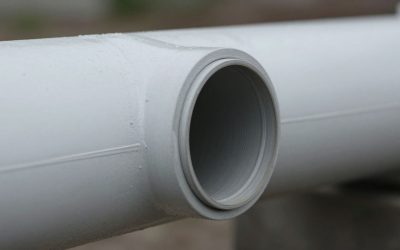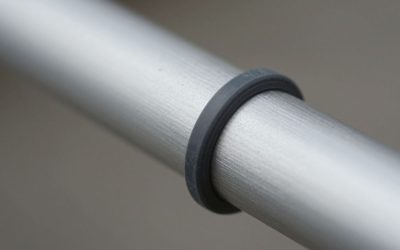
Water getting into places it shouldn’t be is a real pain, right? Whether it’s your basement after a storm or a building’s foundation, surface water intrusion can cause a lot of problems. Seals are supposed to stop this, but how good are they, really? This article is all about understanding how well seals prevent surface water intrusion, looking at what makes them work, how we check if they’re doing their job, and what happens when they don’t.
Key Takeaways
- Seals act as a barrier to keep surface water out of unwanted areas.
- The type of material a seal is made from really matters for how well it resists water.
- Testing seals is important to make sure they can handle water without leaking.
- How a seal is put in and the conditions it faces affect how long it lasts.
- Looking after seals and fixing them when needed helps them keep water out for longer.
The Fundamental Role Of Seals In Preventing Water Intrusion
Defining Surface Water Intrusion
So, what exactly are we talking about when we say "surface water intrusion"? It’s basically any water that’s not supposed to be where it is, coming from the outside. Think rain, snowmelt, even just puddles sitting around. This water can find its way into places it shouldn’t be, like building foundations, vehicle components, or electronic enclosures. It’s not just about a little dampness; unchecked, it can lead to some serious problems down the line, like corrosion, mold growth, or electrical shorts. The goal is to keep that unwanted water out, plain and simple.
How Seals Create Barriers
Seals are like the gatekeepers for water. They work by filling the gaps and joints between different parts of a structure or device. Imagine two pieces of metal that need to fit together tightly. There’s usually a tiny space between them, right? A seal, whether it’s a rubber gasket or a bead of sealant, gets squished into that space. This creates a physical barrier that water can’t easily pass through. It’s all about making a continuous, unbroken line that stops water in its tracks. Different types of seals do this in slightly different ways, some by compressing and deforming, others by sticking firmly in place.
The Importance Of Effective Sealing
Why is getting the seal right so important? Well, a bad seal is almost as bad as no seal at all. If a seal isn’t made of the right stuff, doesn’t fit perfectly, or starts to break down, water will find that weak spot. This can lead to:
- Damage to materials: Metal rusts, wood rots, and some plastics can degrade.
- Compromised function: Electronics can short out, and mechanical parts can seize up.
- Health issues: Mold and mildew can grow in damp, enclosed spaces.
- Reduced lifespan: Whatever is being protected will likely not last as long.
Getting the seal right from the start saves a lot of headaches and money later on. It’s a small detail that has a big impact on how long something lasts and how well it works, especially when you consider how much water can be around.
Think about it like this: you wouldn’t build a house without a good roof or windows that seal properly, would you? The same principle applies to almost anything that needs to stay dry. It’s about protecting what’s inside from what’s outside, and seals are the unsung heroes making that happen.
Evaluating Seal Performance Against Water
So, how do we actually know if a seal is going to do its job and keep that pesky surface water out? It’s not just about slapping some goop in a gap and hoping for the best. We need to look at a few things to really get a handle on how well a seal will perform over time.
Material Properties And Water Resistance
The first big piece of the puzzle is what the seal is actually made of. Different materials just don’t react to water the same way, you know? Some can soak it up like a sponge, others might get brittle and crack when they’re constantly wet, and some can even start to break down chemically. We’re talking about things like:
- Absorption: How much water can the material soak up? Low absorption is usually good.
- Chemical Stability: Will the water or other things in it (like salts or pollutants) mess with the material’s structure?
- Flexibility: Can it bend and move with the joint without breaking or losing its seal?
The right material choice is the bedrock of a good water seal. It needs to be tough enough to handle whatever the environment throws at it, especially prolonged contact with water.
When we talk about water resistance, it’s not just about repelling liquid water. We also need to think about things like humidity, condensation, and even the freeze-thaw cycles that can put extra stress on a seal. A material that seems fine in a lab might not hold up so well when it’s out in the real world, dealing with all sorts of weather.
Testing Methods For Seal Integrity
Okay, so we’ve picked a material. Now what? We need to test it. There are a bunch of ways to check if a seal is actually going to work. Think of it like putting a seal through its paces before you commit to using it everywhere.
- Water Immersion Tests: Basically, dunking the seal or the sealed joint in water for a set amount of time and seeing if any leaks through. Simple, but effective.
- Pressure Testing: Applying a bit of water pressure to one side of the seal and checking for leaks on the other. This mimics situations where water might be pushed against the seal.
- Accelerated Aging: This is where they try to simulate years of wear and tear in a shorter period, often by exposing the seal to heat, UV light, and moisture cycles.
These tests give us data, numbers that tell us how the seal is likely to perform, not just guess work.
Factors Affecting Long-Term Performance
Even the best seal can run into trouble over time. It’s not just about that initial test. We have to consider what happens down the road. Things like:
- UV Exposure: Sunlight can degrade many materials, making them brittle.
- Temperature Fluctuations: Big swings in temperature can cause materials to expand and contract, stressing the seal.
- Mechanical Stress: Joints move, buildings settle, and that puts physical strain on seals.
- Chemical Attack: Whatever is in the water, or on surfaces near the seal, can sometimes eat away at it.
Understanding these factors helps us pick seals that won’t just work today, but will keep working for years to come. It’s all about planning for the long haul.
Common Seal Types And Their Water Intrusion Resistance
When we talk about keeping water out, the type of seal you use really matters. Different seals are built for different jobs, and understanding their strengths helps a lot. Not all seals are created equal when it comes to stopping surface water. Let’s look at a few common ones.
Elastomeric Seals And Their Capabilities
Elastomeric seals are made from rubber-like materials. Think of things like EPDM, neoprene, or silicone. They’re popular because they can stretch and compress a good amount, which is great for joints that might move a bit. They create a flexible barrier that can handle temperature changes without cracking or losing its seal.
- Flexibility: They can adapt to joint movement and uneven surfaces.
- Durability: Many types hold up well against UV rays and ozone.
- Water Resistance: Generally very good at repelling water.
However, some types can degrade over time with constant exposure to certain chemicals or extreme heat. It’s important to pick the right elastomer for the specific environment.
Compression Seals For Durable Protection
Compression seals, often made from materials like EPDM or neoprene, work by being squeezed into a gap. When you install them, they’re slightly larger than the space, so they push outwards, creating a tight fit. This physical pressure is what makes them so effective at blocking water.
They’re often used in pre-formed channels or grooves, like around windows, doors, or expansion joints in concrete.
Compression seals rely on maintaining a constant physical force against the surfaces they’re sealing. If this force is lost due to aging or improper installation, water can find a way in. Regular checks are a good idea.
Their main advantage is their long-lasting performance if installed correctly and if the material is suitable for the conditions. They don’t rely on sticky adhesives that can fail over time.
Adhesive Sealants In Water Management
Adhesive sealants, or caulks, are a bit different. They start as a paste and then cure to form a solid, flexible barrier. Materials like silicone, polyurethane, and acrylics fall into this category. They stick to surfaces and fill gaps, creating a waterproof seal.
- Versatility: Can be used on a wide range of materials like wood, metal, glass, and concrete.
- Ease of Application: Generally easy to apply with a caulk gun.
- Cost-Effective: Often a more budget-friendly option for smaller projects.
But, their performance can depend heavily on how well they bond to the surfaces. Poor surface preparation or incompatible materials can lead to adhesion failure. Also, some types can shrink as they cure, which might reduce their sealing effectiveness over time. For areas with significant movement or heavy water exposure, a more robust solution might be needed.
Design Considerations For Optimal Water Prevention
So, you’ve got your seals, and you’re ready to stop that pesky surface water. But just slapping a seal on isn’t always the magic bullet. How you design the whole setup makes a huge difference. It’s all about thinking ahead and getting the details right from the start.
Joint Design And Seal Placement
When you’re putting together parts that need to stay dry, the way those parts meet – the joint – is super important. Think about it: a sharp corner is way harder to seal than a gentle curve. You want to give the seal the best chance to do its job. This means:
- Creating smooth transitions: Avoid abrupt changes in direction or depth where water might pool or find a weak spot.
- Providing adequate space: Make sure there’s enough room for the seal to compress or expand properly without being squeezed out or left with gaps.
- Considering drainage: Even the best seal might get overwhelmed if water sits on it for too long. Think about how water will naturally flow away from the sealed area.
The right placement is just as key as the right joint. A seal that’s too shallow or too deep might not make proper contact, leaving a pathway for water. It’s like trying to close a door with a pillow – it just doesn’t work.
Environmental Stressors On Seals
Water isn’t the only thing seals have to deal with. The environment throws a lot at them, and this can mess with their ability to keep water out over time. You’ve got to think about:
- Temperature swings: Extreme heat can make some materials brittle, while extreme cold can make them stiff and less flexible.
- UV exposure: Sunlight, especially the UV rays, can break down certain sealants and rubbers, making them crack or lose their grip.
- Chemical contact: If the area is exposed to cleaning agents, oils, or other chemicals, these can degrade the seal material.
It’s easy to forget that seals aren’t just sitting there doing nothing. They’re constantly being pushed, pulled, heated, cooled, and sometimes even attacked by chemicals. All these things wear them down, and if you don’t account for them in your design, you’re setting yourself up for leaks down the road.
Ensuring Proper Installation Techniques
Even the most perfectly designed joint and the highest quality seal will fail if it’s not put in correctly. Installation is where the rubber really meets the road, so to speak. Here are some things to watch out for:
- Cleanliness: The surfaces where the seal will be applied must be spotless. Dirt, dust, or old residue can prevent a good bond.
- Correct application: Whether it’s pressing a gasket into place or applying a sealant bead, follow the manufacturer’s instructions to the letter. Too much or too little pressure can be bad.
- Curing time: If you’re using an adhesive sealant, give it the time it needs to fully cure. Rushing this step is a common mistake that leads to early failure.
Getting these design and installation factors right from the get-go means your seals will have a much better shot at keeping surface water where it belongs – outside.
Maintenance And Longevity Of Water-Resistant Seals
Inspection Protocols For Seal Degradation
Keeping an eye on your seals is pretty important if you want them to keep doing their job. Over time, things like sun exposure, temperature swings, and just general wear and tear can start to break them down. You’ll want to look for obvious signs of trouble. Think cracks, tears, or areas where the seal is pulling away from the surface. Sometimes, you might notice a change in texture, like it’s become brittle or overly soft. Regular visual checks are your first line of defense against water getting in where it shouldn’t. It’s not rocket science, just a good habit to get into.
Here’s a quick rundown of what to look for:
- Cracking or splitting: Small fissures can quickly turn into big problems.
- Loss of elasticity: If the seal feels stiff or doesn’t spring back when you push it, it’s probably past its prime.
- Discoloration or staining: This can sometimes indicate underlying material breakdown or chemical reactions.
- Debris buildup: Gunk and dirt can trap moisture and accelerate degradation.
Repair Strategies For Damaged Seals
So, you found a problem. Don’t panic! Depending on the damage, you might be able to fix it. For minor issues, like a small cut or a loose edge, you can often use a compatible sealant or adhesive to patch it up. It’s like giving it a little bandage. Make sure you clean the area really well before you apply anything, otherwise, the repair won’t stick. If the damage is more widespread, or if the seal is just generally falling apart, it’s usually best to replace the whole thing. Trying to patch up a seal that’s completely shot is usually a waste of time and money.
Sometimes, a quick fix is all that’s needed to keep things watertight for a while longer. But always remember that a repair is usually a temporary solution. For long-term peace of mind, replacement is often the way to go, especially in critical areas.
Proactive Measures For Extended Seal Life
Want your seals to last as long as possible? A little bit of care goes a long way. Keeping the area around the seal clean is a big one. Dirt and debris can act like sandpaper, slowly wearing away at the material. Also, be mindful of harsh cleaning chemicals; some can eat away at sealants. If you’re painting or doing other work nearby, try to protect the seals from overspray or accidental damage. Think of it like protecting a good pair of shoes – a little maintenance keeps them looking and working great for years. Choosing the right type of seal for the job in the first place also plays a huge role in how long it will last.
- Clean regularly, but gently.
- Avoid abrasive cleaners or solvents.
- Protect seals during adjacent construction or maintenance.
- Consider UV-resistant sealants in sunny areas.
Case Studies: Real-World Seal Effectiveness
So, we’ve talked a lot about how seals work and what makes them good. But how do they actually hold up when things get tough out there? Let’s look at some real examples.
Successful Applications in Infrastructure
Think about bridges, tunnels, and big buildings. These structures are constantly exposed to the elements. Good seals are a big part of keeping them sound.
- Bridges: Many modern bridges use specialized seals in their expansion joints. These seals need to handle a lot of movement from traffic and temperature changes while keeping water and de-icing salts out. When these seals perform well, they significantly extend the life of the bridge deck and its supporting structures.
- Tunnels: Water pressure can be immense underground. Seals around tunnel segments and access points are vital for preventing leaks that could compromise structural integrity and create safety hazards.
- Wastewater Treatment Plants: These facilities have a lot of concrete structures that need to stay watertight. Seals around tanks, channels, and pipe penetrations are put through a constant test by corrosive liquids and varying water levels.
Lessons Learned From Seal Failures
Not every seal job goes perfectly, of course. Sometimes, we learn the most from when things go wrong.
- Improper Material Choice: Using a seal that isn’t rated for the specific chemicals or temperature extremes it will face is a common mistake. This leads to premature breakdown.
- Poor Installation: Even the best material won’t work if it’s not installed correctly. Gaps, poor adhesion, or incorrect compression can all lead to leaks.
- Lack of Maintenance: Seals can degrade over time. Ignoring signs of wear and tear, like cracking or pulling away, means small problems can turn into big, expensive ones.
Sometimes, the simplest explanation for a seal failure is that it wasn’t designed for the specific conditions it encountered. It’s easy to think of seals as just a rubber strip, but their performance is tied to a whole system of factors.
Innovations in Water Intrusion Prevention
Things are always getting better, and that includes seals.
- Advanced Polymers: New materials are being developed that offer better resistance to UV rays, chemicals, and extreme temperatures.
- Smart Seals: Some newer systems incorporate sensors that can monitor the seal’s condition and alert maintenance crews before a problem becomes serious.
- Self-Healing Materials: Research is ongoing into materials that can actually repair minor damage on their own, reducing the need for frequent interventions.
Looking at these real-world examples really shows how important it is to get seals right. It’s not just about stopping a little drip; it’s about protecting big, important things from serious damage.
So, What’s the Takeaway?
Alright, so we’ve talked a lot about how seals work and why they’re so important for keeping water out. It’s not just about slapping something on and hoping for the best, you know? Picking the right seal for the job and making sure it’s put on correctly makes a huge difference. If you get it wrong, you might end up with leaks and all sorts of problems down the line. But when you get it right, things stay dry and work the way they’re supposed to. It really comes down to paying attention to the details and not cutting corners. Think of it like building something sturdy – good foundations and good seals mean it’ll last.
Frequently Asked Questions
What exactly is surface water intrusion, and why is it a problem?
Surface water intrusion is when rainwater, puddles, or any water sitting on the outside of a building or structure finds its way inside. This can cause damage like mold, rot, and weaken the structure over time. It’s a big deal because it can lead to costly repairs and unhealthy living conditions.
How do seals actually stop water from getting in?
Think of seals like a waterproof jacket for the gaps and cracks in buildings. They create a solid, unbroken shield that water can’t get through. They fit snugly into spaces, like around windows or doors, preventing any water from seeping past them.
What makes one seal better than another at keeping water out?
It really comes down to what the seal is made of and how well it’s put in. Some materials are naturally better at resisting water and staying flexible, even when it’s cold or hot. Also, a seal that fits perfectly and covers the whole gap will work much better than one that’s loose or has holes.
Are there different kinds of seals, and do they all work the same way against water?
Yes, there are several types! Some are made of stretchy rubbery stuff that can handle movement, while others are more like sticky glues that harden to form a barrier. Each type has its own strengths and is best suited for different situations, like sealing a window frame versus a crack in a concrete wall.
How can I tell if my seals are still doing a good job, or if they’re starting to fail?
You should look for signs of wear and tear. Is the seal cracked, torn, or peeling away? Does it look dried out and brittle? If you see gaps or notice water stains near where the seal is, it’s probably time to check it more closely or get it fixed. Regular checks are key!
What’s the best way to make sure seals last a long time and keep working?
The best approach is to be proactive. This means inspecting your seals regularly, especially after bad weather. If you find any small issues, fix them right away before they become big problems. Choosing the right type of seal for the job and making sure it’s installed correctly from the start also helps a lot in the long run.