Thinking about your water well? It’s easy to forget about it, tucked away and doing its job. But that well is a direct line to your drinking water, and keeping it clean is super important. We’re going to talk about how well seals play a big part in stopping bad stuff from getting into your water. It’s a simple idea, but it makes a big difference in keeping your water safe to drink. Let’s look at how well seals protect your water supply from contamination.
Key Takeaways
- Well seals act as a barrier, stopping surface water, dirt, and bugs from getting into your well.
- A good seal prevents runoff from rain or melting snow carrying pollutants down the well.
- Properly installed seals keep insects and small animals out, which can carry germs.
- The space around the well casing needs to be sealed to stop water from entering from the sides.
- Checking your well seal regularly and getting professional help when needed keeps your water safe.
Understanding Water Supply Vulnerabilities
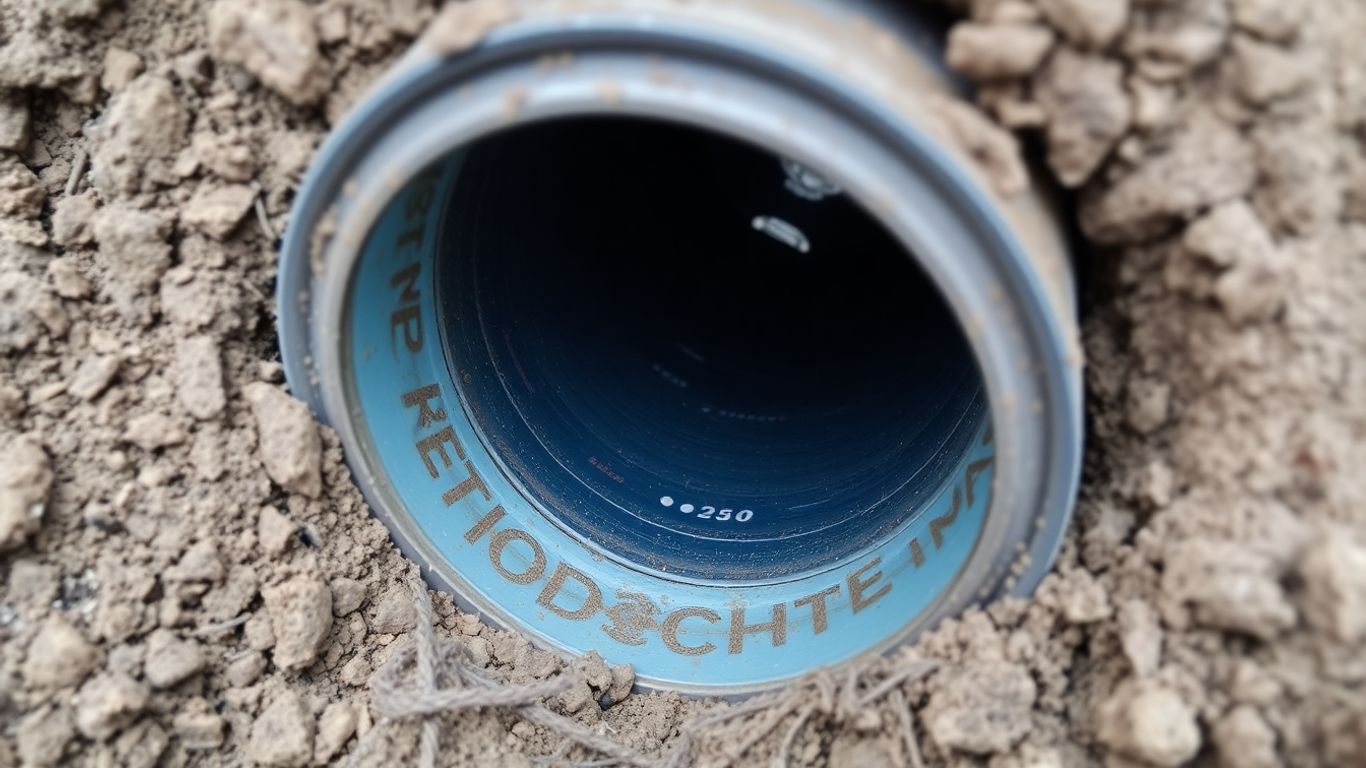
Your well is supposed to be a safe source of water, right? But it’s not always as protected as you might think. Water sources, especially those underground, can be exposed to all sorts of things that can make the water unsafe to drink. It’s kind of like leaving your front door wide open – you wouldn’t do that, so why leave your well unprotected?
Sources of Potential Contamination
Think about everything that happens on the surface around your home. Rainwater washes over the ground, picking up whatever is there. This can include:
- Animal waste from pets, livestock, or wildlife.
- Chemicals from fertilizers, pesticides, or lawn treatments.
- Leaking septic systems or fuel storage tanks.
- Road salt and other de-icing agents.
All of this surface runoff can seep into the ground and eventually find its way into your well water. It’s a slow process, but it’s a real threat to your water’s purity. Even things that seem harmless, like a leaky faucet dripping onto the ground near your wellhead, can introduce problems over time.
The Critical Role of Well Seals
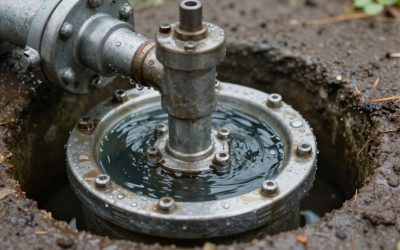
This is where the well seal comes into play. It’s the first and most important line of defense against surface contaminants. Imagine it as the cap on a bottle of clean water. Without a good seal, anything from the outside can get in. The seal sits at the top of your well casing, where the pipe comes out of the ground. Its main job is to keep the opening shut tight, preventing anything unwanted from entering the well.
A well seal isn’t just a piece of metal or plastic; it’s a carefully designed barrier. It needs to be robust enough to withstand weather and time, yet flexible enough to create a tight fit around the well pipe. Without this simple component, your well becomes an easy target for all the messy stuff happening above ground.
Without a proper seal, your well is basically an open invitation for trouble. It’s a simple part, but its function is incredibly important for keeping your drinking water safe and clean.
How Well Seals Prevent Surface Intrusion
So, your well is basically a direct line to the clean water underground, right? But that line can get messed up if stuff from the surface finds its way in. That’s where well seals come in. They’re like the gatekeepers, stopping unwanted visitors from getting into your water.
Barriers Against Runoff
Think about a heavy rainstorm. Water washes over the ground, picking up all sorts of things – dirt, leaves, maybe even chemicals from your lawn or nearby fields. Without a good seal, this runoff can seep down the outside of your well casing and into the water source. A properly installed seal creates a solid barrier, directing surface water away and preventing it from getting a free ride into your well.
Preventing Insect and Rodent Entry
It’s not just water we’re worried about. Bugs, spiders, mice, and even larger critters can find their way into unprotected wellheads. These little (or not so little) guys can carry germs and other contaminants. The seal acts as a physical block, keeping these unwelcome guests out of the sensitive area where your water comes up.
Sealing the Annular Space
Between the well casing (the pipe going down) and the actual borehole in the ground, there’s a gap. This is called the annular space. If this space isn’t sealed, it’s like an open invitation for surface water and contaminants to travel straight down to your aquifer. A good well seal fills this space, usually with concrete or a special grout, making it impossible for anything nasty to sneak past.
The annular space is a common pathway for contamination if not properly sealed. It’s a direct route from the surface to your water source, bypassing any natural filtration the ground might offer.
Here’s a quick rundown of what a good seal does:
- Blocks surface water from entering the well casing.
- Keeps insects and small animals from getting into the wellhead.
- Fills the gap between the casing and the borehole to stop contaminant migration.
- Provides a solid, protective cap over the well.
Essentially, a well seal is your first and most important line of defense against surface contamination.
The Science Behind Effective Well Sealing
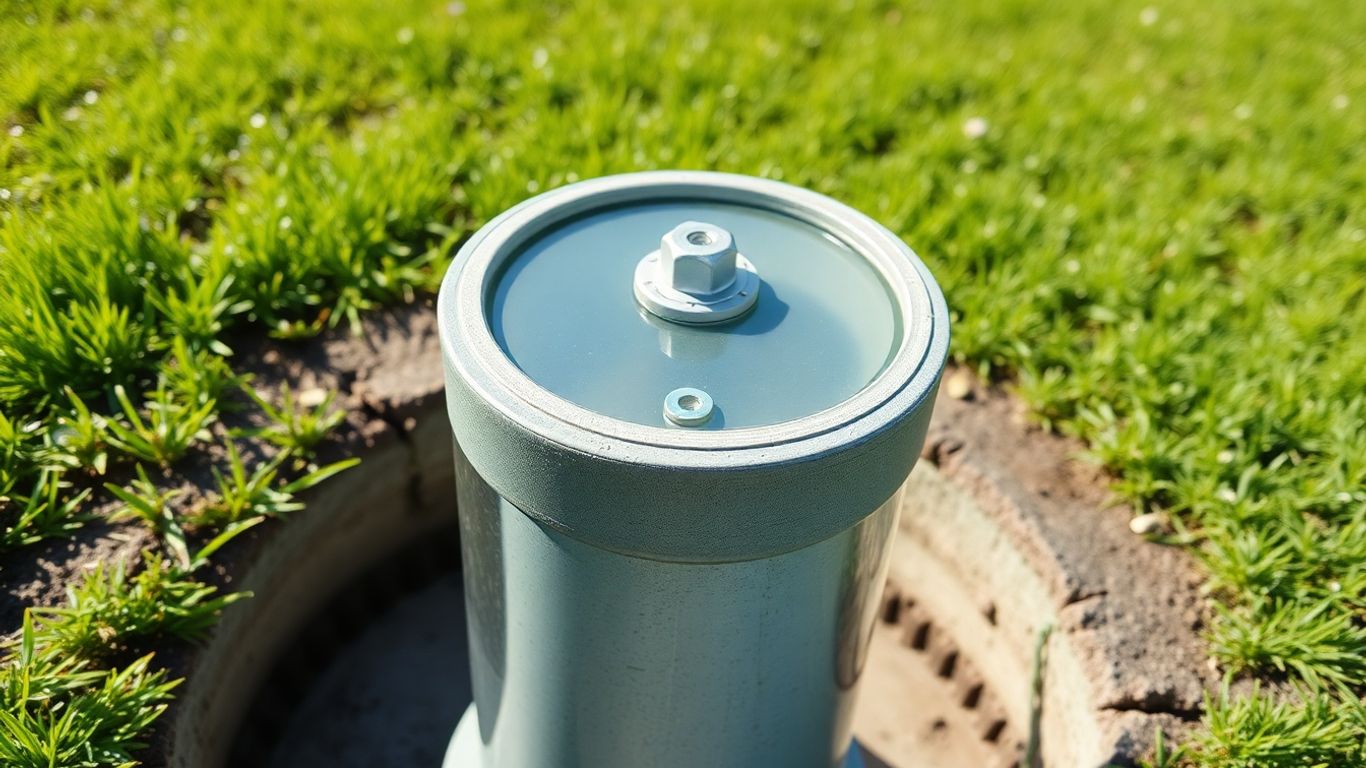
So, how exactly do these well seals work to keep your water clean? It’s not just about slapping some goop around the top of your well. There’s some real thought and science that goes into making sure they do their job right. The goal is to create an impermeable barrier that stops anything from getting into your well that shouldn’t be there.
Materials Used in Well Seals
What are these seals actually made of? It really depends on the type of well and the conditions it’s in, but you’ll find a few common players. They need to be tough and last a long time, resisting all sorts of ground conditions.
- Bentonite Clay: This is a natural clay that swells when it gets wet. It’s often used in granular or pellet form and is packed into the annular space. As it hydrates, it forms a thick, plastic-like seal that’s great at blocking water and contaminants. It’s pretty affordable too.
- Cement Grout: A mix of cement, water, and sometimes additives. It’s poured into the annular space and hardens into a solid, impermeable barrier. It’s very durable and effective, especially in areas where you need a really strong seal.
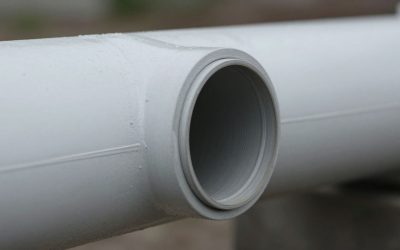
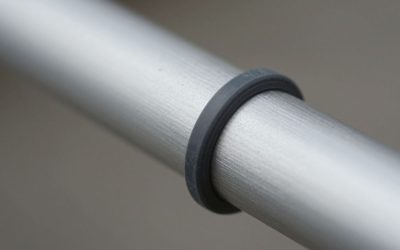
- Rubber or Neoprene Seals: These are often used for the cap or casing seal. They’re flexible and create a tight fit, preventing surface water and small critters from getting in. Think of them like a really good gasket.
- Expandable Sealants: Some newer products are designed to expand when exposed to moisture, filling gaps and creating a seal. These can be useful for tricky spots.
Proper Installation Techniques
Just having the right materials isn’t enough. How the seal is put in place makes a huge difference. It’s a bit like building a house – if the foundation isn’t right, nothing else will be.
- Cleaning the Area: Before anything goes on, the wellhead and casing need to be thoroughly cleaned. Any dirt, debris, or old material has to be removed so the new seal can get a good grip.
- Creating the Annular Seal: For seals that go down the sides (like bentonite or grout), it’s important to install them correctly. This often involves slowly adding the material in lifts, making sure it’s evenly distributed and properly hydrated or mixed.
- Securing the Well Cap: The cap seal needs to fit snugly. This might involve specific fasteners or ensuring the cap itself is designed to create a tight seal against the casing.
- Testing: Sometimes, after installation, there are tests done to check the integrity of the seal, though this is more common for new well construction.
The whole point is to make sure there are absolutely no pathways for surface water, which can carry all sorts of nasty stuff like bacteria, pesticides, or even animal waste, to seep down into your clean groundwater. It’s a physical barrier, plain and simple.
Maintaining Seal Integrity Over Time
Well seals aren’t a ‘set it and forget it’ kind of deal. They’re exposed to the elements and the ground, which can cause them to degrade or shift. Keeping an eye on them is important.
- Ground Movement: Earthquakes, heavy rains, or even just natural settling can cause cracks or shifts around the wellhead, potentially compromising the seal.
- Material Degradation: Over many years, some seal materials can break down due to UV exposure, chemical reactions in the soil, or just plain old wear and tear.
- Physical Damage: Sometimes, equipment used around the well, or even animals, can accidentally damage the seal.
Regular checks help catch these issues early before they become big problems for your water quality.
Consequences of Compromised Well Seals
So, what happens when that well seal isn’t doing its job? It’s not just a minor inconvenience; it can actually lead to some pretty serious problems for your water. Think of it like a leaky roof – eventually, water damage starts to show up everywhere.
Bacterial and Chemical Contamination Risks
When a well seal fails, it opens the door for all sorts of unwanted stuff to get into your water. Surface water, which can pick up all sorts of things from the ground, can seep down into the well. This means bacteria, viruses, and even chemicals from pesticides or fertilizers used on nearby land can make their way into your drinking water supply. It’s a direct pathway for contamination that bypasses any natural filtration the ground might offer.
Impact on Drinking Water Quality
This contamination doesn’t just stay hidden. You might notice changes in your water’s appearance, smell, or taste. Cloudy water, a funny odor, or a strange metallic taste are all red flags. These aren’t just unpleasant; they’re signs that something is wrong and your water might not be safe to drink.
Long-Term Health Implications
Drinking water that’s been compromised by a faulty well seal can have significant health effects over time. Even low levels of certain contaminants can cause problems. For instance, E. coli bacteria can lead to severe gastrointestinal issues. Long-term exposure to nitrates, often from agricultural runoff, can be particularly dangerous for infants. Other chemical contaminants might contribute to more chronic health conditions down the road. It’s really not something to mess around with.
The integrity of your well seal is directly tied to the safety of your household’s water. A small gap or crack can allow a surprising amount of contaminants to enter the system, turning what should be a clean water source into a potential health hazard. Regular checks are key to preventing these issues before they become major problems.
Here’s a quick rundown of what can get in:
- Microbiological contaminants: Bacteria like E. coli, coliforms, and viruses.
- Chemical contaminants: Pesticides, herbicides, fertilizers, and petroleum products.
- Physical contaminants: Sediment, dirt, and debris.
Ensuring Your Well Seal’s Protective Function
So, you’ve got a well, and you know that seal is important. But how do you actually make sure it’s doing its job? It’s not a ‘set it and forget it’ kind of deal, unfortunately. Keeping your water safe means paying attention to this often-overlooked part of your well system. Regular checks and knowing when to call in the pros are key to keeping contaminants out.
Regular Inspection Protocols
Think of inspecting your well seal like checking the tires on your car. You wouldn’t wait for a blowout, right? A quick look now and then can save you a lot of trouble later. Here’s what to look for:
- Visual Check: Walk around your wellhead. Look for any cracks, gaps, or signs of damage to the seal itself. Is it pulling away from the casing? Are there any loose parts?
- Water Quality Monitoring: While not a direct seal inspection, keeping an eye on your water quality is a good indirect check. Sudden changes in taste, odor, or clarity could point to a problem, possibly with the seal.
- Pest Activity: Notice more insects or rodents hanging around the wellhead? That could mean there’s an opening for them to get in, and if they can get in, so can other things.
When to Consider Seal Replacement
Sometimes, a seal just wears out. It’s like anything else that’s exposed to the elements day in and day out. You might need to think about replacing it if:
- You see significant cracking or deterioration.
- The seal material feels brittle or is crumbling.
- There’s evidence of water pooling around the wellhead, suggesting the seal isn’t keeping things watertight.
- You’ve had a recent flood or significant ground disturbance near the well.
Replacing a well seal isn’t usually a DIY job for most homeowners. It requires specific knowledge and tools to do it right, making sure a new, effective barrier is put in place without causing further issues to the well itself. Getting it wrong can actually make the problem worse.
Professional Well Maintenance Services
Honestly, for most people, the best way to handle well seal maintenance is to bring in someone who does this for a living. They have the experience to spot problems you might miss and the right equipment to fix them properly. They can:
- Perform thorough inspections using specialized tools.
- Advise on the best type of seal for your specific well and climate.
- Carry out repairs or replacements correctly the first time.
- Help you set up a schedule for future maintenance, taking the guesswork out of it for you.
Don’t wait for a contamination issue to arise. Proactive care of your well seal is a smart move for the health of your family and the longevity of your water supply. It’s all about keeping that barrier strong.
So, What’s the Takeaway?
Look, keeping our water clean is a big deal, and those seals we talked about? They’re like the unsung heroes in this whole operation. They might not be flashy, but they do a really important job, stopping all sorts of gunk from getting into our drinking water. It’s easy to forget about them, tucked away in pipes and wells, but their work is pretty serious. So next time you turn on the tap, maybe give a little nod to the seals. They’re out there, doing their thing, helping make sure what comes out is safe to drink. It’s a simple idea, but it makes a huge difference for all of us.
Frequently Asked Questions
What exactly is a well seal and why is it important?
Think of a well seal as a cap or plug for your well. Its main job is to keep yucky stuff from getting into your drinking water. It sits at the top of your well casing, which is the pipe that goes down to the water. Without a good seal, things like dirt, bugs, or even animal droppings could fall in and make your water unsafe to drink.
How can rain or melting snow make my well water dirty?
When it rains a lot or snow melts, water can run off the ground. This surface water can pick up pollution from farms, roads, or even pet waste. If your well seal isn’t tight, this dirty runoff can seep down the sides of your well pipe and end up in your water supply, which is definitely not good.
Can small animals or insects get into my well?
Yes, they can if the seal isn’t doing its job! Cracks or gaps in the well seal can be like an open door for insects, mice, or even frogs. These critters can carry germs that can contaminate your water, making it unhealthy.
What are well seals usually made of, and how are they put on?
Well seals are typically made from tough materials like rubber or plastic that can withstand weather and don’t break down easily. Putting them on correctly is super important. It involves making sure the seal fits snugly around the well pipe and is secured tightly to the well casing so there are no openings for anything to sneak through.
What happens if my well seal is old or damaged?
If your well seal is cracked, loose, or just worn out, it can’t protect your water anymore. This means bacteria, chemicals, or other contaminants can easily get into your well. This can lead to stomach problems, sickness, and over time, more serious health issues from drinking contaminated water.
How often should I check my well seal, and who can help me?
It’s a good idea to look at your well seal at least once a year, or after big storms. Look for any cracks, gaps, or signs of damage. If you’re not sure what to look for or if you think it needs fixing, it’s best to call a professional well service company. They have the tools and knowledge to check it properly and make any necessary repairs or replacements to keep your water safe.