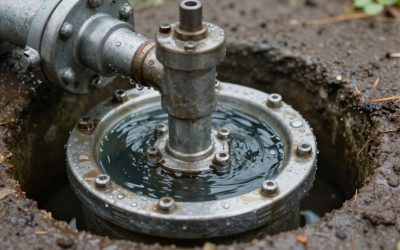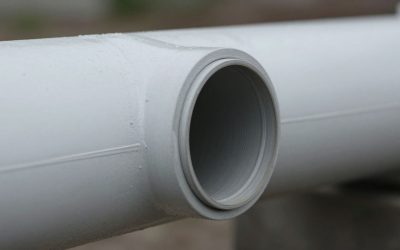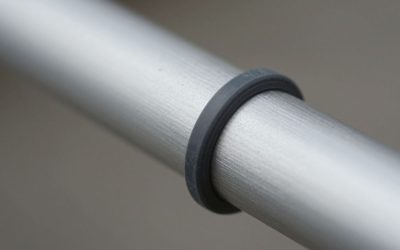
We all know water is important, right? Keeping it clean and where it should be is a big deal, whether it’s for drinking or just keeping buildings from falling apart. A lot of the time, we don’t think about the little things that make this happen, like seals. But these often-overlooked parts play a huge role in keeping water out of places it shouldn’t be and preventing leaks. This article looks at How Well Seals Support Clean Water Initiatives, digging into what makes seals work and why they matter more than you might think.
Key Takeaways
- Seals are vital barriers that stop unwanted water from getting into structures and systems.
- The material a seal is made from greatly affects its ability to resist water and last longer.
- Proper design and careful placement are critical for seals to work effectively against water.
- Newer seal technologies are improving how well we can prevent water intrusion.
- Regular checks and good maintenance help seals do their job and last longer, saving water and resources.
Preventing Leaks For Cleaner Water
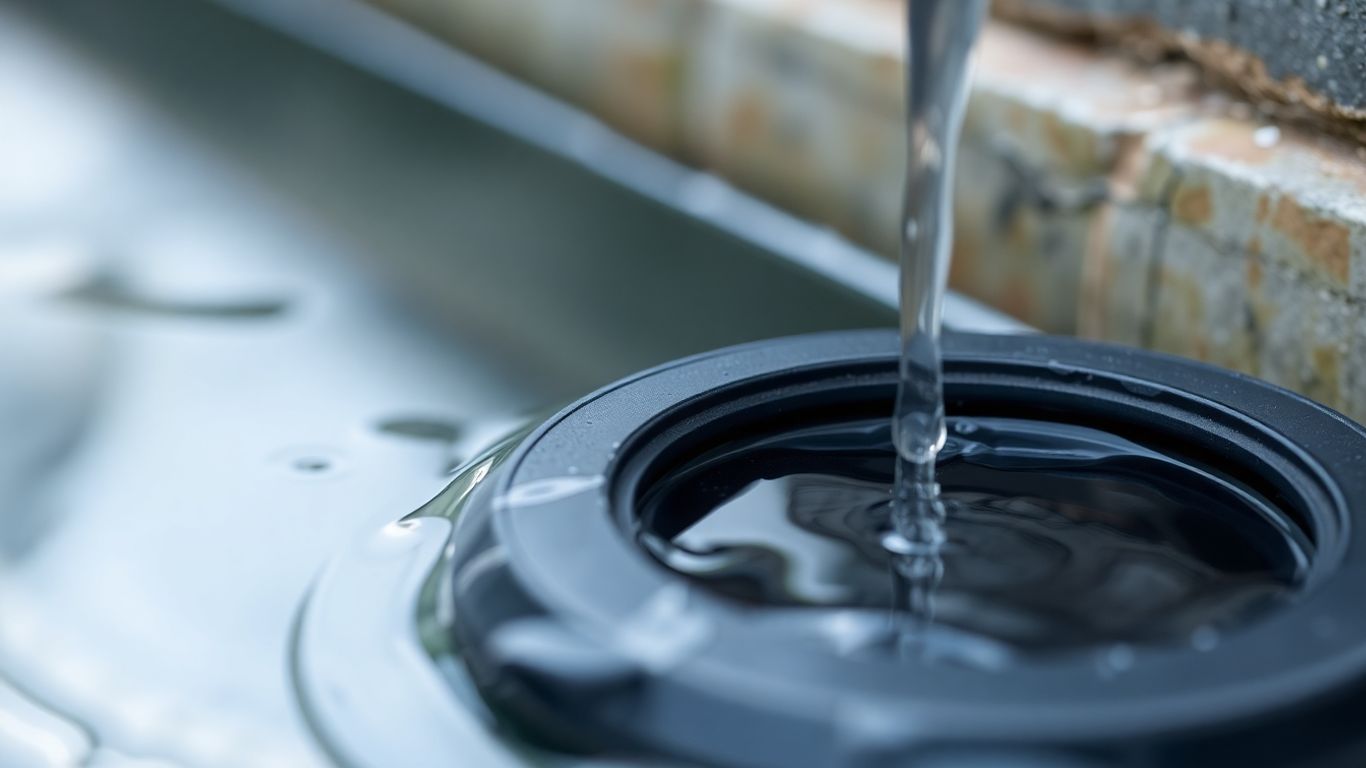
Keeping water clean isn’t just about treating what’s already dirty; it’s also about stopping clean water from getting out where it shouldn’t. Think about all the pipes, tanks, and machinery that handle water, whether it’s for drinking, industry, or even just moving it around. If these systems spring a leak, it’s a double whammy. You lose a valuable resource, and whatever is leaking out can cause problems. Precision-engineered seals are the unsung heroes in this fight for cleaner water. They’re the barriers that keep things contained.
The Role Of Precision-Engineered Seals
When we talk about seals, we’re not just talking about a bit of rubber. We’re talking about carefully designed components that fit perfectly into place. These aren’t just slapped in; they’re engineered to handle specific pressures, temperatures, and the type of fluid they’re holding back. For rotating equipment like pumps and mixers, which are everywhere in water treatment and distribution, a good seal stops the liquid from escaping around the spinning shaft. A failure here doesn’t just mean a puddle; it can mean losing treated water back into the environment or, worse, letting contaminants in. It’s about making sure that water stays where it’s supposed to, from the treatment plant all the way to your tap.
Mechanical Seals In Harsh Conditions
Sometimes, seals have to work in really tough spots. Imagine a pump handling chemicals or operating at extreme temperatures. Standard seals might break down pretty quickly. That’s where mechanical seals come in. These are more complex, often using precisely ground faces that slide against each other to create a seal. They’re built to withstand aggressive fluids and demanding environments. Regulations often guide the selection and design of these seals, especially in industries dealing with hazardous materials. When they’re the right tool for the job, they do a fantastic job of keeping things contained, improving safety, and reducing the risk of environmental spills. This is super important for sustainability goals.
Minimizing Environmental Impact Through Leak Prevention
Leaks aren’t just about losing water; they can have a bigger environmental footprint than you might think. Even water leaks, which might seem less dramatic than chemical spills, contribute to water scarcity. Globally, a significant chunk of treated water is lost through leaks in pipes. When industrial facilities prevent leaks, they’re not only saving money and resources but also reducing the strain on freshwater supplies. For hazardous materials, the stakes are even higher. Uncontrolled releases can cause serious damage to ecosystems and pose risks to human health. By using effective sealing technology, companies can significantly cut down on these risks, protecting both the environment and their own operations. It’s a proactive step towards a more sustainable future.
Seal Material Properties And Water Resistance
When we’re talking about keeping water out, the stuff the seal is made of really matters. It’s not just about picking something that looks good; it’s about how that material behaves when it’s constantly around water, or worse, submerged in it. Different materials react differently, and understanding these reactions is key to preventing leaks.
Understanding Material Absorption Rates
Some materials are like little sponges, soaking up water over time. This can cause them to swell, lose their strength, or even start to break down. We want materials that don’t absorb much water. Low absorption means the seal stays solid and keeps its shape, doing its job without getting soggy and weak. It’s a pretty straightforward idea: less water absorbed, better seal.
Chemical Stability In Water Exposure
Water isn’t always just pure H2O, right? It can have all sorts of things mixed in – salts, chemicals from industrial runoff, or even just minerals. These can react with the seal material. We need seals that can handle this chemical soup without degrading. A material that’s chemically stable won’t break down or get eaten away by whatever’s in the water. This is super important for things like wastewater treatment or industrial water systems where the water quality can be pretty rough.
Maintaining Flexibility Under Wet Conditions
Even if a seal doesn’t absorb water or break down chemically, it can still fail if it gets stiff and brittle when wet. Joints and structures move, and the seal needs to move with them. If a seal gets hard and inflexible, especially when it’s wet, it can crack or lose its grip on the surfaces it’s supposed to be sealing. We need materials that stay pliable and elastic, even after long periods of contact with water. This flexibility allows the seal to adapt to movement and maintain a tight barrier.
Here’s a quick look at how different material types might stack up:
| Material Type | Absorption Rate | Chemical Stability | Flexibility When Wet |
|---|---|---|---|
| EPDM Rubber | Low | Good | Excellent |
| Silicone Rubber | Very Low | Very Good | Excellent |
| Polyurethane | Moderate | Good | Good |
| Neoprene Rubber | Moderate | Fair | Good |
| Natural Rubber | High | Fair | Fair |
Picking the right material isn’t just about the initial fit; it’s about long-term performance. What seems like a minor detail in material science can mean the difference between a leak-free system and a costly repair job down the line. It’s about planning for the environment the seal will actually live in.
Design Considerations For Optimal Water Prevention
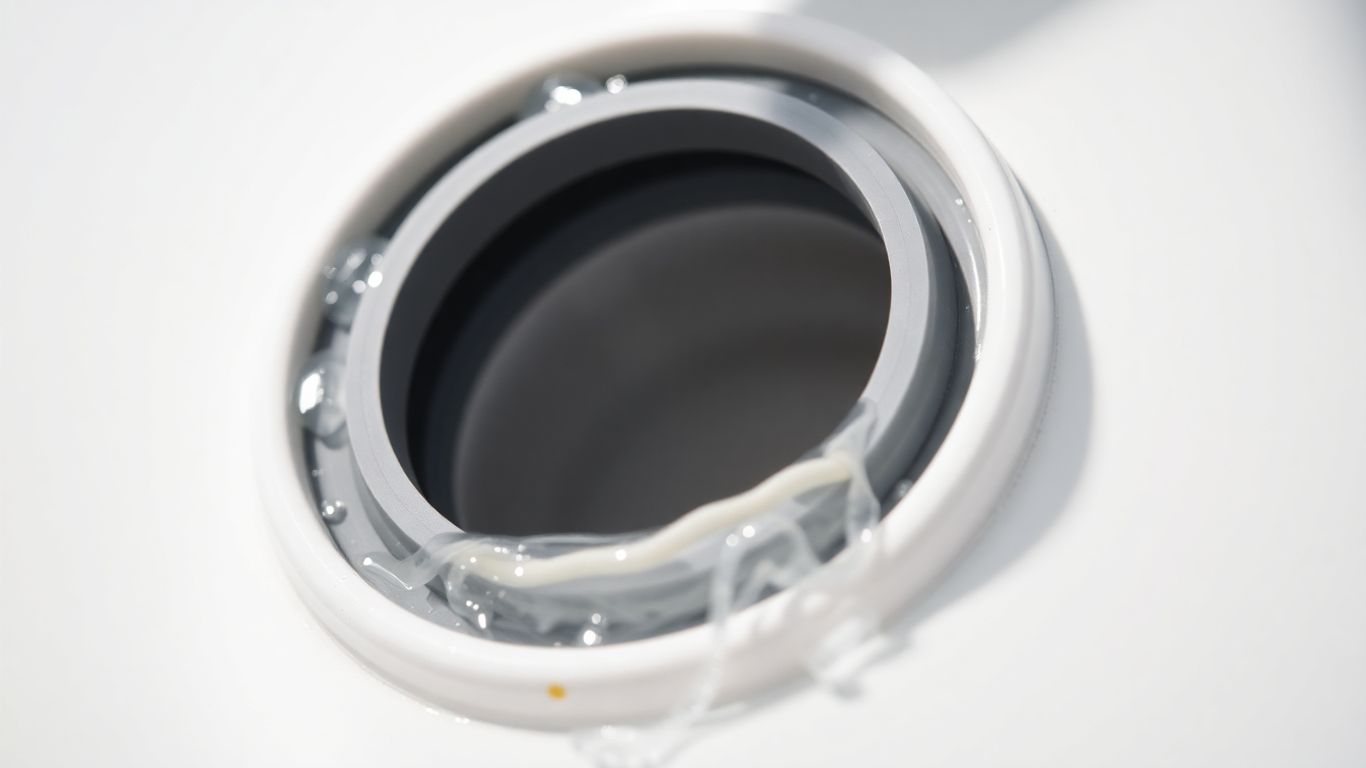
So, you’ve got your seals, and you’re ready to stop that pesky surface water. But just slapping a seal on isn’t always the magic bullet. How you design the whole setup makes a huge difference. It’s all about thinking ahead and getting the details right from the start.
Joint Design For Effective Sealing
When you’re putting together parts that need to stay dry, the way those parts meet – the joint – is super important. Think about it: a sharp corner is way harder to seal than a gentle curve. You want to give the seal the best chance to do its job. This means:
- Creating smooth transitions: Avoid abrupt changes in direction or depth where water might pool or find a weak spot.
- Providing adequate space: Make sure there’s enough room for the seal to compress or expand properly without being squeezed out or left with gaps.
- Considering drainage: Even the best seal might get overwhelmed if water sits on it for too long. Think about how water will naturally flow away from the sealed area.
The right placement is just as key as the right joint. A seal that’s too shallow or too deep might not make proper contact, leaving a pathway for water. It’s like trying to close a door with a pillow – it just doesn’t work.
Strategic Seal Placement
Getting the placement right means thinking about how water moves and where it’s likely to collect. You don’t want to put a seal in a spot where water will constantly be trying to push past it without any way to drain off. Sometimes, a small, seemingly insignificant detail in placement can be the difference between a watertight seal and a leaky one. It’s about anticipating the water’s path and intercepting it effectively.
Incorporating Drainage Solutions
Even the most robust seal can be challenged if water is allowed to pool against it for extended periods. That’s where smart drainage comes in. Designing channels or weep holes near the sealed area can help direct water away, reducing the hydrostatic pressure on the seal and preventing saturation. This proactive approach significantly extends the seal’s lifespan and effectiveness.
Thinking about how water will behave around your sealed components from the very beginning is key. It’s not just about the seal itself, but the entire system it’s a part of. Getting these design and installation factors right from the get-go means your seals will have a much better shot at keeping surface water where it belongs – outside.
Innovations In Water Intrusion Prevention
Advanced Polymer Development
We’re seeing some really neat new materials come out that are way better at handling the elements. Think about polymers that don’t break down as fast when they’re out in the sun, or ones that can handle being next to chemicals without getting all mushy. These advanced materials mean seals can last longer and keep doing their job of keeping water out, even in tough spots. It’s not just about making them tougher; it’s about making them smarter against things like UV rays and harsh chemicals that used to ruin older seals pretty quickly.
The Emergence Of Smart Seals
This is where things get pretty interesting. We’re starting to see seals that aren’t just passive barriers anymore. Some new systems have tiny sensors built right in. These sensors can keep an eye on the seal’s condition – like if it’s getting worn down or if there’s a tiny leak starting. The real benefit here is getting an alert before a small problem turns into a big, watery mess. This means maintenance crews can get in there and fix things proactively, saving a lot of hassle and preventing potential damage. It’s like having a little watchdog for your seals.
Exploring Self-Healing Materials
Okay, this one sounds like science fiction, but it’s actually being worked on. Researchers are developing materials that can actually fix minor damage all by themselves. Imagine a tiny nick or cut in a seal. Instead of needing someone to come out and patch it up, the material itself can sort of knit itself back together. This could seriously cut down on how often seals need to be replaced or repaired, especially in hard-to-reach places. It’s still early days for this tech, but the idea of seals that can mend themselves is pretty exciting for long-term water protection.
Successful Applications In Infrastructure
Bridge Expansion Joint Protection
Bridges are constantly dealing with movement, thanks to traffic and changing temperatures. Expansion joints are built into them to handle this, but they need good seals. These seals have a tough job: keep water, salt, and other gunk out while letting the joint flex. When these seals work right, they really help make bridges last longer, protecting the deck and the parts holding it up from rust and damage. It’s all about keeping the bad stuff out so the bridge stays strong.
Tunnel Integrity And Water Pressure
Building tunnels underground means dealing with a lot of earth and, you guessed it, water. The pressure from groundwater can be huge. Seals around tunnel sections and where people or things enter and exit are super important. They stop water from getting in, which could weaken the tunnel’s structure or even make it unsafe. Think of them as the first line of defense against a soggy tunnel.
Wastewater Treatment Plant Watertightness
These plants are basically giant water processing facilities, and keeping things contained is key. All those tanks, channels, and pipes need to be watertight. Seals here face a constant challenge: corrosive liquids, changing water levels, and just the general wear and tear of a busy plant. Good seals mean the plant can do its job without leaks, which is better for the environment and keeps operations running smoothly.
Maintenance And Longevity Of Water-Resistant Seals
Keeping water out is one thing, but making sure your seals keep doing that job for a good long while is another. It’s not just about picking the right seal; it’s about looking after it too. Think of it like owning a car – you wouldn’t just drive it until it breaks down, right? You get the oil changed, check the tires, and so on. Seals are pretty similar.
Inspection Protocols For Seal Degradation
Regular check-ups are your best bet for catching problems before they get serious. Over time, seals can get beat up by the weather, UV rays, and just plain old use. You need to know what to look for. Are there any visible cracks or tears? Is the seal pulling away from the surface it’s attached to? Sometimes, the material itself can change. It might get hard and brittle, or maybe it feels too soft and gummy. These are all signs that the seal isn’t as effective as it used to be.
Here’s a quick list of things to keep an eye out for during your inspections:
- Cracking or splitting: Even small fissures can let water in.
- Loss of flexibility: If it feels stiff or doesn’t bounce back when pressed, it’s likely degrading.
- Discoloration or staining: This can hint at material breakdown or reactions.
- Debris buildup: Dirt and grime can trap moisture and speed up wear.
The most important thing is to be consistent with these checks.
Repair Strategies For Damaged Seals
Found a little issue? Don’t always jump to replacing the whole thing just yet. For minor nicks or edges that have lifted slightly, a compatible sealant or adhesive can often do the trick. It’s like giving the seal a small patch-up. Just make sure you clean the area thoroughly first – dirt and grime will stop any repair from sticking properly. If the damage is more widespread, or if the seal is just generally falling apart, then replacement is usually the smarter move. Trying to fix a seal that’s completely worn out is often a waste of time and money.
While repairs can buy you some extra time, especially in less critical areas, they are often temporary fixes. For long-term reliability, especially in places where water intrusion would be a major problem, replacing the seal is generally the best approach.
Proactive Measures For Extended Seal Life
Want your seals to last as long as possible? A little bit of care goes a long way. Keeping the area around the seal clean is a big one. Dirt and debris can act like sandpaper, slowly wearing away at the material. Also, be mindful of harsh cleaning chemicals; some can eat away at sealants. If you’re painting or doing other work nearby, try to protect the seals from overspray or accidental damage. Think of it like protecting a good pair of shoes – a little maintenance keeps them looking and working great for years. Choosing the right type of seal for the job in the first place also plays a huge role in how long it will last.
- Clean regularly, but gently.
- Avoid abrasive cleaners or solvents.
- Protect seals during adjacent construction or maintenance.
- Consider UV-resistant sealants in sunny areas.
Real-World Seal Effectiveness And Water Savings
Case Studies In Water Conservation
So, how do we know these seals actually work in the real world, saving water and all that? Well, companies have been tracking this stuff, and the results are pretty interesting. It’s not just about theory; it’s about what happens when you put these seals into action in places that really need them, like factories and treatment plants. The proof is in the pudding, or in this case, the lack of wasted water.
We’ve seen some pretty impressive numbers come out of different industries. For example, a major sugar producer in South Africa managed to cut down on water use significantly for just a couple of pumps. They were using a lot of water for what’s called a ‘quench to drain’ system, and by switching to better seals, they saved over 20 million liters in five years. That’s a lot of water! Another example is a uranium mine in Namibia. They were using gland packing on their pumps, which needed constant fixing and replacing every couple of months. By upgrading to more reliable seals, they avoided all that downtime and, you guessed it, saved a ton of water.
Here’s a quick look at what some companies have achieved:
- Latex Producer (South Africa): Saved over 20 million liters of water in 5 years on just 2 pumps by optimizing seal support systems.
- Uranium Mine (Namibia): Switched from frequent gland packing replacements to advanced seals, drastically reducing water consumption and maintenance.
- Sugar Manufacturer (South Africa): Reduced water usage by over 17 million liters by upgrading seals on 19 critical pumps.
- Distillery (Location unspecified): Successfully transitioned to dual seals, overcoming initial hesitations and realizing significant water savings.
Lessons Learned From Seal Failures
Of course, it’s not always smooth sailing. Sometimes seals fail, and that’s when we really learn what not to do. A common issue is using the wrong type of seal for the job. If you’ve got a pump dealing with abrasive stuff, like zinc oxide and sulfuric acid, and you don’t have a seal built for that, it’s going to leak. We saw a zinc smelting plant having repeat problems until they got the right seals in place. It’s a reminder that even the best technology needs to be applied correctly.
Another thing is maintenance. You can have the best seals in the world, but if you ignore them, they’ll eventually give up. We’ve heard stories about seals failing because they weren’t inspected regularly, or because someone used a harsh chemical to clean around them, which damaged the material. It really comes down to understanding the environment the seal is in and giving it the care it needs.
When seals fail, it’s often a combination of factors: incorrect application, poor installation, lack of regular checks, or exposure to harsh conditions without adequate protection. Each failure is a data point, showing us where improvements are needed in seal design, material selection, or operational procedures.
Evaluating Performance Against Water Challenges
So, how do you actually measure if a seal is doing its job when it comes to water? It’s more than just looking for drips. You have to consider the whole picture. This includes:
- Leakage Rates: This is the most obvious one. How much water, if any, is actually getting past the seal? Modern seals are designed to have extremely low leakage rates, often measured in milliliters per hour or even less.
- Durability: How long does the seal last before it needs replacing? A seal that lasts longer means less waste from manufacturing and disposal, and less chance of leaks over its lifespan.
- Operational Efficiency: Does the seal affect the equipment’s performance? Some seals might require more energy to operate, or they might need specific support systems that use water themselves. The goal is to find seals that minimize water use without hurting how well the machinery runs.
It’s a constant process of checking, comparing, and improving. By looking at real-world data from these case studies and learning from the times things didn’t go as planned, we get a clearer picture of how effective seals are in supporting our clean water goals.
Wrapping It Up
So, when we look at everything, it’s pretty clear that seals play a bigger role than most people realize in keeping our water clean and safe. It’s not just about stopping leaks in big industrial machines, though that’s a huge part of it, saving millions of gallons. It’s also about the smaller, everyday stuff, like making sure our buildings and infrastructure don’t let in unwanted water. Getting the right seal for the job, putting it in correctly, and giving it a little attention now and then really makes a difference. It seems like a small detail, but these seals are working hard behind the scenes to protect resources and keep things running smoothly, which is pretty important for all of us.
Frequently Asked Questions
What is the main job of seals in keeping water clean?
Seals are like barriers that stop water from leaking out of pipes, tanks, and other equipment. When water doesn’t leak, it stays where it’s supposed to, which helps keep our water sources cleaner and prevents waste.
Why does the material a seal is made from matter?
Different materials react differently to water. Some can soak up water, which makes them swell or break down. Others can get stiff and crack. Choosing a material that doesn’t absorb much water and stays flexible is key to a good seal.
How does the way a seal is installed affect its performance?
Even the best seal won’t work well if it’s not put in correctly. The area where the seal goes needs to be smooth and clean, and the seal needs to fit just right. If there are gaps or it’s squeezed too hard, water can get through.
Can seals help protect big structures like bridges and tunnels?
Yes! Seals are really important in bridges and tunnels to keep water out. They stop water from getting into the joints and foundations, which can cause damage over time. This helps these structures last much longer.
What are ‘smart seals’?
Smart seals are a newer type of seal that can have sensors built into them. These sensors can tell if the seal is starting to wear out or if there’s a problem, and they can send an alert. This helps fix issues before they cause a leak.
How can we make seals last longer?
To make seals last longer, you should keep the area around them clean and avoid using harsh chemicals. It’s also important to check them regularly for any signs of damage, like cracks or tears. Replacing a seal when it starts to fail is better than waiting for a big leak.