Owning a home with a well means you’re in charge of your own water supply. It’s a great perk, giving you independence from city water systems. But with that independence comes responsibility. You’ve got to make sure everything is working right to keep that water clean and safe. One part of your well system that’s super important, but maybe not always obvious, is the well seal. This article will cover What Homeowners Should Know About Well Seals, so you can keep your water flowing and healthy.
Key Takeaways
- The well seal, often part of the well cap, is the barrier that keeps your well water safe from surface contaminants like dirt, insects, and animal waste. A good seal is vital for water purity.
- Look out for signs of a failing well seal, such as cracks in the well cap, gaps, or loose fittings. Regular visual checks can help you spot problems early.
- Preventative maintenance is key. Keep the area around your wellhead clear, grade the land so water drains away, and never hit the well casing with lawn equipment.
- If you find issues like cracks in the well casing or a deteriorated seal, it’s best to call a professional. They have the tools and knowledge to fix it right.
- When selling or buying a home with a well, ask for well construction and water testing records. In some areas, a well inspection is required before a sale can close.
Understanding Your Well Seal’s Importance
What Is a Well Seal and Why Does It Matter?
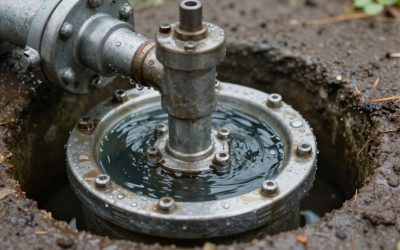
So, you’ve got a well on your property. That’s pretty neat, right? It means you’ve got your own water source. But just having a well isn’t enough. You need to make sure that water stays clean and safe. That’s where the well seal comes in. Think of it like the lid on a jar, but way more important. It’s usually a cap or a plate that fits snugly onto the top of your well casing – that big pipe sticking out of the ground.
Its main job is to keep junk out of your water supply. We’re talking about all sorts of nasty stuff: dirt, bugs, critters, surface water, and anything else that might be lurking around your yard. Without a good seal, all that gunk can easily find its way down into your well and into your drinking water. And nobody wants that.
The Role of Well Seals in Water Purity
Your well seal is basically the first line of defense for your water. It creates a barrier, a really important one, between the outside world and the clean water underground that your well is tapping into. When it’s working right, it stops surface water, which can pick up all sorts of contaminants like pesticides, animal waste, or even chemicals from your driveway, from seeping down into the well casing. It also prevents small animals and insects from getting in and potentially contaminating the water or damaging equipment.
It’s not just about keeping big things out, either. A good seal helps prevent rainwater or melted snow from running down the outside of the well casing and finding tiny cracks or openings to get into the water. This is especially true for older wells where the casing might not be in perfect shape.
Consequences of a Compromised Well Seal
If your well seal isn’t doing its job, you’re asking for trouble. The most obvious problem is contamination. We’re not just talking about a little dirt; we’re talking about bacteria, viruses, nitrates, and other harmful stuff that can make you and your family sick. Sometimes, you might notice a change in the taste or smell of your water, but often, there are no warning signs until you get a water test back or someone gets sick.
Beyond health risks, a bad seal can lead to other issues. It can allow rodents or insects to get into the well, which can cause damage to your pump or other equipment. It can also lead to increased sediment in your water, which can clog filters and shorten the life of your appliances. In really bad cases, it might even mean needing to drill a new well, and that’s a huge expense. It’s way cheaper to fix a seal than to replace a whole well system.
A well seal might seem like a small, simple part of your water system, but its role in protecting your water quality is huge. It’s the gatekeeper, and if that gate is left open, you’re exposing your entire water supply to potential problems that can affect your health and your wallet.
Inspecting and Maintaining Well Seals
Your well seal, often part of the well cap, is the first line of defense against all sorts of unwanted guests – think dirt, bugs, critters, and even surface water. It’s not something you think about much until there’s a problem, but keeping an eye on it is pretty important for keeping your water clean. Regular checks can save you a lot of headaches and potential contamination issues down the road. It’s not complicated, and you can do a lot of it yourself.
Signs of a Failing Well Seal
Sometimes, the signs that your well seal isn’t doing its job are pretty obvious. Other times, they’re a bit more subtle. Keep an eye out for:
- Visible Damage: Look for any cracks, splits, or missing pieces on the well cap or the seal itself. If it looks like it’s been chewed on by something, that’s a bad sign.
- Loose Fit: Does the well cap seem loose or wobbly? It should fit snugly. A gap, even a small one, can let things in.
- Water Issues: Have you noticed any changes in your water’s taste, smell, or clarity? While this can be caused by many things, a compromised seal is definitely on the list of possibilities.
- Pest Activity: Seeing insects or small animals around the wellhead could indicate they’ve found a way in.
Regular Inspection Checklist for Homeowners
Making a habit of checking your well seal is a smart move. Here’s a simple checklist you can run through a couple of times a year, maybe in the spring and fall:
- Clear the Area: Remove any leaves, debris, or equipment piled around the wellhead. You need a clear view.
- Examine the Well Cap: Look closely at the cap. Is it secure? Are there any cracks or signs of wear? Check that the vent screen, if it has one, is intact and free of obstructions.
- Inspect the Seal: Pay attention to the seal between the cap and the well casing. Is it intact? Are there any gaps or signs of deterioration?
- Check the Casing: Look at the well casing itself where it comes out of the ground. Is it damaged? Is the grout or concrete seal around it in good shape, or is it cracked and crumbling?
- Look for Water Pooling: Make sure water isn’t collecting right around the wellhead. The ground should slope away from it.
A well seal’s main job is to keep the underground water source separate from surface contaminants. When that seal is broken, it’s like leaving the door wide open for bacteria, chemicals, and other nasty stuff to get into your drinking water.
Preventative Maintenance for Well Caps and Seals
Taking a little time for preventative care can go a long way in keeping your well protected. It’s mostly about keeping things clean and secure.
- Keep it Clean: Regularly clear away any debris that accumulates around the wellhead. This prevents moisture buildup and makes it easier to spot problems.
- Secure the Cap: Always make sure the well cap is properly tightened. If it has screws or bolts, check that they are in place and secure.
- Address Damage Promptly: If you find any cracks, holes, or signs of wear on the well cap or seal, don’t wait. Get it replaced. Small issues can quickly become big problems.
- Manage Drainage: Ensure the ground around your well slopes away from the casing. This helps prevent surface water from sitting and potentially seeping in.
- Be Mindful of Lawn Care: Avoid hitting the well casing with lawnmowers or string trimmers. These impacts can damage the casing and the seals over time.
Common Well Seal Issues and Solutions
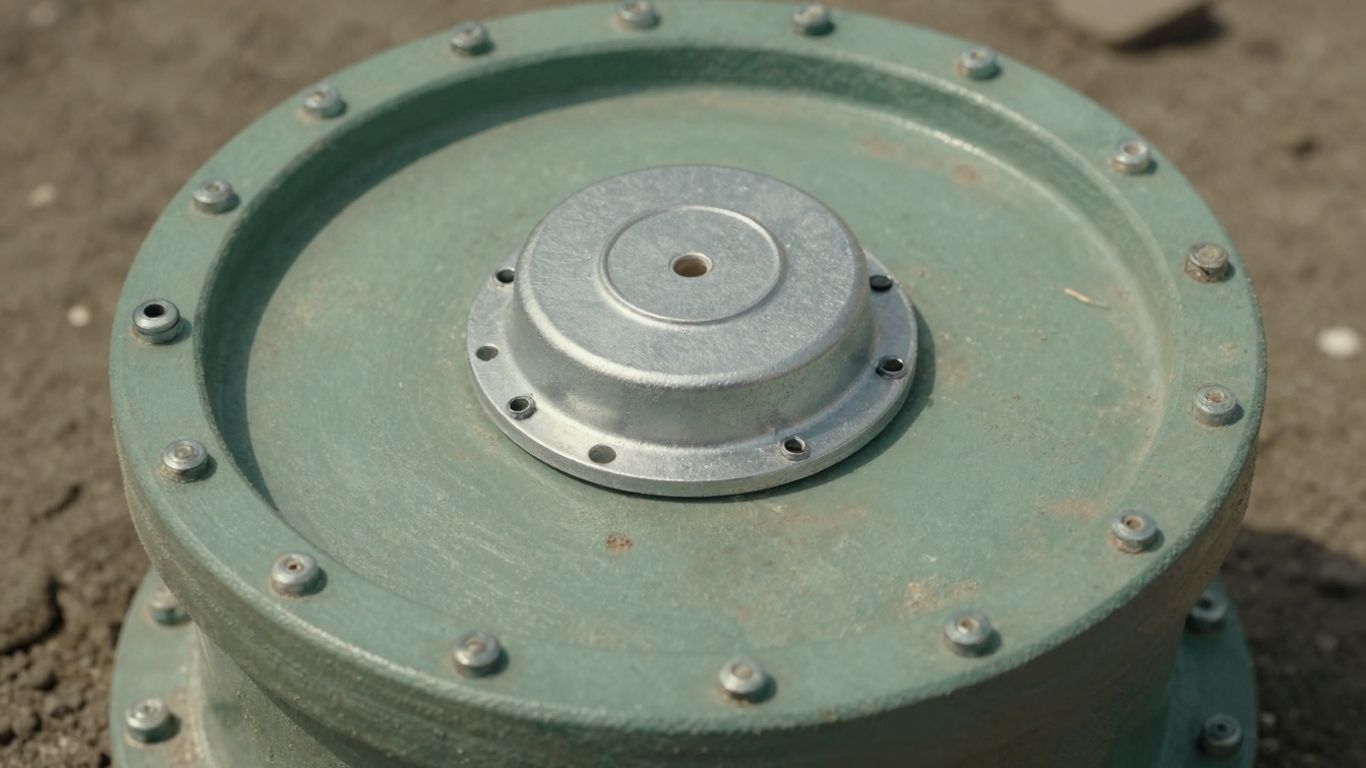
Sometimes, even with the best intentions, things go wrong with your well seal. It’s not always a big, dramatic failure; often, it’s a slow creep of problems that can eventually lead to bigger headaches. Understanding these common issues is the first step to fixing them before they really impact your water quality or your wallet.
Cracked Well Casings and Deteriorated Seals
Your well casing is like the protective sleeve for your well. If it cracks or gets damaged, it’s a direct invitation for all sorts of unwanted stuff to get into your water supply. Think of it like a crack in your home’s foundation – it’s not good. Deteriorated seals around the casing are just as bad. They can become brittle, shrink, or just wear out over time, creating gaps.
- Signs of Trouble: You might notice changes in your water’s taste or smell, or maybe your water pressure is acting weird. Cloudy water or sediment is also a red flag. Sometimes, you can even see visible damage if the casing is exposed.
- What to Do: If you suspect a cracked casing or a bad seal, don’t wait. This is a serious issue that needs professional attention. A qualified well contractor can assess the damage. Depending on the severity, they might be able to repair the casing or, more likely, replace the seal and potentially add new grout to seal the area properly. For older wells, especially those over 30 years old, a professional inspection is a smart move to catch these problems early.
Addressing Gaps and Loose Well Caps
This is probably the most common issue homeowners run into. A well cap that isn’t sealed tightly or has gaps around it is like leaving your front door wide open. Insects, small animals, dirt, and surface water can easily find their way in. Even a small gap can be a problem over time.
- Inspection Time:
- Check if the well cap is securely fastened. Is it bolted down, or does it just sit loosely?
- Look for any visible cracks or damage on the cap itself.
- See if there are any gaps between the cap and the well casing.
- Make sure the vent screen on the cap is intact and free of debris.
- Fixing It: Often, a loose cap just needs to be tightened. If the gasket or seal around the cap is worn out, it will need to be replaced. Sometimes, the cap itself might be damaged and need replacing. It’s important that the cap is watertight and pest-proof. If you’re not comfortable doing this yourself, or if the cap seems damaged beyond a simple fix, it’s time to call in a pro.
When to Call a Professional for Well Seal Repairs
While some minor issues, like tightening a loose cap, might be DIY-friendly, many well seal problems require specialized knowledge and equipment. Trying to fix a cracked casing or a failing grout seal without the right experience can actually make things worse.
It’s always better to err on the side of caution when it comes to your well. A compromised well seal isn’t just an inconvenience; it’s a direct threat to the safety and purity of your drinking water. Professionals have the tools and know-how to diagnose the exact problem and implement a lasting solution that meets all local regulations.
Here are some situations where you should definitely call a professional:
- You notice significant changes in your water quality (taste, smell, color, sediment).
- You suspect or see visible damage to the well casing itself.
- The well cap is broken, severely damaged, or won’t seal properly even after attempts to fix it.
- You’ve had recent contamination test results and need to identify the source.
- You’re unsure about the condition of your well seal or casing at all.
Remember, your well is a critical part of your home’s infrastructure. Taking care of its seal is just as important as maintaining your roof or your heating system.
Protecting Your Well from Contamination
Preventing Surface Water Intrusion
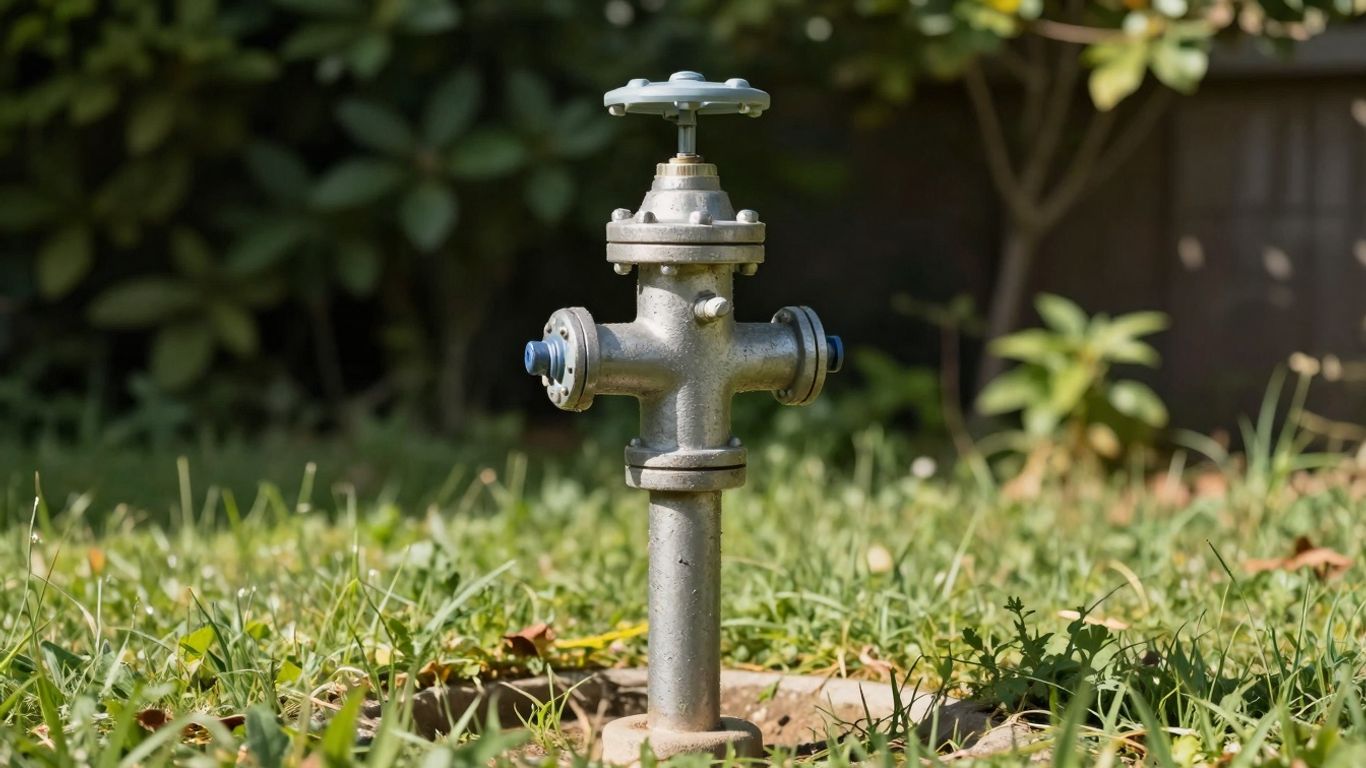
Keeping surface water from getting into your well is a big deal. Think of it like this: if your well cap is loose or cracked, rain water, or even water from your sprinklers, can find a way down. This water might pick up dirt, leaves, or worse, chemicals from your yard, and carry them right into your drinking water supply. It’s a good idea to make sure the ground around your well slopes away from it. This way, water naturally flows away, not towards the wellhead. Also, keep an eye on that well cap – make sure it’s always sealed up tight. No gaps allowed!
The Impact of Animal Waste on Well Seals
Animals, whether they’re your pets, local wildlife, or even farm animals nearby, can be a source of contamination. Their waste, especially fecal matter, can contain bacteria and other nasty stuff. If this gets too close to your wellhead, or if there are openings in the seal, it can seep into the groundwater. This is why keeping animals away from the immediate well area is important. It’s not just about keeping things tidy; it’s about protecting your water from potentially harmful pathogens. Even something as simple as a dog digging near the well could compromise the seal over time.
Safe Chemical Storage Near Your Wellhead
We all use chemicals around the house and yard sometimes – fertilizers, pesticides, cleaning supplies, maybe even gasoline for the mower. Storing these things carelessly can be a real problem for your well water. Never store or use these types of chemicals near your wellhead. If a container leaks, or if you spill something while using it, that chemical can easily travel through the soil and into your water source. It’s best to keep them as far away from the well as possible, preferably in a designated storage area that’s designed to contain spills. If you have an underground fuel tank, get it checked regularly for leaks too. A small leak can go unnoticed for a long time and cause big problems.
Well Seals and Property Transactions
Buying or selling a home with a private well? It’s a bit different than a house hooked up to city water, and the well seal plays a surprisingly big role. Think of it as the gatekeeper for your water supply. When you’re on the move, either buying or selling, understanding the condition and history of the well seal is pretty important.
What Buyers Should Know About Well Seals
If you’re looking at a property with a well, you’ve got a few things to check out. First off, does the seller even know where the well is? Sometimes, wells get buried or forgotten over the years. You’ll want to see any records they have – like construction details or past sealing information. A properly sealed well is key to preventing contamination. If there’s no record of sealing, or if the seal looks questionable, it’s a red flag. You might want to ask for a professional inspection. It’s not just about the water quality today, but also about potential future costs if that seal needs fixing.
Seller Disclosures Regarding Well Integrity
As a seller, you’ve got to be upfront about your well. Most places have rules about disclosing the number and status of wells on the property. This usually happens before you even sign a purchase agreement. If you know about a well but don’t mention it, or if you misrepresent its condition, you could end up in hot water legally down the road. Buyers can come after you for the cost of sealing it, plus legal fees, if you didn’t disclose properly. It’s better to be honest and clear from the start.
The Role of Well Inspections in Home Sales
Sometimes, a well inspection is just a good idea, and other times, it’s required. Lenders might ask for water quality tests (like for bacteria and nitrates) as part of approving a mortgage. Even if it’s not required, getting a professional to check out the well seal and the overall well system can save you a lot of headaches. They can spot issues you might miss, like cracks in the casing or a loose well cap, that could lead to problems later. It’s a small investment that can protect a much larger one – your new home.
Professional Well Seal Services
So, you’ve got a well that needs sealing, or maybe you’re just trying to figure out who’s even allowed to do that kind of work. It’s not exactly a DIY kind of job, and for good reason. When it comes to sealing a well, you’re dealing with regulations and making sure it’s done right to protect groundwater. That means you can’t just grab some concrete and call it a day.
Who Can Legally Seal or Repair Wells?
This is a big one. In most places, you, as the homeowner, can’t just seal your own well. Laws are in place to make sure this is done properly, usually by someone who knows what they’re doing and is licensed. Think of it like needing a licensed electrician for your home’s wiring – it’s about safety and following the rules.
- Licensed Well Contractors: These are the pros. They have the training, the equipment, and the permits to legally seal or repair wells according to state and local codes.
- Licensed Well Sealing Contractors: Some states have specific licenses just for well sealing. It’s a specialized skill, and these folks are trained for it.
- Homeowners (Limited Cases): In some specific areas, like parts of Illinois, a homeowner might be allowed to seal their own abandoned well, but it almost always requires a permit and strict adherence to the state’s construction code. You’ll need to check your local regulations very carefully.
Finding a Qualified Well Contractor
Okay, so you need to find one of these licensed pros. Where do you even start? It’s not like you see ads for well sealers on every corner. Here’s a good approach:
- Check with Your State’s Health or Environmental Department: They usually keep lists of licensed contractors in your area. This is your best bet for finding someone legitimate.
- Ask for Recommendations: Talk to neighbors who have private wells, or maybe your local well drilling company if they don’t do sealing themselves. Word-of-mouth can be pretty reliable.
- Get Multiple Estimates: Don’t just go with the first name you find. Call a few different contractors, explain what you need, and get quotes. This helps you compare prices and see who seems most knowledgeable.
Always ask to see their license and insurance before you agree to any work. It protects you if something goes wrong.
Understanding the Costs of Well Seal Services
This is where things can get a bit fuzzy because well sealing isn’t a one-size-fits-all service. The price tag can swing quite a bit depending on several factors. It’s not just about the labor; the well itself plays a huge role.
Here’s a general idea of what influences the cost:
| Factor | Description |
|---|---|
| Well Depth & Diameter | Deeper or wider wells generally cost more to seal. |
| Well Construction | Older or unusual well constructions might be more complex and costly. |
| Obstructions/Debris | If the well is full of junk, it needs to be cleaned out first, adding cost. |
| Location & Access | Difficult-to-reach wells can increase labor time and expense. |
| Grouting Material | The type and amount of grout needed will affect the price. |
| Local Regulations | Some areas have stricter requirements that might add to the cost. |
Sometimes, you might find financial help. Some counties offer cost-share programs or grants to help homeowners seal unused wells. It’s worth looking into if you’re in an area that provides such assistance, but you usually need to get approval before the work starts.
Wrapping Up
So, owning a home with a well means you’re in charge of your water. It’s not really that scary, though. Just remember to keep an eye on things, like the well cap and making sure nothing weird gets near it. Regular check-ups, whether by you or a pro, are a good idea. It helps catch small problems before they become big, expensive headaches. Plus, knowing your water is clean and safe is a pretty big deal for your family’s health. Don’t forget about maintenance, and if you’re buying a place with a well, get it checked out thoroughly. It’s all about keeping that water flowing and clean for years to come.
Frequently Asked Questions
What exactly is a well seal and why is it so important?
A well seal, also called a well cap, is like a lid for your well. Its main job is to keep anything yucky from getting into your water supply. Think of it as a barrier against dirt, bugs, animals, and surface water. Without a good seal, all sorts of unwanted things can sneak into your well and make your water unsafe to drink.
How can I tell if my well seal is failing?
You can usually spot a problem with your well seal by looking for visible signs. Check for any cracks in the cap or the area around it. See if there are any gaps where the cap meets the well casing – even small ones can let things in. Also, look for signs of rust, damage, or if the cap seems loose or wobbly. If you notice any of these, it’s time to get it checked out.
What happens if my well seal isn’t working right?
If your well seal is compromised, your water could become contaminated. This means harmful bacteria, chemicals, or other pollutants could get into your drinking water. This can lead to health problems for you and your family. It’s a serious issue that needs to be fixed quickly to protect your water quality.
Can I fix my well seal myself?
For minor issues like a loose cap, you might be able to tighten it. However, if there are cracks or significant damage, it’s best to call a professional. Fixing a well seal often involves specific knowledge and tools to ensure it’s done correctly and meets safety standards. Improper repairs can lead to bigger problems down the line.
How often should I have my well seal inspected?
It’s a good idea to give your well seal a quick visual check every few months, especially after big storms. For a more thorough inspection, it’s recommended to have a professional check it at least once a year, usually as part of a general well system check-up. This helps catch any problems before they become serious.
What’s the difference between a well seal and a well inspection?
A well seal is a physical part of your well system – the cap that keeps things out. A well inspection is a service where a professional checks the entire well system, including the well seal, to make sure everything is working correctly and the water is safe. The inspection looks at many things, while the seal is just one component.