So, you’ve got a water well, huh? Keeping that water clean and your system running smoothly is a big deal. A lot of folks might not think much about the little things, like the seals on their well, but let me tell you, they’re pretty important. Investing in good quality well seals isn’t just about a small part; it’s about protecting your whole water setup. We’re going to look at The Top Benefits of Investing in Quality Well Seals, and you might be surprised at how much difference they make.
Key Takeaways
- Quality well seals keep out dirt, bugs, and other gunk that can mess with your water.
- Better seals mean your pump and other parts don’t wear out as fast.
- When things don’t break down as often, you save money on repairs and replacements.
- Good seals help your well system run more efficiently, possibly saving on energy costs.
- You won’t have to do maintenance as often, giving you more peace of mind.
Protection Against Contaminants
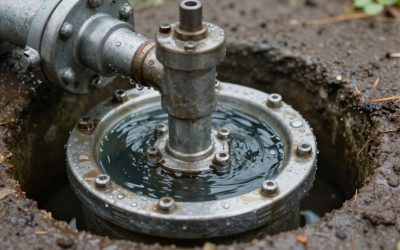
Think about your well water. It’s supposed to be clean, right? Well, a big part of keeping it that way is making sure nothing unwanted gets in. That’s where a quality well seal really shines. It acts like a gatekeeper, stopping all sorts of gunk from making its way into your water supply.
What kind of gunk are we talking about? Everything from dirt and dust kicked up by the wind to leaves and debris that fall from trees. Then there are the less obvious things, like animal droppings, insects, or even small critters that might fall in. These aren’t just messy; they can introduce bacteria and other harmful stuff into your water, which is definitely not good.
A properly installed well seal is your first line of defense against this kind of contamination. It creates a solid barrier that keeps the outside world out. This is especially important for preventing what’s called non-point source pollution, which is basically runoff from things like pesticides, herbicides, or even just soil erosion. It can sneak into your groundwater without you even realizing it.
Here’s a quick look at what a good seal helps prevent:
- Dirt and sediment
- Insects and small animals
- Animal waste
- Surface water runoff
- Debris from weather events
Keeping contaminants out isn’t just about making the water look or taste better. It’s about protecting your health and the health of anyone who drinks that water. A good seal means you’re taking a proactive step to maintain the integrity of your water source.
Enhanced Water Quality
When you invest in a quality well seal, you’re not just protecting the mechanics of your system; you’re actively safeguarding the purity of the water you and your family rely on. Think of it as the first line of defense against all sorts of unwanted stuff getting into your water supply.
A good seal stops contaminants from entering your well, which is a big deal for your health. We’re talking about things like dirt, insects, animal droppings, and even small animals that could fall in and decompose. These aren’t just gross; they can introduce bacteria and other harmful pollutants.
Here’s a quick look at what a quality seal helps keep out:
- Surface water runoff carrying pesticides and fertilizers.
- Dust and debris from the surrounding area.
- Insects, rodents, and other small creatures.
- Leaves and other organic matter that can decay.
Beyond just keeping the big stuff out, these seals also prevent finer particles and dissolved contaminants from making their way into your water. This means your water not only looks clearer but also tastes and smells better. It’s about having confidence in every glass you drink.
Investing in a well seal is a straightforward way to improve the overall quality and safety of your water. It’s a simple step that makes a significant difference in protecting your water source from a wide range of potential pollutants.
Reduced Wear and Tear
When you’ve got a good quality well seal in place, it really cuts down on the wear and tear your equipment has to deal with. Think of it like a shield. It keeps out all the nasty stuff – dirt, grit, moisture – that can get in there and grind away at moving parts. This means your bearings and other components don’t have to fight against those abrasive particles all the time.
A well-sealed system keeps the good stuff in and the bad stuff out.
This protection is super important because it directly impacts how long your machinery lasts. Without it, you’re basically letting tiny bits of sandpaper into your system every time it runs. Over time, this causes surfaces to roughen up, tolerances to widen, and parts to just not fit together as snugly as they should. It’s a slow process, but it adds up.
Here’s a quick look at how better seals help:
- Keeps Lubricants In: Good seals hold onto the oil or grease your equipment needs to run smoothly. This means parts stay properly lubricated, reducing friction and the heat that comes with it.
- Blocks Contaminants: They act as a barrier, preventing external dirt, dust, and water from entering the sensitive areas where parts move against each other.
- Maintains Performance: By keeping things clean and well-oiled, seals help components maintain their intended performance levels for longer.
The constant battle against friction and abrasion is a major factor in equipment failure. High-quality seals significantly reduce this battle, allowing components to operate more freely and with less stress.
So, instead of parts wearing down prematurely, they can keep doing their job effectively for a much longer time. This translates directly into fewer breakdowns and a more reliable operation overall.
Improved Efficiency
When you’ve got quality well seals in place, things just run smoother. Think about it: seals are there to keep things properly lubricated and, just as importantly, to keep gunk out. When they do their job well, there’s less friction, and that means less energy is wasted. It’s like the difference between a rusty bike chain and a well-oiled one – the oiled one is just so much easier to pedal.
This reduction in friction and contamination means your pump doesn’t have to work as hard. It can operate closer to its ideal performance level, which directly translates to lower power consumption. We’re not just talking about a tiny difference here; some systems can see significant drops in energy use, which adds up over time.
Here’s a quick look at how better seals contribute:
- Reduced friction: Less resistance means less energy needed to move water.
- Contaminant exclusion: Keeps abrasive particles away from moving parts, preventing wear that would otherwise slow things down.
- Optimal lubrication: Ensures components are always properly greased, allowing for smooth, efficient operation.
Investing in good seals isn’t just about preventing problems; it’s about making the whole system work better, using less power to get the job done. It’s a smart move for your wallet and the environment.
So, while the initial cost of a quality seal might seem a bit higher, the long-term savings from improved efficiency can really make a difference. Your pump runs better, uses less electricity, and that’s a win-win.
Longer Maintenance Intervals
When you invest in quality well seals, you’re not just buying a part; you’re buying peace of mind and, frankly, more time. Think about it: those cheaper seals? They wear out fast, letting in all sorts of gunk and causing problems that mean you’re constantly fiddling with your well system. But the good ones, the ones built with better materials and smarter designs, they just keep on doing their job.
This means fewer unexpected visits from the repair person. Instead of having to check and re-check things every few months, you can stretch out those maintenance schedules. We’re talking about going from, say, checking every six months to maybe once a year, or even less often if things are running smoothly. It’s a big difference when you add up the time and hassle saved.
Here’s a quick look at why quality seals lead to less frequent upkeep:
- Better Protection: They keep contaminants out more effectively, so less gunk gets into your system to begin with.
- Reduced Friction: Good seals help keep things lubricated properly, meaning less grinding and wearing down of parts.
- Durability: They’re made from tougher stuff that doesn’t break down as quickly under pressure or from exposure to the elements.
This reduction in wear and tear is the direct reason why you can push back those maintenance dates. It’s not magic; it’s just good engineering at work, preventing small issues from becoming big headaches that demand immediate attention.
So, while the upfront cost might be a little higher for quality seals, the long-term savings in maintenance time and labor are pretty significant. It frees you up to focus on other things, rather than worrying about whether your well pump is going to act up again.
Extended Equipment Lifespan
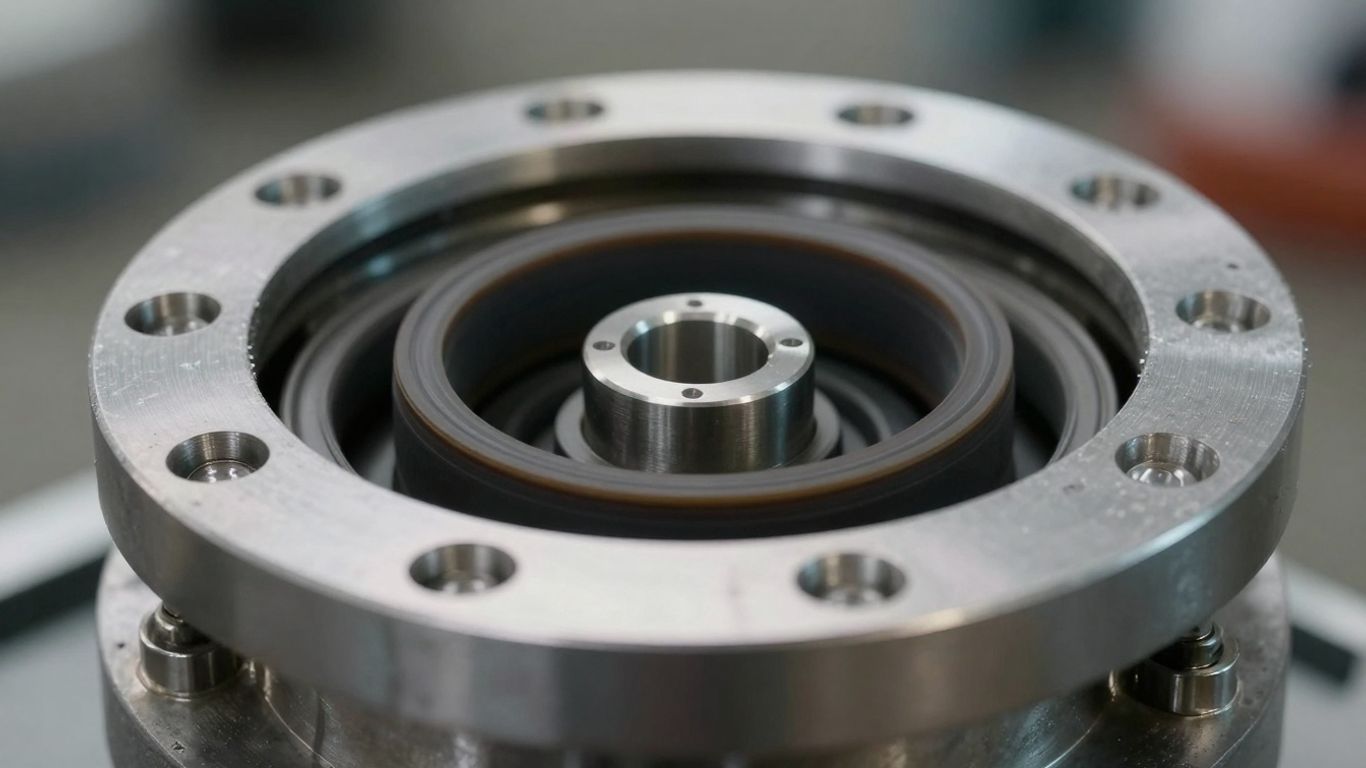
When you invest in quality well seals, you’re not just buying a component; you’re investing in the longevity of your entire water system. Think of it like this: a cheap seal is like a flimsy band-aid on a serious wound. It might hold for a bit, but eventually, it’s going to fail, and the damage underneath will be worse than if you’d used something more robust from the start. High-quality seals, on the other hand, are built tough. They use better materials that resist wear and tear, and they’re designed to keep out all the gunk that can chew away at your equipment over time.
This consistent protection means your well pump, pipes, and other connected machinery don’t have to fight as hard to do their job. Instead of constantly battling contaminants or dealing with leaks, they can operate smoothly for much longer. We’ve seen systems with premium seals outlast standard setups by a significant margin – sometimes by as much as 15 years or more. That’s a huge difference when you consider the cost and hassle of replacing major components.
Here’s a quick look at how quality seals contribute to a longer equipment life:
- Reduced Abrasion: Better seals keep abrasive particles like sand and grit away from moving parts, preventing them from grinding down components.
- Corrosion Prevention: Many quality seals are made from materials that don’t corrode easily, protecting metal parts from rust and degradation, especially in wet environments.
- Consistent Lubrication: For systems that require it, good seals maintain proper lubrication levels, reducing friction and heat buildup that can shorten component life.
- Structural Integrity: Well-made seals fit snugly and maintain their shape, providing a stable environment for bearings and other sensitive parts.
Ultimately, choosing a superior seal is about preventing small problems from snowballing into major equipment failures. It’s a proactive step that saves you money and headaches down the road by keeping your water system running reliably for years to come.
Reduced Downtime Costs
When a well pump or any critical piece of equipment goes down, it’s not just an inconvenience; it’s a direct hit to your wallet. Unexpected breakdowns mean lost production time, and for many operations, that translates into serious money.
Investing in quality well seals is like buying insurance against these costly interruptions. Think about it: a failing seal can quickly lead to bigger problems. Contaminants get in, lubrication gets out, and suddenly, you’re looking at a much larger repair job than just a simple seal replacement. This often means shutting down the entire system while you figure things out.
Here’s a quick look at how good seals help:
- Preventing small issues from becoming big ones: A quality seal keeps the bad stuff out and the good stuff (like lubricant) in, stopping minor wear from turning into major damage.
- Keeping things running smoothly: When seals are doing their job, the equipment operates as it should, without unexpected stops.
- Predictable maintenance: You can schedule maintenance when it’s convenient, rather than reacting to a sudden failure.
The cost of a single major equipment failure, including lost revenue and emergency repair fees, can easily dwarf the initial savings from using cheaper, lower-quality seals. It’s a classic case of paying a little more upfront to avoid a lot more later.
Lower Repair and Replacement Expenses
When you’re looking at the total cost of owning equipment, especially something as important as a well system, the price tag upfront is only part of the story. Investing in quality well seals can seriously cut down on those unexpected and often hefty repair bills. Think about it: a good seal keeps the gunk out and the important stuff in. This means less friction, less wear, and fewer chances for things to go wrong.
A failing seal isn’t just a small leak; it can lead to major component damage, costing you a fortune in replacements. When seals break down, water, dirt, and other nasty things can get into the pump and motor. This contamination can quickly ruin bearings, corrode internal parts, and even cause electrical issues. Replacing a whole pump or motor is way more expensive than putting in a new, high-quality seal.
Here’s a quick look at how better seals save you money:
- Fewer Breakdowns: Good seals mean fewer emergency calls and less time spent fixing things.
- Reduced Component Damage: They protect the sensitive parts of your pump from wear and tear.
- Longer Intervals Between Major Work: You won’t have to worry about costly overhauls as often.
The initial cost of a superior seal might seem a bit higher, but when you compare it to the potential cost of a major pump failure, it’s a no-brainer. It’s like buying a good tire for your car; you pay a bit more, but you avoid a blowout down the road.
So, while you might be tempted to go for the cheapest option, remember that quality seals are an investment. They help prevent a cascade of problems that can drain your wallet. Choosing durable, well-made seals is a smart move for keeping your system running smoothly and your repair costs low.
Energy Efficiency Features
When you’re looking at well seals, it’s easy to get caught up in the immediate price tag. But let’s talk about what really matters down the road: energy efficiency. High-quality seals aren’t just about keeping gunk out; they’re designed to help your whole system run smoother, which means it uses less power. Think about it – a seal that’s working perfectly reduces friction. Less friction means your pump doesn’t have to work as hard to move water.
This translates directly into lower electricity bills. It might not seem like a huge difference on a single bill, but over months and years, those savings really add up. We’re talking about pumps that can be up to 80% more efficient when they’re paired with the right seals. That’s a massive chunk of savings!
Here’s a quick look at how better seals contribute to energy savings:
- Reduced Friction: Top-notch seals are made with materials that glide easily, cutting down on the energy lost to rubbing parts.
- Optimized Flow: A good seal helps maintain consistent water pressure and flow, so the pump operates at its best without overworking.
- Less Leakage: When seals prevent leaks, water doesn’t have to be re-pumped, saving energy and water.
Investing in a quality well seal is like giving your pump a little boost. It helps everything run just right, using less electricity to get the job done. Over time, this efficiency pays for itself, making it a smart choice for your wallet and your well system.
It’s not just about the pump itself, either. The whole system benefits. When components are working efficiently, they tend to last longer, meaning fewer replacements and less waste. It’s a win-win, really.
Superior Materials and Construction
When you’re looking at well seals, it’s easy to get caught up in the price tag. But honestly, the materials and how they’re put together make a huge difference. Think about it: these seals are working hard, day in and day out, keeping all sorts of gunk out of your well water. Cheaper seals might use lower-grade stuff that just doesn’t hold up.
Investing in seals made with top-notch materials means they’re built to last. We’re talking about things like high-quality rubber compounds that stay flexible and don’t crack under pressure or extreme temperatures. The metal components, if any, should be corrosion-resistant, especially if your well water has minerals that can eat away at metal over time. It’s all about that durability.
Here’s a quick look at what separates the good from the not-so-good:
- Standard Seals: Often use basic plastics or lower-grade rubber. They might work okay for a while, but they’re more prone to drying out, cracking, or becoming brittle.
- Premium Seals: Feature advanced synthetic rubbers, robust plastics, or even stainless steel components. These are designed to withstand harsh conditions, chemicals, and constant movement without degrading.
- Specialty Seals: Some might have specific coatings or treatments for extra protection against certain types of wear or chemical exposure.
The way a seal is constructed matters just as much as what it’s made of. Look for seals with solid, well-formed edges and consistent thickness. Poorly manufactured seals can have weak points that lead to premature failure, no matter how good the raw materials are.
Basically, you want a seal that’s going to do its job effectively for a long time. That means looking beyond the surface and checking out what’s really going on with the materials and the build quality. It’s an investment that pays off in the long run by preventing problems before they even start.
Wrapping It Up
So, when it comes down to it, skimping on well seals just isn’t worth the headache. We’ve talked about how a good seal keeps all sorts of nasty stuff out of your water, from dirt and bugs to worse. Plus, it can actually help your pump last longer and run better, saving you money on repairs and replacements down the road. Think of it like this: a quality seal is a small investment that pays off big time by keeping your water clean and your system running smoothly for years. It’s one of those things you don’t think about much until it’s a problem, so getting it right from the start makes a lot of sense.
Frequently Asked Questions
What exactly is a well seal and why is it important?
A well seal is like a protective cover for the top of your water well. Its main job is to keep yucky stuff like dirt, bugs, and animals from getting into your water. Think of it as a gatekeeper for your drinking water, making sure only clean water gets through.
How does a good well seal help keep my water clean?
A quality well seal acts as a strong barrier. It stops surface water, which can carry things like pesticides, dirt, and animal waste, from seeping into your well. This is super important because even if your water looks and smells fine, these tiny contaminants can still be there and make you sick.
Can well seals help prevent damage to my well system?
Yes, they absolutely can! By keeping out debris and moisture, a good seal helps prevent rust and other types of damage that can happen over time. This means your well system can last much longer without needing costly repairs.
Are well seals and well caps the same thing?
They do a similar job – covering the well. But a well seal is often a bit more advanced. It can have special openings for things like pump wires or hoses, and it usually fits more snugly around the inside of the well pipe, creating a better seal.
How often should I check or maintain my well seal?
It’s a good idea to have your whole well system, including the seal, checked by an expert about once a year. This annual check-up helps make sure everything is working right and that your water stays safe to drink.
What happens if I don’t have a good well seal?
Without a proper seal, your well is exposed. This means contaminants can easily get in, potentially making your water unsafe. It also makes the well system more likely to break down or need repairs sooner, costing you more money and hassle in the long run.