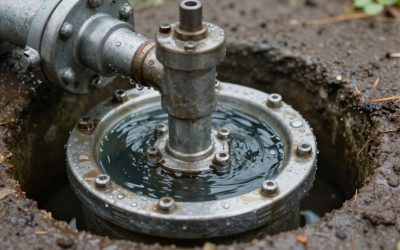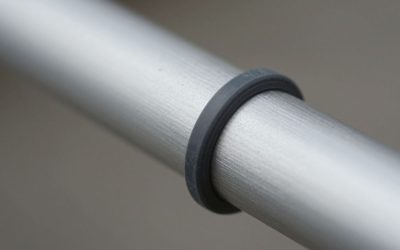
Hey everyone, let’s chat about something that might seem a bit technical but is actually super important for anyone dealing with pumps: well seals and how they affect pump efficiency. You know, those little parts that keep water from leaking out? Turns out, they play a bigger role than you might think. We’re going to break down why keeping those seals in good shape is key to making sure your pump is running at its best. It’s all about getting the most out of your equipment without wasting energy or money. Let’s get into it.
Key Takeaways
- Pump efficiency is measured by how well it converts input energy into useful liquid movement, considering hydraulic, volumetric, and mechanical losses.
- Well seals are vital for preventing fluid loss and directly impact mechanical efficiency by reducing friction and leakage around the shaft.
- Operating a pump at its best efficiency point (BEP) on the performance curve is more important for stability and longevity than chasing a few extra percentage points of efficiency.
- Regular monitoring, maintenance, proper lubrication, and correct system design (like pipe sizing) are all necessary to keep pumps running efficiently.
- Choosing the right seal for your specific pump and operating conditions is a smart move to maintain optimal efficiency and prevent costly downtime.
Understanding Pump Efficiency Metrics
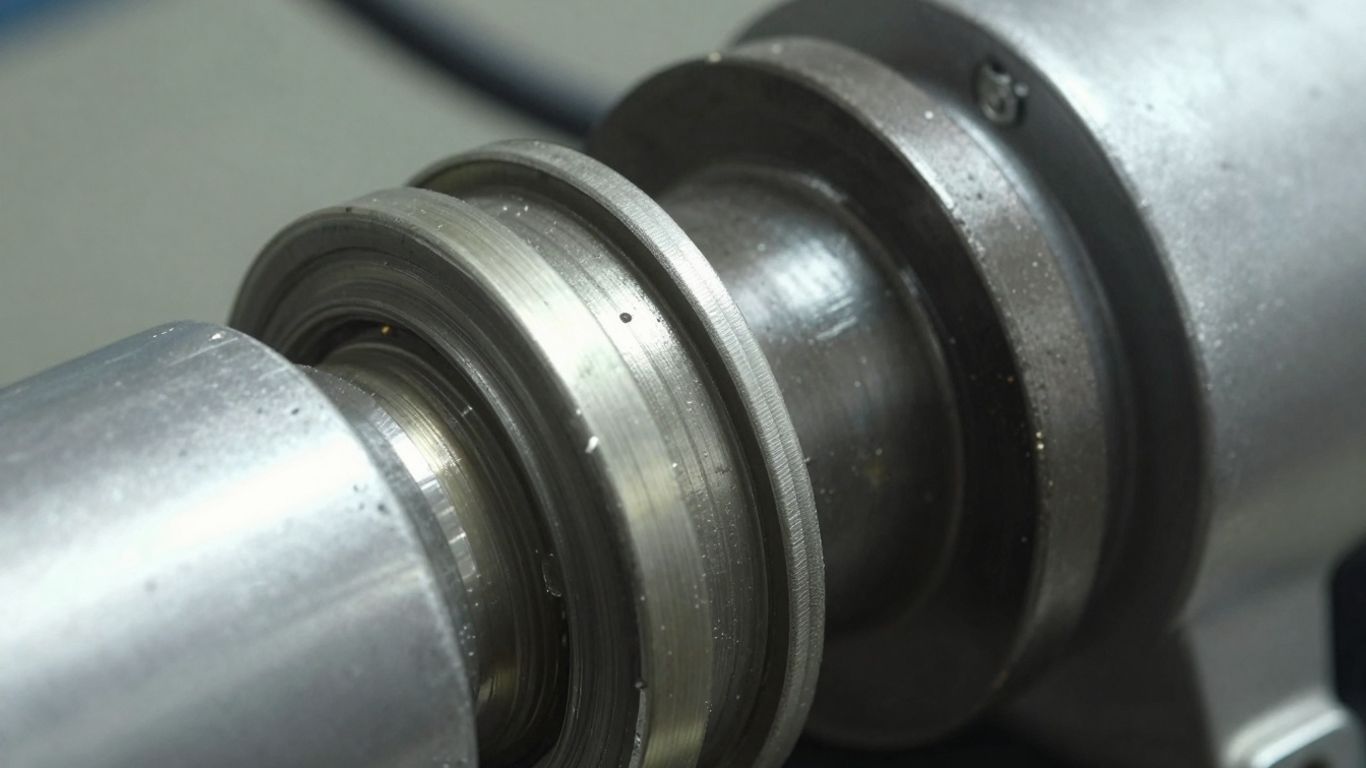
When we talk about pumps, efficiency is a big deal. It’s basically how well a pump takes the energy you give it and turns it into useful work, like moving liquid. Think of it like trying to push a heavy box across the floor. Some of your effort goes into actually moving the box, but some is lost to friction with the floor or just general awkwardness. Pumps are similar; they have different ways they can lose energy.
Hydraulic Efficiency Factors
This part is all about the liquid itself and how it flows through the pump. It’s affected by things like friction inside the pump’s casing (the volute) and how the impeller vanes are shaped and spaced. If the liquid doesn’t flow smoothly, you get turbulence, and that’s wasted energy. The design of the impeller, especially its specific speed (which relates to its shape and operating speed), plays a big role here. A pump designed for a specific job will be most efficient when it’s doing that job.
Volumetric Efficiency Components
This is about the leaks. Even in a well-built pump, there are tiny gaps where liquid can sneak back from the high-pressure side to the low-pressure side without doing any work. These leaks can happen around wear rings, through balancing holes, or in the clearances of semi-open impellers. The impeller and the pump’s casing design really influence how much liquid gets lost this way. Less leakage means more liquid is actually being pumped where it needs to go.
Mechanical Efficiency Losses
This category covers the energy lost due to friction in the moving parts of the pump itself, not including the liquid. For pumps that have a separate frame and motor, this includes friction in the shaft bearings and, importantly, leaks from the mechanical seals or stuffing box. In pumps where the motor is directly attached (close-coupled), the bearing losses are often considered part of the motor’s efficiency. The goal is to minimize these mechanical losses so that more of the input power actually goes into moving the fluid.
The overall efficiency of a pump is a combination of these three: hydraulic, volumetric, and mechanical. If any one of these is performing poorly, the entire pump’s efficiency suffers. It’s like a chain; it’s only as strong as its weakest link.
Here’s a quick look at how these efficiencies combine:
- Hydraulic Efficiency: How well the pump moves the liquid without internal friction or turbulence.
- Volumetric Efficiency: How much of the liquid actually gets pumped, versus how much leaks back.
- Mechanical Efficiency: How much energy is lost to friction in the pump’s moving parts and seals.
These factors are often calculated using formulas, but understanding the concepts helps when troubleshooting or selecting a new pump. For example, a pump might have a great hydraulic design but suffer from poor mechanical seals, leading to lower overall efficiency than expected.
The Role of Seals in Pump Performance
Seal Functionality and Leakage
At its core, a pump seal is there to keep the liquid inside the pump where it belongs. Think of it like a gasket on a jar lid – it stops things from getting out. In pumps, seals prevent the fluid being pumped from leaking out along the rotating shaft. This is super important for a few reasons. First off, losing fluid means you’re not moving as much liquid as you should be, which directly impacts how well the pump is doing its job. Second, some fluids are expensive, hazardous, or just plain messy, so letting them escape is a big problem. The main types of seals you’ll find are mechanical seals and packing. Mechanical seals are generally more advanced and offer better sealing with less leakage. Packing, on the other hand, is a more traditional method that relies on compressed material around the shaft. It’s designed to allow a small, controlled amount of leakage for lubrication and cooling, but too much leakage is a sign something’s not right.
Impact of Seals on Mechanical Efficiency
When we talk about mechanical efficiency, we’re looking at the energy losses that happen because of friction and other physical parts of the pump. Seals play a direct role here. If a seal is too tight, it creates a lot of friction as the shaft spins. This friction eats up energy that should be going into moving the fluid. It’s like trying to pedal a bike with the brakes on – you’re working harder, but not going as fast. On the flip side, if a seal is too loose, you get excessive leakage, which we already talked about. This leakage means the pump has to work harder to compensate, and it can also lead to other problems like premature wear on pump components. So, finding that sweet spot where the seal is tight enough to prevent major leaks but not so tight that it causes excessive friction is key for good mechanical efficiency.
Preventing Fluid Loss Through Proper Sealing
Proper sealing is all about minimizing unwanted fluid loss. This isn’t just about saving money on lost product; it’s also about safety and environmental protection. A well-functioning seal system means:
- Reduced Product Loss: Less fluid escapes, meaning more of what you’re pumping gets to its destination.
- Lower Maintenance Costs: Excessive leakage can lead to damage to other pump parts, the surrounding equipment, and even the foundation. Fixing these secondary issues costs more than maintaining the seal.
- Improved Safety: Many pumped fluids can be hazardous. Preventing leaks stops potential exposure to harmful chemicals or flammable substances.
- Environmental Compliance: Regulations often limit how much fluid can be released into the environment. Good seals help meet these requirements.
The goal is to maintain a balance. You want a seal that keeps the fluid contained effectively without creating so much drag that it significantly reduces the pump’s overall performance. This often involves selecting the right type of seal for the specific application and ensuring it’s installed and maintained correctly.
Factors Influencing Pump Efficiency
So, we’ve talked about what pump efficiency actually means, but what makes it go up or down? It’s not just one thing, really. A few key players are involved, and understanding them can help you get the most out of your pump.
Impeller Design and Specific Speed
The heart of many pumps, especially centrifugal ones, is the impeller. Its design plays a big role in how well the pump moves fluid. Think about the vanes – how they’re shaped, how far apart they are. This relates to something called specific speed. Pumps with a lower specific speed often have impellers with narrower vanes, while those with higher specific speeds tend to have wider ones. This design choice directly impacts how efficiently the pump can transfer energy to the fluid. It’s a bit like choosing the right tool for the job; a different impeller design might be better suited for a different type of pumping task.
Operating Point on the Performance Curve
Every pump has a performance curve, which is basically a chart showing how it performs at different flow rates and pressures. The point where your pump is actually operating on this curve is super important for efficiency. Running a pump too far from its best efficiency point (BEP) can really hurt its performance. Imagine trying to pedal a bike uphill in its highest gear – it’s a struggle and not very efficient. Similarly, a pump working outside its optimal range will use more energy than it needs to for the job it’s doing.
Here’s a quick look at how operating points can affect things:
- Near the Best Efficiency Point (BEP): This is where the pump is happiest. It’s moving fluid smoothly with minimal energy waste.
- Far Left of the Curve (Low Flow): You might see increased recirculation and vibration, leading to lower efficiency and potential damage.
- Far Right of the Curve (High Flow): The pump might be struggling to keep up, leading to cavitation and reduced efficiency.
System Design and Pipe Sizing
It’s not just the pump itself, but the whole system it’s part of. The size of the pipes connected to your pump matters a lot. If your pipes are too small for the amount of fluid the pump is trying to move, it’s like trying to drink a thick milkshake through a tiny straw. The pump has to work much harder, and a lot of that energy is lost to friction. This is a common issue that can significantly reduce overall system efficiency, even if the pump itself is top-notch.
Sometimes, people get so focused on the pump’s efficiency rating that they forget about the rest of the system. But if your pipes are undersized, or if there are too many sharp bends, you’re fighting against the system itself. It’s like having a race car with a powerful engine but tires that are completely worn out – you’re not going to win.
Choosing the right pipe diameter is a big deal. It needs to match the pump’s flow rate and the system’s requirements. Getting this right from the start can save a lot of headaches and energy costs down the line.
Maintaining Optimal Pump Efficiency
Keeping your pumps running at their best isn’t just about picking the right model off the shelf; it’s an ongoing effort. Think of it like keeping a car tuned up – regular attention prevents bigger headaches down the road. Consistent monitoring and proactive maintenance are your best friends here.
Continuous Monitoring for Inefficiencies
So, how do you know if your pump is slacking off? You watch it. Keep an eye on things like flow rate, the power it’s drawing, and what it’s actually putting out. If you see the power draw creeping up while the output stays the same, or even drops, that’s a red flag. It means something’s changed, and your pump is working harder than it needs to. Catching these little dips early means you can fix them before they turn into major energy drains or equipment failures.
Regular Maintenance and Inspections
This is where you get hands-on. Pumps can lose efficiency due to wear and tear. Seals might start leaking, bearings can get grumpy, or friction can build up. Regular check-ups help you spot these issues before they get out of hand. What should you be looking for?
- Fluid Levels and Condition: Is the oil or lubricant clean and at the right level? Dirty or low fluid means more friction.
- Leaks: Check seals, stuffing boxes, and pipe connections. Even a small drip can waste a surprising amount of fluid and energy.
- Pressure Readings: Does the discharge pressure match what it should be? A drop could indicate internal wear or a blockage.
- Vibrations and Temperature: Unusual shaking or hot spots are signs of trouble, often related to bearings or imbalance.
- Strange Noises: Grinding, squealing, or knocking sounds are never good. They usually point to a mechanical problem that needs immediate attention.
Importance of Proper Lubrication
Lubrication is like the lifeblood for many pump components, especially bearings and seals. Without it, friction goes through the roof, which kills efficiency and wears parts out fast. You need to make sure the lubricant is the right type, clean, and at the correct level. Keep an eye on how much lubricant the pump is using. If it suddenly starts guzzling more than usual, it might be a sign that internal friction has increased, perhaps due to seal wear or other issues. It’s a simple check that can tell you a lot about the pump’s internal health.
Sometimes, people get so focused on the pump’s efficiency number that they forget about how it’s actually running. A pump that’s slightly less efficient but running smoothly and stably is often a better choice than a theoretically more efficient one that’s constantly vibrating or making noise. Reliability and stability matter a lot in the long run, and they often go hand-in-hand with good efficiency.
The Interplay Between Seals and Efficiency
How Seal Integrity Affects Overall Efficiency
So, we’ve talked about how pumps work and what makes them tick, but let’s get real about seals. They might seem small, but these little guys play a surprisingly big role in how efficient your pump actually is. Think of a seal like a gatekeeper. Its main job is to keep the good stuff (the fluid you want to pump) in and the bad stuff (like air or contaminants) out. When a seal starts to wear out or isn’t installed right, it’s like that gatekeeper falling asleep on the job. Fluid starts to leak, and that’s a direct hit to your pump’s volumetric efficiency. It means some of the liquid you’re working hard to move is just… escaping. This leakage isn’t just about losing product; it means the pump has to work harder to make up for what’s lost, burning more energy in the process. A compromised seal can significantly reduce the overall efficiency of the entire pumping system.
Identifying Seal-Related Efficiency Drops
Spotting that a seal is causing efficiency problems isn’t always obvious, but there are clues. The most common sign is, of course, visible leakage. You might see drips around the pump shaft or notice puddles forming. Another indicator is a drop in discharge pressure or flow rate, even when the pump is running at its usual speed. If you’re monitoring your pump’s performance, you might see the power consumption creeping up without a corresponding increase in output. Sometimes, you’ll hear unusual noises, like a hissing sound, which could point to air being drawn in due to a faulty seal. It’s also worth noting that increased vibration can sometimes be linked to seal issues, as they can affect shaft stability.
Here are some common signs:
- Visible fluid leakage around the pump shaft.
- Reduced flow rate or discharge pressure.
- Increased power consumption for the same output.
- Unusual noises, such as hissing or grinding.
- Higher operating temperatures or increased vibration.
Choosing the Right Seal for Efficiency
Picking the correct seal from the get-go is super important for maintaining good efficiency. It’s not a one-size-fits-all situation. You need to consider what you’re pumping (is it water, oil, something corrosive?), the pressure and temperature it will be under, and the speed of the pump shaft. Different seal types, like mechanical seals or packing, have their own pros and cons when it comes to efficiency and maintenance. For instance, a well-maintained mechanical seal generally offers lower leakage and friction compared to traditional packing, leading to better volumetric and mechanical efficiency. However, mechanical seals can be more sensitive to misalignment and require proper installation. Always consult the pump manufacturer’s recommendations and consider the specific operating conditions to select a seal that balances performance, longevity, and efficiency.
Pump Efficiency: Beyond the Numbers
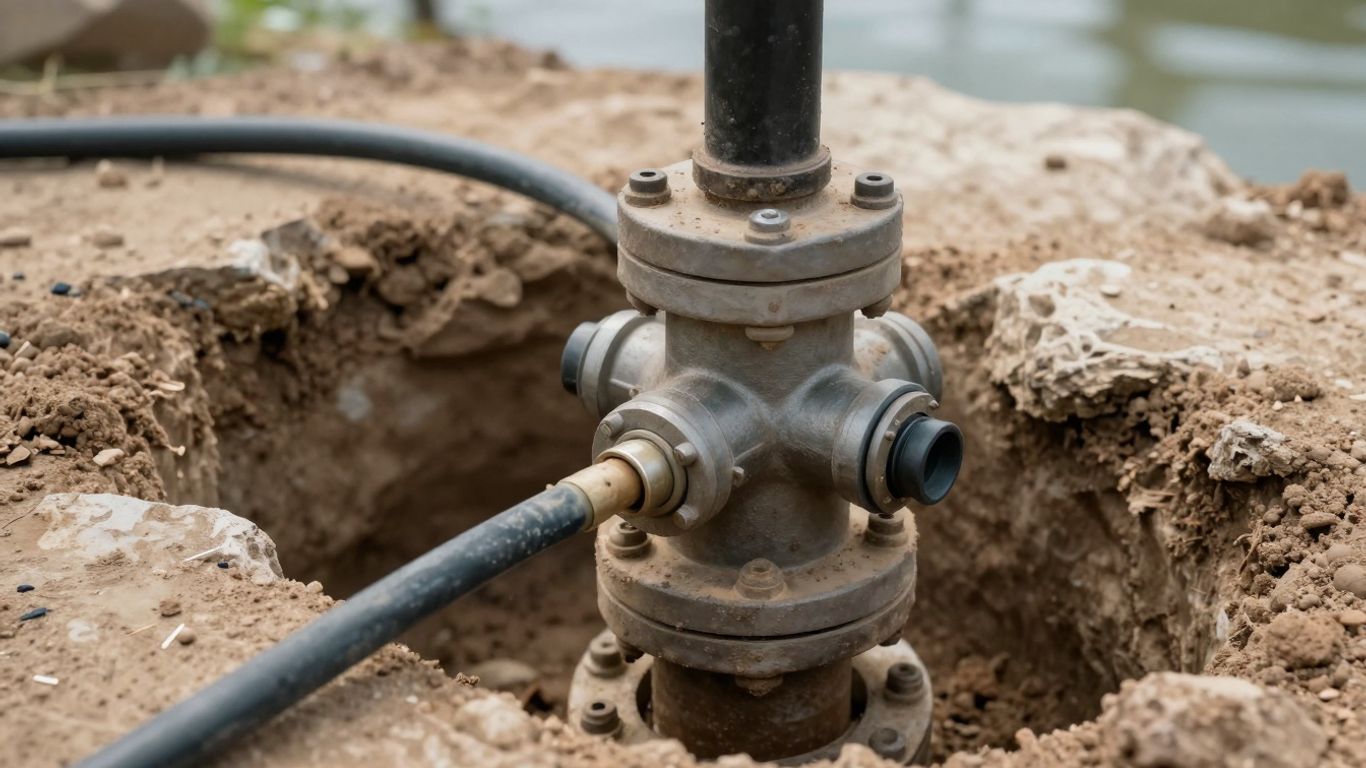
Balancing Efficiency with Operational Stability
Look, everyone wants their pumps to run as efficiently as possible. It just makes sense, right? Saving energy means saving money, and who doesn’t like that? But sometimes, chasing the absolute highest efficiency number can lead you down a path that causes more problems than it solves. Think about it: a pump might hit its peak efficiency at a very specific spot on its performance curve. If your system’s demands change even a little, the pump might be forced to operate outside that sweet spot. This can lead to all sorts of issues, like increased vibration, premature wear, and even cavitation. Sometimes, a pump that’s slightly less efficient but runs smoothly and reliably in your actual operating conditions is a much better choice. It’s about finding that sweet spot between top-tier efficiency and just plain good, stable operation.
Identifying Seal-Related Efficiency Drops
When your pump’s efficiency starts to dip, it’s easy to blame the impeller or the motor. But don’t forget about the seals! Seals are often overlooked, but they play a big role. If a seal starts to leak, even a little bit, that’s fluid that’s escaping when it shouldn’t be. This isn’t just about losing product; it means the pump has to work harder to make up for that lost fluid, which directly impacts its overall efficiency. Plus, leaks can lead to other problems, like increased friction or damage to other pump components. Keep an eye out for:
- Unexplained increases in power consumption.
- Visible signs of leakage around the pump shaft.
- Changes in system pressure or flow rate that don’t make sense.
- Unusual noises or vibrations coming from the pump.
Choosing the Right Seal for Efficiency
Picking the right seal isn’t just about preventing leaks; it’s about picking a seal that works well with your specific pump and the fluid it’s handling. Different seal types have different strengths and weaknesses. For example, some seals are designed for high pressures, while others are better for high temperatures or abrasive fluids. Using a seal that’s not quite right can lead to:
- Increased friction, which eats up energy.
- Premature wear and tear on the seal itself and other parts.
- More frequent maintenance and downtime.
It’s worth spending a bit of time researching or talking to a specialist to find a seal that complements your pump’s design and your operating conditions. A well-chosen seal can make a noticeable difference in how efficiently your pump runs over the long haul.
The true cost of a pump isn’t just what you pay for it upfront or the energy it uses day-to-day. It’s the total cost over its entire lifespan, factoring in maintenance, repairs, downtime, and the impact of its performance on the rest of your system. Focusing solely on the initial purchase price or a single efficiency metric can lead to much higher costs down the road.
Wrapping It Up
So, we’ve talked a lot about how pumps work and what makes them tick efficiently. It’s pretty clear that the seals, along with other parts like the impeller and casing, really matter. Keeping things running smoothly means paying attention to the details, like making sure your pipes are the right size and that you’re doing regular check-ups. Ignoring these things can lead to wasted energy and extra costs down the road. Think of it like maintaining your car – a little upkeep goes a long way in keeping it on the road and running well. Paying attention to your pump’s health, including its seals, is just good sense for saving money and making sure your system does its job without a fuss.
Frequently Asked Questions
What does pump efficiency actually mean?
Pump efficiency is like a score that tells you how well a pump turns the energy it uses into useful work, like moving liquid. If you put in 100 units of energy and the pump only uses 50 units to move the liquid, its efficiency is 50%. The rest is lost as heat or friction.
How do seals affect a pump’s efficiency?
Seals are super important because they stop liquid from leaking out. If seals are worn or damaged, liquid can escape, which means the pump has to work harder to do its job. This leakage also causes a loss of energy, lowering the pump’s overall efficiency.
What is the ‘Best Efficiency Point’ (BEP) on a pump curve?
The BEP is the sweet spot on a pump’s performance chart where it runs most efficiently. Running a pump at its BEP means it’s working with the least amount of wasted energy and is usually the most stable and reliable.
Can a pump’s design affect how efficient it is?
Absolutely! The shape and size of parts like the impeller (the spinning part that pushes the liquid) and the casing (the outer shell) play a big role. Different designs are better suited for different jobs, and some are just naturally more efficient than others.
What are the main reasons a pump might become less efficient over time?
Several things can cause a pump to lose efficiency. Common culprits include worn-out seals that leak, friction from parts rubbing together, damage to the impeller, or even using pipes that are too small for the amount of liquid being moved. Regular checks and maintenance help prevent this.
Is choosing the most efficient pump always the best decision?
While efficiency is very important, especially for saving energy and money, it’s not the only factor. Sometimes, a pump that’s slightly less efficient but runs more smoothly and reliably in a specific system might be a better choice to avoid costly breakdowns and maintenance issues.