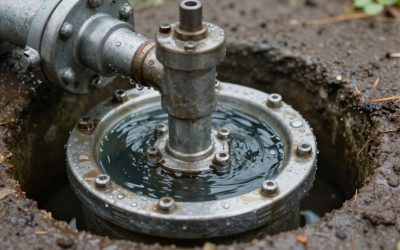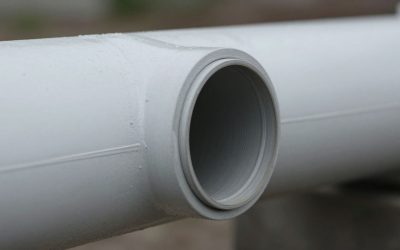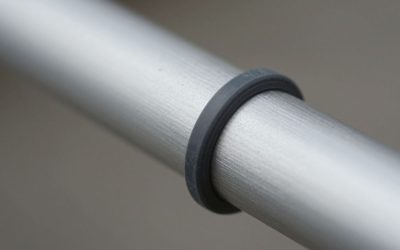
You know, in the food business, there are a lot of things that matter, like ingredients and how you cook stuff. But sometimes, the little things get overlooked, and that’s where seals come in. They might seem small, but these seals are actually super important for keeping food safe and making sure everything runs smoothly. We’re talking about preventing yucky stuff from getting into your food and keeping your machines working right. Let’s chat about why these seals are such a big deal.
Key Takeaways
- Seals create a solid barrier to stop dirt, germs, and other unwanted things from getting into food processing machines.
- Good seals stop leaks, which saves product and stops messes.
- Keeping the right temperature for food is easier with proper seals, especially for things that spoil easily.
- Seals need to handle pressure and cleaning chemicals without breaking down.
- Using the right kind of food-safe seals and looking after them helps keep food safe and machines running longer.
The Critical Role of Seals in Food Safety
Establishing a Physical Barrier Against Contaminants
Think about it: food processing equipment is a complex network of pipes, tanks, and moving parts. Without proper seals, all sorts of unwanted things could get in. Seals act like the gatekeepers, forming a solid barrier that stops dirt, bacteria, and other nasty bits from making their way into your food. This isn’t just about making things look clean; it’s about preventing serious contamination that could make people sick. A good seal means that what goes into the equipment stays in, and what’s outside stays out. It’s a pretty simple concept, but incredibly important for keeping food safe.
Preventing Leaks and Product Loss
Beyond just keeping contaminants out, seals are also vital for keeping the good stuff in. Leaks aren’t just messy; they’re costly. Imagine losing valuable ingredients, expensive oils, or even finished products because of a faulty seal. That’s money literally going down the drain. Seals prevent these kinds of losses, making sure that your product stays where it’s supposed to be throughout the entire processing chain. This also helps maintain the integrity of the equipment itself, preventing damage that can come from spills and leaks.
Maintaining Equipment Hygiene and Integrity
Keeping equipment clean is a huge part of food safety, and seals play a big part in that. They need to be designed in a way that makes them easy to clean thoroughly. If a seal has nooks and crannies where food particles or cleaning chemicals can get trapped, it becomes a breeding ground for bacteria. That’s why food-grade seals are made from materials that are smooth and non-porous, allowing for effective sanitation. This focus on hygiene helps maintain the overall integrity of your processing machinery, reducing the risk of breakdowns and ensuring consistent product quality over time.
Ensuring Product Quality Through Temperature Control
Minimizing Temperature Fluctuations in Processing
Keeping food products at the right temperature during processing isn’t just about taste; it’s a big deal for safety and shelf life. Seals play a quiet but important role here. They help keep the inside of your equipment at the temperature it’s supposed to be, whether that’s hot or cold. Think about it: if your processing line is supposed to be chilled, but warm air keeps sneaking in through leaky seals, your product might not get cold enough. This can mess with its quality and even make it unsafe.
Material Selection for Temperature Resistance
Not all seals are created equal when it comes to heat or cold. The materials used for seals need to handle the specific temperatures your process throws at them. Some materials get brittle and crack in the cold, while others can soften and fail when things get hot. Picking the right material means the seal can do its job without breaking down, which is key for keeping things consistent.
Here’s a quick look at how different materials might handle temperature:
| Material Type | Typical Temperature Range (°C) | Notes |
|---|---|---|
| Silicone | -60 to 230 | Good flexibility, but can be less durable. |
| EPDM | -50 to 150 | Good for many food applications, resists steam. |
| Viton | -20 to 200 | Excellent chemical and heat resistance. |
| Nitrile | -30 to 100 | Common, good oil resistance, but lower heat limit. |
Importance for Heat-Sensitive Products
Some foods, like dairy or certain sauces, are really picky about temperature. Even small changes can cause them to spoil faster, change texture, or lose flavor. Seals that maintain a tight barrier help prevent these unwanted temperature swings. This means your product stays consistent from the moment it’s made until it reaches the customer. It’s all about keeping that stable environment inside the equipment.
When equipment isn’t sealed properly, temperature control becomes a constant battle. This isn’t just an inconvenience; it can lead to batches of product that don’t meet quality standards, resulting in waste and lost revenue. Investing in good seals is really about investing in consistent product output.
Meeting Demanding Pressure and Chemical Resistance Needs
Withstanding Machinery Pressures
Food processing equipment often operates under significant mechanical stress. Seals are right in the thick of it, needing to hold strong against the constant push and pull of machinery. Think about mixers, pumps, and extruders – they all exert considerable force. A seal that can’t keep up might deform, leading to leaks or, worse, letting contaminants in. The right seal material needs to be tough enough to resist permanent deformation under these pressures. It’s not just about being rigid; it needs to maintain its sealing ability even when the machinery is running at full tilt.
Resisting Cleaning Agents and Food Ingredients
After processing, equipment gets a good cleaning, and this is where chemical resistance comes into play. Many cleaning agents, sanitizers, and even certain food ingredients themselves can be quite aggressive. They can break down, swell, or degrade standard seal materials over time. This means a seal might look fine initially but could start to break down after repeated exposure. We need seals that can stand up to this chemical onslaught without losing their shape or sealing power. It’s a balancing act, really, between handling physical force and chemical attack.
Specialized Materials for Harsh Environments
Because of these tough conditions, standard rubber just won’t cut it for many applications. That’s where specialized materials come in. You’ll often see things like:
- EPDM (Ethylene Propylene Diene Monomer): Good for hot water, steam, and some cleaning chemicals. It’s pretty flexible too.
- Viton® (FKM): This stuff is a champ against a wide range of chemicals, oils, and high temperatures. It’s pricier, but often worth it for demanding jobs.
- PTFE (Polytetrafluoroethylene): Known for its incredible chemical inertness and wide temperature range. It’s super slippery, which can be good or bad depending on the application.
Choosing the right material often comes down to the specific chemicals used in cleaning, the temperatures involved, and the type of food being processed. It’s a bit like picking the right tool for a specific job – you wouldn’t use a hammer to screw in a bolt, right?
The environment inside food processing machinery is a constant battleground. Seals are the frontline defense, facing both physical crushing forces and chemical assaults from cleaning cycles and the food itself. Getting this part wrong means potential product loss, contamination risks, and costly downtime. It really highlights how important these seemingly small components are to the whole operation.
Enhancing Automation and Operational Efficiency
When you’re running a food production line, especially one that’s heavily automated, every little part matters. Seals are a big part of that. They’re not just there to stop things from leaking; they actually help the whole system run smoother and longer. Think about it: if a seal fails, you don’t just lose product, you might have to stop the whole line. That’s downtime, and downtime costs money.
Preventing Fluid Leaks in Automated Systems
Automated systems rely on precise movement and controlled flow. Leaks from faulty seals can mess with pressure sensors, gum up moving parts, and even cause electrical issues if the fluid gets where it shouldn’t. This isn’t just about losing a bit of sauce or oil; it can lead to incorrect measurements, uneven product distribution, and a general loss of control over the process. A good seal keeps the fluids exactly where they’re supposed to be, allowing automated controls to work as intended. This means consistent product output and fewer unexpected stops.
Reducing Machinery Malfunctions and Downtime
When seals start to go bad, they can cause a cascade of problems. Small leaks can turn into bigger ones, leading to product loss and messy work areas that need constant cleaning. Worse, the leaked product or cleaning fluids can get into other parts of the machinery, causing corrosion or short circuits. This kind of damage often requires expensive repairs and significant downtime. Regular checks and using the right seals from the start can really cut down on these headaches.
Improving Reliability and Equipment Lifespan
Using the right seals, and replacing them when they’re worn out, makes your equipment last longer. It’s like changing the oil in your car; it prevents bigger, more expensive problems down the road. When seals are doing their job, they protect the sensitive internal components of your machines from contamination and wear. This means your equipment stays reliable, performs consistently, and you don’t have to replace expensive parts as often. It’s a simple step that pays off big time in the long run.
Here’s a quick look at how seal performance impacts your operations:
- Reduced Product Loss: Prevents spills and contamination, saving valuable ingredients.
- Minimized Cleaning Time: Less leakage means less mess to clean up between batches.
- Consistent Process Control: Reliable seals support accurate measurements and flow rates.
- Extended Equipment Life: Protects machinery from damage caused by leaks and contaminants.
The real benefit of good seals in automated systems is predictability. When you know your seals are in good shape, you can trust that your machines will run as expected, batch after batch. This peace of mind is hard to put a price on when you’re trying to meet production targets.
Understanding Different Seal Types and Applications
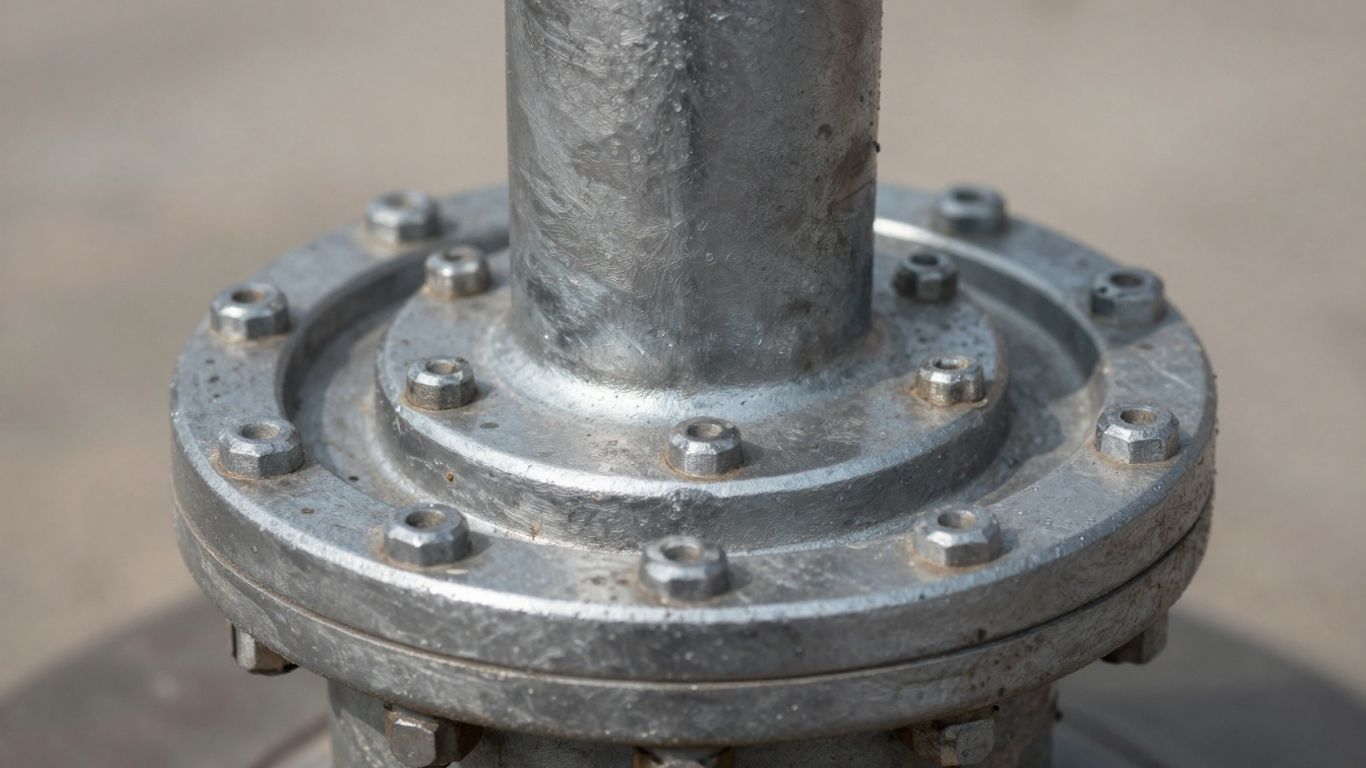
When you’re dealing with food processing equipment, it’s not just about having a seal; it’s about having the right seal for the job. Different parts of the machinery have different needs, and that’s where understanding the various types of seals comes in handy. Think of it like having the right tool for every task – you wouldn’t use a hammer to screw in a bolt, right?
O-Rings for Static Sealing
O-rings are probably the most common type of seal you’ll see. They’re simple, circular rings, usually made of rubber or a similar flexible material. Their main job is to sit in a groove and create a seal when two parts are pressed together. They’re fantastic for situations where nothing is moving, like between two stationary plates or around a bolt head. They work by deforming slightly under pressure, filling any tiny gaps and stopping liquids or gases from escaping. Because they don’t have to deal with movement, they tend to last a good long while if the material is right for the environment.
Gaskets for Flanged Connections
If you’ve ever seen pipes or tanks connected with bolts holding two flat surfaces together, you’ve likely seen gaskets in action. Gaskets are typically flat pieces of material, cut to fit the shape of the connection. They sit between the two surfaces (the flanges) and get squeezed when the bolts are tightened. This squeezing action creates a tight seal. They’re used everywhere from large industrial pipelines to smaller equipment connections. The material choice is really important here, as it needs to handle whatever is flowing through the pipe or tank, plus any cleaning chemicals.
Lip Seals for Dynamic Shafts
Now, things get a bit more interesting when you have parts that move, like rotating shafts on a motor or a pump. That’s where lip seals come in. These seals have a flexible lip that presses against the moving shaft. They’re designed to keep lubricants in and contaminants out, even while the shaft is spinning. They need to be tough and flexible at the same time. You’ll find them on everything from mixers to conveyor belt rollers. Getting the right fit and material is key, otherwise, you’ll end up with leaks and potential damage.
Here’s a quick look at some common seal types and where you might find them:
- O-Rings: Great for static joints, like valve bodies or pump housings.
- Gaskets: Used for sealing flat surfaces, common in pipe flanges and tank lids.
- Lip Seals (or Rotary Shaft Seals): Ideal for sealing rotating shafts on motors, pumps, and gearboxes.
- Diaphragm Seals: Used to separate a process fluid from a sensing instrument, often found in pressure gauges.
Choosing the correct seal type is more than just picking a part number; it’s about understanding the forces, temperatures, and chemicals the seal will encounter. A mismatch can lead to premature failure, product contamination, and costly downtime. Always consult equipment specifications and material compatibility charts.
The Importance of Food-Grade Seal Materials
Inertness and Ease of Cleaning
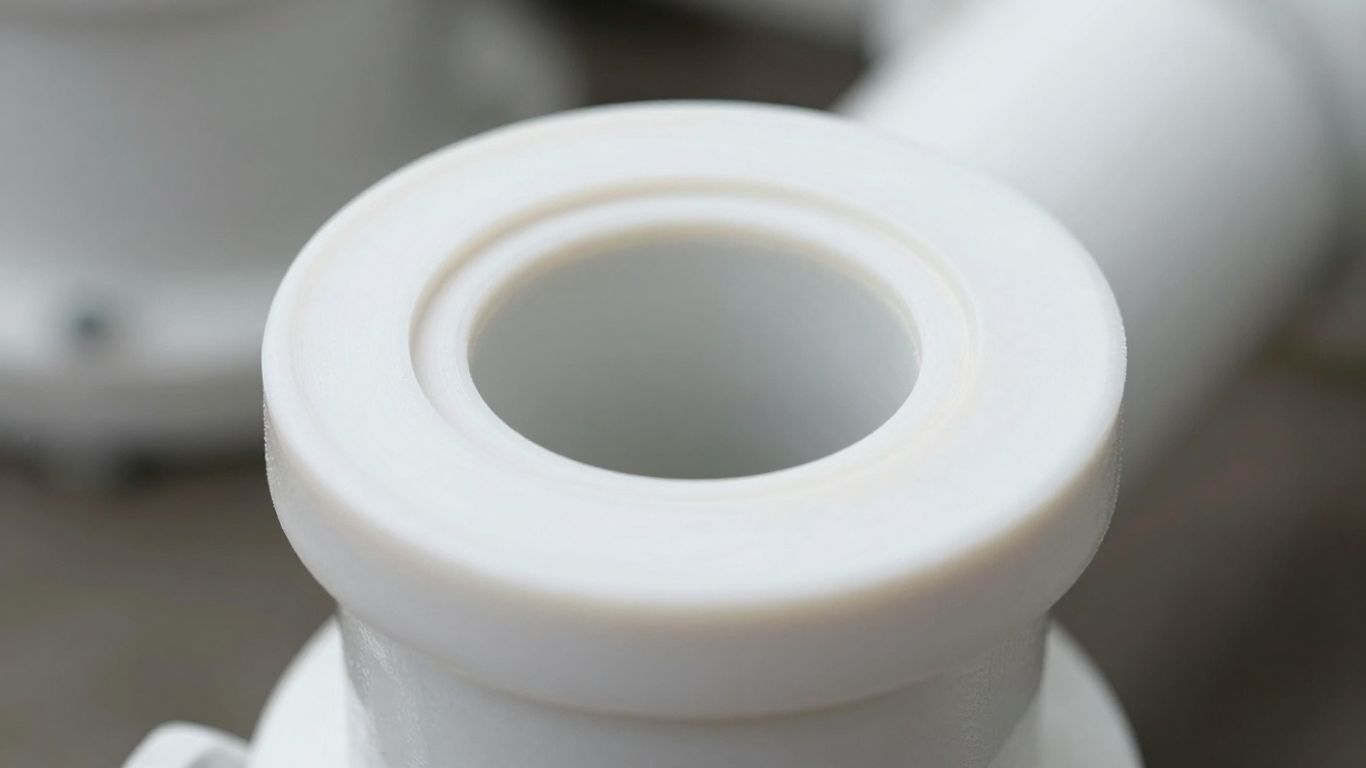
When we talk about seals in food processing, the material they’re made from really matters. You can’t just use any old rubber or plastic. We need materials that are inert, meaning they don’t react with the food or the cleaning chemicals used. Think about it: if a seal leaches chemicals into your product, that’s a big problem for safety and taste. Plus, these seals have to be super easy to clean. Food particles and bacteria love to hide in nooks and crannies, so seals need smooth surfaces that can be thoroughly sanitized. This often means using materials like silicone, EPDM, or PTFE, which are known for being non-reactive and simple to keep spotless.
Compliance with FDA and Global Standards
This is where things get serious. In the food industry, there are strict rules about what materials can touch your food. In the US, the FDA has specific guidelines, and other countries have their own versions, like the EU’s Regulation (EC) No 1935/2004. These regulations are all about making sure the seals won’t make people sick or change the food’s quality. Getting certified means a lot of testing and paperwork to prove the material is safe. It’s not just about following the law; it’s about building trust with consumers.
Here’s a quick look at some common certifications:
- FDA: For materials used in food contact in the United States.
- EC 1935/2004: The European Union’s standard for food contact materials.
- NSF International: Certifies products for food safety, including seals.
- 3-A Sanitary Standards: Focuses on hygiene and cleanliness for equipment in food production.
Preventing Chemical Migration into Food
So, what exactly is chemical migration? It’s when tiny bits of the seal material break off and end up in the food. This can happen from the food itself, from cleaning agents, or even from the seal degrading over time. Food-grade materials are specifically designed to minimize this migration. They are formulated to be stable under processing conditions and resist breakdown. Choosing the right material prevents off-flavors, discoloration, and, most importantly, the introduction of potentially harmful substances into the food supply. It’s a silent but vital part of keeping food safe from the factory floor to your table.
Lifecycle Management and Strategic Seal Replacement
Think of seals like tires on a car. You can’t just put them on and forget about them. They wear out, and if you wait too long to replace them, you’re asking for trouble. The same goes for seals in food processing equipment. Paying attention to their whole life, from when you first install them to when they need to be swapped out, is super important for keeping things running smoothly and safely.
Proactive Maintenance Schedules
Setting up a regular check-up plan for your seals is a smart move. It’s not about waiting for something to break; it’s about catching little issues before they become big headaches. This means looking at them regularly, cleaning them properly, and maybe even giving them a bit of lubrication if that’s what they need. A good schedule helps you spot problems early.
- Daily visual checks: Look for obvious signs of damage or leaks.
- Weekly cleaning: Ensure seals are free from debris and buildup.
- Monthly detailed inspection: Check for hardening, cracking, or deformation.
- Annual performance review: Assess if seals are still meeting operational requirements.
Identifying Wear and Tear Patterns
Every piece of equipment and every process is a bit different, so the way seals wear down can also be unique. By keeping an eye on how your seals are failing, you can start to see patterns. Are they always failing in the same spot? Is it happening after a certain number of cycles or a specific cleaning process? Knowing this helps you figure out why it’s happening and if there’s a better way to do things, or maybe a different type of seal that would hold up better.
Here’s a quick look at common wear signs:
| Wear Sign | Potential Cause |
|---|---|
| Cracking/Fraying | Chemical exposure, excessive heat, age |
| Hardening | High temperatures, chemical attack |
| Swelling | Incompatible fluid or cleaning agent |
| Abrasion | Particulate contamination, improper installation |
| Compression Set | Prolonged exposure to heat and pressure |
Paying attention to these wear patterns isn’t just about replacing seals; it’s about understanding your equipment and processes better. It can point to issues with alignment, temperature control, or even the cleaning chemicals you’re using.
Cost Savings Through Quality Investments
It might seem like buying the cheapest seals saves money upfront, but honestly, it often costs more in the long run. When a cheap seal fails, it can cause downtime, damage other parts of the machine, or even lead to product loss or contamination. Investing in high-quality seals, even if they cost a bit more initially, usually means they last longer and perform better. This reduces how often you need to replace them and cuts down on those expensive emergency repairs and production stoppages. It’s a classic case of getting what you pay for, and in food processing, quality really matters.
Wrapping It Up
So, we’ve talked a lot about how seals keep things clean and safe in food processing. It’s easy to forget about these small parts, but they really do a big job. They’re like the gatekeepers, stopping bad stuff from getting into our food. Making sure you have the right seals, that they’re put in correctly, and that you keep an eye on them is just smart business. It helps avoid problems, keeps your products good, and honestly, just makes everything run smoother. Don’t overlook them – they’re more important than you might think.
Frequently Asked Questions
What exactly do seals do in food factories?
Think of seals like tiny but mighty guards for your food. They create a solid wall inside machines to stop yucky stuff like dirt, germs, or old food bits from getting into the fresh food. They also stop good food from leaking out and making a mess.
Why are seals important for keeping food at the right temperature?
Some foods need to stay cold or hot to be safe and taste good. Seals help keep the temperature inside machines steady, like keeping a cooler closed tightly. This is super important for foods that can spoil easily or need special heating, like milk before it’s bottled.
Can seals handle the tough conditions in food machines?
Yes, they have to! Food machines can be powerful and use strong cleaning liquids. Seals are made from tough stuff that can handle being squeezed by the machine and won’t get ruined by cleaning chemicals or even the food itself.
How do seals help make food production faster and smoother?
When machines work automatically, seals are key. They stop liquids from leaking out, which could mess up the machines and stop the line. Good seals mean machines work without breaking down as often, saving time and money.
What makes a seal ‘food-grade’?
A ‘food-grade’ seal is made from materials that are safe to touch food. They don’t add any weird tastes or harmful chemicals to your food. They also have to be super easy to clean so no germs can hide on them. Plus, they need to follow strict rules set by places like the FDA.
When should seals be replaced?
You can’t just forget about seals! It’s best to check them regularly, like during cleaning. Look for any cracks or signs of wear. Replacing them before they break is like getting a new tire before it blows out – it saves you from bigger problems and keeps everything running smoothly.