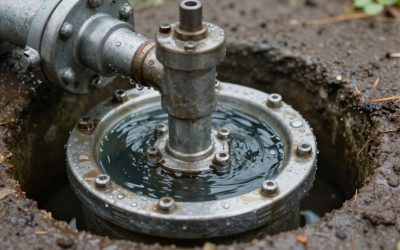
Your wellhead is sort of like the front door to your water supply. You wouldn’t leave your house door wide open for anyone to wander in, right? The same idea applies to your well. Keeping it secure with the right well seals and covers is super important. It’s all about stopping unwanted stuff from getting in and making sure your water stays clean and safe. We’ll look at why this matters and how to do it right.
Key Takeaways
- A secure wellhead is vital for preventing contamination and unauthorized access to your water source.
- Various types of well seals and covers exist, from basic sanitary caps to robust, lockable steel options, each offering different levels of protection.
- Proper installation and regular maintenance of well seals and covers are necessary to maintain their effectiveness.
- Well seals and security measures act as a primary defense against surface contaminants, debris, and animals entering the well.
- Following regulations and using appropriate well protection methods helps safeguard your water quality and the environment.
Understanding Well Seals and Caps
Think of your wellhead as the main entrance to your home’s water supply. It’s where the pipe coming up from underground meets the surface, and it’s the only part you can really see and touch. Keeping this area sealed up tight is super important. It’s not just about keeping people out; it’s about protecting the water itself from all sorts of unwanted things.
Defining Well Seals and Their Function
A well seal, sometimes called a well cap or a sanitary seal, is basically a cover for the top of your well pipe. Its main job is to stop anything from falling or getting into the well. This includes everyday stuff like dirt, bugs, and even small animals. But more than that, it acts as a barrier against surface water. You know, the rain that washes over the ground? That water can pick up all sorts of pollutants – think pesticides from a neighbor’s lawn, fertilizers, or even bacteria from animal waste. A good seal keeps all that gunk out, making sure your water stays clean and safe to drink. For it to work right, the seal needs to fit snugly and be made from tough materials that can handle being outside all the time.
Well Cap Versus Well Seal: Key Differences
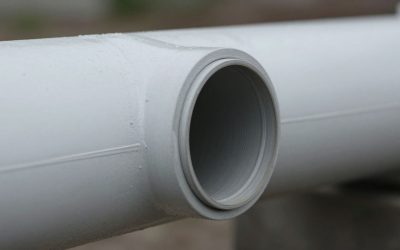
While both well caps and seals do a similar job – covering the top of your well casing – they aren’t exactly the same. A well seal is often a more flexible type of cover. Some are designed to shrink tightly around the well pipe, creating a waterproof barrier. They’re pretty good at accommodating things like pump wires or hoses that need to pass through. A well cap, on the other hand, is usually a more rigid cover that sits on top. It might be made of metal or sturdy plastic. The best choice often depends on your specific well setup and the environment around it.
Here’s a quick look at some general differences:
- Well Seal: Often flexible, can accommodate wires/hoses, creates a tight fit, may support submersible pumps.
- Well Cap: Typically rigid, provides a solid cover, may have vents, usually secured with screws or bolts.
The Importance of a Secure Wellhead
When your wellhead isn’t properly sealed or secured, it’s like leaving your front door wide open. This opens the door to a few different problems. For starters, there’s the risk of accidental contamination. If someone or something tampers with an unsecured well, it could introduce harmful substances directly into your water source. Then there’s the issue of vandalism or intentional misuse. While less common, it’s a possibility that could have serious consequences for your water supply. Finally, an unsecured well can be a safety hazard, especially if there are children or pets around. It’s really about maintaining control over who and what has access to your water.
Keeping your wellhead secure is super important because it’s the main entry point for your water. If it’s not protected, things like dirt, bugs, animals, or even harmful chemicals could get in and make your water unsafe to drink. A secure wellhead acts like a strong door, keeping out anything that shouldn’t be there.
Types of Wellhead Protection
So, you’ve got your well, and you want to keep it safe. That’s smart. Think of the wellhead as the main entrance to your water. You wouldn’t leave your front door wide open, right? Well, the same goes for your well. There are a few different ways people go about protecting this important spot, and they all aim to keep the bad stuff out.
Sanitary Seals and Vermin-Proof Caps
These are often the first line of defense, especially for smaller wells or those in areas where bugs and critters are a real nuisance. Sanitary seals are usually made of flexible materials that shrink down tight around the well casing, creating a waterproof barrier. They’re great at stopping insects, spiders, and even small rodents from crawling in. Vermin-proof caps are a bit more robust, typically made of plastic or metal, and designed with features like screened vents to let air in but keep pests out. They fit snugly over the well opening.
- Key Features:
- Flexible, tight seal
- Keeps out insects and small animals
- Often waterproof
- Screened vents on some caps
Durable Steel and Concrete Well Covers
For wells that need a bit more heavy-duty protection, steel and concrete covers are the way to go. These are built to last and offer a strong physical barrier against just about anything. Steel covers are tough and can withstand impacts, while concrete covers provide a solid, permanent-feeling shield. They’re often used for larger wells or in areas where there’s a higher risk of accidental damage or tampering. These covers usually sit directly on top of the well casing or a concrete apron around it.
Lockable Well Covers for Enhanced Security
Sometimes, you need to go the extra mile to keep unauthorized people away from your well. That’s where lockable well covers come in. These are designed with built-in locks or have provisions for adding your own padlock. This is particularly important if your well is in a remote location, on property with multiple access points, or if you have concerns about vandalism or someone intentionally contaminating your water supply. A locked well cover provides peace of mind that only authorized individuals can access your water source.
Keeping your wellhead secure isn’t just about preventing contamination; it’s also about maintaining control over your water supply. Different types of protection offer varying levels of defense, so choosing the right one depends on your specific needs and potential risks.
How Well Seals and Caps Prevent Contamination
Your wellhead is basically the gateway to your water supply. It’s the point where the underground well casing meets the surface, and it’s really the only part you can see and interact with. Because of this, keeping it secure and properly sealed is super important. Think of it like the lock on your front door – it keeps the good stuff in and the bad stuff out. A wellhead that isn’t properly sealed or secured can let all sorts of unwanted things into your water. This isn’t just about keeping people out; it’s about protecting the water itself from contamination.
Barrier Against Surface Contaminants
A well cover acts like a shield, stopping surface gunk from ever reaching your groundwater. Think about rainwater running off your lawn or a neighbor’s field. If that water picks up fertilizers, pesticides, or even just dirt and animal waste, it can flow right into your well. A good, tight-fitting well cover stops that surface runoff from getting in. It’s a simple physical barrier, but it makes a huge difference in keeping your water clean.
Minimizing Runoff Infiltration
Heavy rains or sudden floods can really test your well’s defenses. When water pools around your wellhead, it has more time to seep down into the ground. If that water is carrying pollutants from nearby roads, farms, or industrial sites, it’s a direct path to your drinking water. A well cover, especially one that’s designed to shed water away from the casing, helps prevent this infiltration. It’s like putting a cap on a leaky pipe – it stops the problem before it starts. This is especially important if you live in an area where farming or industry is common.
Preventing Debris and Animal Access
Beyond just water, a well seal and cap are your primary defense against physical contaminants. Insects, leaves, dirt, and animal droppings can all find their way into an open well. Small animals, like mice or frogs, can even fall in. These aren’t just gross; they can introduce bacteria and other harmful microorganisms into your water. A well-sealed cap keeps these unwanted visitors out, maintaining the purity of your water source. It’s a straightforward way to prevent a whole host of potential problems before they even start.
Keeping your wellhead secure is super important because it’s the main entry point for your water. If it’s not protected, things like dirt, bugs, animals, or even harmful chemicals could get in and make your water unsafe to drink. A secure wellhead acts like a strong door, keeping out anything that shouldn’t be there.
Ensuring Proper Installation and Maintenance
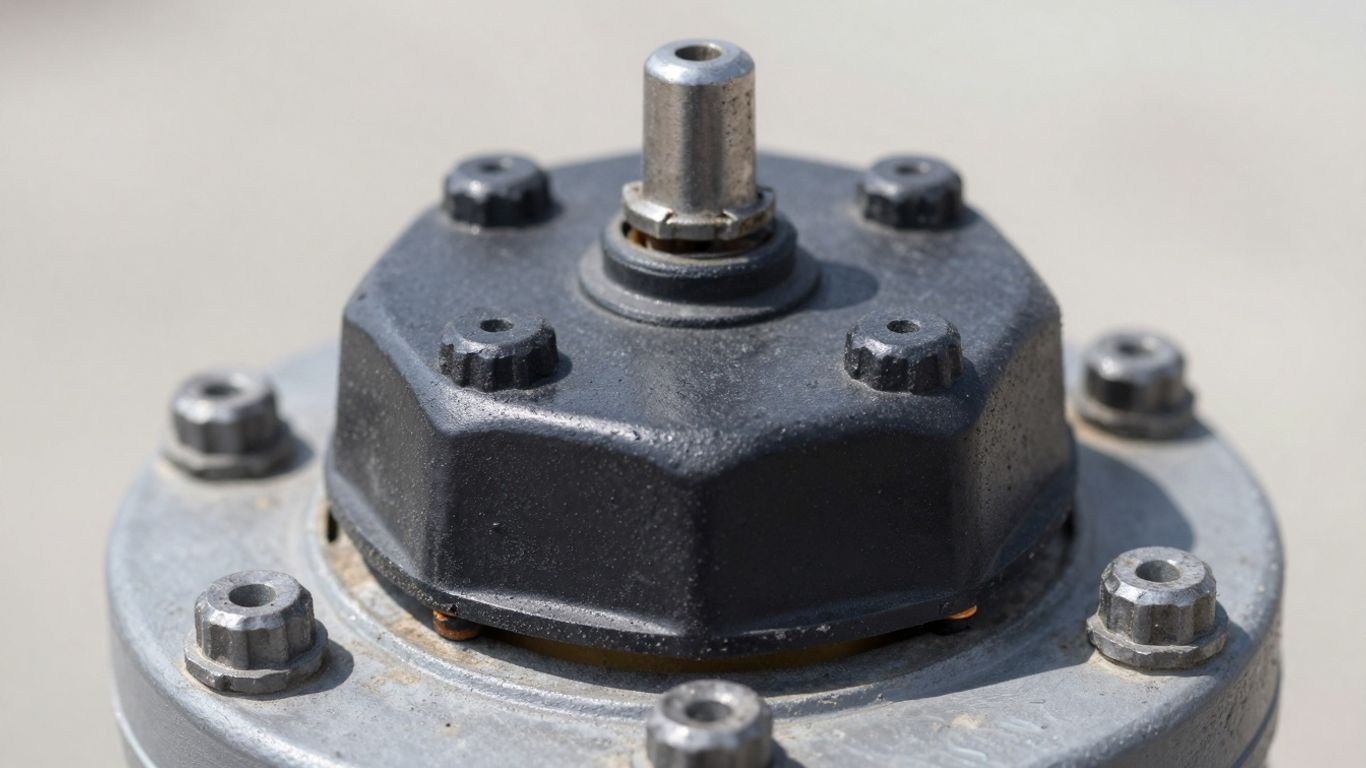
So, you’ve got a well cap and seal in place – that’s great! But honestly, just slapping it on and walking away isn’t going to cut it. Think of it like putting a lid on a jar; if it’s not on tight, stuff can still get in. Proper installation and keeping an eye on things afterward are super important for keeping your water clean and safe.
The Role of Gaskets and Secure Fastening
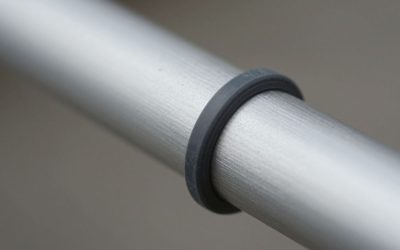
When you’re putting on a well cap, the gasket is your best friend. This is usually a rubbery ring that sits between the cap and the well casing. Its job is to fill in any tiny gaps, making a watertight and pest-proof seal. If the gasket is old, cracked, or just not seated right, you’ve got a weak spot. The same goes for how you fasten the cap. Whether it’s bolts, clamps, or some other mechanism, it needs to be snug. A loose cap means a compromised seal, no matter how good the gasket is. You don’t want to overtighten and crack something, but you definitely don’t want it wiggling around either.
Repairing or Replacing Damaged Well Caps
Things happen out there. A falling branch, a lawnmower incident, or just plain old wear and tear can damage your well cap. If you spot a crack, a dent, or if the cap seems warped, it’s time to think about fixing or replacing it. Small cracks might be patchable with the right sealant, but if it’s looking pretty beat up, a full replacement is usually the way to go. It’s not worth the risk of letting contaminants in. When you get a new cap, make sure it’s the right size and type for your well. Trying to force the wrong one on will just cause more problems.
Ensuring Proper Sealing After Repair
After you’ve done any work on the well cap – whether it was a minor repair or a full replacement – you’ve got to double-check that seal. This means making sure the new gasket is in place and seated correctly. Then, fasten the cap down nice and snug, just like we talked about. Give it a little wiggle test. You can also do a visual check around the edges. Look for any daylight peeking through or any obvious gaps. If you’re unsure, sometimes a bit of water sprayed around the edge (when it’s not raining, obviously) can help you spot any leaks if you look closely for where it might be seeping in.
Here’s a quick checklist for after any work:
- Inspect the gasket for damage or proper seating.
- Tighten all fasteners to a secure, but not damaging, level.
- Visually confirm there are no gaps around the cap’s perimeter.
- Check that the cap sits flush and stable on the well casing.
Keeping records of when you installed or repaired your well cap and seal is a smart move. It helps you remember when it might be time for a check-up or replacement down the line, and it’s useful information if a professional ever needs to work on your well.
Advanced Well Protection Features
Accommodating Pump Wires and Hoses
So, you’ve got your well sealed up tight, which is great. But what about all the stuff that needs to come out of the well? We’re talking about the pump wires and any hoses that might be running up from your submersible pump. A good well cap isn’t just a solid lid; it needs to have a way to let these essential components exit without creating a new entry point for trouble. Many modern well caps are designed with special fittings or knock-out holes that allow for these wires and hoses to pass through. These fittings are usually designed to be sealed around the wires or hoses once they’re in place, maintaining that protective barrier. It’s a bit like having a custom-made glove for your wellhead, letting the necessary parts through while keeping the bad stuff out.
Integrated Support for Submersible Pumps
Some well caps go a step further. Instead of just sitting on top of the casing, they can actually provide structural support for the pump system itself. This is especially handy for deeper wells where the weight of the pump and the water column can put a strain on the casing. These types of caps might have built-in brackets or mounting points that help distribute the weight of the pump and piping. This not only adds a layer of security but can also make maintenance easier because the pump isn’t just hanging there precariously. It’s a more robust setup that’s built to last.
Custom Solutions for Unique Wells
Every well is a little different, right? Some might be old, some might be in tricky spots, or they might have unusual casing diameters. For these situations, standard caps might not cut it. That’s where custom-designed well caps come into play. These are made to fit your specific wellhead perfectly. Whether you need a cap with extra ports for monitoring equipment, a specific shape to fit around existing structures, or a material that can handle a particularly harsh environment, a custom solution can be fabricated. It’s all about getting that perfect fit to keep your water source safe.
When thinking about advanced features, remember that the goal is always to maintain a secure barrier. Any opening, no matter how small, can become a weak point. Look for caps that offer practical solutions for necessary access without compromising the seal’s integrity. It’s a balance between functionality and protection.
Here’s a quick rundown of what to look for:
- Wire/Hose Ports: Look for caps with pre-made, sealable openings.
- Structural Support: Consider caps that can help bear the weight of pump equipment.
- Material Durability: Choose materials suited to your local climate and potential hazards.
- Customization Options: Don’t be afraid to explore custom builds for non-standard wells.
Safeguarding Groundwater Resources
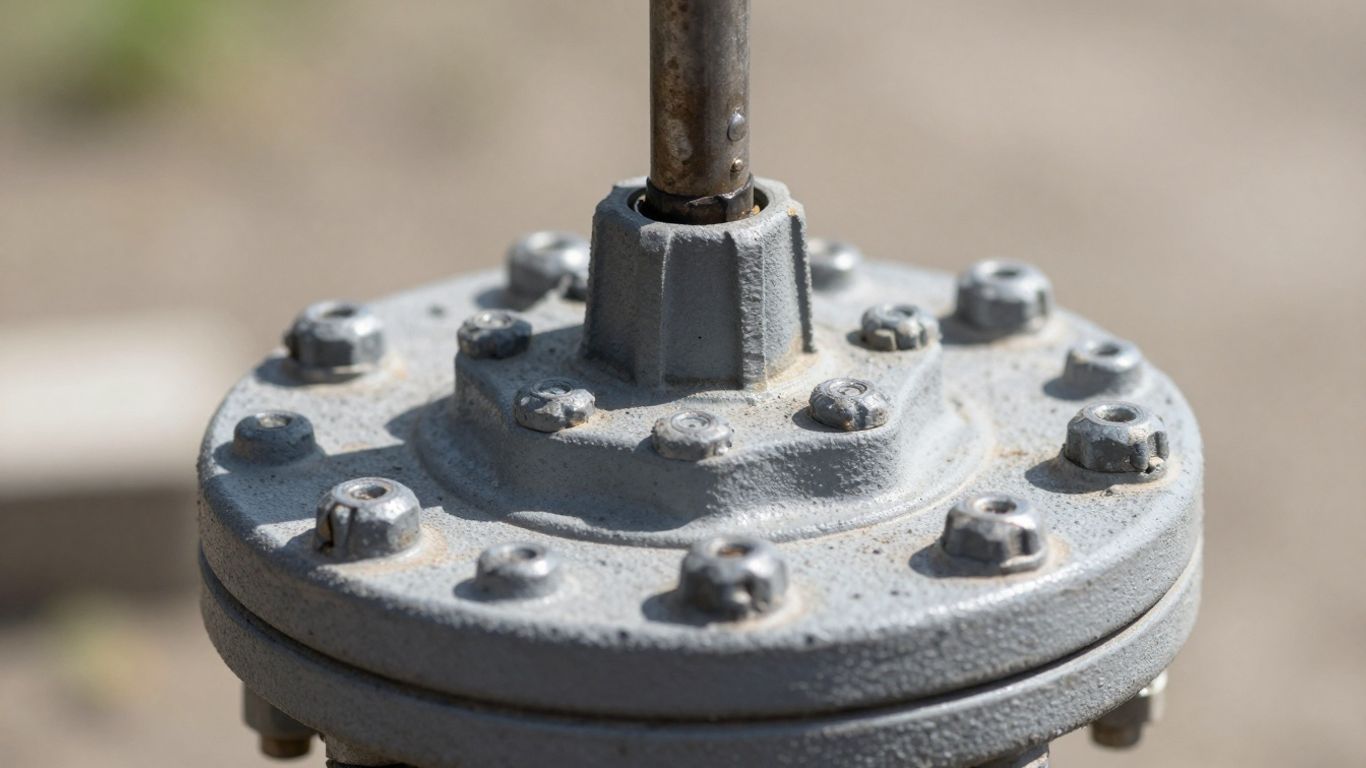
Protecting the Integrity of Your Water Source
Think of your well as a direct line to the water that’s been filtered by the earth for ages. It’s a pretty amazing natural resource, right? But that connection can become a weak spot if the wellhead isn’t properly sealed. Surface water, which can pick up all sorts of unwanted stuff from farms, roads, or even just your backyard, can find its way down. A good, tight-fitting well cap and seal act as the first line of defense, stopping that surface runoff from ever getting into the ground and contaminating your water supply. It’s a simple physical barrier, but it’s incredibly important for keeping the water underground clean.
Meeting Regulatory Requirements
Depending on where you live and how your well is used, there might be specific rules about how your wellhead needs to be protected. These regulations are usually in place to make sure everyone’s water is safe. They often specify things like the type of seal or cap you need, or how far away certain things need to be kept from the wellhead. Making sure your well cap fits snugly and is made of sturdy material is often part of these requirements. It’s not just about following the rules, though; it’s about doing your part to protect a shared resource.
Long-Term Groundwater Protection
Taking care of your wellhead isn’t just a one-time thing. It’s about making sure your water source stays clean and usable for years to come. Here’s why it matters:
- Prevents Chemical Leaching: A secure seal stops things like fertilizers, pesticides, or fuel spills from seeping into the ground and reaching your water.
- Keeps Out Biological Contaminants: It blocks animal waste, decaying organic matter, and other biological nasties that can make your water unsafe to drink.
- Maintains Water Quality: By preventing contamination, you help maintain the natural quality and taste of your groundwater.
Proper wellhead protection is a key part of being a responsible water user. It’s a proactive step that helps prevent costly cleanup later on and ensures a reliable water supply for you and your community.
Regularly checking your well cap for any damage or looseness is a simple but effective way to maintain this protection. If you notice any issues, it’s best to address them right away.
Putting It All Together
So, when it comes down to it, keeping your well protected with the right seals and caps isn’t just a suggestion, it’s pretty important. It’s like putting a good lid on a jar – you want to make sure nothing unwanted gets in. Whether you’re dealing with a simple sanitary seal or a more heavy-duty cover, the main goal is the same: keep your water safe from dirt, bugs, and anything else that could make it unhealthy. Taking a few minutes now and then to just look at your well cap, check for any cracks or if it’s sitting right, is a simple thing that really helps. It’s a small step that makes a big difference in keeping your water clean and your well working right. Don’t wait for a problem to pop up; take a peek at your wellhead and make sure it’s sealed up tight.
Frequently Asked Questions
What’s the main job of a well seal and cap?
Think of a well seal or cap like a lid for your water well. Its main goal is to keep anything from getting into the well that shouldn’t be there. This includes things like dirt, bugs, animals, and especially surface water that might carry pollution. It’s the first step in keeping your drinking water clean and safe.
Are well seals and well caps the same thing?
They do a similar job, but they can be a bit different. A well cap is often a solid cover that sits on top of the well pipe. A well seal might be more flexible and designed to shrink tight around the pipe. Some seals can also have special holes for things like pump wires or hoses, which a basic cap might not have.
Why is it so important to have a secure wellhead?
Your wellhead is the entry point to your water. If it’s not sealed tightly, all sorts of unwanted things can get in and make your water unsafe. This could be anything from bacteria and dirt to harmful chemicals. A secure wellhead acts like a strong door, keeping your water supply protected and clean.
What kinds of things can get into my well if the cap is bad?
If your well cap is damaged or not sealed properly, things like rainwater carrying fertilizers or pesticides from farms, dirt, leaves, insects, and even small animals could get into your well. This can seriously harm the quality of your water and make it unsafe to drink.
How often should I check my well cap and seal?
It’s a good idea to check your well cap and seal regularly, maybe every few months or at least once a year. Look for any cracks, damage, or if it seems loose. Catching problems early can prevent contamination and save you a lot of trouble later on.
What should I do if my well cap is damaged?
If you see cracks, warping, or corrosion on your well cap, it’s best to replace it. Trying to patch it might not create a strong enough seal. When you get a new one, make sure it fits tightly and is secured properly to keep your water safe. If you’re not sure how to do it, it’s a good idea to call a professional.