So, you’ve got a hydraulic system, and you want it to run like a champ, right? Well, a big part of that comes down to the little things, like the seals. It might sound simple, but getting the right size for your well seals is actually a pretty big deal for how well everything works. We’re talking about performance here, and if those seals aren’t quite right, you can run into all sorts of headaches. Let’s break down why properly sized well seals are key to performance.
Key Takeaways
- Make sure your seals are compatible with the fluids and temperatures in your system. Not all seals are the same, so picking the right one for your equipment makes a difference.
- Pressure and temperature can really mess with seals if they’re pushed too far. Also, seals can get squeezed out of place or lose their shape over time, especially with heat or pressure.
- Friction and wear are natural, but they can shorten a seal’s life. Choosing the right material and keeping things lubricated helps a lot.
- Even small mistakes during installation can cause seals to fail early. Always follow the manufacturer’s advice for putting them in.
- Regularly checking for leaks and wear can help you catch problems before they become big, expensive issues, keeping your system running smoothly.
Understanding Seal Performance Metrics
Evaluating Rod Seal Efficiency
When we talk about seals, especially the ones in hydraulic systems, we’re really talking about how well they do their job. For rod seals, that job is pretty straightforward: keep the fluid in and the contaminants out. But how do we actually measure if they’re doing a good job? It comes down to a few key things. We look at how effectively they seal, meaning how little they let slip past. We also check how well they hold up against wear and tear over time. And importantly, can they maintain a steady pressure without leaking? Watching for leaks, keeping friction in check, and making sure the seal plays nice with the hydraulic fluid are all good ways to get a feel for how a rod seal is performing.
Key Performance Indicators for Seals
So, what are the actual numbers or signs we look for? Think of these as the report card for your seals. We’re interested in things like how much leakage is acceptable, if any. Friction is another big one; too much friction means more wear and wasted energy. Then there’s responsiveness – how quickly does the seal react when pressure changes? And durability, of course, which is about how long it lasts before needing replacement. We also need to consider its ability to handle the heat and pressure it’s put through.
Here’s a quick look at some common indicators:
- Leakage Rate: Measured in volume per unit of time (e.g., ml/min).
- Friction Force: The resistance the seal presents to movement.
- Wear Depth: How much material is lost from the seal over time.
- Operating Temperature Range: The maximum and minimum temperatures the seal can handle.
- Pressure Rating: The maximum system pressure the seal can withstand.
Keeping an eye on these metrics isn’t just about knowing when a seal is failing. It’s about understanding its limits and how it’s behaving in its environment. This information helps us make smarter choices down the line, whether that’s choosing a different material or adjusting operating conditions.
Analyzing Durability and Responsiveness
Durability is pretty self-explanatory – it’s about how long the seal lasts. But it’s not just about time; it’s about how it performs during that time. Does it maintain its sealing ability even after thousands of cycles? Responsiveness, on the other hand, is about how quickly the seal adapts to changes. Think about when the system pressure suddenly spikes or drops. A responsive seal will adjust its grip accordingly, preventing leaks or damage. This is especially important in systems with fluctuating pressures. We need seals that can handle these ups and downs without losing their effectiveness. It’s a balancing act between being tough enough to last and flexible enough to react.
Factors Influencing Seal Longevity
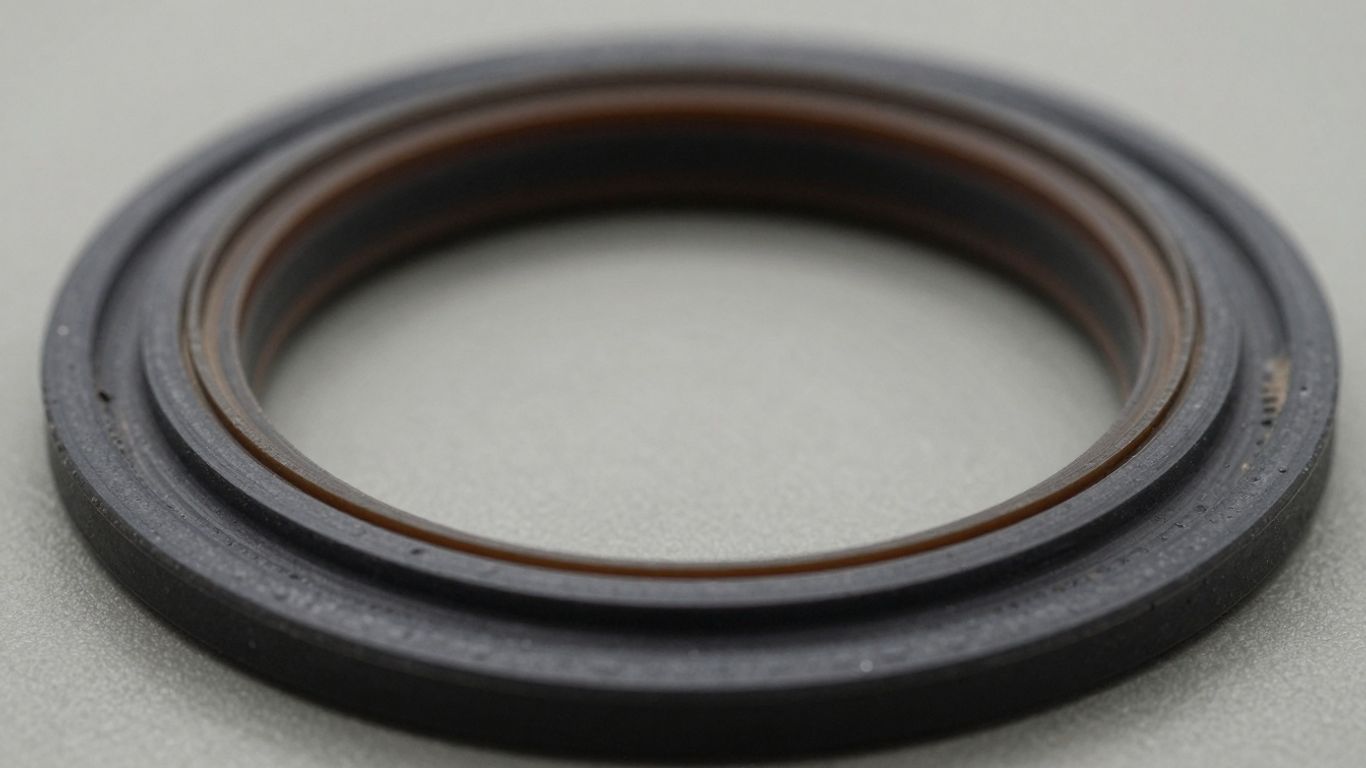
Impact of Pressure and Temperature Extremes
So, you’ve got a hydraulic system chugging along, and you want it to keep going for a good long while. A big part of that is how your seals handle the rough stuff, like pressure and heat. When a system is under high pressure, it really pushes against the seal. If the seal isn’t built for that kind of squeeze, it can start to deform, or worse, get pushed into any tiny gaps in the hardware. This is called extrusion, and it’s a fast track to a leaky situation.
Temperature is another major player. Too hot, and the seal material can get soft and lose its shape, making it less effective. Too cold, and it can become brittle and crack. Finding the sweet spot for your seal’s operating temperature is super important for it to last. Different materials have different limits, so you’ve got to match the seal to the job.
Here’s a quick look at how pressure and temperature can mess with seals:
- Pressure: Pushes the seal into gaps (extrusion), can cause permanent deformation.
- Temperature (High): Softens material, reduces sealing ability, can cause swelling.
- Temperature (Low): Makes material brittle, leading to cracks and leaks.
Preventing Extrusion and Compression Set
Extrusion, like we just talked about, happens when pressure forces the seal into the clearance gap between the moving and stationary parts. Think of it like toothpaste being squeezed out of a tube – the pressure forces it into any opening. This is more likely to happen if the gap is too big or if the seal material is too soft for the pressure it’s facing. Using backup rings, sometimes called anti-extrusion rings, can help a lot here by blocking that gap.
Then there’s compression set. This is what happens when a seal is held under pressure for a long time, especially at higher temperatures. It basically gets squashed and doesn’t fully spring back to its original shape when the pressure is released. Over time, this means it can’t create that tight seal anymore, and leaks start to show up. Choosing a seal material that’s resistant to compression set is key, particularly for static seals that are always under some kind of squeeze.
- Extrusion: Seal material forced into hardware gaps due to pressure.
- Compression Set: Seal permanently deforms after prolonged compression, losing its sealing ability.
Both extrusion and compression set are common ways seals fail prematurely. They often happen because the seal material isn’t quite right for the operating conditions or because the hardware itself has gaps that are too large for the seal to handle.
The Role of Friction and Wear
Friction is pretty much unavoidable when you have parts moving against each other, and seals are no exception. Every time a rod or cylinder moves, the seal rubs against it. This rubbing creates heat and wears down the seal material over time. High friction can also make the system harder to move, using up more energy.
Several things affect how much friction you get. The seal material itself plays a big role – some are naturally more slippery than others. The surface finish of the metal parts the seal rubs against matters too; rougher surfaces mean more friction. And, of course, how much the seal is squeezed (the ‘squeeze’ or ‘compression’) against the metal affects the contact pressure and thus friction.
Wear is the direct result of this friction and other abrasive particles that might be in the system. Over time, the seal surface gets ground away. This reduces its ability to seal and can eventually lead to leaks. Keeping surfaces clean and using seals made from wear-resistant materials can really help extend their life.
Material and System Compatibility
Matching Seals to Fluid and Temperature Requirements
Picking the right seal material is a big deal for how well your hydraulic system works. It’s not just about fitting it in; you’ve got to think about what the seal will be up against. Different fluids can eat away at certain materials, and extreme temperatures can make them brittle or soft. For instance, if your system uses a specific type of hydraulic oil, you need a seal that won’t break down when it comes into contact with it. Likewise, if your equipment runs super hot or in a cold environment, the seal material has to handle that without losing its shape or sealing ability.
Here’s a quick look at some common materials and what they’re good for:
- Nitrile Rubber (NBR): Good for general-purpose hydraulic fluids, moderate temperatures, and decent wear resistance. It’s a workhorse but can struggle with really high heat or aggressive chemicals.
- Polyurethane (PU): Offers excellent abrasion resistance and can handle higher pressures than NBR. It’s a good choice when wear is a major concern, but watch out for certain chemicals and extreme cold.
- PTFE (Teflon): Stands up to a wide range of chemicals and high temperatures. It’s got low friction, which is great for efficiency, but it can be more rigid and might not seal as well in low-pressure situations or if the surface it seals against isn’t perfect.
- Viton (FKM): Known for its resistance to high temperatures and a broad spectrum of chemicals, including fuels and oils. It’s a premium option for demanding environments.
The wrong material choice can lead to leaks, premature wear, and system failure.
Choosing the Right Seal for Equipment
Beyond just the fluid and temperature, the actual equipment plays a role. Think about the pressures involved. Some seals are built to handle high-pressure spikes, while others are better suited for steady, lower pressures. The design of the housing where the seal sits also matters. A seal needs to fit snugly without being too tight or too loose. If the housing has sharp edges or rough surfaces, you’ll need a material that can resist damage from those.
Consider these points when selecting a seal for your specific equipment:
- Operating Pressure: Match the seal’s pressure rating to your system’s maximum operating pressure. Don’t guess; know your numbers.
- Dynamic vs. Static: Is the seal moving against a surface (dynamic) or just sitting there (static)? Dynamic seals need to handle friction and wear much better.
- Hardware Surface Finish: The smoothness of the rod or bore the seal interacts with is important. Rougher surfaces might require more robust or flexible seal materials.
- Environmental Factors: Will the seal be exposed to dirt, dust, or other contaminants? Some seal designs offer better protection against these.
Selecting the correct seal isn’t just about buying a part; it’s about understanding the environment and stresses it will face. A little upfront research can save a lot of headaches down the road.
Innovative Materials for Enhanced Durability
Material science is always moving forward, and that means better seals are becoming available. We’re seeing more composite materials that combine the strengths of different substances. For example, some seals might have a tough, wear-resistant outer layer with a more flexible inner core. There are also advancements in self-lubricating materials that reduce friction and wear without needing external lubricants, which can be a game-changer for systems where lubrication is difficult or undesirable. Keep an eye on new developments; they often offer longer life and better performance than older, standard materials.
The Importance of Proper Seal Installation
Consequences of Minor Installation Errors
So, you’ve got the right seal, you’ve checked the specs, and you’re ready to put it all together. But hold on a second. Even the best seal in the world can turn into a leaky mess if it’s not installed correctly. We’re talking about tiny mistakes here, like a slight nick from a tool or not getting it seated perfectly straight. These little slip-ups can cause big problems down the road. Think premature wear, leaks that just won’t quit, and eventually, a system that just doesn’t perform like it should. It’s kind of like trying to build IKEA furniture without reading the instructions – you might get there, but it’s probably going to be wobbly.
Manufacturer-Recommended Installation Techniques
Look, the people who made the seal usually know best how to get it into place without causing it any grief. They’ve spent time figuring out the best way to get it seated properly, avoiding damage, and making sure it does its job from the get-go. Following their guidance is a pretty good bet for making sure your seal lasts as long as it’s supposed to. It might seem like extra effort, but trust me, it beats having to replace the seal a few weeks later.
Here are a few general pointers you’ll often find:
- Always clean the housing and the rod or bore thoroughly before you start. Any dirt or debris is an enemy of a good seal.
- Use the correct tools. Don’t try to force a seal in with a screwdriver if a special installation tool is recommended.
- Lubricate the seal and the hardware appropriately. This helps it slide into place without tearing or binding.
- Ensure the seal is oriented correctly. Some seals only work one way.
Ensuring Correct Sizing for Optimal Fit
This one’s a biggie. Getting the size wrong is like trying to fit a square peg in a round hole – it just doesn’t work. If the seal is too big, it might get bunched up or not seat properly, leading to leaks. If it’s too small, it won’t create the necessary squeeze to seal effectively, and it could even fall out. The fit needs to be just right, snug but not so tight that it gets damaged during installation or operation. It’s all about that perfect balance to keep everything contained and working smoothly.
Recognizing and Preventing Seal Failure
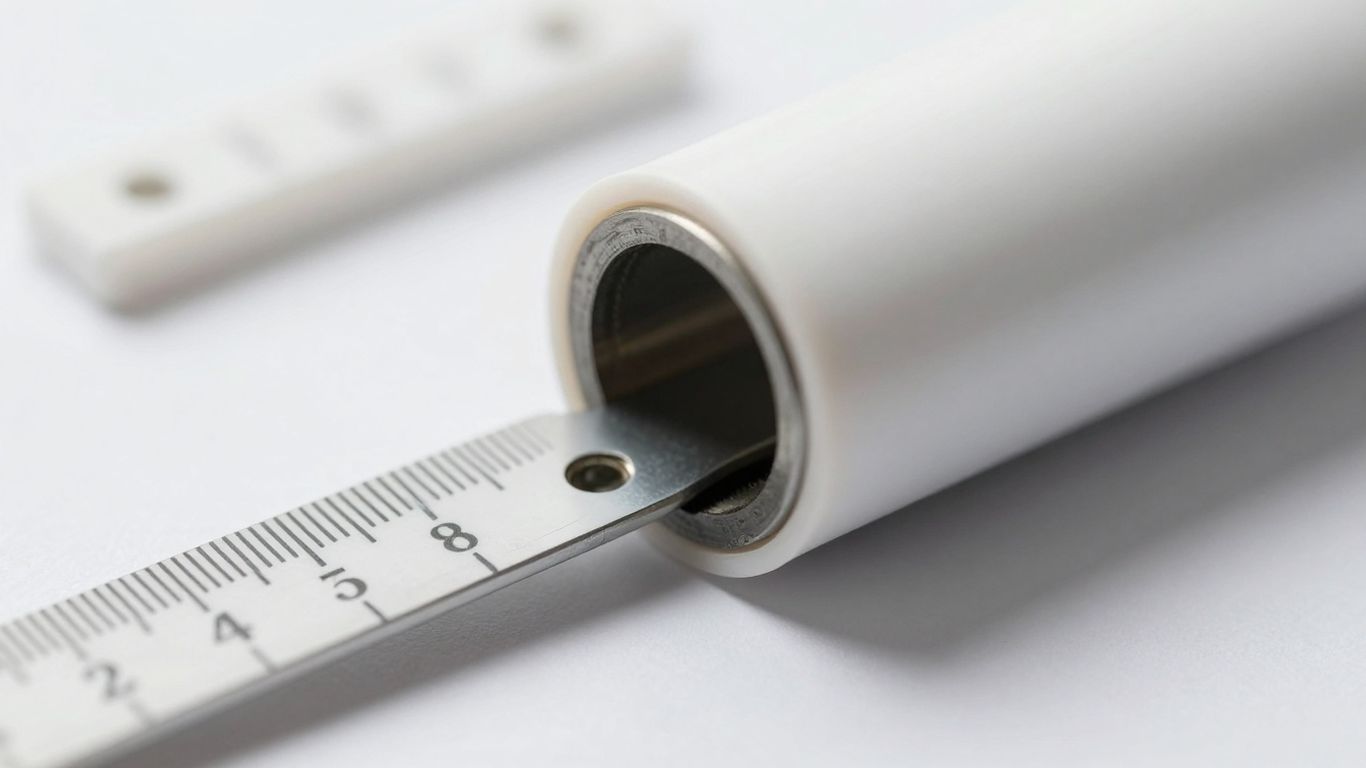
Sometimes, even with the best intentions, seals just don’t last as long as we’d hope. Spotting the early signs of trouble can save you a lot of headaches and money down the line. It’s not always a dramatic explosion; often, it’s a slow creep of problems that, if ignored, can really mess things up.
Identifying Signs of Fluid Leakage and Pressure Loss
Leaks are probably the most obvious indicator that something’s not right. You might see puddles under your equipment, or notice a greasy film where there shouldn’t be one. But it’s not just about the visible mess. A loss of pressure in your hydraulic system is a big red flag too. If your equipment feels sluggish or isn’t performing with its usual oomph, it could be that the seals are letting fluid escape, and with it, that vital pressure.
- Visible fluid drips or puddles
- Decreased system performance or responsiveness
- Unusual noises like hissing or sputtering
- Overheating of hydraulic fluid
Monitoring Seal Wear and Tear
Beyond just leaks, you need to keep an eye on the seals themselves. Over time, they can get worn down, nicked, or hardened. This wear can happen for a bunch of reasons, like friction, exposure to harsh chemicals, or just plain old age. Checking the seals during routine maintenance can give you a heads-up before a small issue becomes a big one.
Regular visual inspections are your best friend here. Look for:
- Cracks or cuts on the seal surface.
- Hardening or becoming brittle.
- Signs of abrasion or scoring.
- Deformation or flattening of the seal profile.
Strategies for Common Failure Modes
Understanding why seals fail is half the battle. Extrusion, for example, happens when the seal gets squeezed out of its groove, often due to high pressure or gaps in the hardware. Abrasion from dirt or debris in the fluid can chew away at the seal material. Compression set means the seal loses its ability to spring back after being squeezed, leading to leaks.
To combat these:
- Ensure proper hardware clearances: This prevents the seal from being forced into gaps.
- Maintain fluid cleanliness: Use good filtration to keep abrasive particles out.
- Select the right material: Match the seal material to the fluid and operating temperature.
- Install correctly: Avoid damaging the seal during installation, as this can be a starting point for failure.
Ignoring small issues with seals can lead to significant downtime and costly repairs. It’s always better to address potential problems early, even if they seem minor at first glance. A little preventative attention goes a long way in keeping your hydraulic systems running smoothly and reliably.
Seal Design Considerations for Performance
When you’re trying to get the best out of your hydraulic systems, the way a seal is designed really matters. It’s not just about slapping any old rubber ring in there; there are a few key things that go into making a seal do its job well. Think of it like picking the right tool for a specific task – you wouldn’t use a hammer to screw in a bolt, right? Seals are similar. We need to get the shape, the size, and the material just right for what the system is doing.
Seal Profile and Type Selection
The shape, or profile, of a seal is super important because it dictates how it interacts with the hardware it’s sealing. For static applications, where things don’t move relative to each other, a seal just needs to sit tight and maintain its squeeze. But for dynamic parts, like a piston rod that moves back and forth, the seal has to handle movement, friction, and pressure changes without getting damaged. There are different types of seals designed for these specific jobs:
- O-Rings: Simple and versatile, good for many static and some dynamic uses.
- Lip Seals: Often used on rods and pistons, they have a lip that creates a sealing surface, good for dynamic applications.
- Wipers: These are designed to keep dirt and contaminants out, usually found on the outside of rod seals.
- Backup Rings: These aren’t seals themselves but prevent extrusion by filling the gap the main seal might otherwise get pushed into.
Choosing the right profile means looking at whether the seal needs to handle high pressure, resist wear, or manage different types of motion like linear, rotary, or even oscillating.
Sizing for Appropriate Hardware Fit
Getting the size exactly right is non-negotiable. If a seal is too small, it won’t fill the groove properly, leading to leaks. If it’s too big, it might be impossible to install, or it could get damaged during installation or operation, leading to premature failure. The fit needs to account for:
- Gland Dimensions: The space where the seal sits must be precise.
- Interference: A slight interference fit is often needed to create the initial seal and maintain contact.
- Hardware Surface Finish: The smoothness of the metal surfaces the seal contacts affects friction and wear.
A seal that’s sized incorrectly can cause more problems than it solves, leading to leaks, increased friction, and a shorter lifespan for both the seal and the equipment.
Material Selection for Application Demands
This is where things get really interesting. The material a seal is made from has a massive impact on its performance and how long it lasts. You can’t just use any old rubber for every situation. You have to think about:
- Fluid Compatibility: Will the seal material break down when it comes into contact with the hydraulic fluid, or vice versa?
- Temperature Range: Can the seal handle the heat generated by the system, or the cold of the environment?
- Pressure Limits: Some materials are better at resisting deformation under high pressure than others.
For example, nitrile (Buna-N) is common and works well with petroleum-based oils at moderate temperatures. But if you’re dealing with high temperatures or aggressive fluids, you might need something like Viton (FKM) or even more specialized polymers. Getting the material wrong is a fast track to seal failure, leaks, and costly downtime.
The interplay between seal profile, precise sizing, and the correct material choice forms the bedrock of reliable sealing performance. Overlooking any one of these aspects can significantly compromise the integrity and longevity of a hydraulic system, leading to inefficiencies and potential breakdowns.
Maintaining Hydraulic Seals for Peak Operation
The Value of Regular Inspection and Maintenance
Think of your hydraulic seals like the tires on your car. You wouldn’t just ignore them until they blow out, right? Regular checks are key to catching small issues before they turn into big, expensive problems. Keeping an eye on your seals means your hydraulic system can keep running smoothly, saving you headaches and cash down the line. It’s about being proactive, not reactive.
Extending Seal Life Through Proper Care
Taking good care of your seals goes beyond just installing them correctly. It involves understanding the environment they work in and making sure they’re up to the task. This means paying attention to things like fluid compatibility and operating temperatures. Sometimes, it’s the little things that make a big difference in how long a seal lasts. For instance, avoiding unnecessary stress on the rod or shaft can prevent premature wear.
- Check for leaks: Even small drips can indicate a seal is starting to fail.
- Monitor pressure: Sudden drops in system pressure often point to seal issues.
- Listen for noise: Unusual sounds can sometimes signal problems with moving parts, including seals.
- Observe performance: A system that’s sluggish or not performing as expected might have a seal problem.
Early Detection of Leaks for Cost Savings
Spotting a leak early is like finding a small tear in your favorite shirt before it becomes a gaping hole. You can fix it easily and cheaply. The same applies to hydraulic systems. A tiny fluid leak might seem minor, but it can lead to significant pressure loss and eventually cause damage to other components. Catching these leaks early means less fluid lost, less wear on your system, and ultimately, a much smaller repair bill. It’s a simple way to keep your equipment running efficiently and save money.
Ignoring small leaks is a common mistake that can snowball into major system failures. Addressing them promptly is always the smarter, more cost-effective approach.
Wrapping It Up
So, we’ve talked a lot about seals, and honestly, it all comes down to getting the size right. It’s not just about picking something that looks like it’ll fit; it’s about making sure it’s the exact right fit for the job. A seal that’s too big or too small can cause all sorts of headaches down the road, from leaks to outright failures. Think of it like trying to wear shoes that are a size too small – they just don’t work right and can cause problems. Getting the right size, along with the right material for your specific system, means your equipment will run better, last longer, and save you from those annoying, costly breakdowns. It’s a small detail that makes a huge difference in how well everything performs.
Frequently Asked Questions
Why are seals so important in hydraulic systems?
Seals are like the guardians of your hydraulic system. They stop important fluids from leaking out and prevent dirt or other unwanted stuff from getting in. Without good seals, your system can lose power, get damaged, and cost a lot to fix. Keeping your seals in good shape means your equipment runs smoothly and lasts longer.
What happens if a seal isn’t the right size?
If a seal is too big or too small, it just won’t work right. A seal that’s too small might not create enough pressure to seal properly, leading to leaks. A seal that’s too big can get squeezed too hard, causing it to wear out faster or even break. Getting the size just right is super important for the seal to do its job without problems.
How can I tell if a seal is starting to fail?
Keep an eye out for a few things. If you see oil or fluid leaking from around your equipment, that’s a big sign. Also, if the system isn’t working as powerfully as it used to, or if you hear strange noises, it could mean a seal is worn out or damaged. Checking for these signs early can save you from bigger issues later.
Does the type of fluid affect the seal?
Absolutely! Different fluids have different properties, and not all seals can handle them. Using a seal that’s not made for the specific fluid in your system can cause it to swell up, get brittle, or break down quickly. It’s vital to match the seal material to the fluid it will be in contact with to ensure it works well and lasts a long time.
What’s the best way to install a seal?
Installing seals correctly is a big deal. It’s best to follow the instructions that come with the seal or the equipment. This usually involves making sure the surfaces are clean, using the right tools, and not forcing the seal into place. Even small mistakes during installation can cause the seal to fail much sooner than it should.
Can heat or pressure damage seals?
Yes, extreme heat and high pressure can definitely wear out seals faster. If a system gets too hot or the pressure is higher than the seal is designed for, it can cause the seal to lose its shape, become weak, or even break apart. Choosing seals that can handle the temperature and pressure of your specific system is key to making them last.