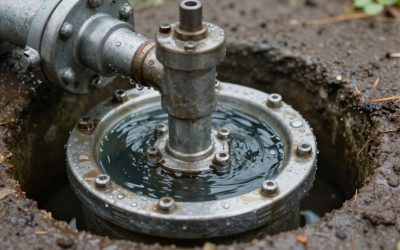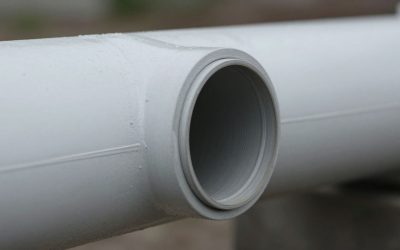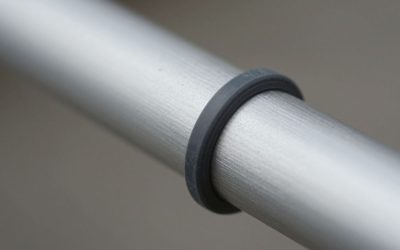
When it comes to getting water from underground, you’ve got wells. And on top of those wells, you need seals. But not all seals are the same, especially when you’re talking about a well for your house versus a big one for a factory. The Role of Well Seals in Residential vs Commercial Wells really comes down to what the well is used for and what kind of protection it needs. Let’s break down what makes them different.
Key Takeaways
- Well seals are vital for keeping your water clean by blocking out dirt, bugs, and other unwanted stuff from getting into the well.
- For homes, seals are often simpler and easier for folks to install themselves, focusing on basic protection and pressure.
- Commercial wells, on the other hand, need tougher seals that can handle more weight, meet strict rules, and last a really long time under heavy use.
- Putting in a well seal the right way is super important, and for bigger commercial jobs, it’s usually best to get a pro involved.
- When a well is no longer needed, proper sealing and plugging procedures are critical to stop it from becoming a pathway for contamination into the ground or buildings.
Understanding Well Seal Components and Function
The Role of Well Seals in Water Quality Protection
So, what exactly is a well seal and why is it so important? Think of it as the gatekeeper for your well water. Its main job is to keep the bad stuff out and the good water in. When you have a well, especially one that’s not buried deep underground, you need a way to close off the top of the casing. This is where the well seal comes in. It creates a barrier, stopping things like dirt, bugs, and surface water from getting into your well and messing with your water quality. Without a proper seal, your water source is basically an open invitation for all sorts of contaminants. It’s a pretty simple concept, but it makes a huge difference in keeping your water safe to drink.
Materials Used in Well Seal Construction
Well seals aren’t usually made of just one thing. They’re typically a combination of parts designed to work together. You’ve got a top plate and a bottom plate, often made from sturdy materials like steel, cast iron, or even tough plastic. Then there’s the packer, which is usually made of rubber or a similar flexible material. This packer is the part that actually squishes against the inside of the well casing to make that watertight seal. The plates are held together by bolts. When you tighten these bolts, they squeeze the packer, forcing it to expand and create a tight fit. The choice of material for the plates can depend on a few things, like how much weight the seal needs to hold and what local rules might say.
Load-Bearing Capacity of Different Seal Materials
When you’re picking out a well seal, you can’t just grab any old one. You’ve got to think about what it needs to hold up. Steel seals are generally the strongest and can handle the most weight, which is good for deeper wells or situations where there’s a lot of equipment hanging down. Cast iron and plastic seals are also common, but they usually can’t support as much weight. It’s really important to figure out the total weight of everything that will be hanging from the seal – that includes the drop pipe, the pump itself, the electrical cable, and of course, the water inside the pipe. If you get a seal that’s not strong enough, you could end up with a real problem down the line. It’s always better to be safe and choose a seal that’s rated for more weight than you think you’ll need.
Here’s a quick look at typical load capacities:
| Material | Typical Load Capacity (lbs) | Notes |
|---|---|---|
| Steel | 1,000 – 5,000+ | Strongest, good for heavy-duty applications |
| Cast Iron | 500 – 2,000 | Good balance of strength and cost |
| Plastic | 200 – 1,000 | Lighter duty, cost-effective |
Residential Well Seal Applications
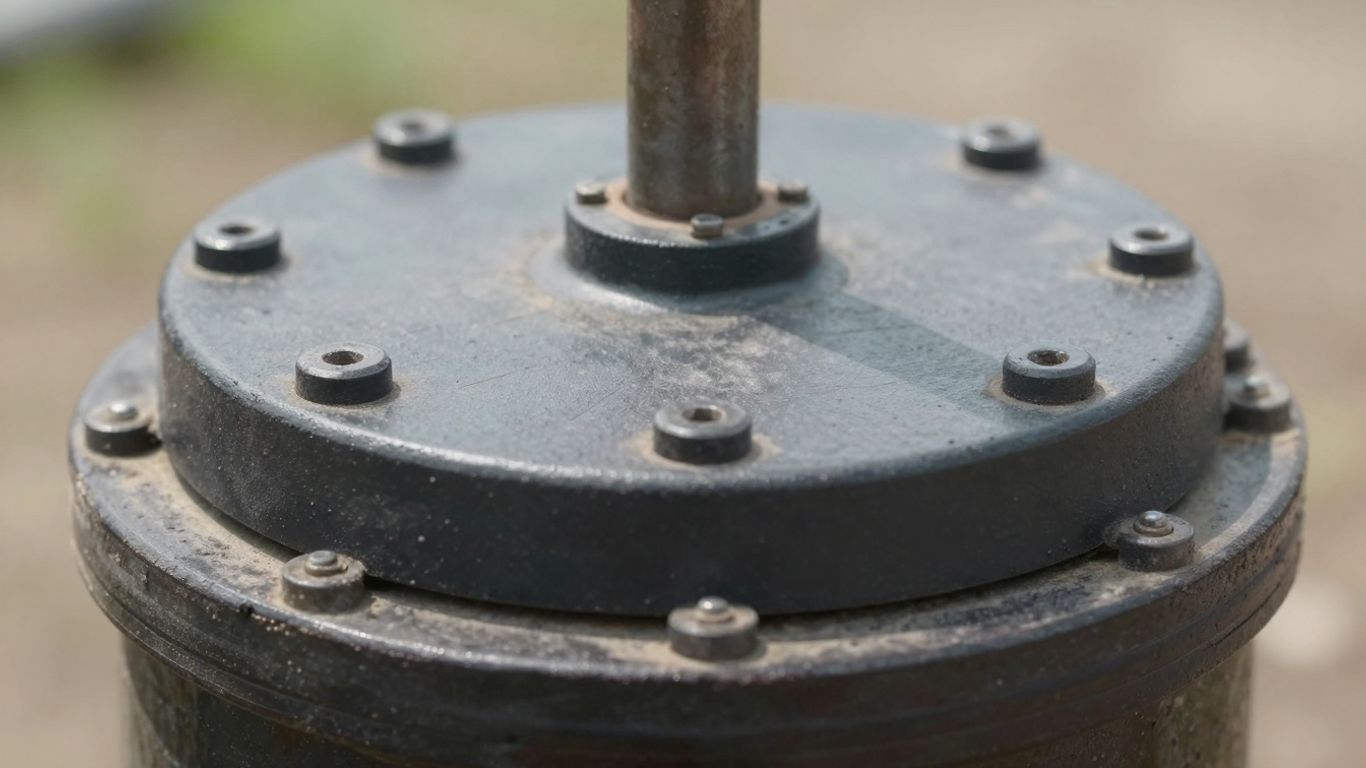
When it comes to keeping your home’s water supply clean and safe, the well seal plays a surprisingly big role. For homeowners, the focus is often on simplicity and effectiveness. You want something that does its job without a lot of fuss or complicated installation.
Ease of Installation for Homeowners
One of the best things about well seals for residential use is how straightforward they are to put in. Most residential well seals are designed for DIY-friendly installation, meaning you might not even need to call in a professional. They typically come as a kit with a top plate, a bottom plate, and a rubber or plastic packer. You just slip it over the pipe, position it on top of the well casing, and tighten the bolts. This action squeezes the packer, creating a snug, watertight fit inside the well casing. It’s pretty neat how a few bolts can make such a difference.
Protection Against Surface Contaminants
Your well is a direct line to your drinking water, so keeping gunk out is a top priority. A well seal acts as a barrier, preventing things like dirt, insects, and rainwater from getting into the well casing. This is super important for maintaining water quality. Without a proper seal, all sorts of unwanted stuff could find its way down, potentially contaminating your water supply. It’s a simple but effective way to protect your water from the outside world.
Ventilation and Pressure Control in Residential Wells
Many residential well seals also include a port for a vent. This might seem minor, but it’s actually pretty important. A vent allows air to move in and out of the well casing as the water level changes. This prevents pressure buildup or a vacuum from forming, which could otherwise damage your pump or the well system itself. Some setups might also use the seal area to connect to pressure tanks or other components, making it a central point for managing your well’s operation.
Commercial Well Seal Considerations
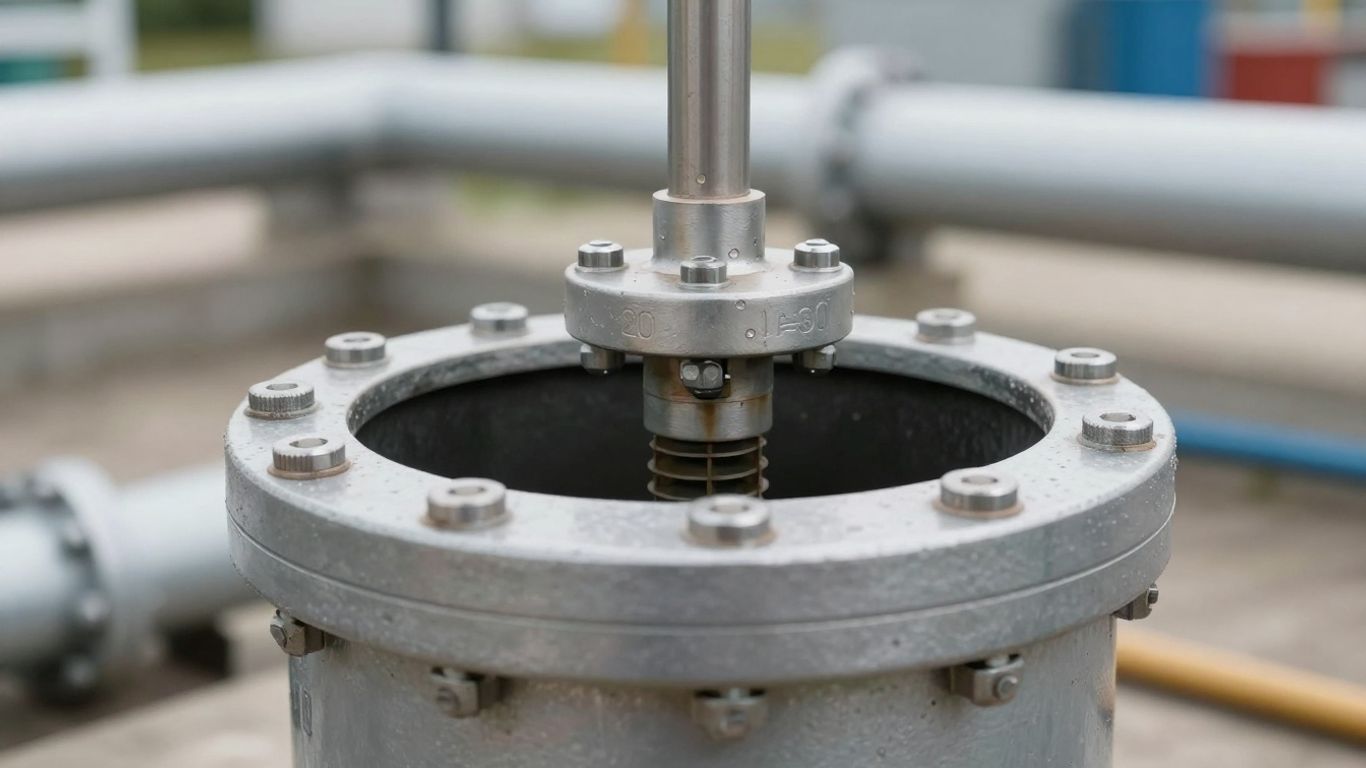
When you’re dealing with commercial wells, things get a bit more serious than your average backyard setup. These aren’t just for a garden hose; they’re often supplying water for businesses, industries, or even whole communities. That means the well seals have a tougher job and have to meet some pretty strict rules.
Meeting Stringent Regulatory Requirements
Commercial operations usually have to follow specific regulations set by local, state, or even federal agencies. These rules are all about making sure the water is safe and the well system is reliable. For well seals, this often means they need to be made of certain materials, be a specific type (like a sealed cap instead of a vented one), and be installed in a very particular way. It’s not just about keeping dirt out; it’s about preventing any kind of contamination from getting into the water supply, which could have big consequences for public health and business operations. Think about it – a business that can’t supply safe water can’t operate. So, compliance isn’t optional; it’s a must.
Handling Heavier Loads and Industrial Conditions
Commercial wells often have bigger pumps, more complex piping, and are just generally under more stress than residential ones. This means the well seals need to be built tough. They have to support more weight from the equipment hanging down in the well and withstand higher pressures. Unlike some residential setups where a lighter-duty seal might do the trick, commercial applications often call for heavy-duty steel seals. These are designed to take a beating and keep working, even in demanding environments. The materials used and the design of the seal have to account for the total load, including the pump, pipes, and the water itself, especially in deep wells.
Long-Term Durability and Maintenance
Because commercial wells are so important, their seals need to last. Replacing a seal on a big commercial well is a much bigger job than on a home well. So, durability is key. This means choosing seals made from robust materials that won’t corrode or break down easily, even with constant use. Regular checks and maintenance are also a big part of keeping these systems running smoothly. It’s not a ‘set it and forget it’ kind of deal. Keeping an eye on the seal, making sure it’s still tight, and checking for any signs of wear or damage can prevent costly breakdowns and ensure the well keeps providing water reliably for years to come. Sometimes, a simple inspection can save a lot of headaches down the road.
Installation and Maintenance Best Practices
Proper Seating and Tightening of Well Seals
Getting the well seal seated right is pretty important. You don’t want it crooked or anything. It needs to sit flush against the well casing and the foundation or pitless adapter. A good seal prevents all sorts of nasty stuff from getting into your water supply. Think about it – if there’s a gap, rain water, dirt, bugs, you name it, can just waltz right in. For most standard seals, you’ll use bolts to tighten it down. The trick is to tighten them evenly, going in a star pattern, kind of like changing a car tire. This makes sure the pressure is distributed evenly. Over-tightening can actually damage the seal or the casing, and not tightening enough leaves you vulnerable. It’s a balance, really.
Integrating Seals with Other Wellhead Components
The seal isn’t just a standalone thing; it works with other parts of the wellhead. You’ve got the casing, the cap, maybe a pitless adapter, and the pressure tank system. All these pieces need to play nice together. The seal is often the bridge between the well casing and whatever is above it, like a pump or a control box. Making sure the seal’s dimensions match the casing and that it doesn’t interfere with pipe connections or electrical conduits is key. It’s like building with LEGOs; everything has to fit properly for the structure to be stable.
Importance of Professional Installation for Commercial Sites
While some homeowners might tackle a simple residential seal replacement themselves, commercial wells are a different ballgame. These systems are often larger, handle more volume, and have stricter rules to follow. Hiring a licensed well contractor isn’t just a suggestion; it’s usually a requirement. They have the tools, the knowledge, and the experience to deal with heavier loads and complex setups. Plus, they know all the local regulations and can make sure everything is up to code. Trying to cut corners here can lead to big problems down the road, like contamination issues or system failures, which are way more expensive to fix than getting it done right the first time.
For commercial operations, the stakes are higher. A well failure can mean significant downtime and financial loss. Professional installation minimizes these risks and ensures the system operates reliably for years to come.
Here’s a quick rundown of what professionals consider:
- Site Assessment: Evaluating the wellhead conditions and surrounding environment.
- Material Selection: Choosing seals that meet specific load and environmental demands.
- Regulatory Compliance: Adhering to all local, state, and federal water quality standards.
- System Integration: Ensuring the seal works harmoniously with pumps, controls, and distribution lines.
Maintenance is also a big part of it. Regular checks, even for commercial sites, can catch small issues before they become major headaches. This might involve looking for cracks, checking the tightness of bolts, and making sure there’s no sign of leakage or corrosion.
Well Decommissioning and Sealing Procedures
So, you’ve got an old well that’s no longer in use. What do you do with it? You can’t just leave it sitting there. It needs to be properly decommissioned, which basically means plugging and sealing it up tight. This isn’t just about tidying up the yard; it’s really important for preventing any nasty stuff from getting into the groundwater or for keeping people and animals from accidentally falling in.
Abandonment Barriers and Plugging Materials
When it comes time to seal off a well, you’ve got a few options for what to use as a barrier. The goal is to create a solid plug that stops anything from moving through the well. Common materials include cement or concrete, which create a very durable seal. Bentonite, in chip, pellet, granule, or powder form, is another popular choice. It swells up when it gets wet, forming a watertight barrier. Sometimes, a combination of materials is used to get the best protection.
Sealing Large Diameter Wells
Larger wells, like those used for commercial purposes or older, hand-dug wells, can present a bit more of a challenge. The process is similar, but you’ll likely need more material to fill the space. It’s also really important to make sure any old casing or screens are removed if possible. Leaving them in can sometimes create weak spots or pathways for contaminants. The idea is to fill the entire void from the bottom up.
Preventing Pathways for Contaminants
This is the main reason we seal wells. An old, open well can act like a direct pipe from the surface down to your aquifer. Rainwater, surface runoff, chemicals from your yard, or anything else on the ground can seep down into the well and contaminate the water supply for you and your neighbors. Even old pipes or conduits leading away from the well need to be sealed off too, so they don’t become a highway for pollution. Proper sealing means making sure there are no easy routes for contaminants to travel.
Here’s a general rundown of the steps involved:
- Site Assessment: First, gather any old records you have about the well. Knowing its depth, diameter, and what kind of ground it goes through helps plan the job.
- Clean Out: Remove any old equipment, debris, or collapsed casing from the well.
- Install Barrier: Place your chosen plugging material (like cement or bentonite) in the well. For cement, it needs time to set. Bentonite needs to be hydrated.
- Surface Seal: The top 2 meters (about 6.6 feet) of the well opening must be sealed off, often with bentonite and then topped with soil or other local material.
- Documentation: Fill out and submit a well record to the proper authorities. This is your proof the job was done right.
When you’re decommissioning a well, think of it like closing a door that should never be opened again. You want to make sure it’s locked, bolted, and completely sealed so nothing unwanted can get in or out. It’s about protecting the water we all rely on.
Wrapping It Up
So, we’ve looked at how well seals work for homes versus big businesses. It’s clear that while the basic idea is the same – keeping stuff out and water in – the scale and the rules can be pretty different. Residential wells might use simpler seals, often focusing on keeping out bugs and dirt for a family’s water. Commercial wells, though, often deal with bigger systems, heavier loads, and stricter regulations, meaning their seals need to be tougher and more robust. Whether it’s a small house or a large facility, making sure that well opening is properly sealed is a big deal for water safety and the environment. It’s not just a cap; it’s a critical part of the whole water system.
Frequently Asked Questions
What is a well seal and why is it important?
A well seal is like a cap for your well that keeps the water clean. It stops dirt, bugs, and other yucky stuff from getting into the water you drink. It’s really important for making sure your water is safe.
Are well seals different for homes and businesses?
Yes, they can be! Homes usually have simpler seals that are easy to put on. Businesses, especially those with big wells or that need to follow strict rules, might need stronger seals that can handle more weight and last a very long time.
What are well seals made of?
Well seals are often made from strong stuff like steel, cast iron, or tough plastic. The part that seals the well is usually made of rubber or a soft plastic. The type of material used depends on how much weight it needs to hold and what the rules are in the area.
Can I install a well seal myself?
For a home well, it’s often pretty simple, and some homeowners can do it. But for bigger, commercial wells, it’s usually best to have a professional do it to make sure it’s done right and meets all the requirements.
What happens when a well is no longer used?
When a well is old and not needed anymore, it needs to be properly sealed up, which is called decommissioning. This involves filling it with special materials like bentonite clay or sand to make sure it doesn’t let any pollution seep into the ground or water sources.
How do well seals help protect water quality?
Well seals act as a barrier. They create a tight seal around the top of the well casing, preventing anything from the surface – like rainwater runoff, chemicals, or even small animals – from falling into the well and making the water unsafe to drink.