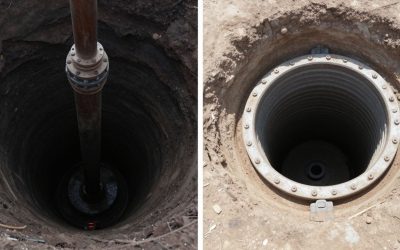
Your home’s water comes from a well, right? It’s easy to forget about that system buried underground until something goes wrong. One part that can cause a lot of trouble if it fails is the well seals. These seals keep your water clean and your system working right. So, what are the Common Signs It’s Time to Replace Your Well Seals? Let’s break it down.
Key Takeaways
- Noticeable changes in your water pressure, like sudden drops or unexpected surges, can point to seal issues.
- If your water suddenly looks cloudy, has bits in it, or smells off, your seals might be failing.
- Strange sounds coming from your well pump, such as grinding or running constantly, are a big red flag.
- Look for visible damage around your wellhead, like cracks, leaks, or rust on metal parts.
- Problems with appliances, staining, or higher energy bills can also signal that your well seals need attention.
Unusual Water Pressure Fluctuations
Have you noticed your water pressure acting like a roller coaster lately? One minute it’s strong, the next it’s barely a trickle. This kind of inconsistency is a big red flag that your well seals might be on their way out. When your well seals start to fail, they can no longer maintain a consistent seal between the well casing and the surrounding earth, leading to all sorts of pressure problems. It’s not just annoying; it can signal a more serious issue with your water system.
Sudden Drops in Water Pressure
This is often the first thing homeowners notice. You turn on the shower, and instead of a steady stream, you get a weak flow that fades fast. Or maybe your washing machine starts filling slowly, taking forever. This sudden loss of pressure can happen because the failing seals are allowing water to escape from the system before it reaches your pipes, or they’re letting air into the lines, which really messes with the pressure.
Intermittent Pressure Surges
On the flip side, you might experience sudden bursts of high pressure. This can be just as problematic as low pressure. It might happen when the pump tries to compensate for a leak or a loss of prime, overshooting the normal pressure range. These surges can put a lot of stress on your pipes and appliances, potentially causing damage over time.
Inconsistent Water Flow
It’s not always about dramatic drops or surges. Sometimes, it’s just a general feeling that the water flow isn’t right. You might notice it when you’re trying to fill a bathtub, and the water level seems to rise unevenly, or when you’re watering the garden, and the hose pressure fluctuates without you touching the nozzle. This unpredictable flow is a classic sign that something is off with the system’s ability to hold pressure, and the seals are a prime suspect.
When you start seeing these kinds of pressure changes, it’s easy to blame the pump or a clogged pipe. But often, the problem starts lower down, right where the well meets the ground. Those seals are doing a tough job, and when they wear out, the whole system feels it.
Think about it: your well system is designed to keep water contained and pressurized. If the seals aren’t doing their job, water can seep out, or air can get in. This means your pump has to work harder and more erratically to try and keep up, leading to those frustrating pressure swings you’re experiencing.
Changes in Water Quality
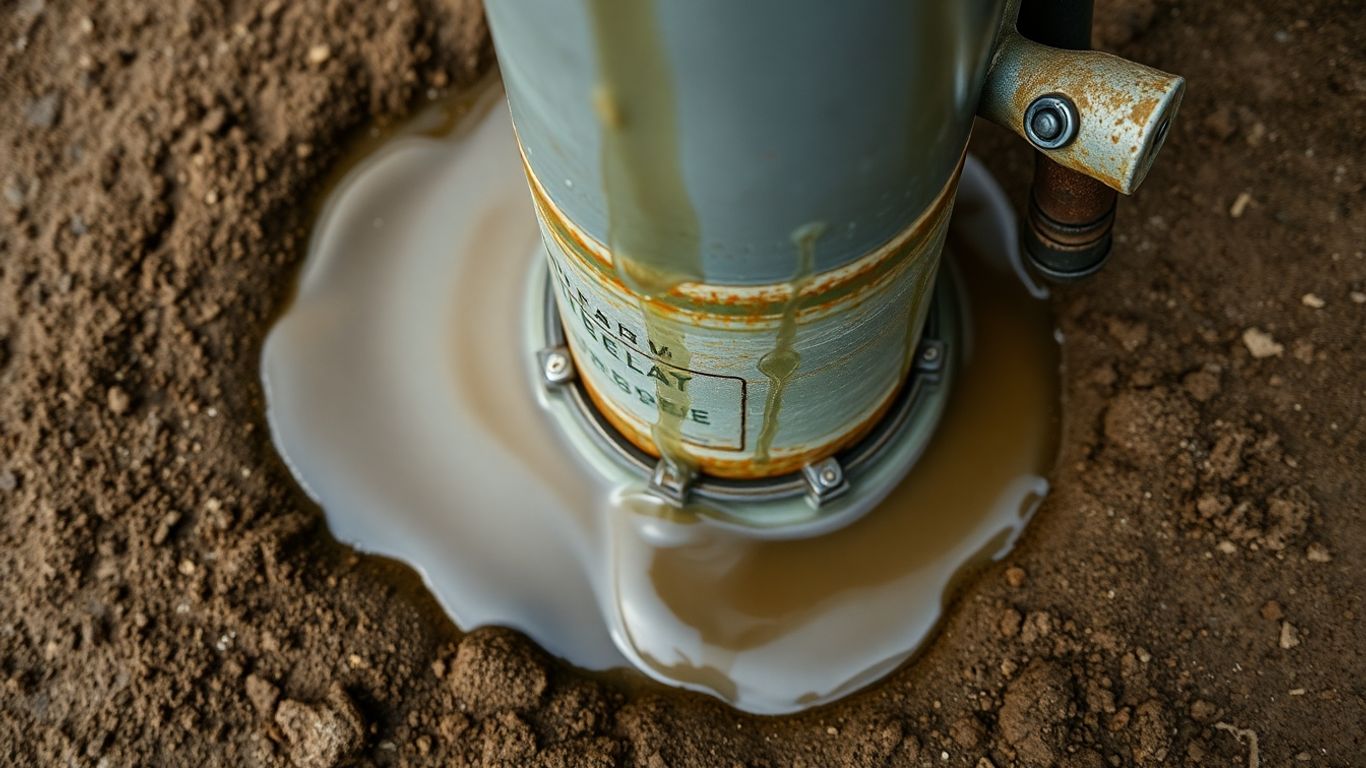
Sometimes, the first sign that something’s up with your well seals isn’t a noise or a pressure drop, but what comes out of your faucet. Your water’s appearance, smell, or taste can tell you a lot about the health of your well system. If you’re noticing any of these changes, it’s worth investigating.
Cloudy or Discolored Water
Seeing cloudy water is never a good sign. It could mean a few things are happening underground. Maybe fine sediment is getting past your well screen, or perhaps there’s some kind of contamination seeping in. If it’s brown or reddish, iron or manganese might be present, which can happen if seals are compromised and allow surface water to mix with groundwater. Yellowish water could indicate dissolved organic matter, also a sign of potential breaches.
Presence of Sediment or Debris
Are you finding grit or small particles in your water? This is a pretty direct indicator that your well’s protective seals might be failing. When seals degrade, they can break down, or they might allow surrounding soil and debris to enter the well casing. You might see this as a fine silt at the bottom of a glass of water, or worse, it could be getting into your pipes and appliances.
Unpleasant Odors
Water that smells off is a big red flag. A sulfur or rotten egg smell often points to bacteria that thrive in low-oxygen environments, which can sometimes enter through compromised seals. Other smells, like a metallic or musty odor, could also signal issues with the well’s integrity or the presence of certain minerals or organic materials that shouldn’t be there.
When your well seals start to go, they lose their ability to keep the underground environment separate from your water source. This barrier is super important for keeping out contaminants like bacteria, sediment, and chemicals. A failure here means these unwanted things can more easily find their way into your drinking water supply.
Here are some common culprits when water quality changes:
- Degrading Gaskets: The rubber or plastic seals around the wellhead or casing can become brittle and crack over time due to age, UV exposure, or chemical reactions.
- Casing Damage: If the well casing itself has cracks or holes, it’s an open invitation for surface water and soil to enter.
- Improper Sealing: If the original sealing around the well was done poorly, it might not have provided adequate protection from the start, leading to gradual ingress of contaminants.
Audible Indicators from Your Well System
Sometimes, your well system will tell you it’s having trouble before you see any obvious signs. Listening closely to what’s happening around your well can give you a heads-up that something’s not quite right. These sounds are often the first warning signs that your well seals might be failing.
Strange Noises During Pumping
If you start hearing odd noises when your pump kicks on or while it’s running, it’s worth paying attention. These sounds can mean a few different things are going on internally.
- Gurgling or sputtering: This might indicate air is getting into the system, which can happen if seals are compromised and letting air in instead of just water.
- Whining or high-pitched sounds: These could point to the pump motor working harder than it should, possibly due to increased friction or strain from a failing seal.
- Knocking or banging: This is often a sign of water hammer or pressure issues, which can be exacerbated by leaks or improper sealing.
Pay attention to any new sounds your well system makes. They’re not just background noise; they’re signals from your equipment.
Constant Running of the Pump
Your well pump is designed to cycle on and off as needed to maintain water pressure. If you notice the pump seems to be running much more often than usual, or it never seems to shut off completely, that’s a big red flag. This constant activity can be a sign that the system isn’t holding pressure properly, and a leaky seal could be the culprit, allowing water to escape.
Clicking or Grinding Sounds
Clicking or grinding noises are particularly concerning. They often suggest that metal parts are rubbing together improperly, or that the pump is struggling to move water effectively. This could be due to:
- Debris getting past a faulty seal and into the pump mechanism.
- The pump cavitating because it’s not getting enough water, possibly due to a suction-side leak.
- Internal wear and tear that’s been made worse by a seal failure.
Visible Signs of Wellhead Damage
Sometimes, the problems with your well aren’t just about how the water acts or sounds. You can actually see when something’s not right with the wellhead itself. This is the part of your well system that sticks out of the ground, and it’s the first line of defense against all sorts of gunk getting into your water supply. Ignoring visible damage can lead to serious contamination issues down the road.
Cracks or Deterioration in the Casing
The casing is basically the pipe that lines your well. Over time, especially with older wells or those in areas with shifting soil, this casing can develop problems. You might notice:
- Small hairline cracks that can widen with time.
- Areas where the material looks like it’s flaking or breaking apart.
- Noticeable bowing or deformation, suggesting pressure from the surrounding earth.
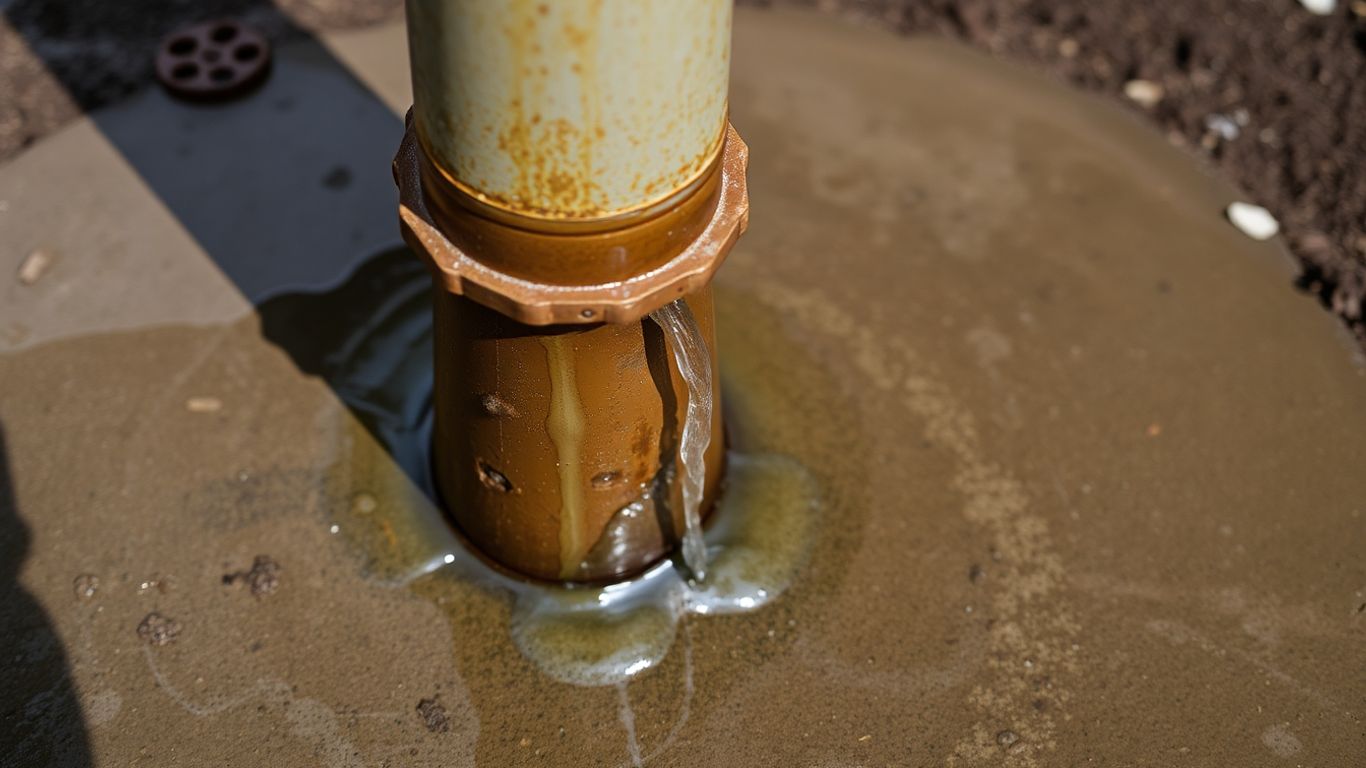
Evidence of Leaks Around the Wellhead
This is a pretty straightforward one. If you see water pooling around the base of your wellhead when it hasn’t rained, that’s a big red flag. It could mean:
- Water is seeping up from the well itself, possibly due to a compromised seal or casing.
- Surface water is finding its way down into the well annulus (the space between the casing and the borehole wall).
- There’s an issue with the cap or seal on top of the wellhead, allowing moisture to escape or enter.
Corrosion on Metal Components
Many wellheads have metal parts, like the cap, vent, or even parts of the casing itself. Rust and corrosion aren’t just ugly; they’re a sign that protective layers are breaking down. This can lead to:
- Weakening of metal parts, making them prone to breaking.
- Rust particles potentially entering the water system.
- A pathway for contaminants to enter if the corrosion is severe enough to create holes.
Pay close attention to the well cap and seal. This is designed to keep everything out, from insects and dirt to rainwater. If it’s loose, damaged, or doesn’t fit snugly, it’s an open invitation for trouble. A compromised wellhead isn’t just an inconvenience; it’s a direct threat to the safety of your drinking water.
Impact on Appliances and Fixtures
Reduced Performance of Water-Using Appliances
When your well seals start to go, it’s not just about the water pressure. You might notice your appliances that use water aren’t working quite right. Think about your washing machine – is it taking longer to fill? Or maybe your dishwasher isn’t cleaning as well as it used to. These things can happen because the water flow isn’t consistent or strong enough. It’s a sign that your well system might be struggling to deliver the water your home needs.
Staining on Sinks and Tubs
Have you seen weird rings or discoloration in your sinks and bathtubs lately? Sometimes, failing well seals can let in sediment or minerals that weren’t there before. This can lead to those stubborn stains that are hard to scrub away. It’s not just unsightly; it can also be a hint that something’s not right with how your water is being filtered or contained.
Frequent Need for Plumbing Repairs
If you’re calling the plumber more often than you used to, it might be connected to your well. Things like:
- Water heaters not heating properly
- Toilets that run constantly or don’t fill right
- Leaky faucets that seem to appear out of nowhere
These issues can pop up when the water pressure is all over the place or when there’s debris getting into the lines. It’s like your whole plumbing system is under extra stress.
Sometimes, the problems with your well seals don’t announce themselves with a big, obvious leak. Instead, they show up as a series of smaller, annoying issues around the house. Paying attention to how your appliances and fixtures are behaving can give you an early warning before things get really bad.
Increased Energy Consumption
Have you noticed your electricity bill creeping up lately, especially the part that seems tied to your well pump? That’s not just a coincidence. A struggling well seal can force your pump to work much harder than it should, leading to a noticeable jump in energy use. It’s like asking someone to carry a heavy load up a hill without proper support – they’ll tire out faster and need more energy to get the job done.
Higher Electricity Bills Related to Pumping
When your well seals start to fail, water can leak back into the well or the pump might struggle to maintain pressure. This means the pump has to run for longer periods to try and keep up with demand, or it might cycle on and off more frequently. Both scenarios translate directly into more electricity being consumed. You might not think a little leak makes a big difference, but over time, it adds up. That extra run time for the pump is burning through power, and you’re the one footing the bill.
Pump Working Overtime
Think about what happens when your well pump is constantly running. It’s not designed for that kind of continuous strain. A healthy system should have periods of rest. But if the seals are compromised, the pump might be trying to fill a leaky pipe, push against a drop in pressure, or simply work against increased friction. This constant effort is what we mean by the pump ‘working overtime.’ It’s a sign that something is off, and the pump is expending more energy than necessary just to do its basic job.
It’s easy to overlook the subtle signs of a well system issue when they don’t involve a complete breakdown. However, an increase in your energy costs, specifically related to your water pump, is a significant indicator that your well seals might be compromised. This isn’t just about saving money; it’s about preventing premature wear and tear on a vital piece of equipment.
Here are some specific ways a failing seal impacts your pump’s energy use:
- Constant Cycling: The pump turns on and off more often than usual because it can’t hold pressure.
- Extended Run Times: The pump stays on for longer durations to compensate for leaks or inefficiencies.
- Increased Heat Generation: Overworked pumps generate more heat, which is a byproduct of wasted energy.
- Reduced Efficiency: The pump simply becomes less effective at moving water, requiring more power for the same output.
Wrapping It Up
So, keeping an eye on your well seals is pretty important. If you’ve noticed any of those weird smells, strange tastes in your water, or even just a drop in pressure, it might be time to look closer. Ignoring these signs can lead to bigger problems down the road, and nobody wants that. It’s usually better to get a professional to check things out rather than trying to fix it yourself, especially if you’re not sure what you’re doing. A quick inspection now could save you a lot of hassle and money later on. Don’t wait until your water supply is seriously affected.
Frequently Asked Questions
What exactly are well seals, and why do they matter?
Think of well seals like the waterproof “gaskets” for your well. They’re super important because they keep yucky stuff like dirt, bugs, and bad water from getting into your clean drinking water supply. When they wear out, your water could get dirty or unsafe.
How often should I check my well seals?
It’s a good idea to give your well system a once-over every year or so. Look for any obvious problems like cracks or leaks. If you notice any of the warning signs in the article, it’s definitely time for a closer look, maybe even by a pro.
Can I fix well seals myself?
For minor things, maybe. But honestly, messing with well seals can be tricky and important for keeping your water safe. It’s usually best to call a professional well technician. They have the right tools and know-how to do the job right.
What happens if I ignore bad well seals?
Ignoring worn-out seals can lead to a whole host of problems. Your water quality could drop, making it unsafe to drink. Your pump might work harder than it needs to, costing you more on electricity bills. Plus, it could damage other parts of your well system.
Are there different types of well seals?
Yes, there are! The exact type depends on your well’s setup. Some are “pitless adapters” that connect your house pipes below the frost line, while others might be simpler “well caps” or “well seals” on top. The main goal is always the same: keep contaminants out.
How much does it cost to replace well seals?
The cost can vary a lot depending on what needs to be done and where you live. Simple repairs might be less, but if a major part needs replacing or a professional needs to do a lot of work, it could cost a few hundred dollars or more. Getting a few quotes from different companies is a smart move.