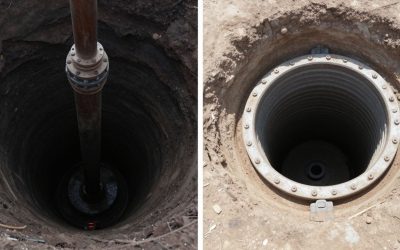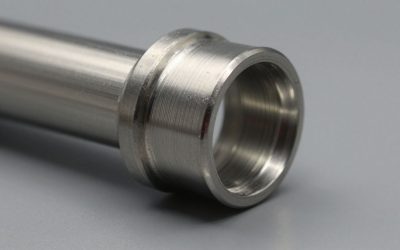
Your well pump is a pretty important piece of equipment, right? It’s what gets water to your house. And honestly, most of us don’t think about it much until something goes wrong. But there are things you can do to keep it running smoothly for a long, long time. It turns out, those little seals inside your pump play a bigger role than you might think in how long the whole thing lasts. Let’s talk about how keeping those seals in good shape can really extend the life of your well pump.
Key Takeaways
- Regularly scheduled maintenance, like checking seals and other parts, can prevent big problems down the road and save you money. It’s way cheaper to do upkeep than to fix a broken pump.
- Keeping an eye on things like shaft wear, weird vibrations, and making sure the pump is properly aligned can tell you a lot about its health before it gets serious.
- Running your pump correctly, meaning not too fast or too slow, and avoiding situations where it runs without water (dry runs), is super important for its lifespan.
- Protecting your pump from bad water quality, like sediment or minerals, and making sure it gets steady electricity can stop damage before it starts.
- Replacing worn-out seals is a straightforward fix that stops leaks, keeps contaminants out, and helps your pump work better and last longer.
Understanding Well Pump Seals
The Critical Role Of Seals In Well Pumps
Think of the seals in your well pump like the gaskets in your car’s engine. They’re small, often overlooked, but absolutely vital for keeping everything running smoothly and preventing bigger problems down the line. These seals are the frontline defense against leaks and contamination. They create a barrier, stopping water from getting into places it shouldn’t, like the motor, and also preventing the water you want to use from escaping the system. Without good seals, you’re looking at a whole host of issues, from reduced pump performance to potential damage to the pump’s electrical components.
How Seals Prevent Contamination And Leaks
So, how exactly do these little guys do their job? Well pump seals typically consist of a few key parts, often including stationary and rotating rings that rub against each other. This close contact, usually with a thin film of water between them, creates a seal. This barrier is what keeps the pressurized water inside the pump casing and prevents it from leaking out along the shaft. It also stops dirt, sediment, and other unwanted gunk from getting into the pump and contaminating your water supply or damaging internal parts. It’s a pretty neat bit of engineering, really.
Here’s a quick look at what seals keep out and in:
- Keeps Out: Dirt, sand, debris, and other particles from the well.
- Keeps Out: Air, which can cause cavitation and damage.
- Keeps In: Pressurized water within the pump housing.
- Keeps In: Lubrication for moving parts.
When seals start to fail, you might notice water around the pump base or a drop in water pressure. These are early signs that the seal’s protective function is compromised.
The Impact Of Worn Seals On Pump Performance
When seals get worn out, it’s not just about a little drip. It can really mess with how your pump works. For starters, leaks mean the pump has to work harder to maintain pressure, which uses more electricity. This off-design operation can lead to other problems, like increased vibration. Vibration is a real killer for pumps; it can wear down bearings and other components much faster than normal. Plus, if contaminants get in, they can cause all sorts of internal damage, leading to reduced efficiency and eventually, a complete pump failure. It’s a domino effect, and it all starts with those seals.
Proactive Maintenance Strategies For Longevity
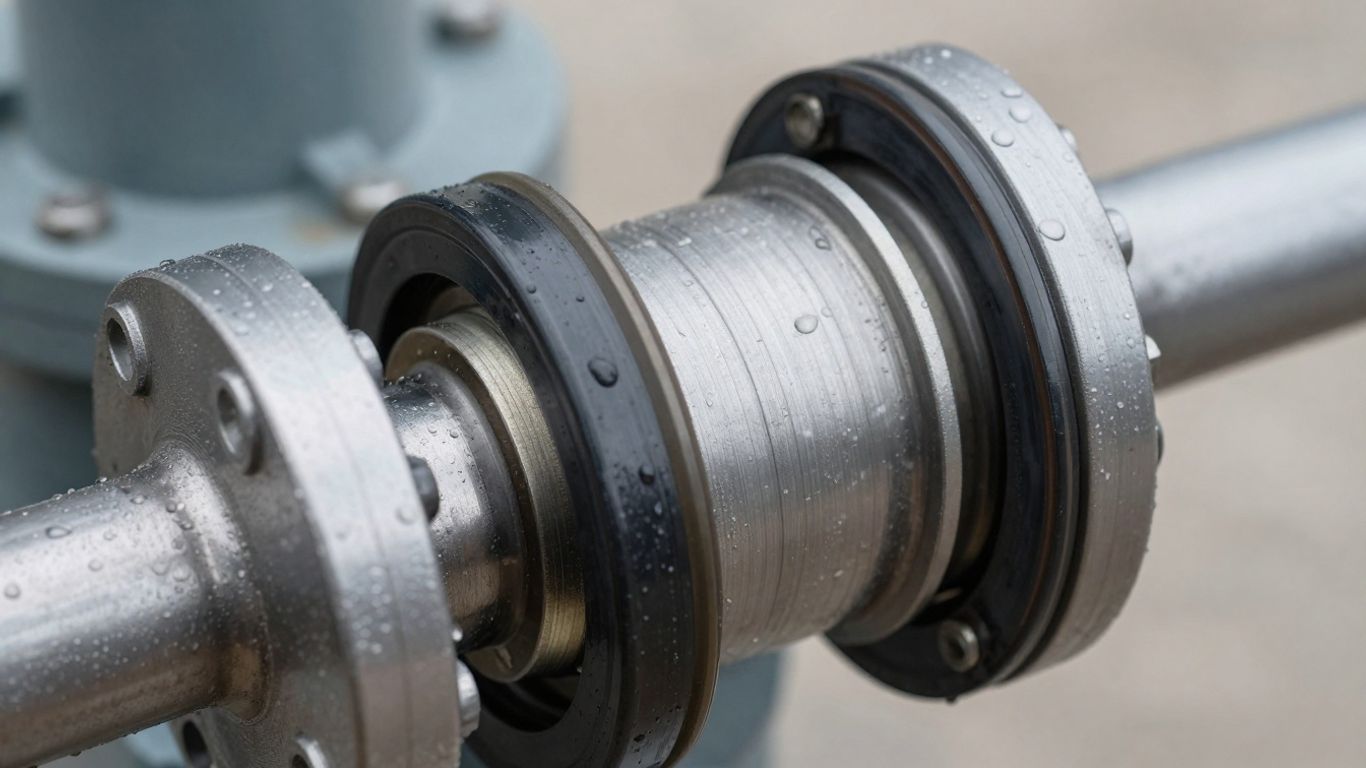
Thinking about your well pump’s future is smart. Instead of waiting for something to break, which can be a real headache and cost a fortune, let’s talk about keeping things running smoothly. It’s all about being a step ahead.
Implementing A Preventive Maintenance Schedule
This is where you get organized. Think of it like regular check-ups for your car, but for your well pump. You set up a plan for when to do certain tasks, like checking fluid levels or looking for any obvious wear and tear. It doesn’t have to be complicated. A simple calendar reminder can work wonders.
- Regular Inspections: Set aside time, maybe quarterly or semi-annually, to visually check the pump and its connections.
- Lubrication Checks: Make sure bearings and any moving parts are properly lubricated according to the manufacturer’s recommendations.
- Seal Condition: Keep an eye on the seals. If they look worn or are starting to leak, it’s time to think about replacing them before they cause bigger problems.
Sticking to a schedule like this means you catch small issues before they turn into big, expensive repairs. It’s the sweet spot for keeping your pump happy and efficient.
Leveraging Predictive Maintenance For Early Detection
This is a bit more high-tech. Instead of just looking at things on a schedule, predictive maintenance uses tools and data to guess when a problem might pop up. Think sensors that monitor vibrations or temperature. If something starts acting weird, you get an alert. This lets you fix it before it breaks down completely.
- Vibration Analysis: Unusual shaking can point to issues like misalignment or worn bearings. Sensors can pick this up early.
- Temperature Monitoring: Overheating is a common sign of trouble. Keeping tabs on the pump’s temperature can warn you of potential motor or bearing problems.
- Performance Data: Modern pumps can often report on flow rates and pressure. Deviations from normal can indicate internal wear or blockages.
While the initial setup might cost a bit more, the savings from avoiding major breakdowns and unexpected downtime can be huge.
The Importance Of Regular Professional Inspections
Sometimes, you just need a pro. Even with your own checks, a qualified technician has the experience and specialized tools to spot things you might miss. They can perform more in-depth diagnostics and give you a clear picture of your pump’s health. Don’t underestimate the value of their trained eye and ear.
Getting a professional to look over your pump system annually, or whenever you notice something a bit off, can save you a lot of grief down the line. They know what to look for and can often spot subtle signs of wear that indicate a future problem.
Think of these inspections as a second opinion for your pump’s health. They help confirm that everything is running as it should or highlight areas that need attention before they become critical failures.
Key Indicators Of Pump Health
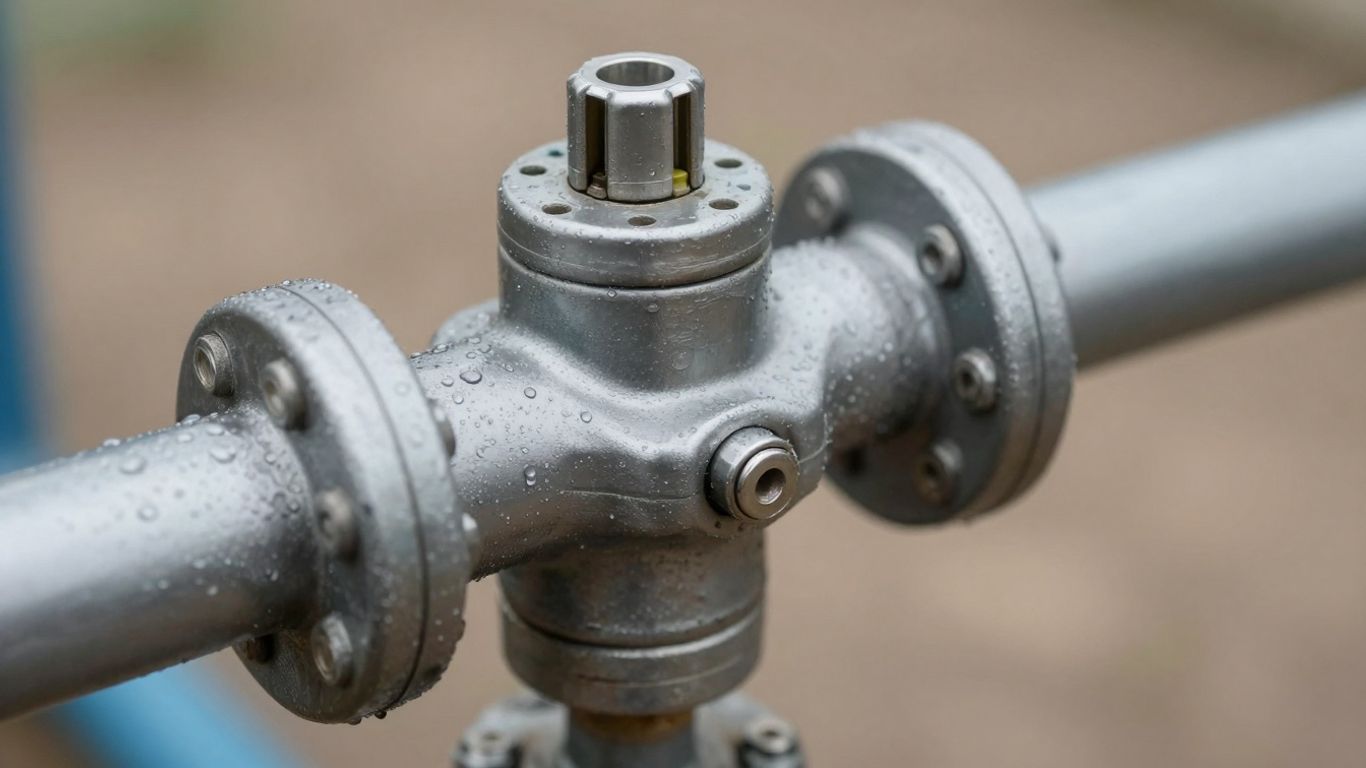
Keeping an eye on your well pump’s health is like checking in with an old friend – you want to catch any little issues before they turn into big problems. Ignoring the signs can lead to costly repairs and downtime, which nobody wants. So, what should you be looking for?
Monitoring Shaft Wear And Its Consequences
The shaft is kind of the backbone of your pump. Over time, especially if the pump is running outside its ideal range or if there’s grit in the water, the shaft can start to wear down. This wear might not seem like a big deal at first, but it can mess with the bearings and eventually lead to more serious damage. Paying attention to shaft wear is a good way to catch problems early.
Addressing Excessive Vibrations For Optimal Operation
Does your pump sound like it’s having a rough day? Excessive shaking or vibration is a big red flag. It often points to a bent shaft or something being out of alignment. If you let this go, those vibrations can really beat up other parts of the pump, shortening its life. It’s like constantly rattling a loose screw – eventually, something’s going to give.
Ensuring Proper Lubrication For Bearing Health
Bearings need the right amount of lubrication to do their job. Too little, and they can seize up from friction, which is bad news. Too much, and you can end up with overheating or leaks. Keeping an eye on the lubrication levels is a simple but really important step in keeping your pump running smoothly for a long time. It’s one of those things that’s easy to forget, but makes a huge difference.
Think of these indicators as your pump’s way of talking to you. A little bit of noise, a slight shake, or a change in how it feels can tell you a lot if you know what to listen and look for. Catching these early means less hassle and more reliable water.
Optimizing Pump Operation For Extended Life
So, you’ve got a well pump, and you want it to keep chugging along for as long as possible. That’s smart! It’s not just about picking the right pump and installing it perfectly, though that’s a big part of it. How you actually use the pump day in and day out makes a huge difference. Think of it like driving a car – you can have a great car, but if you’re constantly redlining it or never changing the oil, it’s not going to last.
The Significance Of Proper Pump Sizing
This might seem obvious, but picking a pump that’s too small or too big for the job is a common mistake. If a pump is undersized, it has to work way too hard, all the time. This means it’s running at a higher speed than it was designed for, which puts a lot of stress on the motor and internal parts. It’s like trying to haul a massive load with a tiny truck – something’s bound to break. On the flip side, an oversized pump might cycle on and off too frequently, which isn’t great for the motor either, and it can be really inefficient with energy.
Operating Your Pump At Its Best Efficiency Point
Every pump has a sweet spot, often called the Best Efficiency Point (BEP). This is where the pump does its job – moving water – using the least amount of energy and causing the least amount of wear. You can usually find this information on the pump’s performance curve, which is a chart that shows how the pump behaves at different flow rates and pressures. Staying close to the BEP is key for both saving money on electricity and making your pump last longer. When a pump operates far from its BEP, it can lead to problems like cavitation (tiny bubbles forming and collapsing, which damages parts) or just general strain on the system.
Here’s a quick look at what the BEP means:
- Flow Rate: How much water the pump moves.
- Head (Pressure): The resistance the pump works against.
- Efficiency: How much energy is used to move the water.
Your goal is to have your system’s demands match the pump’s BEP as much as possible.
Avoiding Dry Run Situations To Prevent Damage
This is a big one, and it’s surprisingly easy to overlook. Most well pumps are designed to run with water flowing through them. Water acts as a lubricant and a coolant. When a pump runs dry, meaning there’s no water inside, things heat up fast. The seals can get damaged from the rapid temperature change, and the shaft and bearings can grind against each other without lubrication, causing serious wear. In some cases, plastic parts can even melt.
If your pump is not specifically designed for dry running, always make sure there’s enough water in the well before it kicks on. Running a pump dry is one of the quickest ways to cause expensive damage that could have been easily avoided with a little awareness.
If you’re unsure about your pump’s capabilities or if you suspect it might be running dry, it’s best to consult the manufacturer or a qualified professional. They can help you understand your pump’s limits and suggest solutions, like adding a low-water cutoff switch, to prevent this kind of damage.
Protecting Your Well Pump From Environmental Factors
Even the toughest well pumps can take a beating from the environment. Think of it like this: you wouldn’t leave your car out in a hailstorm without a cover if you could help it, right? Your well pump deserves similar consideration. Things like extreme temperatures, water quality issues, and even electrical instability can really shorten its lifespan if you’re not careful.
Managing Water Quality To Prevent Component Damage
Water isn’t always just water. Sometimes it’s got sand, silt, or even chemicals that can act like sandpaper on your pump’s insides. Over time, this abrasive stuff grinds away at impellers and seals. If your water is particularly hard or acidic, it can also cause corrosion, basically eating away at the metal parts. It’s a good idea to get your water tested periodically. If you find issues, you might need to look into filtration systems or water treatment. For wells in sandy areas, regular cleaning can help remove settled debris before it causes problems.
Stabilizing Voltage For Electrical Component Protection
Power isn’t always steady, especially in rural areas. Voltage fluctuations, whether they’re spikes or dips, can really stress out the electrical components in your pump’s motor and control box. Think of it like constantly revving a car engine too high or letting it idle too low – it’s not good for the long haul. A simple surge protector or a voltage stabilizer can make a big difference. These devices act like a buffer, smoothing out the power supply and preventing those damaging jolts. Checking your control box for worn-out parts like capacitors or relays annually is also smart. These can fail due to electrical stress.
Considering Protective Coatings For Pump Durability
For pumps that are constantly submerged, especially in aggressive water conditions, a protective coating can be a real game-changer. These coatings, often applied during manufacturing or as a retrofit, create a barrier against corrosion and abrasion. They shield the pump’s surfaces from the harsh effects of the water, whether it’s mineral-rich, acidic, or just plain dirty. It’s an extra layer of defense that can significantly extend the life of the pump’s housing and internal parts, especially if you’re dealing with challenging water chemistry.
Keeping your pump protected from the elements isn’t just about preventing immediate breakdowns; it’s about long-term reliability and avoiding costly repairs down the road. A little proactive care goes a long way in making sure your water supply stays consistent.
The Role Of Alignment And Electrical Care
Correcting Misalignment To Reduce Energy Waste
Misalignment is a sneaky problem that can really mess with your well pump’s efficiency. When the pump and motor aren’t lined up just right, it’s like trying to push a car with one wheel wobbly – it takes way more effort. This extra effort means your pump is using more electricity than it needs to, which adds up on your power bill. Plus, it puts unnecessary stress on parts like the bearings and the shaft itself. Think of it as constantly fighting an uphill battle. Getting things aligned properly is a simple fix that can lead to noticeable savings and make your pump run smoother.
Ensuring Proper Alignment For Component Durability
Beyond just saving on electricity, keeping your pump properly aligned is super important for making its parts last longer. When things are out of whack, it causes extra shaking and vibration. This constant jiggling can wear down bearings way faster than they should, and it can even put a bend in the pump shaft over time. Seals can also suffer from this. If the shaft is vibrating or bent, the seal might not be able to do its job effectively, leading to leaks or contamination. A well-aligned system means less stress on all the moving parts, which translates directly into a longer lifespan for your pump and fewer unexpected repair bills.
Maintaining Electrical Connections For Reliable Performance
Don’t forget about the electrical side of things! Loose or corroded electrical connections can cause all sorts of headaches for your well pump. They can lead to inconsistent power delivery, which might not seem like a big deal at first, but it can stress the motor and other electrical components. This is especially true for pumps that cycle on and off frequently. Making sure all your electrical connections are clean, tight, and protected from moisture is key to reliable operation. Think of it like making sure all the wires are securely plugged in – it prevents power surges or dips that can damage sensitive parts. Regular checks of these connections can prevent bigger electrical problems down the road and keep your pump running without interruption.
Wrapping It Up
So, we’ve talked a lot about how important seals are for keeping your well pump running smoothly. It’s not just about preventing leaks; it’s about stopping gunk from getting in and generally keeping things working right. Replacing worn-out seals might seem like a small thing, but it really makes a difference in how long your pump lasts and how well it performs. Think of it like changing the oil in your car – a little effort now saves you from big headaches later. Keeping an eye on things like vibrations, making sure everything’s lined up right, and just generally paying attention to your pump’s health can add years to its life. It’s all about being a bit proactive so you don’t end up with a costly surprise down the road.
Frequently Asked Questions
What exactly do seals do in a well pump?
Think of seals as the guardians of your well pump. Their main job is to keep water and any tiny bits of dirt or gunk from leaking out of the pump. At the same time, they stop anything from the outside, like mud or bad stuff from the well water, from getting into the pump where it doesn’t belong. This keeps the pump working smoothly and the water clean.
How can worn-out seals cause problems for my pump?
When seals get old or damaged, they can’t do their job as well. This means water might start to leak out, which can make the pump work harder and use more energy. Worse, dirt and debris from the well can sneak in, grinding away at the pump’s parts like the impeller. This wear and tear can lead to the pump breaking down much sooner than it should.
What’s the difference between regular check-ups and ‘predictive’ maintenance?
Regular check-ups, also called preventive maintenance, are like scheduling oil changes for your car – you do them at set times to prevent problems. Predictive maintenance is a bit more high-tech. It uses sensors and data to listen to the pump and see how it’s feeling, trying to guess when a problem might pop up *before* it actually happens. It’s like a doctor checking your vitals to predict future health issues.
Why is it so important not to let the pump run dry?
Pumps need water to work right! When a pump runs dry, it’s like trying to run a car engine without oil. There’s nothing to keep the parts cool and slippery. The spinning parts, like the shaft and seals, get super hot from rubbing together, causing damage that can quickly ruin the pump.
How does the quality of my well water affect my pump?
The water you pump can be tough on your pump! If your water has lots of sand or tiny rocks, it acts like sandpaper, wearing down the pump’s insides. If the water has a lot of minerals or is a bit acidic, it can cause rust and clog up the pump’s parts. Keeping your water clean and balanced helps your pump last much longer.
What does ‘operating at the Best Efficiency Point’ (BEP) mean for my pump?
Every pump works best when it’s doing a specific amount of work – not too much, not too little. This sweet spot is called the Best Efficiency Point (BEP). When your pump runs at its BEP, it uses the least amount of energy to move the most water without straining itself. Staying close to this point means less wear and tear, making your pump more reliable and last longer.