You know, we don’t always think about the water coming out of our wells, but keeping it safe is a pretty big deal. There are lots of ways for stuff from the surface to get into our groundwater, and that’s no good for anyone. Fortunately, there are simple things we can do to stop that from happening. This article talks about How Well Seals Help Communities Meet Water Safety Standards and why they’re more important than you might think.
Key Takeaways
- Proper well sealing is a main way to keep groundwater from getting polluted, which directly impacts community health.
- Rules about well sealing vary by location and are designed to protect local water sources from surface contaminants.
- Seals help keep water sources pure by stopping surface dirt and chemicals from entering the well.
- Tamper-resistant seals add a layer of security, signaling if someone has tried to access a well and helping prevent unauthorized entry.
- Maintaining well integrity through good seals is vital for the long-term safety and reliability of drinking water supplies.
Understanding Well Sealing Regulations
When it comes to keeping our drinking water safe, there are rules about how wells are built and maintained. These aren’t just suggestions; they’re regulations designed to stop bad stuff from getting into the ground and then into our taps. Think of it like building codes for your house – they’re there for a reason, to keep things safe and working right.
State and Local Requirements for Well Construction
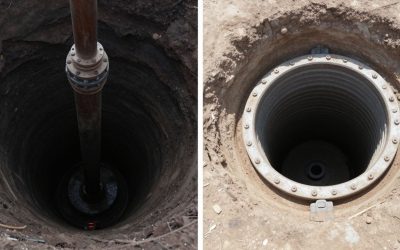
Every state, and sometimes even local counties, has its own set of rules for wells. It’s not a one-size-fits-all deal. These rules usually come from your state’s environmental protection agency or your local health department. They’ll tell you things like what materials you can use to seal the well, how deep that seal needs to go, and how to finish the top part of the well so rain and dirt don’t just wash right in. For example, some places might require a specific type of grout, like a cement-based mix or a bentonite clay slurry, to fill the gap between the well pipe and the drilled hole. Others might have detailed diagrams showing the exact way to construct the wellhead. It’s really important to check with your local authorities before you start any well work, just to make sure you’re following their guidelines. Getting this wrong can lead to problems down the road.
Compliance for Water Quality Protection
These regulations are directly linked to protecting the quality of our water. A properly sealed well acts as a barrier. It stops surface water, which can pick up all sorts of contaminants like pesticides, animal waste, or oil spills, from seeping down into the aquifer where our drinking water comes from. When a well isn’t sealed correctly, it creates an easy path for these pollutants to travel straight into the groundwater. Compliance means the well is built and kept in a way that significantly lowers the chance of contamination. This is especially true for wells that supply drinking water to homes or communities. A well that doesn’t meet the standards is basically an open invitation for bacteria, chemicals, and other harmful substances to enter the water supply.
Impact on Public Health Through Safe Water
At the end of the day, all these rules and regulations are about keeping people healthy. When groundwater gets contaminated, it can cause a whole range of health issues, from simple stomach problems to more serious long-term illnesses. By making sure wells are sealed according to the established standards, we take a big step toward making sure the water people drink is safe. It’s a bit like making sure your home’s electrical system is up to code; you expect it to be safe and reliable. Well sealing is the same idea, but it applies to the water supply for entire communities. It’s a quiet but really important part of keeping everyone healthy.
Proper well sealing is a key defense against groundwater pollution. It’s a technical requirement that has direct, real-world consequences for the safety of our drinking water and the health of our communities. Ignoring these standards can lead to costly cleanup efforts and, more importantly, pose serious risks to human well-being.
Here are some common elements found in well sealing regulations:
- Minimum seal depth: How far down the seal must extend from the surface.
- Material specifications: Approved types and properties of grout or sealing agents.
- Annular space requirements: How the space between the casing and the borehole wall must be filled.
- Surface completion: Standards for the wellhead to prevent direct entry of surface water.
- Testing and verification: Procedures to confirm the seal is effective.
The Critical Role of Seals in Water Integrity
When we talk about keeping our water safe, it’s not just about what happens at the treatment plant. It’s also about what’s happening way back at the source. That’s where well seals really step up. They’re like the first line of defense, making sure that the water we rely on hasn’t been messed with before it even gets to us.
Maintaining Confidence in Water Safety Standards
Think of a well seal as a simple, visible sign that things are as they should be. When a seal is intact, it gives us a solid reason to believe that the water meets all the safety rules we expect. It’s a straightforward way to show that the wellhead hasn’t been opened up by accident or on purpose. If, however, that seal is broken or looks like it’s been tampered with, it’s an immediate flag. This prompts a closer look, helping to keep the whole system of water safety working right, from the ground up to your kitchen tap.
Preventing Interference with Essential Water Utilities
Water isn’t just for drinking, right? It’s a utility, just like electricity or gas. Our water systems are a big part of the infrastructure we all depend on. Tamper-resistant seals on wells and other water equipment help stop people from messing with these vital points. This could be anything from someone trying to take water they shouldn’t, to more serious acts that could disrupt the flow. By making it harder for unauthorized folks to interfere, we help keep the water running reliably and safely for everyone. It’s a way to protect a service that’s pretty important every single day.
Benefits of Tamper-Resistant Seals in Practice
Using seals that are hard to mess with isn’t just about following the rules; it actually brings some pretty good advantages. They act as a clear signal to everyone involved that you’re serious about keeping things secure and honest. Here are a few points:
- Visible Indicators: The biggest plus is that these seals make it really obvious if someone has tried to mess with something they shouldn’t have. It’s not a hidden problem; it’s right there for anyone to see.
- Deterrence: Just the presence of a tamper-evident seal can make someone think twice before trying to interfere. It’s like a silent warning that tampering won’t go unnoticed.
- Consumer Confidence: When people see a seal that looks untouched, they feel more secure about the water source. It builds trust without them needing to ask questions.
These seals are more than just a piece of plastic or metal. They represent a commitment to protecting a resource that is vital for public health and daily life. Their presence helps build confidence in the entire water supply chain.
These seals can also help with tracking. Many come with unique numbers. This means you can log which seal was used on which well or piece of equipment. If something goes wrong later, you can trace it back. This helps manage inventory and makes audits smoother because you have a clear record. Ultimately, it all comes down to trust. Using these seals shows you care about quality and safety, which can lead to stronger relationships and a better reputation.
Deterrence and Security Through Well Seals
When we talk about keeping our water safe, it’s not just about what happens at the treatment plant. What about the source itself? That’s where well seals really step up. Think of them as the first line of defense, making it clear that messing with a well isn’t a simple task.
Deterrence as a Primary Function of Seals
The main job of a well seal is to make people think twice before trying to tamper with it. It’s like putting a lock on your shed – it doesn’t stop a determined thief, but it stops the casual opportunist. If someone has to break a seal, use special tools, or leave obvious signs of their attempt, they’re much more likely to just walk away and find an easier target. This discourages simple mischief or accidental damage, which can be just as bad as someone intentionally trying to cause harm. It’s about making the effort to mess with the well seem like more trouble than it’s worth for most folks.
Ensuring Public Safety Through Secure Water Sources
Keeping our water safe is a big part of public health, and it goes way beyond just making sure the water tastes good. A secure well means a secure water source. These seals aren’t just bits of plastic or metal; they’re a physical barrier that signals protection. They help maintain the integrity of the water supply, which is something we all rely on every single day. Without them, our water sources would be more vulnerable, and that’s a risk we really can’t afford to take.
Protecting Against Contamination and Unauthorized Access
Imagine a well as a direct pipeline to our drinking water. If someone can get in there without permission, they could potentially dump all sorts of unwanted things into it. We’re talking about anything from bacteria and chemicals to just plain old dirt that could make people sick. Tamper-resistant seals act like a gatekeeper. They make it really obvious if someone has tried to get in, giving us a heads-up that something might be wrong before it becomes a widespread problem. This visible warning is key to stopping unauthorized access before it leads to contamination. It’s about keeping the bad stuff out and the good water in.
Here’s a quick look at why this matters:
- Visible Warning: Seals show clear signs if they’ve been tampered with, like tears, breaks, or unusual markings.
- Discourages Casual Interference: The effort required to break or bypass a seal deters most people looking for an easy way in.
- Signals Intentional Security: The presence of a seal indicates that the wellhead is protected and access is controlled.
A broken seal isn’t just a broken piece of plastic; it’s a red flag that demands attention. It means someone may have tried to access the water source, and an investigation is needed to figure out what happened and if the water is still safe.
Preventing Contaminants from Reaching Groundwater
Preventing Surface Contaminant Entry
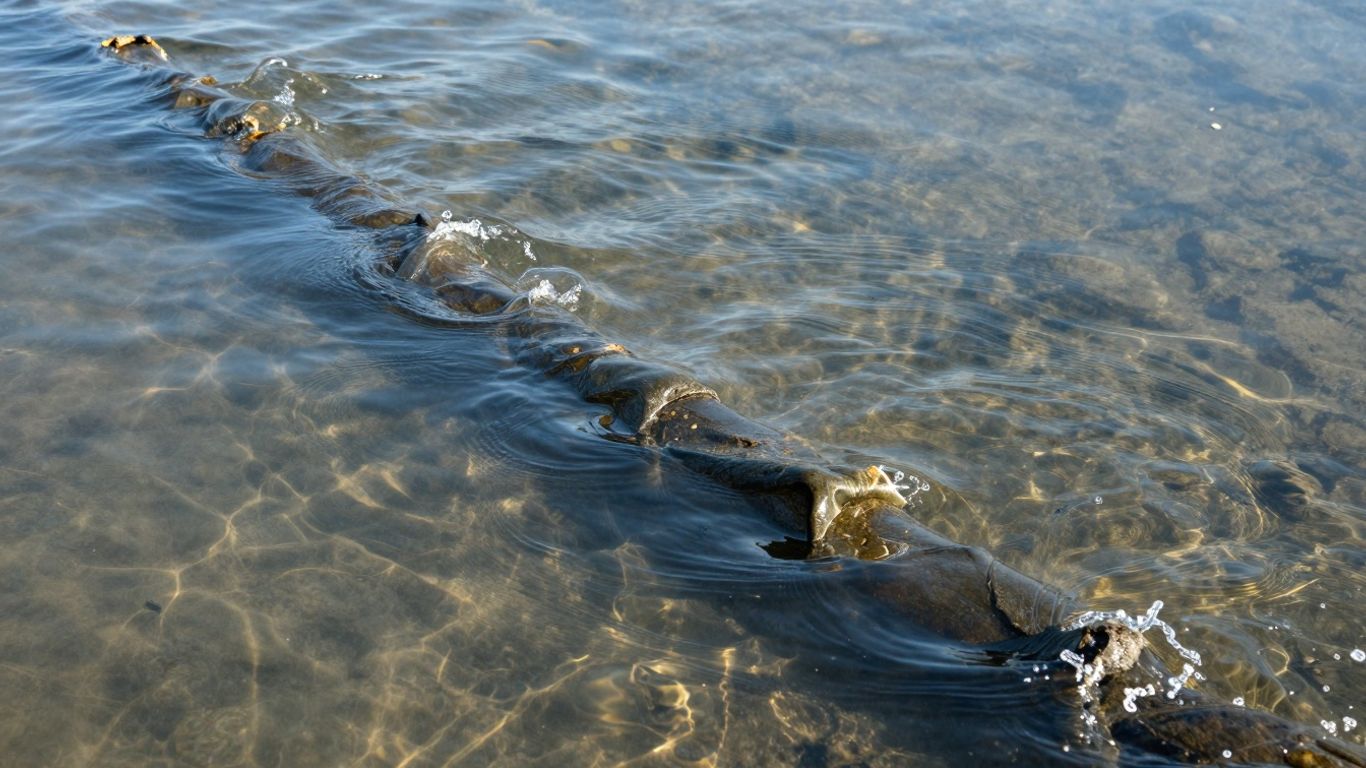
Think about what happens when it rains. Water flows over the land, and unfortunately, it can pick up all sorts of things. We’re talking about oil drips from a driveway, chemicals from lawn treatments, or even animal waste. If a well isn’t properly sealed at the surface, this contaminated water has a direct path to seep down into the aquifer. It’s a pretty straightforward pathway, and a good seal is designed to block it. This barrier is key to stopping bacteria, nitrates, and dissolved chemicals from getting into your water source. It’s not just about keeping out dirt; it’s about preventing a whole host of potential pollutants from taking a free ride into the water you rely on.
Isolating Aquifer Zones for Purity
Aquifers aren’t always just one big, uniform layer of water. Sometimes, you have different water-bearing zones stacked on top of each other, and they might not all be the same quality. Maybe one layer is perfectly fine, but the one just above it has some mineral issues or is more likely to pick up contamination. A well seal, especially the grout or bentonite used in the space between the well casing and the borehole wall, acts to separate these different zones. This means you can draw water from a cleaner, more desirable layer without it mixing with water from a less desirable one. It’s like putting up internal walls within the well to keep different water qualities separate.
Ensuring Well Integrity and Longevity
Beyond just keeping contaminants out, well seals play a big part in the overall health and how long the well itself will last. A good seal helps to:
- Prevent the casing from corroding or collapsing over time.
- Keep fine sediment from entering the well and clogging the pump or screens.
- Maintain the structural stability of the well in the ground.
A well seal is more than just a cap; it’s a critical component that protects the well structure and the groundwater it accesses. Its proper installation and maintenance directly impact the water’s safety and the well’s operational lifespan.
The Importance of Tamper-Resistant Seals
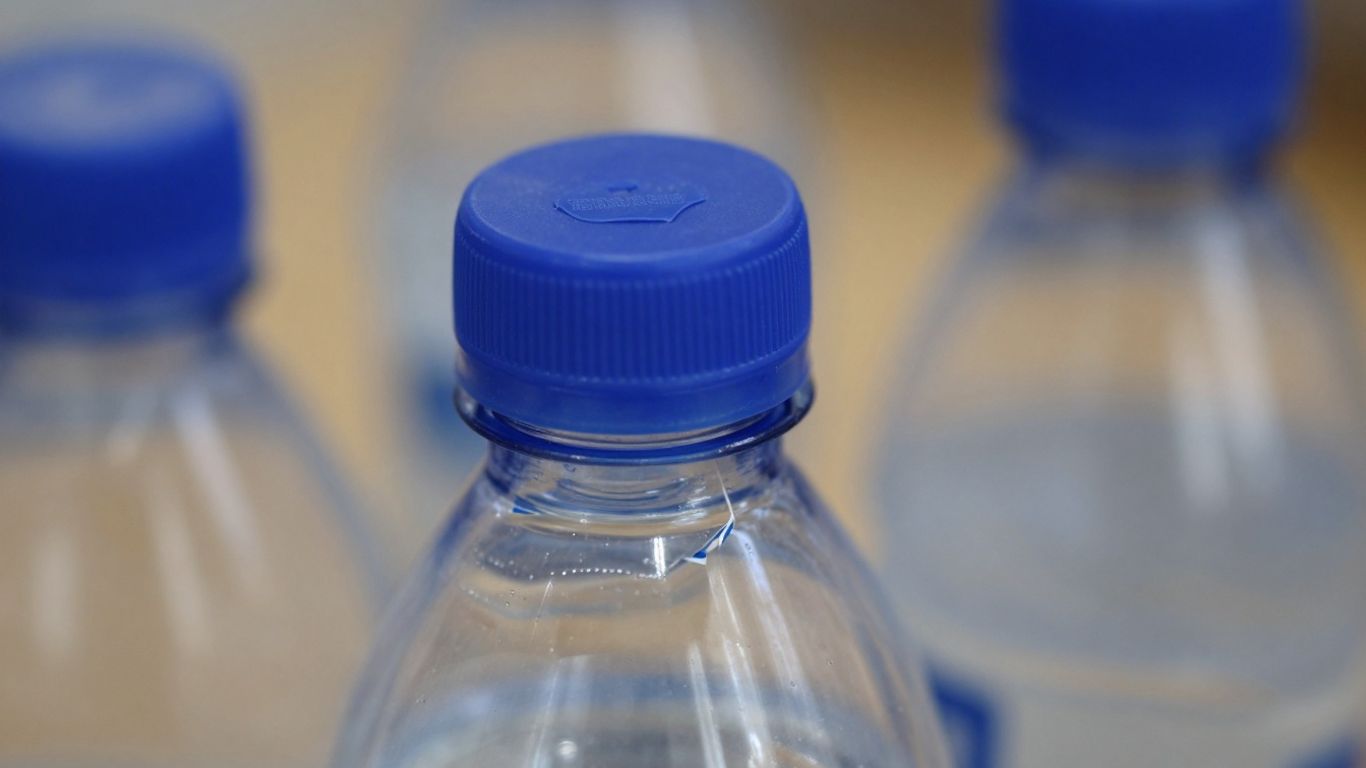
You know, sometimes the simplest things are the most important, especially when it comes to keeping everyone safe. We don’t often think about it, but the water we drink has to be protected. That’s where tamper-resistant well seals come in. They might seem small, but they play a big role in making sure our water sources are secure and that we can trust what’s coming out of our taps. Let’s talk about why these seals are so necessary for public safety.
Meeting Necessary Rules and Regulations
Picking the right seal isn’t just about security; it’s about making sure you meet all the necessary rules and regulations for your specific industry and application. It’s a practical step that saves a lot of potential trouble down the line. Different areas have different rules about how wells should be sealed to keep water clean. Using a seal that’s designed to show if it’s been messed with helps prove you’re following those rules. It’s like a stamp of approval that says, "Yep, we’re doing this right."
Upholding Public Trust and Safety
When we talk about public safety, we often think about police or firefighters, but a lot of safety comes from things we don’t always see, like our water supply. Making sure our water sources are protected is a big deal, and that’s where tamper-resistant well seals come into play. These aren’t just fancy caps; they’re a serious line of defense. A visible, intact seal is a silent promise of security. It tells everyone that the water source is being looked after properly.
Protecting Water Sources and Essential Services
Think about it: a well is a direct link to our drinking water. If someone can get into it without permission, they could potentially introduce all sorts of nasty stuff. We’re talking about bacteria, chemicals, or even just plain old dirt that could make people sick. Tamper-resistant seals act like a lock on that wellhead. They make it really obvious if someone has tried to mess with it, giving us a heads-up that something might be wrong before it becomes a widespread problem. This visible indicator is key to stopping unauthorized access before it leads to contamination. It’s about keeping the bad stuff out and the good water in.
Here’s a quick look at what makes these seals so useful:
- Visible Indicators: They show clear signs if someone has tried to open them, like a torn sticker or a broken plastic piece.
- Deterrence: Just knowing a seal is there makes people less likely to try and tamper with the well.
- Traceability: Some seals have unique numbers, which can help track which seal was used and when, making it easier to manage and audit.
Using these seals demonstrates a commitment to quality and safety. It’s a tangible way to show customers, partners, and regulators that you value the integrity of your products and operations. This can lead to stronger relationships and a better reputation.
Wrapping It Up
So, when you really think about it, these well seals aren’t just some little extra thing. They’re a pretty big deal for keeping our water safe, whether it’s the water we drink or the water that supports our environment. Making sure they’re in place and working right means we can trust that what’s coming from our wells is what we expect. It’s about protecting everyone, really. It’s a simple idea, but it makes a huge difference in our everyday lives and keeps us all a bit safer.
Frequently Asked Questions
What is groundwater contamination and how does it happen?
Groundwater contamination is when unwanted stuff, like pollution from farms or trash dumps, gets into the water underground. It’s like spilling something on the ground and it soaking deep into the soil, eventually reaching the water table.
How do well seals help prevent contamination?
Well seals act like a protective barrier, kind of like a plug, around the top of a well. This barrier stops surface water, dirt, and other pollutants from traveling down the sides of the well and mixing with the clean water in the aquifer below.
Are there different types of well seals?
Yes, there are! Some seals use a special cement mix called grout, while others use clay-like materials called bentonite. Some are also mechanical, like tight-fitting caps. The best type often depends on the specific ground conditions and the well itself.
Why is it so important to install well seals correctly?
Getting the seal installed perfectly is really important. If it’s not done right, it won’t work as a good barrier, and pollution can still find its way into the water. It’s like building a fence with holes in it – it doesn’t do its job very well.
Do well seals last forever, or do they need checking?
Well seals don’t last forever. Over time, they can get old, crack, or wear out. It’s a good idea to check them regularly to make sure they’re still sealing properly and to fix any problems that pop up.
Are there official rules for how wells should be sealed?
Absolutely! Governments and local authorities have rules and standards in place to make sure wells are sealed correctly. These rules are designed to protect our drinking water and keep everyone healthy.