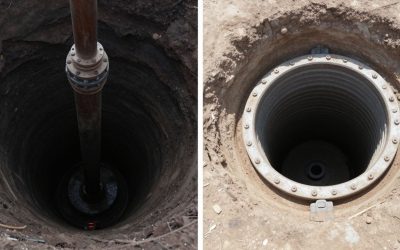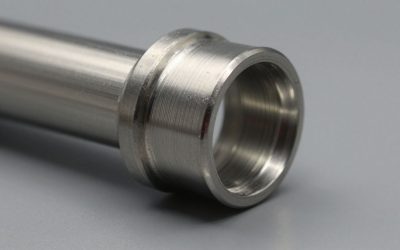
Keeping bugs and junk out of your well water is a pretty big deal. I mean, nobody wants to drink water that’s got leaves or creepy crawlies floating around in it. That’s where well seals, or well caps as some call them, come into play. They’re basically the first line of defense, stopping all sorts of unwanted stuff from getting into your well. We’re talking about how well these seals actually work to keep your water clean and safe.
Key Takeaways
- Well seals act as a physical barrier, stopping leaves, dirt, and other debris from falling into the well.
- They prevent rainwater runoff, which can carry chemicals and bacteria, from entering the water supply.
- Properly sealed well caps keep insects, spiders, and small animals like frogs and rodents from getting inside.
- Different types of well seals, like sealed, vented, and sanitary caps, offer varying levels of protection and airflow.
- A secure well casing seal is vital for preventing surface pollutants, accidental spills, and unauthorized access to your water source.
The Crucial Role Of Well Seals In Preventing Contamination
Think of your well as the direct line to clean drinking water for your home. It’s a pretty important system, right? Well seals, often called well caps, are like the gatekeepers for that system. Their main job is to keep anything and everything that shouldn’t be in your water supply out. Without a good seal, your well is basically an open invitation for all sorts of unwanted guests and gunk.
Physical Barrier Against Debris
This is pretty straightforward. Your well seal acts as a physical shield. It stops leaves, dirt, twigs, and anything else the wind might blow around from falling directly into your well casing. It’s like putting a lid on a jar to keep the contents clean. This might seem minor, but imagine a storm – without a proper seal, a lot of debris could end up in your water source.
Protection From Rainwater Runoff
Rain is great for the environment, but rainwater runoff can pick up a lot of nasty stuff from the surface. We’re talking about things like pesticides from lawns, animal waste, oil drips from vehicles, or even chemicals stored nearby. When it rains, this contaminated water can flow across the ground. A well seal, especially when combined with a properly installed well casing that extends above ground level, helps prevent this surface runoff from seeping directly into your well. It’s a key defense against pollutants making their way into your groundwater.
Prevention Of Animal Intrusion
Nobody wants critters in their drinking water. Insects, spiders, frogs, and even small rodents can find their way into unprotected wells. These little visitors can die and decompose, leading to bacterial growth, bad smells, and off-tastes in your water. A well seal is designed to be snug, blocking these creatures from crawling or hopping into the well casing. Some seals even have fine mesh screens over vents to keep out even the smallest bugs while still allowing air to escape.
How Well Seals Deter Unwanted Intruders
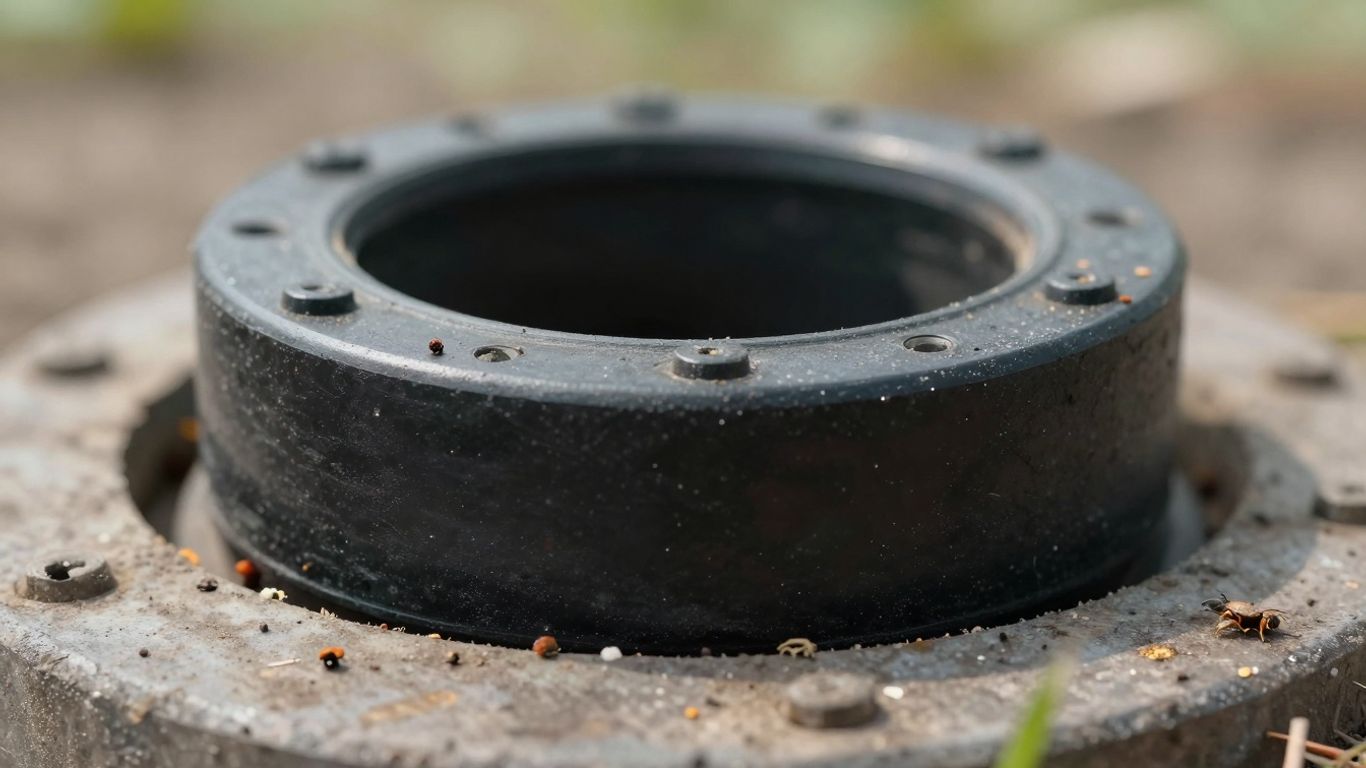
So, you’ve got a well, and you want to keep the water clean, right? Well, seals and caps are like the bouncers for your well, keeping out all sorts of unwanted guests. It’s not just about keeping leaves out; it’s about stopping tiny critters and even larger ones from getting in where they shouldn’t be.
Keeping Insects and Vermin Out
Think about it: a well casing can be a pretty inviting place for bugs and small critters. It’s often cool and damp, a perfect little hideaway. Insects like earwigs, spiders, and even ants can find their way in if there’s even a small gap. Once inside, they can die and start to decompose, which is a surefire way to introduce bacteria and make your water taste and smell off. A good, tight-fitting well seal with a fine mesh screen over any vents is your first line of defense. It’s like a tiny security gate that lets air pass but stops the creepy-crawlies.
Blocking Small Animals and Frogs
It’s not just the little bugs we’re talking about. Frogs, toads, snakes, and even small rodents can sometimes find their way into an improperly sealed well. They might be looking for a cool place to hang out or a source of water themselves. If they get in, they can cause all sorts of problems, from fouling the water to potentially getting stuck and dying. A sturdy well seal, especially one that fits snugly around the casing, makes it much harder for these animals to get a foothold and enter your well.
Preventing Bird Droppings
Birds can be a nuisance in more ways than one. While they might seem harmless, their droppings can carry bacteria and other contaminants. If your well casing is open or has a loose-fitting cap, birds might perch on it or even try to get inside. A well-sealed cap prevents them from accessing the well opening directly, stopping their droppings from contaminating the water supply. It’s a simple barrier that makes a big difference in keeping the water source clean and safe.
Maintaining Water Purity With Effective Well Sealing
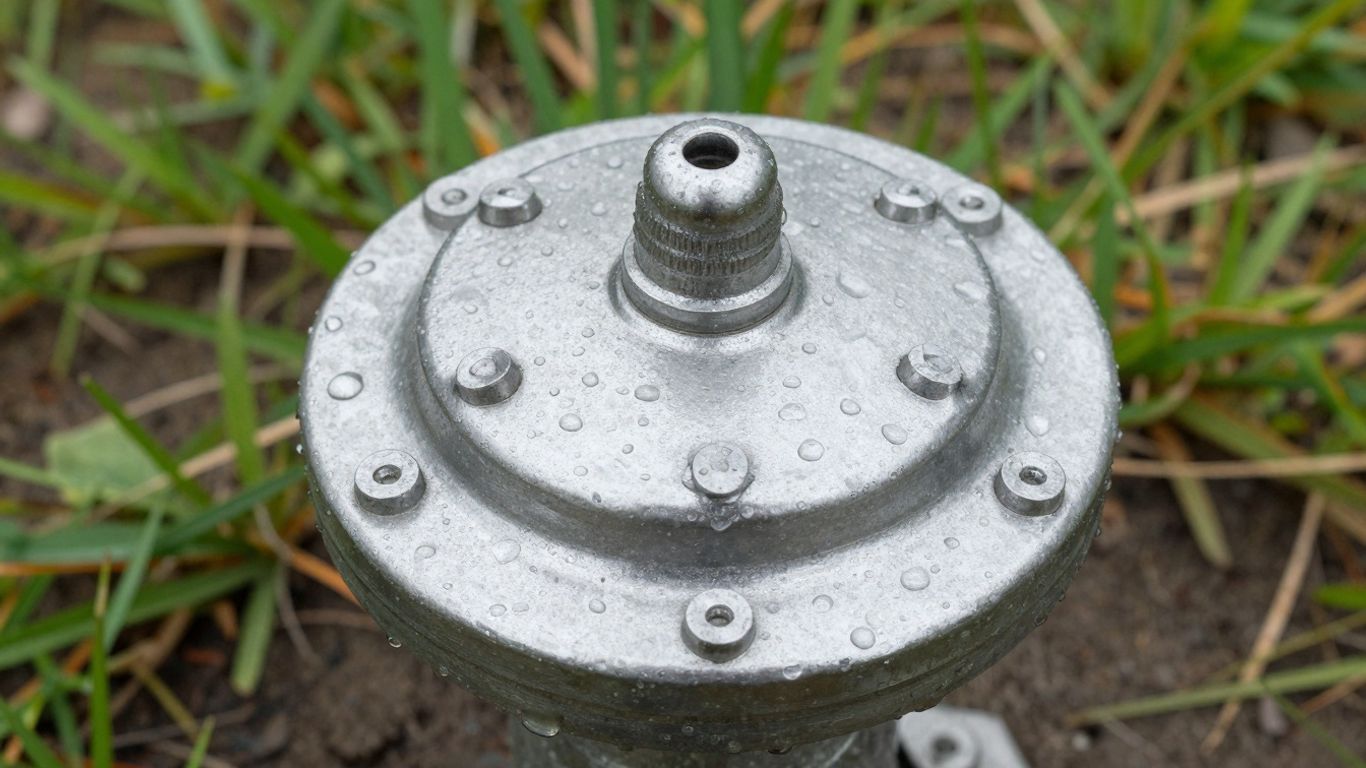
Keeping your well sealed up tight is a big deal when it comes to making sure the water you get is clean. It’s not just about keeping bugs out, though that’s part of it. A good seal acts like a gatekeeper, stopping all sorts of unwanted stuff from getting into your water supply. Think about it: rain can wash all sorts of gunk down from the surface, and if your well isn’t properly sealed, that gunk can end up right in your water. That’s why having the right kind of seal on your well cap and casing is so important.
Sealed Well Caps for Airtight Protection
A sealed well cap is pretty straightforward. It’s designed to create a really tight fit, almost like a lid on a jar. This means no little critters, no dirt, and no rainwater can sneak in through the top. This airtight barrier is your first line of defense against surface contamination. It stops anything from falling or washing directly into the well casing. Without this, you’re basically leaving the door open for trouble, and that can really mess with your water quality over time.
Sanitary Well Caps for Environmental Exposure
Sometimes, a simple sealed cap isn’t enough, especially if your well is in an area that gets a lot of rain or is exposed to other environmental factors. That’s where sanitary well caps come in. These are built to handle more than just a basic seal. They often have features that help direct water away from the cap and casing, preventing water from pooling around the opening. This is super helpful in preventing water from seeping down around the casing, which can happen if there are any small gaps or cracks. It’s all about creating a robust shield against whatever the environment throws at your well.
Vented Well Caps for Pressure Equalization
Now, this might sound a bit counterintuitive – a vent in a seal? But it’s actually pretty smart. Wells can experience pressure changes, kind of like how a sealed container can build up pressure if the temperature changes. A vented well cap has a special filter that lets air in and out, balancing the pressure inside the well casing. This prevents damage to the well structure and also stops air from being sucked into the water lines when you turn on a faucet. The key is that the vent is designed to keep everything else out – bugs, dust, you name it – while still allowing air to move freely. It’s a neat bit of engineering that helps keep both the well and your water safe.
Understanding Different Types Of Well Seals
When it comes to keeping your well water clean and safe, the cap or seal on top of the well casing is a pretty big deal. It’s not just a lid; it’s a critical barrier. But not all well seals are created equal, and knowing the differences can help you pick the right one for your situation. Let’s break down the main types you’ll run into.
Sealed Well Caps
These are like the heavy-duty guardians of your well. A sealed well cap is designed to create a really tight, almost airtight, seal around the top of the well casing. They’re usually made of sturdy materials like aluminum or stainless steel and are bolted down securely. Many have a built-in gasket that compresses when tightened, making it tough for anything to sneak in. These are your best bet for preventing insects, small animals, dirt, and even bird droppings from getting into your water supply. They’re great for general protection against surface contaminants.
Vented Well Caps
Now, sometimes your well needs to breathe, especially if you’re pumping water out. Pumping can create a vacuum, and without a way for air to get in, it can cause problems. That’s where vented well caps come in. They still provide a good seal against most contaminants, but they have a special filter that lets air in while keeping bugs and dust out. This pressure equalization is important for the smooth operation of your pump system and prevents damage from pressure differences. Think of it as a filtered air intake for your well.
Sanitary Well Caps
Sanitary well caps are a bit of a specialized category, often used in situations where extra protection is needed or where the wellhead might be exposed to more challenging environmental conditions. They focus heavily on creating a watertight and pest-proof barrier. The emphasis here is on a clean, secure fit that minimizes any potential entry points for contaminants, whether it’s from soil, rain, or airborne particles. They are built with materials and designs that are easy to clean and maintain, adding an extra layer of hygiene.
Locking Well Covers
These are pretty straightforward. A locking well cover is essentially any type of well cap or seal that includes a mechanism for locking it shut. This isn’t just about keeping critters out; it’s also about security. If your well is in an area where unauthorized access is a concern – maybe it’s near a public path or in a shared space – a locking cover adds an important layer of protection against tampering or accidental interference. It gives you peace of mind knowing that only those with the key can open it up.
The Importance Of A Secure Well Casing Seal
Think of your well casing as the main pipe that brings water up from underground. It’s pretty important, right? Well, the seal at the very top of that casing is like the gatekeeper for your water. Without a good, tight seal, all sorts of unwanted things can sneak in.
Preventing Surface Pollutants
Rainwater doesn’t just fall straight down; it runs off the ground. If you’ve got fertilizer, pesticides, animal waste, or even just dirt sitting on the surface, that runoff can carry it all towards your well. A properly sealed well casing prevents this contaminated water from just pouring straight into your water supply. It’s a simple barrier, but it stops a lot of potential problems before they even start. This means the water that goes down your well has a much better chance of staying clean.
Guarding Against Accidental Spills
Sometimes, accidents happen. Maybe someone spills a bit of oil or cleaning fluid near the wellhead. Or perhaps, during maintenance, a small tool or piece of equipment is dropped. A secure seal on the well casing acts as a first line of defense, preventing these accidental spills from immediately contaminating the water source below. It buys you time to clean up the mess on the surface before it can do any real damage to your water quality.
Deterring Tampering and Unauthorized Access
While it might not be a common concern for everyone, a wellhead is an access point to your water. A secure seal, often with tamper-resistant bolts or even a lock, can prevent unauthorized individuals from accessing the well. This is important for safety and security, especially in more remote locations or if there’s any concern about vandalism or intentional contamination. It’s about keeping your water source protected from anyone who shouldn’t be messing with it.
Here’s a quick look at what a good seal keeps out:
- Insects and small critters (like spiders or frogs)
- Leaves, dirt, and other loose debris
- Surface water carrying pollutants
- Accidentally dropped items
The well casing seal is more than just a cover; it’s an active part of your well’s defense system. It works constantly to keep the water you rely on safe and clean by blocking entry points that could otherwise let in trouble from the surface. Making sure this seal is intact and properly fitted is a straightforward but vital step in well maintenance.
Material And Design Considerations For Well Seals
Durable Materials for Longevity
When you’re picking out a well seal, the stuff it’s made from really matters. You want something that can handle being outside all the time, dealing with sun, rain, and temperature changes without falling apart. Think about materials like heavy-duty plastics or metals that won’t rust or corrode easily. A good seal is an investment in clean water for years to come. Cheaper materials might seem okay at first, but they can break down faster, leaving your well vulnerable.
Proper Fit for an Airtight Environment
It’s not just about the material; how well the seal fits is super important too. It needs to hug the well casing snugly, leaving no gaps where bugs or dirt can sneak in. A loose fit means you’re not really getting that protection you paid for. The design should account for the exact size of your well casing, making sure it creates a tight seal all the way around. It’s like putting a lid on a jar – it has to fit just right.
Integrated Gaskets and Rubber Seals
Many of the best well seals come with built-in gaskets or rubber parts. These are usually made of flexible materials that can compress and fill any tiny imperfections between the seal and the casing. This is what really makes the seal effective at keeping out unwanted guests. They help create that airtight barrier that stops even the smallest critters and dust from getting into your water source. It’s these little details that make a big difference in keeping your water pure.
Wrapping It Up
So, when it comes down to it, those well caps and seals aren’t just some extra bit of hardware. They’re actually pretty important for keeping junk out of your water. Think about it – without them, bugs, dirt, leaves, and who knows what else could easily end up in your well. That’s not exactly what you want when you turn on the tap. Making sure your well is properly sealed up tight is a simple step, but it really makes a big difference in keeping your water clean and safe to drink. It’s one of those things that’s easy to forget about, but definitely worth checking on now and then to make sure everything’s in good shape.
Frequently Asked Questions
Why is a well cap so important for my water?
A well cap is like a lid for your well. It acts as a strong shield to keep out all sorts of unwanted things like bugs, dirt, leaves, and even small animals. Without it, these things could fall into your well and make your drinking water dirty and unsafe.
Can insects really get into my well and cause problems?
Yes, they can! Insects like earwigs and spiders love damp, cool places and can crawl into wells that aren’t sealed properly. If they get in and die, they can cause bacteria to grow, making your water taste or smell bad, or even making you sick.
What’s the difference between a sealed well cap and a vented well cap?
A sealed well cap creates a tight, airtight barrier to keep everything out. A vented well cap does the same but also has a special filter that lets air in and out. This is important for some pumps to work correctly without creating a vacuum, but the filter still stops bugs and dirt from getting in.
How does a well cap stop dirty rainwater from getting into my well?
Rain can wash things like dirt, chemicals from lawns, or animal waste into the ground. A well cap, especially when it fits tightly, stops this dirty rainwater from just pouring straight into the top of your well casing, helping to keep your water clean.
Can a well cap help keep my well safe from people or animals falling in?
Yes, a secure well cap definitely makes it harder for someone to accidentally fall into the well. While it’s not its main job, it adds an extra layer of safety, especially for larger wells. Some caps can even be locked for extra security against tampering.
What should I do if my well cap is old or damaged?
If your well cap is cracked, loose, or missing, you should get it fixed or replaced right away. A damaged cap can’t do its job of protecting your water. Contacting a well professional is the best way to make sure you get the right kind of cap and that it’s installed correctly to keep your water pure.