You know, keeping things clean is a big deal, especially when you’re dealing with sensitive equipment or processes. Whether it’s a jet engine, a computer chip factory, or even a medical device, tiny bits of dust or other junk can cause all sorts of problems. That’s where seals come in. They’re like the little guardians, working hard to stop unwanted stuff from getting where it shouldn’t. This article looks at how well these seals actually do their job of protecting against airborne contaminants.
Key Takeaways
- Seals are vital for protecting sensitive systems in aerospace, like engines and landing gear, from foreign objects and debris that could cause failure.
- In semiconductor manufacturing, seals are crucial for preventing fine dust particles from contaminating wafers, which is incredibly important for producing reliable chips.
- Different seal types, like lip seals and labyrinth seals, offer varying levels of protection against contaminants, with labyrinth seals often providing better defense without direct contact.
- Materials used for seals, such as silicone and fluorosilicone, are chosen based on their ability to withstand extreme temperatures and harsh chemicals, making them suitable for demanding industrial and medical applications.
- Beyond just keeping things out, seals also play a role in keeping internal fluids and gases contained, which helps make equipment last longer and work more reliably.
Protecting Critical Aerospace and Spacecraft Systems
When we talk about rockets, planes, and satellites, keeping things clean isn’t just about looking good. It’s about making sure these incredibly complex machines work perfectly, especially when they’re way up there or traveling at insane speeds. Airborne contaminants, or what the industry often calls Foreign Object Debris (FOD), can cause some serious problems. Think of a tiny speck of dust getting into a sensitive instrument or a loose bit of material jamming a moving part. It can lead to anything from a minor glitch to a full-blown mission failure. That’s where specialized seals come into play, acting as the first line of defense.
Engine Compartment And Fan Cowl Protection
Engines are the heart of any aircraft or spacecraft, and they need to be protected. Seals in engine compartments and around fan cowls are designed to keep out all sorts of gunk – dust, dirt, even small bits of debris that might get kicked up during takeoff or flight. This stops them from getting into critical areas like intake ramps or exhaust systems. Without good seals, this debris could damage fan blades or other moving parts, leading to reduced performance or worse.
Landing Gear And Control Surface Integrity
Landing gear has a tough job, and it needs to work flawlessly every single time. Seals here prevent foreign objects from getting into the complex mechanisms that deploy and retract the gear. Similarly, control surfaces like flaps and ailerons have internal actuators and mechanisms that need protection. Seals keep these areas clean, so they move freely and respond accurately to pilot commands. A compromised control surface could have dire consequences.
Payload Fairings And Hatch Security
Payload fairings are like the nose cone of a rocket, protecting the valuable cargo inside during ascent. Seals between the fairing and the spacecraft body are vital to stop any debris from entering during the launch. For hatches and doors, whether on a spacecraft or an aircraft, seals do double duty. They keep the inside environment secure and pressurized, while also preventing external contaminants from getting in when the hatch is closed. This is important for everything from crewed missions to sensitive scientific equipment.
Propulsion Systems And Solar Panel Mechanisms
Propulsion systems are incredibly sensitive. Seals in these areas protect propellant lines, valves, and engine chambers from contaminants that could cause malfunctions. Even a tiny particle could clog a fuel line or damage a delicate valve. For spacecraft that rely on solar power, the deployment mechanisms for solar panels also need protection. Seals help prevent dust and debris from accumulating and hindering the smooth unfolding and operation of these vital power sources.
The materials used for these seals are often specialized, needing to withstand extreme temperatures, harsh chemicals, and the vacuum of space. Common choices include silicones and fluorosilicones, sometimes meeting specific aerospace material specifications (AMS) to ensure they perform reliably under the demanding conditions of space and high-altitude flight.
Ensuring Cleanliness in Semiconductor Manufacturing
When you’re making computer chips, tiny bits of dust or dirt can ruin the whole batch. It’s a bit like trying to bake a cake with sand in the flour – not ideal. The semiconductor industry has to be super careful about keeping things clean, and seals play a big part in that.
Sealing Against Fine Particulate Matter
Forget about big chunks of metal or loose screws here. In chip making, the enemy is often microscopic. We’re talking about dust, fibers, or even tiny particles that flake off from equipment. These little guys can get into the sensitive areas where circuits are being built, causing shorts or other defects. The goal is to keep these microscopic invaders out of the manufacturing process. Seals help by creating a barrier, stopping airborne particles from getting into critical zones or equipment.
Protecting Wafer Carriers and Handling Systems
Semiconductor wafers are the base material for chips, and they’re delicate. They get moved around a lot, from one processing step to the next. Wafer carriers, the trays or boxes that hold them, need to be sealed. This isn’t just to keep dust out; it’s also to prevent the wafers from getting scratched or damaged during transport. Think of it like a protective case for something really valuable. Seals on these carriers make sure that whatever is inside stays clean and undamaged.
Maintaining Cleanroom Environments
Semiconductor factories are famous for their cleanrooms. These aren’t just rooms that are cleaned regularly; they’re controlled environments where the air itself is filtered to remove particles. Seals are used everywhere in these rooms: on doors, windows, equipment enclosures, and air handling systems. They work with the air filtration to make sure that the air flowing in and out is clean and that contaminants don’t sneak in from the outside. It’s a constant battle against anything that could mess up the delicate work happening inside.
The cost of a single defect in semiconductor manufacturing can be enormous, not just in terms of lost product but also the time and resources spent on the entire fabrication process up to that point. Therefore, preventing contamination at every stage is paramount.
Here’s a quick look at what seals help prevent:
- Particulate Ingress: Stopping dust, fibers, and other tiny particles from entering sensitive areas.
- Cross-Contamination: Preventing different materials or chemicals from mixing where they shouldn’t.
- Equipment Damage: Protecting delicate machinery and components from environmental contaminants.
- Process Stability: Maintaining consistent conditions for reliable chip production.
Advanced Sealing Solutions for Industrial Applications
When you’re running an industrial operation, keeping things clean and running smoothly is a big deal. It’s not just about making sure your product is good; it’s about safety, efficiency, and not wasting money on downtime. Seals play a huge part in all of this, especially when you’re dealing with tough conditions.
Petrochemical and Food & Beverage Industry Needs
In places like oil refineries or food processing plants, the environment can be pretty rough. You’ve got chemicals that can eat away at materials, and temperatures that swing wildly. For petrochemical plants, seals need to stop leaks of hazardous substances and keep out anything that could mess with sensitive equipment. Think about pipelines and reactors – a leak isn’t just messy, it’s dangerous. In food and beverage, it’s all about hygiene. Seals have to prevent any outside gunk from getting into the food or drinks, and they need to be made of materials that are safe and easy to clean. The right seal here means product purity and worker safety.
Transportation Sector Requirements
The transportation industry, whether it’s trucks, trains, or planes, has its own set of challenges. Engines and fuel systems need protection from tiny particles that can cause wear and tear. Seals in things like HVAC systems or cargo doors need to keep out dust, moisture, and other contaminants. Imagine a long-haul truck – its engine needs to be protected from road dust, and the cabin needs to be sealed tight for comfort and to keep out exhaust fumes. For railcars carrying sensitive goods, seals are key to preventing contamination and keeping the cargo safe.
Pharmaceutical and Manufacturing Environments
These sectors are all about precision and cleanliness. In pharmaceutical manufacturing, maintaining sterile environments is non-negotiable. Seals are used to keep out airborne particles and prevent cross-contamination between batches. Even in general manufacturing, seals help keep machinery running reliably by preventing dust and debris from getting into moving parts. It’s about protecting not just the equipment, but also the integrity of the products being made.
Here’s a quick look at what seals help prevent:
- Foreign object debris (FOD) ingress
- Moisture and dust contamination
- Leakage of internal fluids or gases
- Cross-contamination between processes
Choosing the right seal material is super important. Things like polyethylene film are great for chemical resistance and flexibility, while PTFE is good for really harsh chemicals. For high heat, you might look at graphite or special metal alloys. It all depends on what you’re trying to protect against and the conditions it will face.
Understanding Different Seal Technologies
When we talk about keeping nasty stuff out of sensitive equipment, seals are the unsung heroes. But not all seals are created equal, and knowing the difference can save you a lot of headaches and money down the line. Let’s break down a couple of the main players.
Lip Seals Versus Labyrinth Seals
Think of a lip seal like a squeegee. It has a flexible lip that presses against a rotating shaft. This contact is great for keeping some things out and some fluids in, especially in less demanding situations. They’re often made from rubber or similar flexible materials. The big downside? That constant rubbing means they wear out over time. Plus, if you’ve got high pressure or really extreme temperatures, they can start to fail, letting contaminants sneak in or fluids leak out. It’s a bit like using a regular door seal on a submarine – it might work for a bit, but it’s not built for that kind of pressure.
Labyrinth seals, on the other hand, are a bit more clever. Instead of rubbing, they create a winding, maze-like path that contaminants have to navigate. This non-contacting design means they don’t wear down from friction. They work by using a series of grooves and ridges, often with a very small gap between the rotating and stationary parts. Particles trying to get in get thrown off by centrifugal force as they go through the twists and turns, and fluids trying to get out have a much harder time finding a straight path. It’s like trying to walk through a funhouse maze versus just walking through an open door.
Here’s a quick look at how they stack up:
| Feature | Lip Seal | Labyrinth Seal |
|---|---|---|
| Contact | Yes, lip contacts shaft | No, non-contacting |
| Wear | Subject to wear over time | Minimal wear due to non-contact |
| Contaminant Exclusion | Moderate, can be compromised by wear | High, uses complex path to deflect contaminants |
| Fluid Retention | Good, but can leak with wear/pressure | Good, but primarily designed for contaminant exclusion |
| Cost | Generally lower | Generally higher |
| Operating Conditions | Best for moderate pressure/temperature | Suitable for high pressure/temperature, harsh environments |
Non-Contacting Labyrinth Seal Principles
So, how does this maze actually work? A labyrinth seal is usually made of two parts: a stationary piece (the stator) attached to the housing, and a rotating piece (the rotor) attached to the shaft. These parts are designed to interlock, creating a series of chambers and passages. When the shaft spins, any airborne particles or moisture trying to get in are flung outwards by the rotor’s motion. The winding path means that only a tiny fraction of these contaminants actually make it through the entire seal to reach the critical components inside. It’s all about making the journey for contaminants as difficult and indirect as possible.
The effectiveness of a labyrinth seal relies heavily on the precision of its design and installation. Even a small gap, when part of a carefully engineered path, can be incredibly effective at preventing ingress. The key is the tortuous path, not necessarily a zero-gap seal.
Materials For High-Temperature And Chemical Resistance
What a seal is made of matters a lot, especially when things get hot or corrosive. While rubber and plastics are common for lip seals, more demanding applications need tougher stuff. For high temperatures, materials like graphite or certain metal alloys might be used. If you’re dealing with aggressive chemicals, you’ll want something like PTFE (polytetrafluoroethylene), often known by the brand name Teflon. It’s super resistant to most chemicals. Sometimes, you’ll find custom solutions using specialized films or composites designed for very specific, harsh environments. Choosing the right material means the seal can do its job without breaking down, keeping your equipment protected no matter what.
Medical Device And Equipment Contaminant Prevention
Maintaining Sterility With Protective Seals
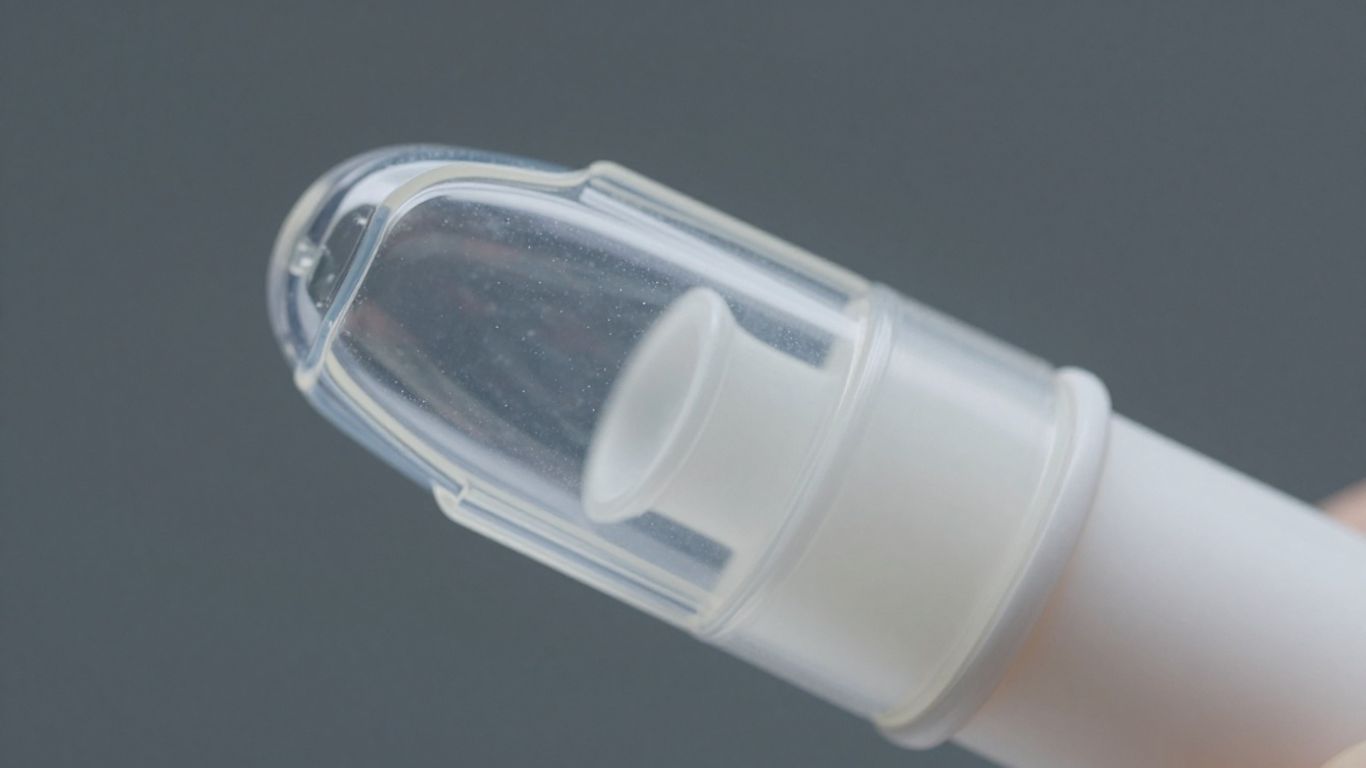
When we talk about medical devices, keeping things clean isn’t just a good idea; it’s absolutely vital. Think about surgical tools, implants, or even something as simple as a catheter. Any tiny bit of dirt or a stray particle getting in where it shouldn’t can cause big problems, leading to infections or other complications. That’s where seals come in. They act like tiny guardians, forming a barrier to stop dust, fluids, and other unwanted stuff from getting into sensitive areas. These seals are key to keeping medical equipment sterile and ready for use. They’re designed to fit snugly, preventing anything alien from compromising the device’s function or the patient’s safety. It’s all about creating a reliable defense against contamination, no matter the environment.
Ensuring Patient Safety Through Cleanliness
Patient safety is the top priority in healthcare, and seals play a quiet but important role in that. Imagine a medical pump that needs to deliver medication precisely. If its internal components aren’t properly sealed, leaks could occur, or contaminants could enter, affecting the dosage or causing harm. Seals prevent this. They also help maintain the integrity of disposable medical covers, ensuring that single-use items are truly clean when they reach the patient. It’s a bit like making sure a food package hasn’t been tampered with – you need that assurance of cleanliness. This attention to detail, down to the smallest seal, directly impacts how safe and effective medical treatments are.
Sealing Sensitive Medical Instrumentation
Medical equipment can be incredibly complex and delicate. Think about imaging machines like X-ray or ultrasound devices. They have sensitive electronics and optics that can be easily damaged by dust or moisture. Protective seals, sometimes called barriers or covers, are used to shield these components. They prevent foreign object debris (FOD) – which can be anything from dust bunnies to tiny metal shavings – from accumulating on critical surfaces. This keeps the equipment working correctly and extends its lifespan. For example, seals might be used on:
- Access ports for maintenance
- Connectors for sensors and probes
- Internal compartments housing delicate electronics
The materials used for these seals are often chosen for their resistance to cleaning agents and their ability to withstand various temperatures, all while being biocompatible if they come into contact with patients or bodily fluids. It’s a careful balance of protection and compatibility.
Here’s a quick look at what these seals protect:
| Device Type | Potential Contaminant | Seal Function |
| :———————- | :————————————————– | :———————————————— | —
| Surgical Instruments | Dust, bodily fluids, cleaning residue | Maintain sterility, prevent corrosion |
| Implants (e.g., pacemakers) | Moisture, particulate matter, biological agents | Prevent ingress, maintain hermetic seal |
| Infusion Pumps | Dust, liquid spills, airborne particles | Prevent internal contamination, stop leakage |
| Diagnostic Scanners | Dust, environmental debris, operator handling | Protect optics and electronics, maintain image quality |
The Role of Seals in Maintaining System Integrity
Preventing Ingress Of Foreign Objects
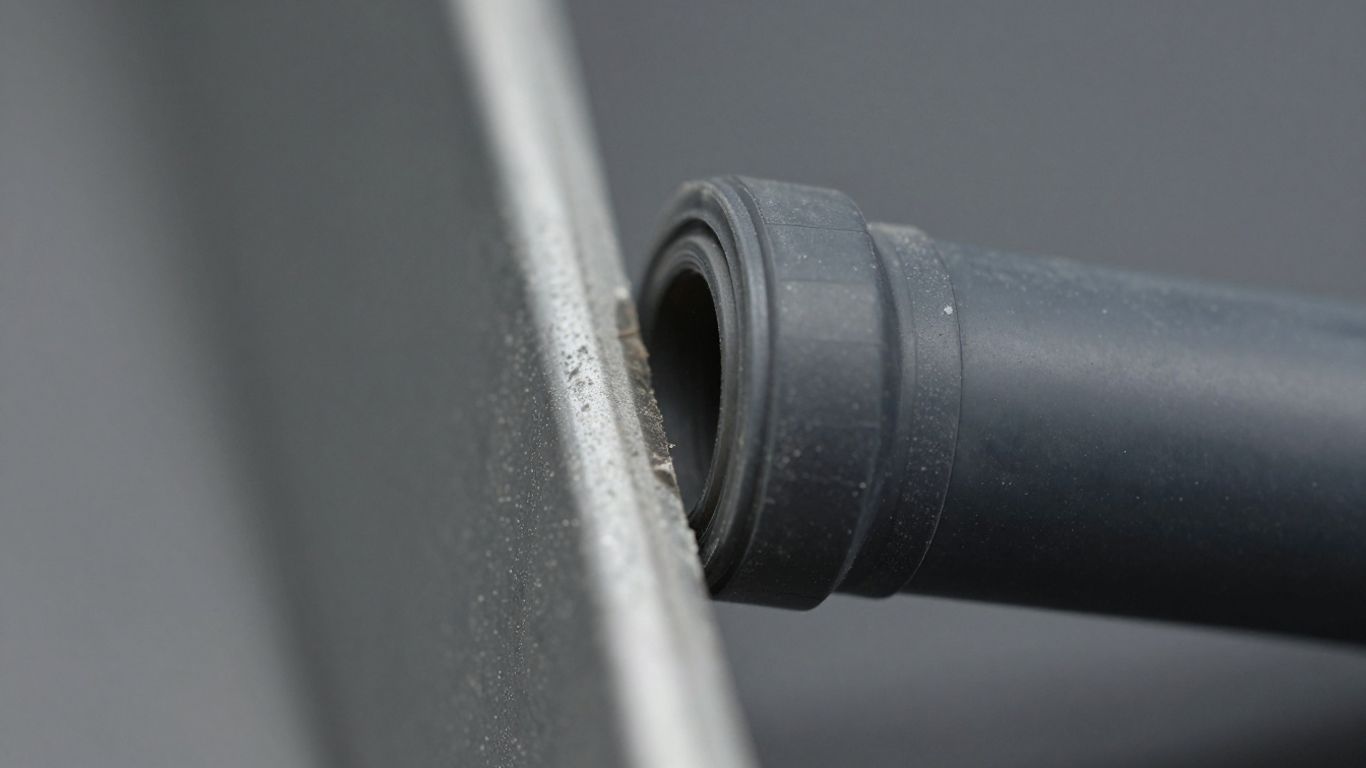
Seals are like the gatekeepers for your machinery, stopping unwanted stuff from getting in. Think about it – dust, dirt, little bits of grit, even water spray. If that gets into sensitive parts, it can cause all sorts of problems. It might gum up moving parts, corrode metal, or just generally mess with how things are supposed to work. A good seal acts as a barrier, keeping the outside world out and your system clean. For instance, in an engine, you don’t want bits of debris getting into the fan blades or critical components. Seals prevent that. It’s not just about big chunks either; even fine dust can be a real issue in places like semiconductor manufacturing where everything needs to be super clean.
Containing Internal Fluids And Gases
It’s not just about keeping things out; seals are also responsible for keeping things in. Whether it’s oil lubricating a bearing, a special fluid in a process, or even just air pressure in a cabin, seals stop it from leaking out. Losing lubricant, for example, can quickly lead to parts overheating and failing. Some studies show that oil loss can be way more than you’d expect, sometimes four times the machine’s capacity if seals aren’t doing their job. This is a big deal because equipment failures are costly, not just in repairs but also in lost production time. So, seals have this dual role: keep the bad stuff out and the good stuff in.
Enhancing Equipment Reliability And Longevity
When you combine keeping contaminants out and fluids contained, the result is pretty straightforward: your equipment lasts longer and works better. Seals prevent premature wear and tear caused by grit getting into bearings or shafts. They stop leaks that can lead to system malfunctions. This means less downtime for repairs and replacements.
Here’s a quick look at how different seal types stack up:
| Seal Type | Primary Function | Contact with Shaft | Typical Wear Issues |
|---|---|---|---|
| Lip Seal | Restricts ingress/egress, some fluid retention | Yes | Wear from friction, material degradation |
| Labyrinth Seal | Excludes contaminants, minimizes fluid loss | No | Minimal wear, effective in harsh environments |
Choosing the right seal for the job is really important. A seal that works great in one situation might be a total flop in another. Factors like temperature, the type of chemicals involved, and how fast things are moving all play a part. Getting this selection right from the start means fewer headaches down the road.
Ultimately, seals might seem like small, simple parts, but they are absolutely vital for keeping complex systems running smoothly and reliably over the long haul. They are the unsung heroes protecting your investment.
Wrapping It Up
So, we’ve seen how seals, whether you call them FOD seals or something else, are pretty important for keeping junk out of sensitive places. From keeping tiny dust particles away from computer chips in factories to making sure airplane doors seal up tight for passengers, these things do a lot of work. They aren’t always the most glamorous part of a machine, but without them, things would break down a lot faster and be way less reliable. It’s clear that having the right seal for the job really makes a difference in keeping things running smoothly and safely.
Frequently Asked Questions
What exactly are seals and why are they important?
Think of seals like the rubber trim around a car door or window. Their main job is to keep unwanted stuff out and important stuff in. They stop dust, water, and other tiny particles from getting into sensitive areas, which is super important for keeping machines and equipment working right and lasting longer.
How do seals help in airplanes and spacecraft?
In planes and rockets, seals are like tiny guardians. They protect important parts like engines, landing gear, and even the doors that astronauts use. By blocking out dirt, sand, and small objects, they prevent damage that could cause big problems, keeping flights and space missions safe.
Are seals used in making computer chips?
Yes, they are! Making computer chips requires incredibly clean environments. Seals help keep out super-fine dust and particles that could ruin the tiny circuits on the chips. Even though they don’t call them ‘FOD seals’ there, the idea is the same: keep the bad stuff out.
What’s the difference between lip seals and labyrinth seals?
Lip seals are like a flexible flap that rubs against a moving part, like a spinning shaft, to create a barrier. Labyrinth seals, on the other hand, have a winding path with small gaps. They don’t actually touch the moving part, which means less wear and tear, and they use tricky turns to make it hard for dirt to get through.
Can seals work in really hot or chemically harsh places?
Absolutely! Special seals are made from materials that can handle extreme heat or strong chemicals without breaking down. These tough seals are used in places like oil refineries or factories that handle strong cleaning agents to make sure they keep working no matter what.
How do seals help in hospitals or with medical gear?
In the medical world, seals are vital for keeping things clean and sterile, especially for devices that come into contact with patients. They act as barriers to stop germs and other contaminants from getting into sensitive equipment or surgical tools, which is key to preventing infections and keeping patients safe.