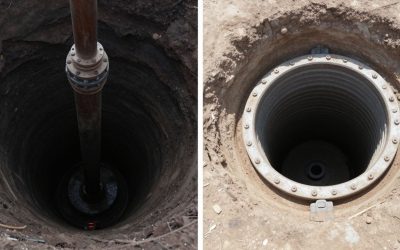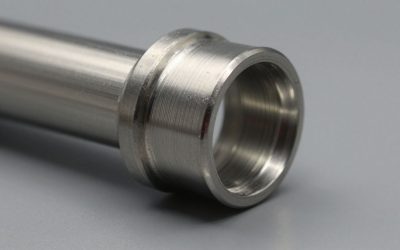
When it comes to your home’s water, you want to be sure it’s clean and safe for everyone. A big part of that safety comes from something you might not think about much: your well seal. Keeping Your Family Safe with Quality Well Seals isn’t just about having water; it’s about having good water. This guide will walk you through why these seals matter and how to make sure yours is doing its job right.
Key Takeaways
- Well seals are important for keeping your water source clean and free from outside junk.
- The type of seal you pick matters for how well it works and how long it lasts.
- Putting the seal on correctly is a big deal for it to do its job.
- Checking your seal now and then helps catch problems before they get bad.
- A good well seal means safer water for your family and less worry.
Understanding The Importance Of Well Seals
So, you’ve got a well, which is pretty neat. It’s your own private water source, right? But have you ever stopped to think about what’s keeping that water clean and safe before it even gets to your tap? That’s where the well seal comes in. It might not be the most glamorous part of your home’s infrastructure, but it’s seriously important. Think of it as the gatekeeper for your water.
Protecting Your Water Source From Contamination
Your well is basically a direct line to the groundwater. That groundwater can pick up all sorts of nasty stuff from the surface if it’s not properly protected. We’re talking about things like:
- Pesticide and fertilizer runoff from nearby farms or even your own lawn.
- Animal waste from pets, livestock, or wildlife.
- Leaking septic systems or other underground storage tanks.
- General dirt, debris, and insects that can easily fall into an unprotected well.
The well seal is the first line of defense against these contaminants. It creates a barrier at the top of your well casing, preventing anything from getting in that shouldn’t be there.
The Role Of Well Seals In Water Quality
It’s pretty straightforward, really. If contaminants get into your well, they can end up in your drinking water. This can lead to all sorts of health problems, from upset stomachs to more serious illnesses. A good well seal helps maintain the purity of your water by keeping the groundwater separate from surface-level pollutants. It’s a simple component, but its impact on the quality of the water you and your family drink every day is huge. Without a proper seal, you’re essentially leaving your water supply vulnerable.
Preventing Surface Water Intrusion
Surface water, especially after heavy rain or snowmelt, can carry a lot of dissolved materials and even bacteria. When this water seeps into the ground, it can find its way into your well if there’s an opening. A well seal is designed to be watertight, or at least highly water-resistant, at the point where the well casing meets the surface. This prevents that surface water, and whatever it’s carrying, from mixing with your cleaner groundwater. It’s all about keeping that boundary between the surface world and your underground water source intact.
A well seal is more than just a cap; it’s a critical barrier. It ensures that the water drawn from your well remains as clean as the aquifer it comes from, preventing the introduction of harmful elements from the environment above. This simple but vital component plays a significant role in the overall health and safety of your household’s water supply.
Choosing The Right Well Seal For Your Needs
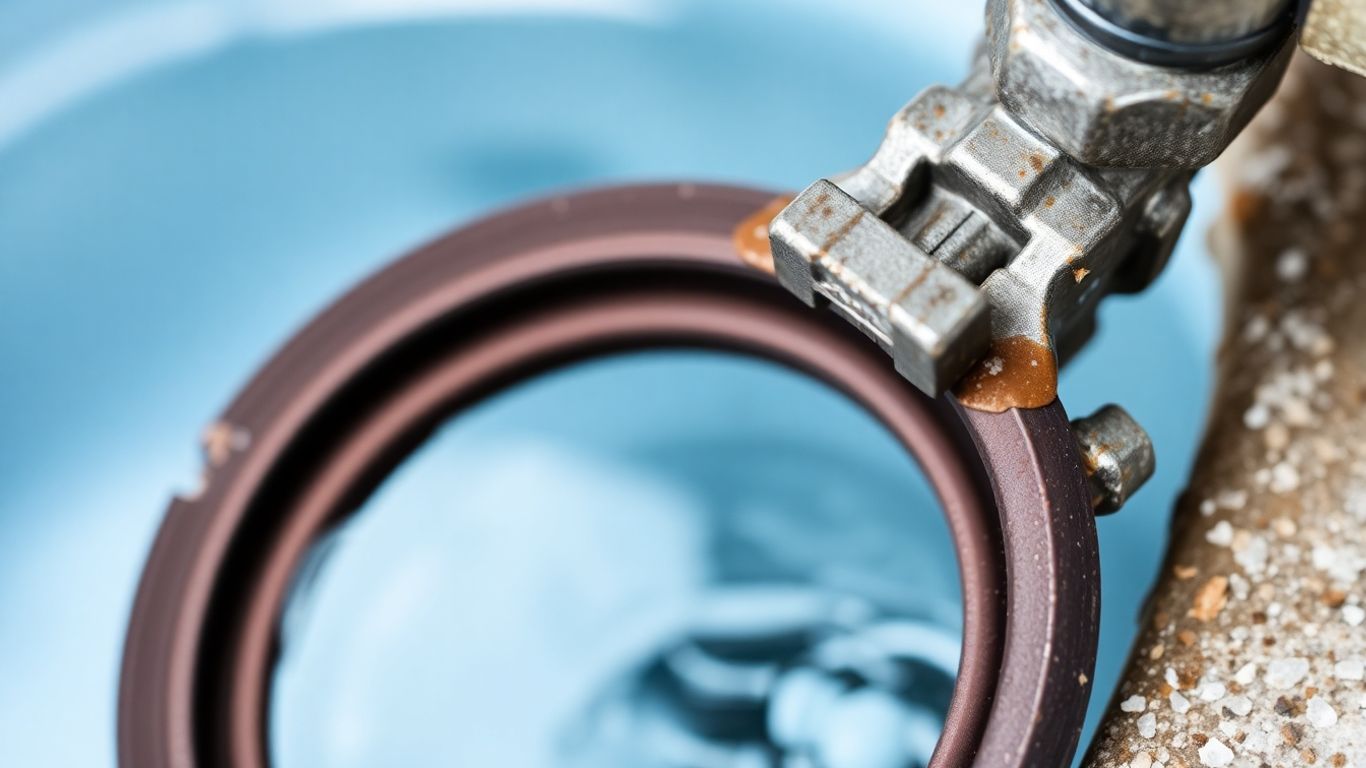
Picking out the right well seal might seem like a small detail, but it’s actually a pretty big deal for keeping your water clean. Think of it like choosing the right lid for a jar – you want it to fit perfectly and keep everything inside fresh and protected. There are a few things to think about to make sure you get one that works best for your specific well.
Material Considerations For Durability
The material your well seal is made from really matters for how long it’ll last and how well it does its job. You’ll see a few common options out there.
- Rubber: This is a popular choice because it’s flexible and can create a good seal. Look for EPDM or neoprene rubber, as they hold up better against things like sunlight and changing temperatures.
- Plastic: Some seals are made from sturdy plastics. These can be really tough and don’t break down as easily from UV rays. They’re often a good choice if your wellhead is exposed to a lot of sun.
- Metal: While less common for the main seal itself, metal components might be part of a larger sealing system. They’re strong but can sometimes corrode over time if not properly treated.
The best material will depend on your local climate and how much wear and tear your wellhead experiences.
Seal Types And Their Applications
Not all well seals are created equal, and different designs are meant for different situations. Knowing the types can help you pick the right one.
- Gasket Seals: These are pretty straightforward. They’re usually a ring of material that gets compressed between two surfaces to block water and contaminants. They’re common and work well for many standard wells.
- Compression Seals: These rely on tightening bolts or screws to squeeze the seal material, creating a tight fit. They offer a very secure closure.
- Mechanical Seals: These are a bit more complex and might involve multiple parts working together. They’re often used in situations where a very high level of protection is needed.
Compatibility With Your Well System
This is super important. You can’t just grab any seal off the shelf and expect it to work. It needs to be the right size and shape for your specific well.
- Well Casing Diameter: The seal has to match the outside diameter of your well casing. If it’s too big, it won’t fit; too small, and it won’t seal properly.
- Wellhead Configuration: Different wellheads have different designs. Some are simple, while others have extra fittings or pipes coming out. Your seal needs to accommodate these.
- Local Regulations: Sometimes, there are specific types of seals or materials that are required by local health departments or water authorities. It’s always a good idea to check if there are any rules you need to follow.
Making sure your well seal is compatible with your system isn’t just about getting a good fit; it’s about creating a reliable barrier. A seal that’s the wrong size or type can leave gaps, letting in all sorts of unwanted things that can make your water unsafe. It’s worth taking the time to measure and confirm compatibility before you buy.
When in doubt, it’s always best to consult the manufacturer of your well system or a qualified well professional. They can help you figure out exactly what you need.
Installation Best Practices For Effective Sealing
Proper Preparation Of The Wellhead
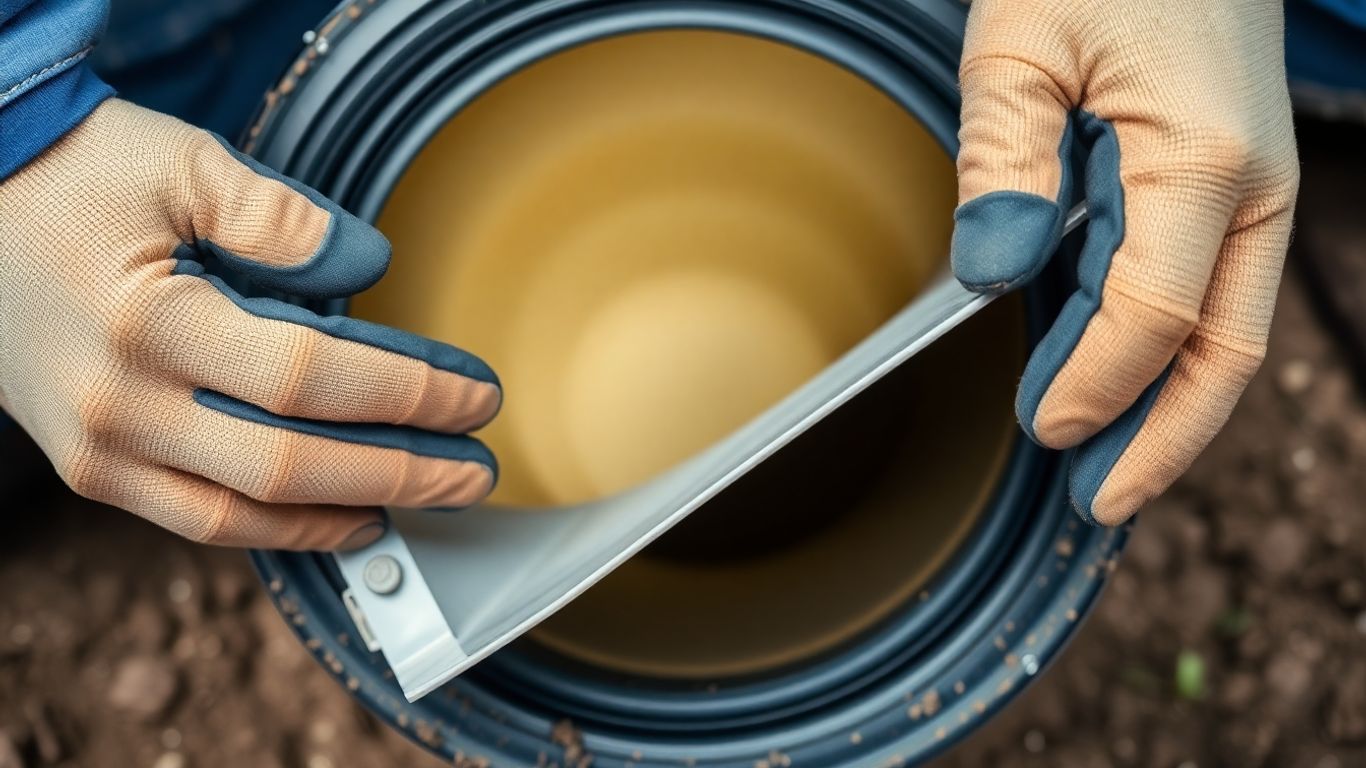
Before you even think about putting a new well seal in place, you’ve got to get the wellhead ready. This means cleaning it up. Seriously, get rid of any dirt, debris, or old sealant that’s clinging on. A clean surface is key for the new seal to do its job right. You don’t want anything getting in the way of a good connection. Think of it like prepping a surface before painting – you wouldn’t paint over dust, would you?
Ensuring A Tight And Secure Fit
Once everything’s prepped, it’s time to install the seal. Follow the manufacturer’s instructions to the letter. A proper fit is non-negotiable for keeping contaminants out. Make sure it’s seated correctly and that all fasteners are tightened evenly. You don’t want any gaps or loose spots. This is where that waterproof barrier really matters. If it’s not snug, water and bugs can find their way in, and that’s exactly what you’re trying to prevent.
Common Installation Mistakes To Avoid
People mess up well seal installations in a few predictable ways. Knowing these can save you a headache:
- Using the wrong size or type of seal for your well.
- Not cleaning the wellhead thoroughly before installation.
- Over-tightening or under-tightening fasteners, which can damage the seal or leave gaps.
- Ignoring the manufacturer’s specific instructions.
Sometimes, it seems like a simple job, but getting it wrong can lead to bigger problems down the road. It’s better to take your time and do it right the first time, even if it feels a bit tedious. Your water quality depends on it.
If you’re not comfortable with this kind of work, or if your wellhead looks complicated, it’s always a good idea to get a professional involved. They’ve seen it all and know how to get it done right.
Maintaining Your Well Seal For Long-Term Protection
So, you’ve got a well seal in place, which is great! It’s doing its job keeping your water clean. But like anything, it needs a little attention now and then to keep working right. Think of it like changing the oil in your car; you don’t just forget about it after the first time. A well seal is no different. Regular check-ups are key to making sure it stays effective and doesn’t let anything nasty sneak into your water supply.
Regular Inspection Schedules
How often should you be looking at your well seal? It’s not something you need to do every week, but setting a routine is smart. Most folks find that checking it once a year is about right. Some might do it more often if they live in an area with heavy rainfall or if they’ve had issues before. It’s a good idea to tie it into another yearly task, like your annual well water testing. That way, you won’t forget.
- Springtime: After winter thaw and potential heavy rains, it’s a good time to check.
- Before Rainy Season: If you know a wet period is coming, a quick look can give you peace of mind.
- Annually with Water Testing: Combine it with your regular water quality checks.
Signs of Wear and Tear
What exactly are you looking for when you inspect the seal? You’re basically checking for anything that looks out of place or damaged. The seal should be snug and intact. If you see cracks, gaps, or if it looks like it’s pulling away from the well casing, that’s a red flag. Also, keep an eye out for any signs of water pooling around the wellhead, or if the seal itself seems brittle or degraded. Even small issues can become big problems if left unchecked.
A compromised well seal can allow surface water, which might carry bacteria, pesticides, or other contaminants, to seep directly into your well. This bypasses any natural filtration the ground might offer, directly impacting the safety of your drinking water.
When to Consider Replacement
Sometimes, an inspection reveals that the seal just isn’t up to snuff anymore. If you notice significant cracking, if the material has become overly flexible or brittle, or if it just doesn’t seem to fit tightly anymore, it’s probably time for a new one. Don’t wait until you see a problem with your water quality. Replacing a worn-out seal is a proactive step that saves you potential headaches and health risks down the road. It’s a relatively small cost compared to dealing with contaminated water or a damaged well system.
The Link Between Well Seals And Family Health
Safeguarding Against Waterborne Illnesses
Think about it: your well is the primary source of water for your home. If that seal isn’t doing its job, all sorts of nasty stuff can get in. We’re talking about bacteria, viruses, and other microscopic troublemakers that can cause serious sickness. A properly functioning well seal acts as the first line of defense, keeping your drinking water clean and safe. It’s not just about taste or smell; it’s about preventing illnesses that can really put your family through the wringer. Things like E. coli, giardia, and cryptosporidium are no joke, and they can all find their way into your water if the seal is compromised. This is especially important if you have young children, elderly family members, or anyone with a weakened immune system living with you.
Peace Of Mind For Your Household
Knowing that your water is protected brings a certain calm, doesn’t it? You don’t have to constantly worry about what might be lurking in the water you use for drinking, cooking, and bathing. This peace of mind is hard to put a price on. It means fewer anxious moments and more confidence in the everyday routines of your household. When you’ve got a good seal, you can just go about your day without that nagging thought in the back of your mind about water safety. It’s one less thing to add to the list of worries that parents often juggle.
The Economic Benefits Of Preventative Care
While the health benefits are the most obvious reason to care about your well seal, there are also some pretty significant economic advantages to keeping it in good shape. Dealing with a contaminated water supply can get expensive, fast. You might have to pay for bottled water, water testing, and potentially costly medical treatments if someone gets sick. Then there’s the expense of fixing a well that’s been compromised, which can involve digging, replacing parts, and extensive disinfection. Taking care of your well seal now is a smart investment that saves you money and headaches down the road. It’s a classic case of an ounce of prevention being worth a pound of cure.
A well-maintained seal isn’t just a piece of equipment; it’s a guardian of your family’s well-being. It works tirelessly, often unnoticed, to keep the water flowing cleanly from your tap. Neglecting this simple component can lead to a cascade of problems, from minor inconveniences to major health crises and significant financial burdens. Prioritizing its integrity is a direct investment in the health and security of everyone under your roof.
Professional Assistance For Your Well Seal Needs
When To Call A Well Professional
Look, sometimes you just know when a job is beyond your DIY skills. For well seals, this is often the case. If you’re noticing any of the following, it’s probably time to pick up the phone and call someone who knows wells:
- You’ve tried to inspect or replace the seal yourself and aren’t confident it’s done right.
- Your water pressure has been acting weird lately, dropping suddenly or fluctuating.
- There’s a persistent smell or taste in your water that wasn’t there before, like dirt or chemicals.
- You’ve found visible damage around your wellhead, like cracks in the concrete or a loose cap.
Don’t guess when it comes to your family’s drinking water. A small problem now can become a big, expensive headache later.
Benefits Of Expert Installation And Maintenance
Getting a pro involved isn’t just about avoiding a mess; it’s about getting it done right the first time. They have the right tools, know the specific requirements for your type of well, and understand the local regulations. Plus, they can spot potential issues you might miss. Think of it as an investment in reliable, safe water for years to come. They can also advise on the best seal type for your specific situation, which can save you money and hassle down the road.
Finding A Qualified Service Provider
Finding someone good can feel like a chore, but it’s worth the effort. Start by asking neighbors or friends for recommendations. Check with your local health department; they often have lists of licensed well contractors. Look for companies that specialize in well systems and have good reviews online. Don’t be afraid to get a few quotes and ask about their experience with well seal work specifically. A reputable well service company will be happy to answer your questions and explain their process.
When you hire a professional, you’re not just paying for their time; you’re paying for their knowledge, their tools, and the assurance that the job is done correctly. This peace of mind is often priceless, especially when it concerns something as vital as your family’s health and the integrity of your water supply.
Wrapping It Up
So, we’ve talked a lot about well seals and why they matter for your home’s water. It might seem like a small thing, but a good seal really keeps the bad stuff out and the good water in. Think of it as a gatekeeper for your family’s health. Don’t wait until there’s a problem to check on it. A little bit of attention now can save you a lot of headaches later. Make sure you’re using quality parts and if you’re not sure, get someone who knows what they’re doing to take a look. Keeping your well water safe is just part of taking care of your home and everyone in it.
Frequently Asked Questions
What exactly is a well seal and why is it so important for my family’s water?
Think of a well seal as a cap or lid for your well. Its main job is to keep yucky stuff like dirt, bugs, and surface water from getting into your drinking water. This is super important because if bad things get in, they can make your family sick.
How do I know if my well seal is doing its job or if it’s time for a new one?
You should check your well seal every so often. Look for any cracks, gaps, or signs that it’s loose. If you see anything that looks broken or doesn’t fit right, it’s probably time to get it checked out by a pro and maybe replaced.
Can I just put any kind of seal on my well, or do I need a special one?
Not all seals are the same! You need to make sure the seal you choose fits your specific well system. Different wells have different sizes and types, so picking the right one ensures it works properly to keep your water clean and safe.
What happens if my well seal isn’t working right? What are the risks?
If your well seal is damaged or missing, nasty things from the ground’s surface can easily sneak into your water supply. This could include bacteria, chemicals, or even animal waste, all of which can cause serious health problems like stomach bugs or worse.
Is it better to install a well seal myself or hire someone?
While some handy folks might try it themselves, it’s usually best to have a professional install your well seal. They have the right tools and know-how to make sure it’s sealed up tight and perfectly in place, which is key for keeping your water safe.
How often should I really be thinking about my well seal’s condition?
It’s a good idea to give your well seal a quick look-over at least once a year. More thorough checks should happen after big weather events, like heavy rains or floods, just to be extra sure everything is still secure and protecting your water.