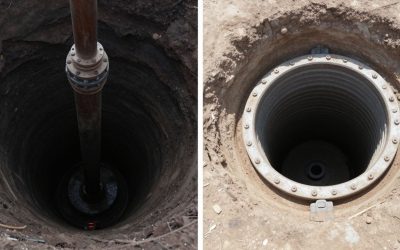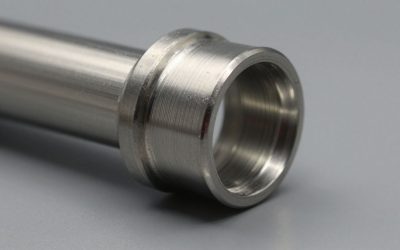
You know, when you have a well on your property, it’s easy to forget about it. It just sits there, doing its job. But like anything, it needs a little attention now and then. Specifically, the seals around the well. If they start to go bad, it can lead to some pretty messy situations. That’s why thinking about Protecting Groundwater Ecosystems with Proper Well Seals is actually a pretty smart move. It’s not just about keeping the water flowing; it’s about avoiding a whole heap of trouble down the road.
Key Takeaways
- Well seals stop bad stuff from getting into your water and keep your well working right, meaning cleaner water for you.
- Looking for cracks, leaks, or weird pressure changes helps catch seal problems early, before they get serious.
- Ignoring seal issues can mean big repair bills, damage to the well itself, and maybe even losing your water source.
- Setting up a schedule to check your well seals and getting pros to look at them when needed keeps things running smoothly.
- Good seals protect groundwater, stop soil from getting dirty, and help the local environment stay healthy.
Understanding The Critical Role Of Well Seals
Think of a well seal as the guardian of your water source, sitting right where the well casing meets the ground. It’s not just a random piece of equipment; it’s a vital barrier. Its main gig is to keep the surface world out and your clean groundwater in. When this seal starts to falter, it’s like leaving the door unlocked, inviting all sorts of unwanted guests into your water system.
Preventing Contamination Pathways
This is probably the most important job of a well seal. When it’s in good shape, it stops surface water, which can carry all sorts of nasty stuff like pesticides, animal waste, and dirt, from seeping down into your well. Without a proper seal, these contaminants have a direct route to your water supply. It’s a pretty simple concept, but the impact is huge. A failing seal creates an open invitation for trouble, turning what should be a clean source into a potential health hazard.
Maintaining Well Integrity
Beyond just keeping things out, the seal also plays a part in keeping the well itself structurally sound. It helps to support the top of the well casing, preventing it from shifting or collapsing over time due to ground movement or pressure. A compromised seal means the whole structure is a bit weaker, making it more vulnerable to damage. It’s like the cap on a bottle; it keeps things contained and protected.
Ensuring Water Quality
Ultimately, it all comes down to the water you drink or use. A well seal is your first line of defense for maintaining the quality of your water. While pumps and filters do their part, they can only do so much if the water entering the system is already dirty. A good seal means your water treatment systems have a much easier job, and you can be more confident that the water coming out of your tap is safe and clean. A properly functioning well seal is fundamental to protecting both your health and the environment.
Here are some common issues that can arise with failing well seals:
- Cracks or gaps in the seal material.
- Evidence of water pooling around the wellhead.
- Insects or small animals found near or in the well opening.
- Unusual odors or tastes in the water.
Safeguarding Groundwater Ecosystems
When a well seal starts to go bad, it’s not just your personal water supply that’s at risk. We’re talking about the whole underground world, the stuff that keeps our local environments healthy. Think of that seal as a gatekeeper. If it’s not doing its job, it’s like leaving the back door wide open for trouble.
Preventing Soil Contamination
It’s easy to focus just on the water, but the ground around your well matters too. A leaky seal can let all sorts of unwanted things seep right into the soil. This can mess with plant life and make the land less useful down the road. It’s a real problem if things like chemicals or waste get into the soil and just sit there.
- Surface runoff carrying pollutants can enter the well casing.
- Underground contaminants can migrate towards the well.
- The soil structure itself can be compromised.
Protecting Local Ecosystems
Our natural surroundings are pretty sensitive. When well seals fail, there’s a higher chance that pollution can find its way into nearby streams, rivers, or wetlands. This can really harm fish, frogs, and all sorts of other critters that depend on clean water to survive. It’s a chain reaction, and a bad seal can kick it off. Keeping those seals in good shape is a simple but effective way to look out for the nature around us.
A compromised well seal isn’t just a local issue; it can disrupt the delicate balance of underground water flow, impacting natural water bodies and the life they support. This makes maintaining well integrity a shared environmental responsibility.
Safeguarding Groundwater Resources
Groundwater is a huge source of drinking water for many places, and it also feeds the ecosystems we often take for granted. If contaminants get into the groundwater, they can spread out pretty far, making a lot of water unusable for a long time. This isn’t just an inconvenience; it’s a serious threat to public health and the environment. Properly maintained well seals are a frontline defense against this widespread contamination.
Here’s a quick look at what can happen:
- Contaminants enter the groundwater system.
- Aquifers become polluted, affecting drinking water sources.
- Natural water cycles are disrupted.
The Costly Consequences Of Neglect
Ignoring your well seals might seem like a way to save a few bucks in the short term, but trust me, it’s a gamble that rarely pays off. When those seals start to go, the problems don’t just stay put; they spread and get a whole lot more expensive to fix. Neglecting regular inspections is a direct path to significant financial headaches and potential long-term damage.
Expensive Remediation Efforts
When a well seal fails, it’s not just a simple patch-up job. You’re often looking at a cascade of issues. Contaminants can seep into the water source, requiring extensive and costly purification processes. If the seal has allowed significant ingress of surface water or soil, the entire well might need to be flushed, disinfected, or even re-drilled. These aren’t cheap fixes, and the longer you wait, the worse the contamination can get, driving up the remediation costs.
Potential For Structural Damage
It’s not just about the water quality. A compromised well seal can lead to bigger structural problems. Water and soil moving where they shouldn’t can erode the well casing, weaken the grout seal, or even affect the surrounding ground. This kind of damage can compromise the entire well’s integrity, making it unstable and unsafe. Repairing structural damage to a well is a major undertaking, often involving heavy equipment and specialized work, which adds substantially to the overall expense.
Loss Of Water Source Viability
In the worst-case scenarios, the damage caused by a neglected well seal can be irreversible. If contamination is severe or structural damage is too extensive, the well might become unusable. This means losing your primary water source, which can be devastating for homes, farms, or businesses that rely on it. Replacing a well is incredibly expensive, and in some areas, finding a suitable location for a new one might be difficult or even impossible. It’s a stark reminder that a small oversight can lead to the complete loss of a vital resource.
Think of it like ignoring a small leak in your roof. At first, it’s just a drip. You might think, ‘I’ll get to it later.’ But that drip can lead to water damage in your ceiling, mold growth, and eventually, a much bigger, more expensive repair job that affects the whole structure. Well seals are similar; a small problem left unchecked can snowball into a crisis.
Regulatory Compliance And Well Performance
Meeting Environmental Standards
Keeping your well in good shape isn’t just about having water; it’s also about following the rules. Different areas have specific rules about how wells should be built and maintained to keep the environment safe. When your well seals are in good condition, you’re much more likely to be meeting these standards. It means you’re doing your part to stop bad stuff from getting into the ground and water supply. Regular checks help you stay on the right side of the law.
Optimizing Water Extraction Efficiency
Think of your well seals like the gasket on a jar. If it’s not sealing right, you lose pressure, and it’s harder to get what you need out. The same goes for your well. Good seals mean your pump doesn’t have to work as hard. This can save you money on electricity and make sure your pump lasts longer. When everything is sealed up tight, you get the most water for the effort.
Avoiding Fines And Penalties
Nobody wants to get a notice from the government saying they’re not following rules. If your well isn’t up to par, especially if it’s causing pollution, you could be looking at some hefty fines. Sometimes, it can even get to the point where you have to shut down the well until it’s fixed. That’s a big headache and a lot of unexpected costs. Staying on top of your well seal inspections is a simple way to avoid all that trouble.
Proper well maintenance, including the integrity of the seals, is a key part of responsible water management. It protects not only your property but also the shared resources around you. Ignoring these details can lead to a cascade of problems, from environmental damage to legal issues.
Proactive Maintenance Schedules
Think of your well seals like the tires on your car. You wouldn’t wait for a blowout to get them checked, right? The same goes for your well. Setting up a regular check-up plan for your well seals is your best bet for catching small issues before they turn into big, expensive headaches. It’s all about staying ahead of the game.
Establishing A Routine Inspection Plan
Getting into a habit of checking your well seals is pretty straightforward. You don’t need to be a plumbing wizard to do some basic looking around. The goal here is to make these checks a normal part of your property upkeep, maybe once or twice a year, or even more often if your well is older or in a tricky spot.
Here’s a simple way to approach it:
- Visual Checks: Take a walk around your wellhead. Look for anything that seems off – cracks in the concrete, loose bolts, or any signs of water pooling around the base where it shouldn’t be.
- Listen and Observe: Pay attention to your water. Does the pressure seem weird? Are there any unusual noises coming from the pump? Little changes can mean a lot.
- Record Keeping: Keep a simple log. Jot down what you see, when you see it, and any little fixes you make. This history is gold later on.
Documenting your findings is more than just remembering. It builds a story of your well’s health over time. This record can be super helpful if you ever need to explain things to a technician or even an insurance company. It helps you spot patterns you might otherwise miss.
Understanding Seal Failure Indicators
Sometimes, seals just wear out. Knowing what to look for can save you a lot of trouble. These aren’t always obvious, but a few common signs point to a seal that’s not doing its job anymore.
- Visible Cracks or Gaps: The most obvious sign is damage you can see. Cracks in the grout or casing, or gaps where the seal should be tight, are red flags.
- Water Intrusion: If you notice water pooling around the wellhead, or if the area seems unusually damp, it could mean the seal is compromised and surface water is getting in.
- Changes in Water Quality: A sudden change in your water’s taste, smell, or clarity can sometimes be linked to a failing seal allowing contaminants to enter.
- Pump Performance Issues: If your pump starts working harder, cycling oddly, or losing prime, it might be struggling because the seal isn’t maintaining proper pressure.
The Importance Of Professional Inspections
While you can certainly do your own walk-arounds, there are times when you really need a pro. These folks have the right tools and know-how to spot problems that are hidden from view. They can do tests that you can’t, giving you a much clearer picture of your well’s condition.
- In-depth Testing: Professionals can perform tests like pressure tests or dye tracing to really check the integrity of the seal and identify potential leak paths.
- Expert Diagnosis: They can identify the root cause of any issues and recommend the most effective solutions.
- Compliance Assurance: A professional inspection can help confirm that your well meets all local regulations and environmental standards.
Getting a professional check-up at least once a year is a smart move, especially for older wells or those in areas with complex geology. Don’t wait until you suspect a major problem; proactive service keeps everything running smoothly and safely.
Benefits Of Proper Well Sealing
Taking care of your well seals might seem like a small thing, but it actually does a lot of good. It’s not just about keeping your water clean, though that’s a big part of it. Good seals are like a shield, protecting a lot more than just your personal water supply. They are a key part of responsible water management.
Groundwater Protection
When your well seals are in good shape, they act as a barrier. This barrier stops surface water, chemicals, or anything else nasty from seeping down into your groundwater. Groundwater is a huge source of drinking water for many places and keeps local plants and animals alive. A bad seal is like leaving a door open for contamination to spread, which can ruin a whole lot of water and take ages to clean up, if it can be cleaned up at all. Keeping those seals tight means the water underground stays clean and safe for everyone.
Hazard Mitigation
Faulty well seals can create risks you might not even think about. For starters, they can let surface water and soil into the well, which can mess with the well’s structure over time. This could lead to bigger problems like casing damage or even affect the ground around the well. Also, if a well is no longer in use and isn’t properly sealed, it can become a safety hazard, like a hidden hole in the ground. Proper sealing takes care of these potential dangers before they become serious issues.
Regulatory Compliance
Most places have rules about how wells should be built and maintained. These rules are there to protect the environment and public health. Having well-maintained seals helps you meet these requirements. It shows you’re being responsible and not putting the local water sources or soil at risk. Staying on top of your well’s condition, especially the seals, means you’re less likely to face fines or other penalties for non-compliance. It’s a straightforward way to stay out of trouble with the authorities and do the right thing for the environment.
Wrapping Up: A Simple Step for Big Protection
So, we’ve talked a lot about well seals. They might seem like a small detail, but they really do a lot. Keeping them in good shape means cleaner water for you and your family, and it also means you’re doing your part to keep the environment around you healthy. It’s not complicated stuff – just a little bit of regular checking can prevent a whole lot of headaches and expensive fixes down the line. Think of it as basic home maintenance, like making sure your car runs smoothly. A little attention now saves a lot of trouble later, and honestly, that’s a pretty good deal for everyone.
Frequently Asked Questions
What exactly is a well seal and why is it important?
Think of a well seal as a protective cap for your water well. Its main job is to act like a gatekeeper, keeping out unwanted things like dirt, bugs, and contaminated water. This way, the water that comes out of your well stays clean and safe to use. It’s a small but super important part of keeping your water supply pure.
How can I tell if my well seal is starting to fail?
You can often spot problems with your well seal by looking for visible signs. Check if there are any cracks or if the seal looks worn out. Sometimes, you might see water leaking around the top of the wellhead, or you might notice strange changes in your water pressure. Keeping an eye out for these clues can help you catch issues before they become major problems.
What happens if I ignore a damaged well seal?
Ignoring a bad well seal can lead to some serious trouble. You might end up facing big repair bills because the damage can get worse over time. It could even harm the structure of the well itself. In the worst-case scenario, the contamination could make your water source unusable, meaning you’d have no clean water.
How often should I check my well seal?
It’s a good idea to make checking your well seal a regular thing. Most experts recommend inspecting it at least once a year. However, if you live in an area with tough weather, like heavy rains or freezing temperatures, you might want to check it more often. Keeping a record of your inspections is also a smart move.
Can a bad well seal harm the environment?
Yes, absolutely. If contaminants like chemicals or waste get into the well through a faulty seal, they can leak into the ground. This pollution can spread through the underground water, harming plants, animals, and the soil around your property. It’s a big deal for the local environment.
Do I need to hire someone to check my well seal?
While you can do some basic visual checks yourself, it’s often best to have a professional take a look. They have the right tools and knowledge to spot subtle problems you might miss. Regular check-ups by a qualified well technician can ensure your seal is in top shape and prevent future issues.