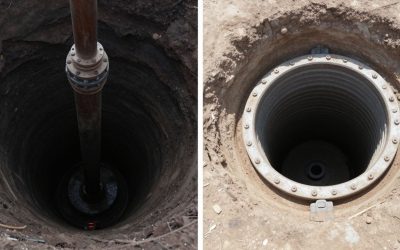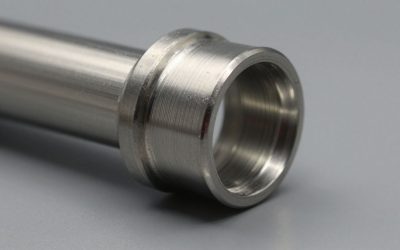
Thinking about how to seal up your well? It’s not just about stopping leaks; it’s also about making choices that are good for the long haul. We’re talking about Sustainable Choices Selecting Long-Lasting Well Seals. This means picking materials that last a good long time and don’t mess up the environment. It might seem like a small detail, but the stuff we use to seal things can have a big impact, both now and down the road. Let’s look at some options that are better for us and the planet.
Key Takeaways
- Opt for sealants made from renewable resources like soy or corn, or those using reclaimed plastics and rubber to cut down on waste.
- Look for seals that resist compression set, maintain sealing force over time (low stress relaxation), and can handle repeated use without failing.
- Choosing eco-friendly seals means fewer harmful chemicals in your living space, contributing to a healthier environment for everyone.
- Sustainable seals are built to last, meaning less frequent replacement and maintenance, which saves money and resources.
- When making your choice, research certified green alternatives and partner with companies that prioritize environmental responsibility.
Understanding Sustainable Well Seal Materials
When we talk about well seals, especially in the context of sustainability, we’re really looking at what they’re made of and how that impacts our environment. For a long time, many sealants relied on materials that weren’t exactly kind to the planet, often derived from fossil fuels or containing chemicals that could cause problems down the line. But things are changing, and there are some pretty neat alternatives popping up.
Bio-Based Sealants From Renewable Resources
These are sealants that come from plants, like corn or soybeans. Think of it as using nature’s own building blocks. They’re a good choice because they don’t depend on oil and can be replenished. Plus, they generally avoid those nasty chemicals found in older types of sealants, which is better for everyone around. They still do a solid job of keeping water out and holding up against the sun, just like the traditional ones.
Acrylic Sealers For A Safer Environment
Acrylic sealers are another option that’s gaining traction. They’re water-based, which means they don’t have the harsh solvents or toxic stuff that some other sealants do. This makes them a lot safer to use and be around. They’re known for lasting a good while and you can even get them in different looks, from a dull finish to something shiny. Applying them is usually pretty straightforward, and they’re just generally easier on the environment.
Reclaimed Resins For Reduced Waste
This is where recycling gets really interesting. Some companies are now making sealants out of materials that would have otherwise been thrown away, like old plastics and rubber. It’s a smart way to turn trash into treasure, giving these materials a new life as a durable sealant. This approach helps cut down on landfill waste and means we’re using fewer new resources. It’s a win-win for durability and the planet.
Choosing materials that are renewable or made from recycled content is a big step towards reducing our reliance on finite resources and minimizing the environmental footprint of our projects.
Key Properties For Long-Lasting Well Seals
When you’re picking out seals for your well, especially ones that need to work reliably over time, there are a few things to really pay attention to. It’s not just about them fitting; it’s about how they hold up.
Excellent Compression Set Resistance
This is a big one. Basically, it’s how well a seal bounces back to its original shape after being squeezed for a while. If a seal has poor compression set resistance, it might stay squashed, and then it won’t seal properly anymore. Think of it like a cheap sponge versus a good one; the cheap one just stays flat after you squeeze it.
Low Stress Relaxation For Sustained Force
Even if a seal can bounce back, it also needs to keep pushing back. Stress relaxation is about how much force a seal loses over time while it’s compressed. A seal with low stress relaxation will keep applying steady pressure, which is what you need to keep things sealed up tight. If it relaxes too much, leaks can start to happen, especially in dynamic situations.
Fatigue Resistance For Repeated Use
Some seals are in applications where they get opened and closed, or compressed and released, over and over. This is where fatigue resistance comes in. It means the material can handle all that back-and-forth action without breaking down or losing its ability to seal. It’s like bending a paperclip; bend it a few times and it’s fine, but keep going and it snaps. You want seals that can handle thousands of those bends.
Choosing seals with these properties means you’re less likely to deal with leaks and failures down the road. It’s about picking materials that are built to last, not just for the first day, but for years of use, even under tough conditions. This saves you hassle and money in the long run.
Here’s a quick rundown:
- Compression Set Resistance: How well it springs back after being squashed.
- Stress Relaxation: How well it maintains its sealing force over time.
- Fatigue Resistance: How well it handles repeated opening, closing, or flexing.
Looking at these properties will help you select seals that won’t let you down when you need them most.
Benefits Of Choosing Eco-Friendly Well Seals
So, why bother with the "green" options when it comes to well seals? It turns out there are some pretty good reasons, beyond just feeling good about yourself. Making the switch to eco-friendly well seals isn’t just a trend; it’s a smart move for your health, your wallet, and the planet.
Healthier Living Spaces With Low VOCs
Think about what goes into traditional sealants. Often, they’re loaded with chemicals that can off-gas into your home or workspace. These are called Volatile Organic Compounds, or VOCs for short. They can cause headaches, make your eyes water, and generally make the air quality in your home less than ideal. Eco-friendly seals, on the other hand, are formulated to release very few, if any, of these nasty compounds. This means cleaner air for you, your family, and any pets running around. It’s a simple change that makes a big difference in your day-to-day comfort and well-being.
Contribution To A Greener Planet
Every time you choose a product made with sustainability in mind, you’re casting a vote for a healthier planet. Many eco-friendly well seals are made from renewable resources, meaning they don’t rely as heavily on fossil fuels. Plus, manufacturers are increasingly looking at ways to reduce waste in their production processes and use recycled materials. By opting for these seals, you’re helping to cut down on pollution and conserve natural resources. It’s a small step, but when lots of people take it, it adds up.
Durability And Reduced Maintenance Needs
Here’s where the "long-lasting" part really comes into play. While some eco-friendly options might seem a bit pricier upfront, they often perform just as well, if not better, than their conventional counterparts. They’re designed to withstand the elements and maintain their integrity over time. This means you won’t be needing to replace or repair them as often. Less frequent maintenance translates to saving money and time in the long run. It’s an investment that pays off by keeping things sealed tight and working right for longer periods, reducing the need for repeat applications and the associated costs and environmental impact.
Making The Switch To Sustainable Sealing
So, you’re thinking about making the change to more eco-friendly well seals. That’s a smart move, honestly. It’s not just about being trendy; it’s about making choices that are better for everyone in the long run. But where do you even start? It can feel a bit overwhelming with all the options out there.
Researching Certified Green Alternatives
First things first, you’ve got to do a little digging. Not all "green" products are created equal, you know? Look for seals that have actual certifications from reputable environmental groups. These certifications mean the product has been tested and meets certain standards for sustainability and low impact. It’s like getting a stamp of approval that says, "Yep, this is the real deal." Think of it as a shortcut to finding stuff that actually works and isn’t just greenwashing.
Partnering With Eco-Conscious Providers
Next up, who are you buying from? It’s not just about the product itself, but the company behind it. Find suppliers who are genuinely committed to sustainability. Ask them about their manufacturing processes, their waste reduction efforts, and their overall environmental policies. A good partner will be transparent and happy to share this information. Choosing a provider that aligns with your values makes the whole process smoother and more meaningful. It’s about building relationships with businesses that care about the planet as much as you do.
Considering Long-Term Investment Value
Okay, let’s talk money. Sometimes, the eco-friendly options might seem a bit pricier upfront. I get it, nobody likes spending more. But here’s the thing: these seals are often built to last. They resist wear and tear better, meaning you won’t have to replace them as often. That saves you money and hassle down the road. Plus, think about the reduced maintenance needs and the positive impact on your health and the environment. When you add it all up, it’s usually a better investment over the lifespan of the seal. It’s not just an expense; it’s a smart, long-term decision.
Here’s a quick way to think about it:
- Upfront Cost: Might be slightly higher.
- Durability: Generally superior, leading to fewer replacements.
- Maintenance: Often requires less upkeep.
- Environmental Impact: Significantly lower.
- Health Benefits: Reduced exposure to harmful chemicals.
Making the switch isn’t just about buying a different product; it’s about adopting a mindset that prioritizes health and environmental responsibility. It’s a conscious choice that benefits your immediate surroundings and contributes to a larger, positive change.
Innovative Materials For Eco-Conscious Sealing
When we talk about sealing things, especially around wells, it’s not just about stopping leaks anymore. People are really starting to think about what these materials are made of and where they come from. Luckily, there are some pretty cool new options popping up that are way better for the planet.
Natural Rubber For Flexibility And Sustainability
Think about natural rubber. It comes from trees, which is pretty neat, right? This makes it a renewable choice, and it’s also biodegradable, meaning it breaks down naturally over time. While it might not be the best choice if you’re dealing with really harsh chemicals or oils, it’s fantastic for applications where you need something flexible and gentle on the environment. It’s a solid pick for many general sealing jobs.
Silicone And TPEs For Versatility
Then you have silicone and TPEs (Thermoplastic Elastomers). These guys are super versatile. Silicone is known for handling high temperatures like a champ, which is useful in some demanding situations. TPEs, on the other hand, offer a nice mix – they feel like rubber and are flexible, but they’re also easier to work with during manufacturing. Plus, both silicone and TPEs can often be recycled, which is a big win for reducing waste.
Emerging Biodegradable Elastomers
Looking ahead, there’s a lot of research going into brand-new materials. Scientists are working on developing high-performance elastomers that can actually biodegrade. These are often made from things like corn starch or even algae. They’re still pretty new and might not be everywhere yet, but they represent the future of sealing – materials that work well and then disappear without harming the earth. It’s exciting stuff!
Making the switch to these newer materials isn’t just about being trendy; it’s about making a responsible choice for the long haul. These options often require less energy to produce and have a smaller environmental footprint from start to finish.
Wrapping It Up
So, we’ve talked a lot about well seals and why picking the right ones matters. It’s not just about getting the job done today; it’s about making smart choices that last. Think about it – using materials that are good for the planet and don’t break down after a year? That saves you money and hassle down the road. Plus, it’s a small way we can all do our part for a cleaner environment. When you’re ready to seal up your next project, remember to look for options that are built to last and kind to the earth. It’s a win-win, really.
Frequently Asked Questions
What makes a well seal “sustainable”?
Sustainable well seals are made from materials that are better for the environment. This means they might come from plants or recycled stuff, or they don’t release harmful chemicals into the air. They are also built to last a long time, so you don’t have to replace them as often, which saves resources.
Are eco-friendly seals as good as regular ones?
Yes, many eco-friendly seals are just as good, if not better! They are designed to keep working well for a long time, resisting squeezing and stretching without losing their seal. Think of them as tough and reliable, just like the older types, but without the bad stuff.
What are some examples of “green” seal materials?
Some green options include sealants made from plants like soy or corn, which are called bio-based. Others are made from recycled plastics and rubber. Materials like natural rubber, silicone, and special plastics called TPEs are also good choices because they are durable and can be recycled.
Why is it important to choose seals with low VOCs?
VOCs are chemicals that can get into the air and cause problems for your health, like headaches or breathing issues. They can also harm the environment. Seals with low VOCs mean cleaner air inside your home or building, making it a healthier place to be.
How do seals that last longer help the planet?
When seals last a long time, you don’t need to buy new ones as often. This means fewer resources are used to make them, and less waste ends up in landfills. It’s like buying a durable toy that doesn’t break easily – it’s better for your wallet and the Earth.
How can I find out if a seal product is truly eco-friendly?
Look for products that have special certifications from environmental groups. You can also ask the company selling the seals if they have proof of their green practices. Choosing companies that care about the environment is a good way to make sure you’re getting a truly sustainable product.