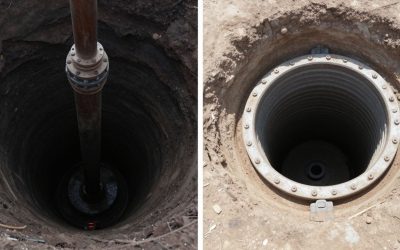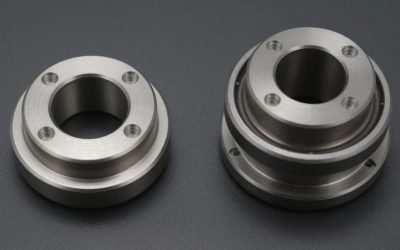
When you’re dealing with wells, especially in tough conditions, the materials you use for seals really matter. It’s not just about picking something that fits; it’s about choosing materials that can handle the job day in and day out. Using top-notch stuff for well seals might seem like an extra cost upfront, but it pays off big time. We’re talking about seals that work better, last longer, and keep everything running smoothly and safely. This article looks at why going for the good stuff in well seals is a smart move.
Key Takeaways
- High-grade materials offer superior performance, especially when wells face extreme pressures, high temperatures, or corrosive elements.
- Using better materials means seals last longer and resist wear and tear, cutting down on how often you need to replace them.
- When seals work well and don’t fail, it means less downtime for operations and a smoother, more efficient process overall.
- Top-quality seals are vital for safety, preventing leaks and blowouts, and helping operations meet strict environmental rules.
- New material science is constantly creating advanced polymers and metal options for seals that can handle even the most demanding well environments.
Superior Performance in Extreme Conditions
Withstanding High Pressures and Temperatures
When you’re dealing with oil and gas wells, things can get pretty intense. We’re talking about pressures that can crush ordinary materials and temperatures that would melt most things. That’s where high-grade seal materials really shine. They’re built tough, designed to keep sealing even when the heat is on and the pressure is sky-high. Think about materials like perfluoroelastomers (FFKMs). These aren’t your average rubber seals; they can handle temperatures up to around 335°C (635°F) and still keep their shape and sealing power. This means they don’t break down or lose their grip when the well is pushing them to their limits.
Resilience Against Corrosive Environments
Wells aren’t just hot and pressurized; they’re often filled with all sorts of nasty stuff that can eat away at materials. We’re talking about aggressive chemicals, sour gas, and other corrosive agents. Using lower-grade materials in these conditions is just asking for trouble. High-grade seals, especially those made from advanced polymers like FFKMs, are engineered to resist this chemical attack. They maintain their integrity, preventing leaks and protecting the surrounding equipment from damage. It’s like giving your well a suit of armor against corrosive fluids.
Maintaining Integrity in Dynamic Applications
Seals in wells aren’t always just sitting there. They often have to deal with movement, vibration, and fluctuating conditions. This is especially true in dynamic applications like pumps, valves, and moving parts within the wellhead. A seal that can’t keep up with these movements will eventually fail. High-grade materials are formulated to remain flexible and resilient, even under constant stress. They have a low compression set, meaning they bounce back after being squeezed, which is vital for maintaining a tight seal over time, no matter how much things are moving around.
Enhanced Durability and Longevity
When you’re dealing with the kind of pressures and temperatures found downhole, your well seals can’t afford to be flimsy. That’s where high-grade materials really shine, offering a toughness that just keeps going. Think of it like this: you wouldn’t build a house with cardboard, right? Same idea applies here. These better materials are built to last, meaning fewer headaches and less money spent on replacements.
Resistance to Wear and Abrasion
Stuff gets scraped and rubbed against down there, a lot. Seals made from lower-quality stuff can get chewed up pretty quickly. But the good stuff? It’s got this resilience that lets it shrug off that kind of abuse. This means the seal stays a seal, doing its job without getting worn down to nothing. It’s all about materials that can handle the constant grinding and scraping without losing their shape or their ability to block leaks.
Minimizing Compression Set for Sustained Sealing
Over time, seals can get squashed and just stay that way – that’s called compression set. If a seal can’t bounce back, it won’t seal properly anymore. High-grade materials are engineered to have a really low compression set. They might get squeezed, but they’ll spring back to their original form much better than cheaper alternatives. This is super important because it means the seal keeps working effectively for a lot longer, even after being under pressure for ages.
Here’s a quick look at how different materials might hold up:
| Material Type | Compression Set (after 1000 hrs @ 300°C) | Notes |
|---|---|---|
| Standard Elastomer | High | Prone to permanent deformation |
| High-Performance FFKM | Very Low | Maintains shape and sealing ability |
| Competitor FFKM | Low to Moderate | Better, but still shows some deformation |
Extended Equipment Lifespan Through Material Excellence
Using top-notch materials in your seals isn’t just about the seal itself; it protects the whole piece of equipment. When a seal fails, it can cause all sorts of damage to other parts. But a durable, high-grade seal acts like a good bodyguard, preventing leaks and contamination that could wreck expensive machinery. This means your pumps, valves, and other critical components last much longer, saving you a fortune in the long run.
The real advantage of using superior materials is the peace of mind that comes with knowing your equipment is protected. It’s about preventing small problems from turning into big, costly disasters. This kind of reliability is what keeps operations running smoothly and safely, day in and day out.
Optimized Operational Efficiency
When you’re dealing with oil and gas operations, keeping things running smoothly is the name of the game. Using top-notch materials for your well seals really makes a difference here. It’s not just about preventing leaks, though that’s a big part of it. It’s about how these better materials help the whole system work better, longer, and with fewer headaches.
Reducing Downtime and Maintenance Intervals
Think about it: every time a seal fails, you’ve got to stop everything. That means lost production time, which costs a lot of money. Plus, you’ve got the cost of the repair itself, the labor, and the parts. High-grade seals are built tough. They can handle the rough conditions downhole – the pressure, the heat, the chemicals – without giving out. This means they last a lot longer. Instead of replacing seals every few months, you might go years. This cuts down on how often you need to pull equipment or shut down operations for maintenance. It’s a direct saving in both time and money.
- Fewer unexpected failures mean more predictable operations.
- Less frequent interventions reduce labor and equipment costs.
- Consistent performance avoids costly emergency repairs.
Improving System Pressure Retention
A good seal is all about holding pressure where it belongs. When seals are made from lesser materials, they can start to deform or degrade over time, especially under constant pressure. This leads to tiny leaks that might not be obvious at first but can gradually reduce the overall pressure in your system. High-grade materials, like certain advanced polymers or specialized metal alloys, are designed to resist deformation and maintain their shape even under extreme stress. This means your system can hold its intended pressure more reliably. Better pressure retention is key for efficient extraction and processing.
Lowering Energy Consumption
This might seem a bit less obvious, but better seals can actually help save energy. How? Well, if your seals are holding pressure perfectly, pumps and other equipment don’t have to work as hard to maintain the desired conditions. Imagine trying to push water through a leaky hose versus a perfectly sealed one – the second one takes way less effort. Similarly, if seals are allowing small amounts of fluid or gas to escape, the machinery has to compensate, using more power to make up for the loss. High-performance seals minimize these losses, allowing equipment to run more efficiently and, consequently, consume less energy. It’s a small factor that adds up across a large operation.
The real advantage of using superior materials in well seals isn’t just about avoiding a single catastrophic failure. It’s about the cumulative effect of consistent, reliable performance that keeps the entire operation running smoothly, predictably, and without unnecessary interruptions or energy waste. This translates directly to a healthier bottom line and a more sustainable operational model.
Critical Safety and Regulatory Compliance
Preventing Catastrophic Leaks and Blowouts
When you’re dealing with oil and gas operations, the stakes are incredibly high. A seal isn’t just a small part; it’s a critical line of defense. Using high-grade materials means these seals are built tough, designed to handle the immense pressures and harsh conditions found deep underground or in processing plants. This robustness directly translates to a significantly lower risk of leaks or, worse, blowouts. These aren’t minor inconveniences; they can lead to dangerous situations, environmental damage, and costly shutdowns. Think of it like using a really strong, reliable lock on your house versus a flimsy one – you want the best protection when it really matters.
Meeting Stringent Environmental Standards
These days, everyone’s more aware of our environmental impact, and the oil and gas industry is no exception. Regulations are getting tighter, and for good reason. High-grade seals are engineered to prevent even tiny amounts of hydrocarbons or other substances from escaping into the environment. This isn’t just about following the rules; it’s about responsible operation. Materials that resist chemical breakdown and maintain their seal under stress help keep the air and water clean. It’s a way to operate more cleanly and avoid penalties.
Ensuring Well Integrity and Contamination Prevention
Maintaining the integrity of a well is paramount. This means keeping the wellbore stable and preventing unwanted substances from entering or leaving the system. High-grade seals play a vital role here. They create a solid barrier, stopping formation fluids from migrating where they shouldn’t and preventing external contaminants from getting into the well. This is especially important in sensitive areas or when dealing with different geological layers. A good seal keeps everything where it’s supposed to be, protecting both the resource and the surrounding environment from contamination.
- Reliable Barrier: Prevents unwanted fluid migration between zones.
- System Purity: Stops external contaminants from entering the wellbore.
- Long-Term Stability: Maintains seal effectiveness over extended periods.
- Operational Confidence: Provides assurance against subsurface issues.
Material Innovations for Advanced Sealing
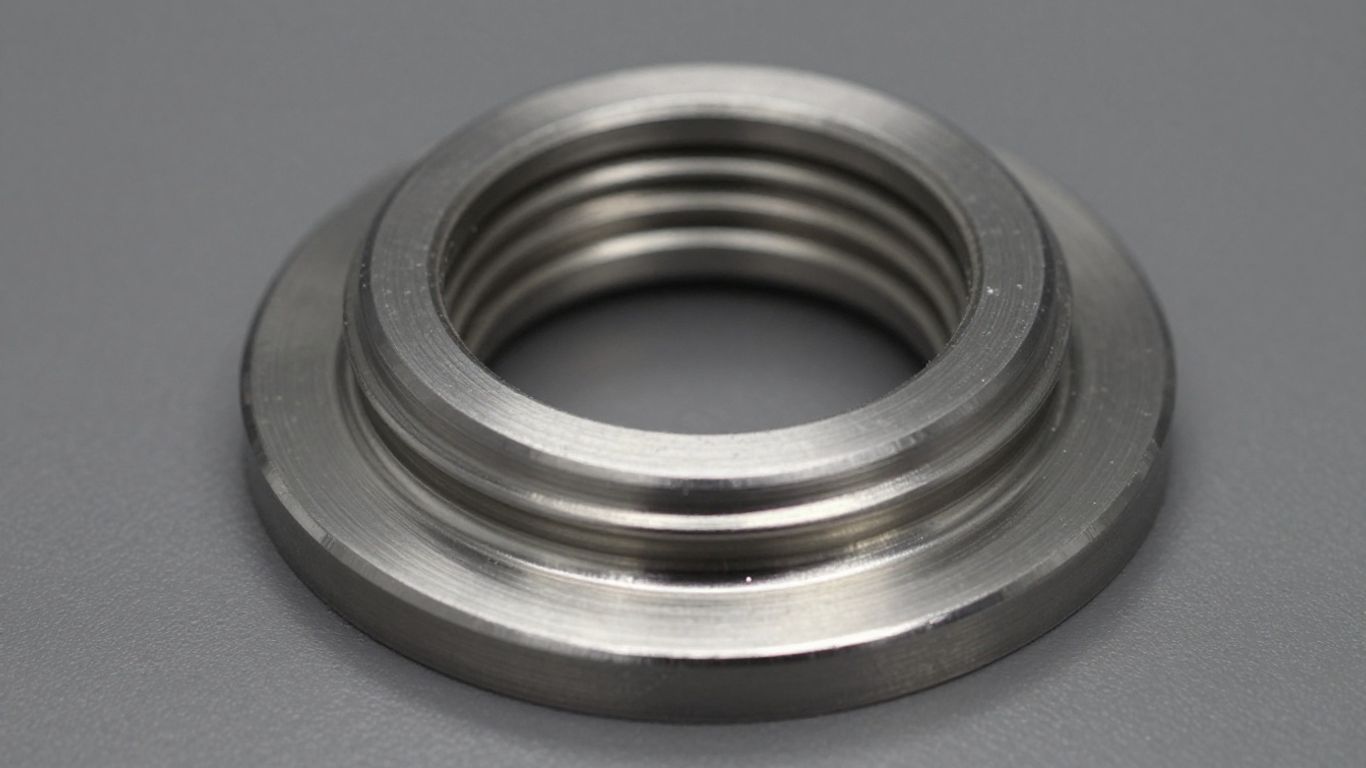
Engineered Polymers for Demanding Applications
When things get really tough downhole, standard rubber just doesn’t cut it anymore. That’s where engineered polymers come into play. Think materials like advanced PTFE compounds, often mixed with special fillers. These aren’t your everyday plastics; they’re designed to handle serious heat, crushing pressures, and nasty chemicals without breaking down. They offer way better resistance to wear and tear compared to older materials, meaning your seals last longer and keep working when they need to. It’s all about making sure the seal stays put, no matter what the well throws at it.
The Role of Filler Materials in Seal Performance
It might seem odd, but what you add to the main sealing material can be just as important as the material itself. Fillers are like the secret sauce. They can make a polymer tougher, more resistant to heat, or even give it a slicker surface to reduce friction. For instance, adding things like carbon fiber or glass fibers can really boost a seal’s ability to resist deformation under pressure. Other fillers, like molybdenum disulfide (MoS2), are great for reducing friction, which is a big deal in moving parts. Choosing the right mix of fillers is key to getting the exact performance you need for a specific job.
- Improved wear resistance
- Better thermal stability
- Reduced friction coefficient
- Enhanced chemical resistance
Metal Seals for Ultra-Harsh Environments
Sometimes, even the best polymers hit their limit. That’s when you look to metal seals. These are built for the absolute worst conditions – think extreme temperatures that would melt plastic or pressures that would crush it. They’re often used in critical connections, like wellheads or major pipeline joints, where a failure would be catastrophic. While they might seem simple, the engineering behind them is complex, ensuring they can maintain a tight seal under immense stress and heat. They’re the heavyweights of the sealing world, brought in when nothing else will do.
The development of specialized sealing solutions is a continuous process, driven by the ever-increasing demands of the oil and gas industry. Innovations in material science are directly translating into more reliable, safer, and longer-lasting well operations.
The Advantages of High-Grade Materials
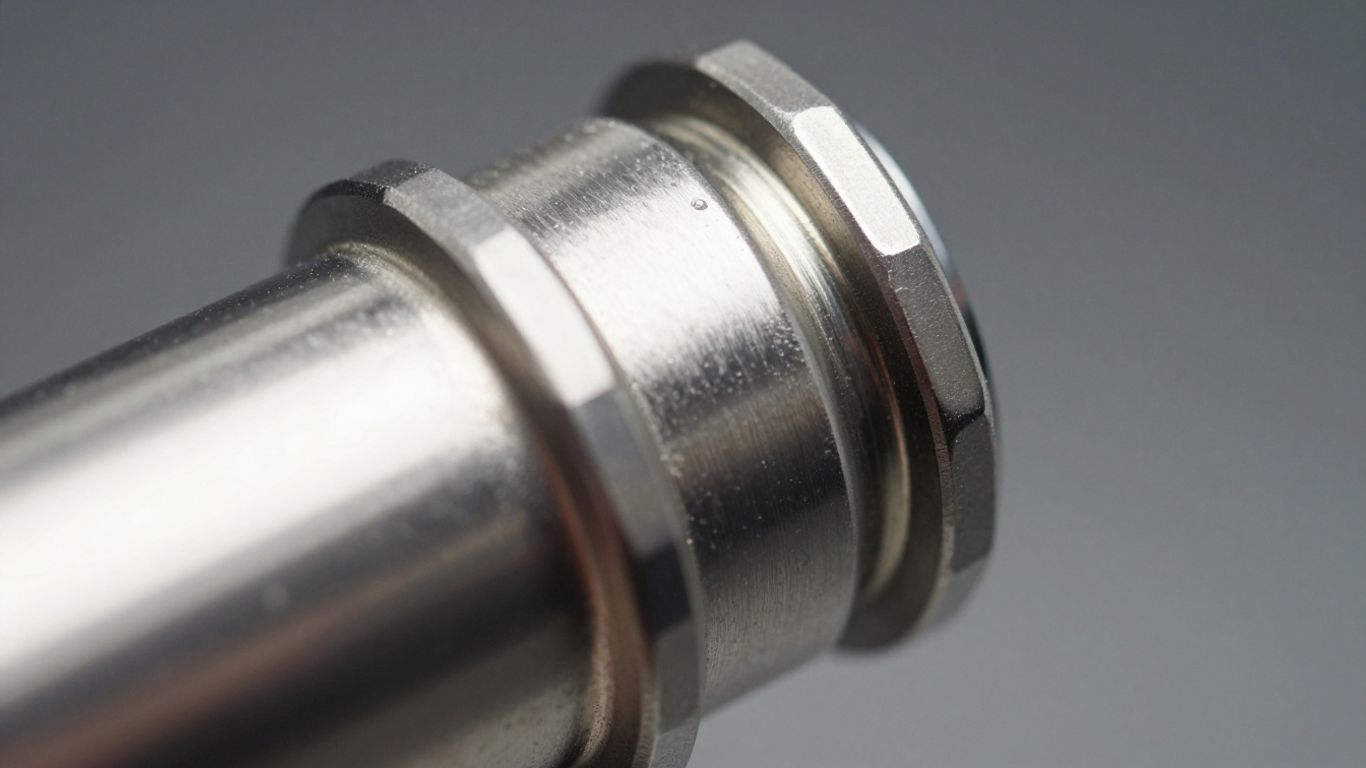
When you’re dealing with well seals, especially in tough spots, skimping on material quality just doesn’t pay off. Using top-notch materials might seem like a bigger upfront cost, but it really makes a difference down the line. These advanced materials are built to handle the rough stuff, keeping things sealed tight when it matters most.
Achieving Reliable Sealing Performance
High-grade materials bring a level of dependability that lower-quality options just can’t match. Think about it: these seals are often in places with extreme heat, crushing pressures, or nasty chemicals. Materials like perfluoroelastomers (FFKMs), for instance, can handle temperatures way over 300°C and shrug off almost any chemical you throw at them. This means they keep their shape and sealing power, preventing leaks that could cause big problems.
Cost-Effectiveness Through Reduced Failures
Sure, the initial price tag for a premium seal might be higher. But when you factor in how often cheaper seals fail, the math starts to look different. Fewer failures mean less downtime, fewer emergency repairs, and less lost production. It’s like buying a really good tool that lasts for years versus a cheap one that breaks after a few uses. You save money and hassle in the long run.
The Advantages of Using High-Grade Materials in Well Seals
So, what are the real perks? For starters, you get seals that just work better and longer. They resist wear and tear, don’t get permanently squashed out of shape (that’s called compression set, and you want it to be low!), and generally hold up much better under stress. This translates directly into:
- Less frequent replacement needs.
- Reduced risk of leaks and environmental contamination.
- Better overall system performance and safety.
Choosing the right material isn’t just about picking something that fits. It’s about selecting a component that’s engineered to survive and perform in the specific, often brutal, conditions of a well operation. This foresight prevents costly emergencies and keeps operations running smoothly.
Wrapping It Up
So, when it comes down to it, using better materials for well seals really does make a difference. It’s not just about spending more money upfront; it’s about saving yourself a whole lot of headaches and cash down the road. These high-grade options hold up better against tough conditions, meaning fewer leaks, less equipment damage, and more reliable operations. Think of it as investing in peace of mind. You get better performance, longer life from your equipment, and you’re less likely to run into those costly emergency repairs or safety issues. In the long run, it just makes good sense to go with the good stuff.
Frequently Asked Questions
Why are tough materials important for well seals?
Imagine trying to keep water out of a leaky boat with a flimsy piece of paper. It just won’t work! Well seals need to be made of strong stuff because they face super high pressures, really hot or cold temperatures, and sometimes even nasty chemicals. Using tough, high-quality materials means the seals can handle these tough jobs without breaking, keeping everything safe and working right.
What happens if a well seal fails?
If a well seal breaks or leaks, it’s a big problem. It can let unwanted water or gunk into the clean water supply, which is bad for drinking and the environment. It can also cause the equipment to stop working, leading to costly repairs and lost time. In the worst cases, it could even cause a dangerous blowout.
How do better materials make seals last longer?
Think about wearing out your favorite sneakers really fast. Cheaper materials wear out quicker. High-grade seal materials are like super-durable shoes – they resist getting scratched, worn down, or squished out of shape. This means they can do their job for a much longer time before needing to be replaced, saving money and hassle.
Can better seals actually save money?
Yes, they can! Even though the fancy materials might cost a bit more at first, they last much longer. This means you won’t have to pay for replacements as often. Plus, when seals work perfectly, they prevent leaks and keep equipment running smoothly, which avoids expensive repairs and lost production time. So, in the long run, they’re a smart investment.
What are some examples of advanced seal materials?
Scientists are always inventing new materials. For tough jobs, they use things like special plastics called engineered polymers, which are super strong and don’t break down easily. Sometimes they mix in other stuff, called fillers, to make the seals even tougher or more resistant to heat. For the absolute toughest jobs, they even use metal seals!
How do seals help keep the environment clean?
Well seals act like a barrier, preventing oil, gas, or dirty water from escaping into the ground or water sources. Using high-quality seals that don’t leak helps make sure that the operations are safe for the environment and meet the strict rules set by governments to protect our planet.