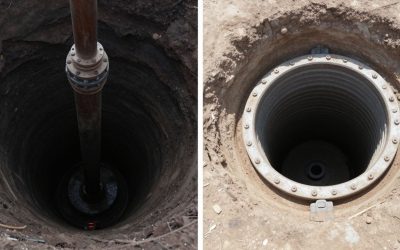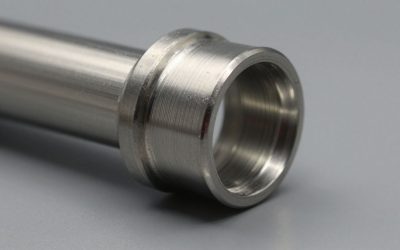
When you’re dealing with pumps and other rotating equipment, you’ve got to make sure fluids stay where they’re supposed to. That’s where mechanical seals come in. They’re like the gatekeepers, stopping leaks. The two main types you’ll hear about are single and double mechanical seals. They do the same basic job, but how they do it, and where they’re best used, can be pretty different. Understanding The Differences Between Single and Double Well Seals is key to picking the right one for your setup.
Key Takeaways
- Single seals use the fluid being pumped as their lubricant, while double seals have a separate barrier or buffer fluid system.
- Double seals have two sets of sealing faces, meaning four faces in total, compared to the two faces of a single seal.
- Single seals are generally simpler, cheaper, and easier to install, making them good for less risky jobs.
- Double seals offer more protection, especially for hazardous, toxic, or valuable fluids, by providing a backup sealing path.
- The arrangement of the seals (back-to-back, face-to-face, or tandem) in a double seal setup affects how it handles pressure and provides containment.
Understanding Single Mechanical Seals
Alright, let’s talk about single mechanical seals. Think of them as the workhorses for a lot of pumps and other rotating equipment. Their main job is pretty straightforward: stop whatever fluid you’re pumping from leaking out around the spinning shaft.
Core Components and Functionality
A single mechanical seal is basically made up of two main parts that rub against each other – the seal faces. One face is attached to the shaft and spins with it, while the other is fixed to the pump’s housing. A spring or a bellows pushes these two faces together. This constant contact creates a seal. Between these two faces, there’s a super thin layer of the fluid being pumped. This fluid film is really important; it acts like a lubricant and keeps the faces from grinding against each other directly.
- Rotating Seal Face: Spins with the shaft.
- Stationary Seal Face: Stays put, attached to the pump.
- Spring/Bellows: Provides the force to keep the faces together.
- Secondary Seals (O-rings/Gaskets): Prevent leaks around the stationary face and shaft.
The whole point is to prevent leakage while allowing the shaft to turn freely.
Lubrication and Wear Characteristics
As I mentioned, that thin fluid film between the seal faces is key. It’s usually the very fluid the pump is moving. This film does two big things: it lubricates the faces, reducing friction, and it helps carry away any heat generated by that friction. Without this film, the faces would quickly overheat and get damaged. This is why it’s so important that the pump doesn’t run dry. The materials used for these faces are usually pretty tough, like silicon carbide, tungsten carbide, or carbon, chosen based on the fluid and operating conditions.
The performance and lifespan of a single mechanical seal heavily depend on maintaining that critical lubrication film between the sealing surfaces. Any interruption, even for a short period, can lead to accelerated wear and premature failure.
Typical Applications and Advantages
Single mechanical seals are a solid choice for many everyday jobs. They’re generally used when the fluid being pumped isn’t hazardous or super valuable, and a small amount of leakage (usually as vapor) isn’t a big deal for safety or the environment. Think of water pumps, some chemical processing, or general industrial applications. Their biggest plus points are their simplicity and lower cost. They’re easier to install and cheaper to buy upfront compared to more complex seals. Plus, maintenance is usually pretty straightforward – keep an eye on them, and replace them when they start showing signs of wear.
- Cost-Effective: Lower initial purchase price.
- Simple Design: Easier to understand and install.
- Widely Available: Common in many standard pump designs.
- Good for Non-Hazardous Fluids: Suitable when minor leakage is acceptable.
Exploring Double Mechanical Seals
So, we’ve talked about the basics of single seals. Now, let’s get into double mechanical seals. Think of these as the heavy-duty version, designed for situations where a single seal just won’t cut it. They’re all about providing an extra layer of protection.
Dual Seal Configuration
A double mechanical seal isn’t just one seal; it’s actually two seals working together. They’re typically set up in a series, one right after the other. The seal closest to the product being pumped is the ‘inboard’ or primary seal. Its main job is to keep that product safely inside the pump. The second seal, the ‘outboard’ or secondary seal, sits behind the first one. This outer seal acts as a backup. It’s there to catch anything that might get past the primary seal, and it also helps keep outside gunk from getting into the pump.
Barrier Fluid Systems
This is where double seals really differ from singles. Because there are two sets of seal faces so close together, they need a little help to keep things running smoothly and safely. That’s where a barrier fluid comes in. This fluid sits in the space between the two seals. It does a couple of important things:
- Lubrication: It keeps the seal faces from rubbing directly against each other, reducing wear and tear.
- Cooling: It helps carry away any heat generated by friction.
- Pressurization: Depending on the setup, the barrier fluid can be kept at a specific pressure. This helps control the direction of any potential leakage. For instance, if the barrier fluid is at a higher pressure than the process fluid, any minor leak will be of barrier fluid into the process, not the other way around.
This barrier fluid system is usually an external setup, meaning it’s not part of the pump itself. It needs its own monitoring and control to make sure the fluid is always there and at the right pressure and temperature.
Enhanced Safety and Reliability
Why go through the trouble of a double seal? It all comes down to safety and reliability. Double mechanical seals are the go-to choice when dealing with hazardous, toxic, or valuable fluids. If a leak from a single seal could cause environmental damage, harm people, or result in significant financial loss, a double seal provides that critical extra layer of security. It drastically reduces the chances of a catastrophic leak. Plus, if the primary seal starts to wear out, the secondary seal is there to keep things contained until maintenance can be performed. It’s like having a backup parachute – you hope you never need it, but it’s good to know it’s there.
Key Differences in Sealing Mechanisms
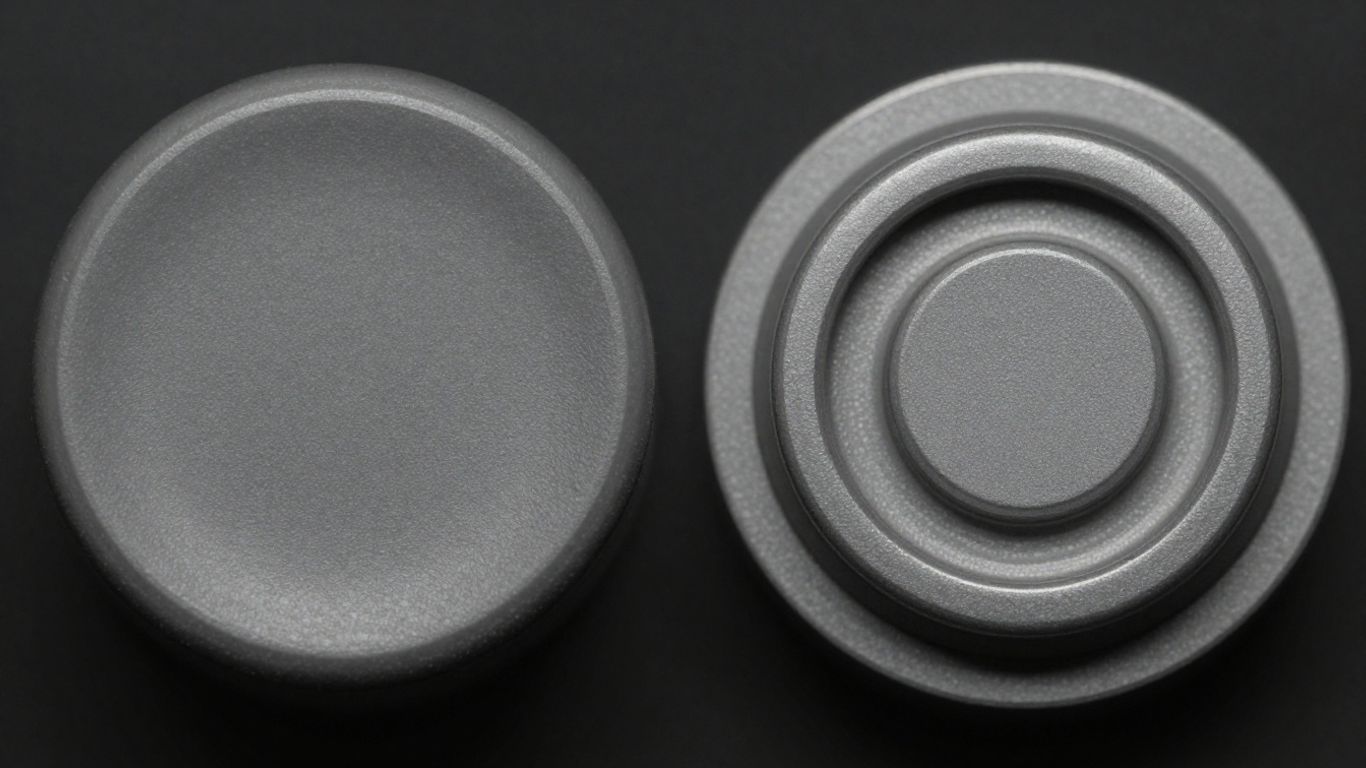
So, we’ve talked about what single and double mechanical seals are, but how do they actually work differently? It all comes down to a few core mechanical distinctions that make them suitable for different jobs.
Number of Sealing Faces
This is the most obvious difference, right? A single mechanical seal uses just one set of sealing faces – one that spins with the shaft and one that stays put. These two flat surfaces press against each other, and a super thin film of the fluid being pumped is what keeps them from grinding themselves to dust. It’s a simple setup, but it means that any leakage, however small, is essentially the pumped fluid escaping.
Double mechanical seals, on the other hand, have two sets of these sealing faces. Think of it like having a backup. The first set (the inboard seal) does the primary job of keeping the process fluid contained. The second set (the outboard seal) is there to contain whatever is between the two seals, which is usually a special fluid.
Lubrication Source
For a single seal, the lubrication comes directly from the fluid it’s trying to seal. This is usually fine when you’re pumping water or something similar. The fluid gets squeezed between the faces, it lubricates them, and a little bit might vaporize off. But what happens if the fluid is really nasty, or if the pump runs dry for a bit? That’s where things get tricky. Without that fluid film, the faces can overheat and get ruined pretty quickly.
Double seals change this up. They typically use a separate fluid, called a barrier fluid, that’s pumped in between the two sets of seals. This barrier fluid is often under a bit more pressure than the process fluid. This means:
- The primary seal is always lubricated by this dedicated barrier fluid, not the potentially problematic process fluid.
- If the inboard seal starts to leak, it’s the barrier fluid that leaks out, not the process fluid.
- The outboard seal then contains the barrier fluid, preventing it from escaping into the atmosphere.
This separation is a big deal for safety and reliability.
Fluid Containment Strategy
With a single seal, the containment strategy is pretty straightforward: keep the process fluid in. Any leakage is a direct loss of the product and potentially a hazard. It’s like a single fence around your property – if it breaks, everything outside can get in, and everything inside can get out.
Double seals offer a more robust containment strategy. They create a "sandwich" effect. The process fluid is contained by the first seal. Then, the barrier fluid is contained by the second seal. This means:
- Even if the primary seal fails, the hazardous process fluid is still contained by the barrier fluid.
This layered approach is why double seals are so important when dealing with fluids that are toxic, flammable, expensive, or environmentally damaging. It provides an extra layer of protection, giving you time to react before a serious problem occurs.
Configurations of Double Seals
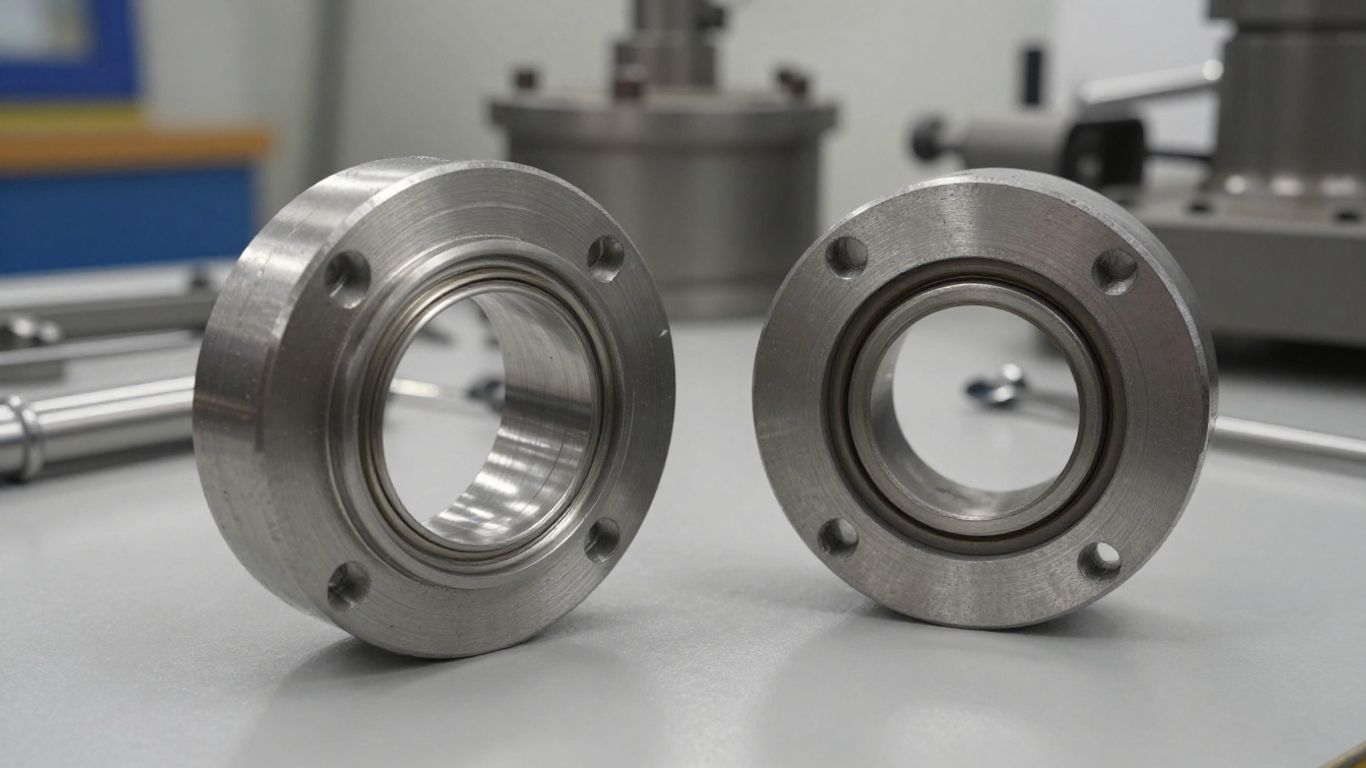
So, you’ve decided a double mechanical seal is the way to go. That’s smart, especially if you’re dealing with anything tricky. But not all double seals are built the same, you know? They come in a few different setups, and picking the right one really matters for how well it works and how safe your system stays.
Back-to-Back Arrangement
This is probably the most common setup you’ll see. Imagine two single seals, but instead of facing the same way, they’re set up like mirrors, facing away from each other. There’s a space between them where a special fluid, called a barrier fluid, sits. This fluid does a couple of things: it keeps the seal faces lubricated and helps carry away any heat that builds up. The barrier fluid is usually kept at a higher pressure than the fluid you’re trying to seal. This way, if the inner seal ever starts to leak, the barrier fluid pushes it back in, and nothing dangerous gets out. It’s a really solid choice for hazardous chemicals because it creates a strong barrier.
Face-to-Face Design
This one’s a bit less common these days, but it still has its place. Here, two seals are placed so their sealing faces are pointing directly at each other. It’s a more compact design, which can be good if space is tight. A buffer fluid is used between them, but it’s typically at a lower pressure than the process fluid. This setup is often found in places like food processing plants where hygiene is super important, but it’s not usually the first pick for really dangerous stuff.
Tandem (Face-to-Back) Setup
Think of this as a ‘seal behind a seal’ arrangement. You have one seal doing the main job of keeping the fluid in, and then another seal right behind it, acting as a backup. It’s like having a primary and a secondary line of defense. The fluid between them is often a buffer fluid, and its pressure is usually lower than the process fluid. This setup is great because if the first seal fails, the second one is there to catch anything. It’s a really robust option for high-pressure situations or when you absolutely cannot afford any leakage, even for a short time. It gives you a bit more time to react if something goes wrong.
Here’s a quick rundown:
- Back-to-Back: Barrier fluid under higher pressure, great for hazardous fluids.
- Face-to-Face: Seals face each other, compact, often in food industry.
- Tandem: Seals in series, primary and backup, good for high pressure and critical containment.
Choosing the right configuration depends a lot on what you’re sealing, how much pressure you’re dealing with, and what kind of safety measures you need in place. It’s not a one-size-fits-all situation, so understanding these differences is key.
Application Suitability and Limitations
When to Choose Single Seals
Single mechanical seals are generally the go-to for simpler, less demanding jobs. Think about your everyday water pumps for your house or maybe irrigation systems on a farm. They’re pretty straightforward and handle clean, non-hazardous fluids without much fuss. If the fluid you’re pumping isn’t going to cause a lot of wear and tear, and there aren’t major safety or environmental concerns if a little bit leaks, a single seal is usually the most economical choice. They’re easier to install and don’t require the extra complexity of a barrier fluid system. Basically, if the job is routine and the fluid is benign, a single seal often fits the bill perfectly.
When Double Seals Are Necessary
Now, double mechanical seals really shine when things get a bit more serious. If you’re dealing with fluids that are toxic, abrasive, or just plain nasty, a double seal is often your best bet. They provide that extra layer of protection. The barrier fluid between the two sets of seals acts as a buffer, preventing the process fluid from escaping into the environment and also keeping the seal faces lubricated and cool. This is super important in chemical plants, wastewater treatment, or any place where a leak could be a big problem for people or the planet. They’re also great for high-pressure situations where a single seal might just give up.
Handling Hazardous or Sensitive Media
When you’re working with media that’s hazardous, flammable, or environmentally sensitive, the decision leans heavily towards double seals. The primary seal faces the process fluid, and the secondary seal, with its barrier fluid, provides a containment system. This setup is designed to prevent any leakage of the hazardous material. For instance, in the pharmaceutical industry, you might need seals that prevent contamination of the product, or in oil and gas, you definitely don’t want flammable liquids getting out. The barrier fluid can even be a cleaner fluid, like water or glycol, which then might leak out in small, manageable amounts, rather than the dangerous process fluid. It’s all about safety and compliance.
Here’s a quick rundown:
- Single Seals: Best for clean, non-hazardous fluids, lower pressures, and where minor leakage isn’t a major concern.
- Double Seals: Required for toxic, abrasive, corrosive, or flammable fluids, high-pressure applications, and when environmental protection is paramount.
Choosing the right seal isn’t just about picking one off the shelf; it’s about understanding the specific demands of your system. A little upfront thought can save a lot of headaches and potential problems down the line. Don’t underestimate the importance of matching the seal to the media and operating conditions.
Maintenance and Cost Considerations
When you’re looking at mechanical seals, it’s not just about how they work, but also how much they cost to buy and keep running. This is where single and double seals really show their differences.
Maintenance Requirements for Each Type
Single seals are generally simpler. Think of them like a basic faucet washer – they do their job, but they wear out over time and eventually need replacing. Maintenance usually involves periodic checks to make sure there aren’t any obvious leaks and then replacing the seal when it starts to show signs of wear. It’s pretty straightforward, and often, you can get a replacement seal and swap it out without too much fuss. The key is regular inspection to catch problems early.
Double seals, on the other hand, are a bit more involved. Because they have that extra layer of protection and often a barrier fluid system, there’s more to monitor. You’ve got to keep an eye on the barrier fluid itself – its pressure, temperature, and purity. If that fluid isn’t right, the whole sealing system can fail. So, maintenance here means not just checking the seals but also the supporting system. It’s more complex, but it means you can often run for longer periods between major seal replacements, provided the support system is well-managed.
Here’s a quick rundown:
- Single Seals:
- Simpler inspection process.
- Replacement is usually a direct swap.
- Focus on detecting wear and leakage.
- Double Seals:
- Requires monitoring of seals AND barrier fluid system.
- More complex diagnostics.
- Potential for longer intervals between major seal overhauls if support system is maintained.
Initial Investment and Operational Costs
Let’s talk money. Single seals usually win on the initial purchase price. They’re less complex, so they’re cheaper to manufacture and buy. This makes them attractive for applications where the fluid isn’t hazardous and a small leak isn’t a big deal. The operational costs are mainly the cost of replacement seals and the labor to install them.
Double seals are definitely pricier upfront. You’re buying two seals, plus the hardware for the barrier fluid system. And that barrier fluid itself is an ongoing cost. However, the story doesn’t end there. While the initial cost is higher, double seals can sometimes be cheaper in the long run. Why? Because they prevent costly leaks of valuable product, reduce downtime for unscheduled repairs, and protect the environment, which can avoid hefty fines. The total cost of ownership often favors double seals in demanding applications.
Impact on Equipment Longevity
How a seal performs directly affects the equipment it’s protecting. A well-functioning single seal in the right application can keep a pump running for a long time. But if you push a single seal beyond its limits – say, with abrasive fluids or high pressures – it can fail prematurely. This failure can sometimes damage the pump shaft or housing, leading to more expensive repairs than just replacing the seal.
Double seals, by their nature, offer better protection. The barrier fluid acts as a lubricant and a buffer, reducing wear on the seal faces. This means the seals themselves tend to last longer. More importantly, by preventing leaks and contamination, they help keep the pumped fluid clean and the equipment running smoothly. This protection can significantly extend the life of the pump or mixer it’s installed in, saving you money on major equipment repairs down the line.
Wrapping It Up
So, when it comes down to picking between a single and a double well seal, it really depends on what you’re trying to do. A single hole seal is pretty standard for most jobs, like hooking up a regular submersible pump. But if you’re dealing with those deeper wells and need that extra pipe for the jet pump setup, then a double hole seal is the way to go. It’s not super complicated, just make sure you measure your well casing right and know how many pipes you’ll be running. Get that part figured out, and you’ll be all set.
Frequently Asked Questions
What is the main job of a mechanical seal?
A mechanical seal’s main job is to stop liquids or gases from leaking out of machines, especially around spinning parts like shafts. Think of it like a very good stopper that keeps the good stuff in and the bad stuff out.
How is a single seal different from a double seal?
A single seal uses one set of sealing surfaces to do the job. A double seal uses two sets of sealing surfaces, working together like a team, to provide extra protection against leaks.
What is the ‘barrier fluid’ in a double seal?
The barrier fluid is like a special liquid that sits between the two seals in a double seal setup. It helps keep the seals working smoothly, acts as a backup if the first seal has a problem, and can also help keep things cool.
When would I need a double seal instead of a single seal?
You’d want a double seal if you’re dealing with liquids that are dangerous, toxic, very valuable, or could cause big problems if they leak. It’s like having an extra safety net.
Do double seals cost more than single seals?
Yes, double seals usually cost more upfront because they have more parts and need that extra barrier fluid system. However, they can save money in the long run by preventing costly leaks and protecting equipment.
Can a single seal be used for any type of liquid?
No, single seals are best for liquids that aren’t too harsh, like water or mild chemicals. They aren’t the best choice for liquids that are very corrosive, abrasive (like sand in water), or dangerous because they offer less protection against leaks.