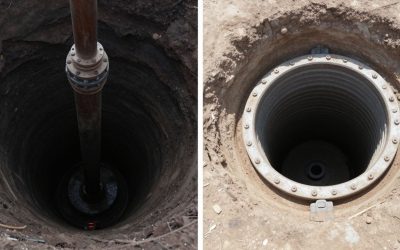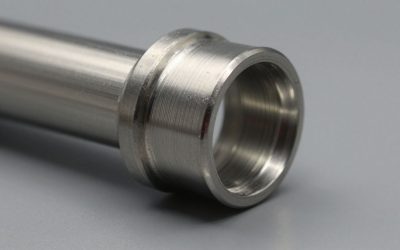
So, you’ve got a well at your place? That’s pretty cool. But have you ever really thought about that cap on top of the well pipe? It might seem like just a cover, but it does a whole lot more than you’d think. It’s like the bouncer for your water supply, keeping the bad stuff out. And a big part of how it does its job involves letting the well ‘breathe’ right. We’re talking about the importance of proper venting in well seals here, and why it matters for your water’s safety and your pump’s health.
Key Takeaways
- A well cap is the first defense against things like bugs, dirt, and surface water getting into your well. It keeps your water clean.
- The vent in a well cap lets air in and out, which stops a vacuum from forming when the pump runs. This helps the pump work better.
- If the vent is blocked or the cap isn’t sealed right, bad stuff can get in, like insects or even contaminated water, which can make your water unsafe.
- There are different types of well caps, like older vented ones and newer sanitary caps that offer better protection against pests and dirt.
- Checking your well cap regularly and making sure the vent is clear is a simple way to protect your water and avoid problems with your pump and plumbing.
The Critical Role Of Well Seals In Water Purity
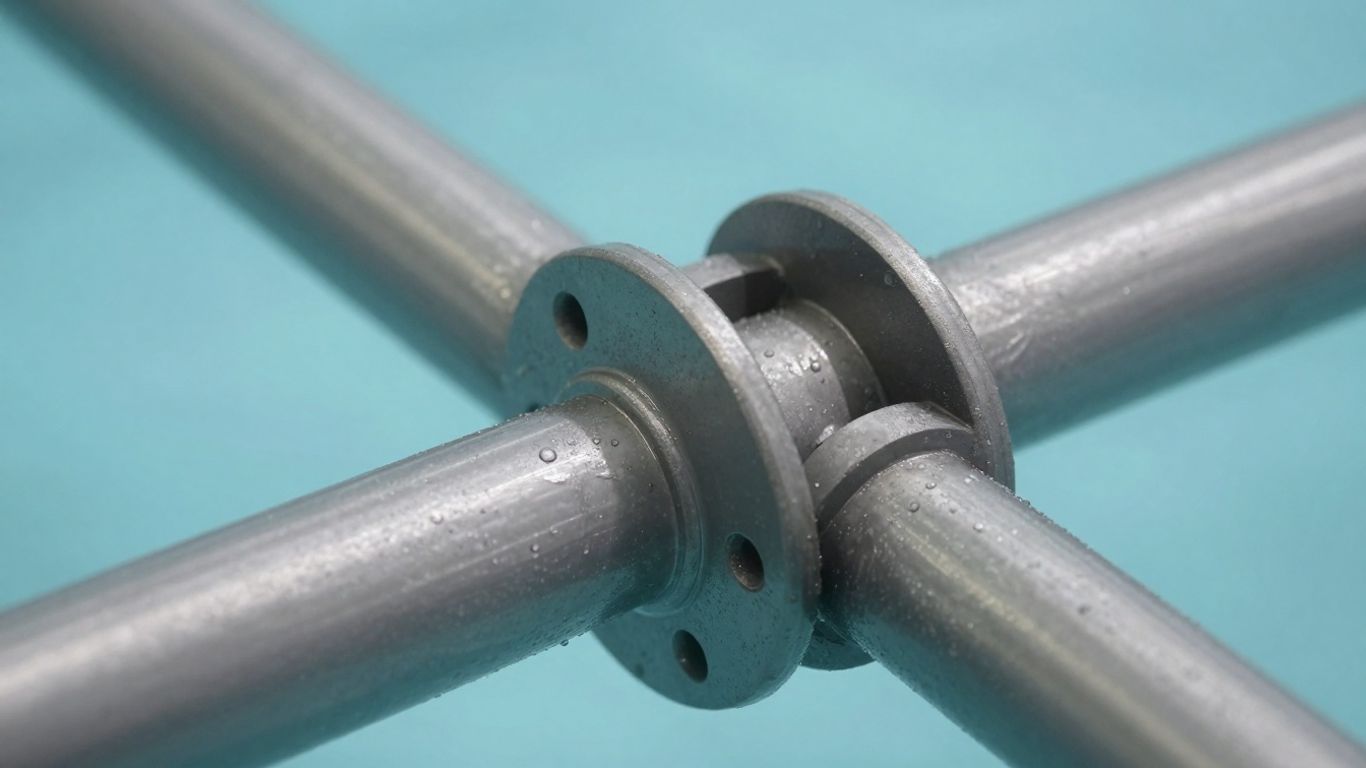
Think of your well seal, often called a well cap, as the gatekeeper for your home’s water. It sits right on top of the well casing, that pipe sticking out of the ground, and its main job is to keep everything that shouldn’t be there out. It’s not just a simple lid; it’s a pretty important piece of equipment for keeping your water clean and safe to drink.
Preventing Contaminant Ingress
The most obvious job of the well seal is to act as a barrier. It stops all sorts of things from just falling or washing into your well. We’re talking about leaves, dirt, and general debris that the wind might blow around. But it’s more than just yard waste. It’s also about stopping surface water that might have picked up pollutants – like chemicals from your lawn or animal waste – from directly entering your well. A good seal means that when rain runs off the land, it doesn’t just pour down into your water source.
Maintaining Water Integrity
Beyond just keeping junk out, the well seal helps maintain the quality of the water. Insects, spiders, and even small critters like mice or frogs can be attracted to the cool, damp environment of a well. If they get in, they can die and decompose, which introduces bacteria. These bacteria can cause unpleasant tastes and odors, and in some cases, make the water unsafe. A well-sealed cap, especially a modern sanitary type with fine mesh screens, is the first defense against these unwelcome guests.
Safeguarding Against External Elements
Your well seal also protects against accidental contamination or tampering. It makes it harder for someone to accidentally drop something into the well, or for children or pets to mess with it. Many seals can even be locked for added security. It’s a simple physical barrier that adds a layer of safety to your water system, preventing issues before they even start.
Understanding Airflow Dynamics In Well Systems
Think of your well system like a big, underground lung. It needs to breathe, right? That’s where airflow dynamics come into play. Without the right air movement, things can go sideways pretty fast.
The Necessity Of Pressure Equalization
When you pump water out of your well, it creates a bit of a vacuum inside the well casing. If there’s no way for air to get back in, that vacuum can get pretty strong. This pressure difference is a big deal because it can actually pull contaminants into your well through tiny cracks or seals that might not be perfectly tight. It also makes your pump work harder than it needs to, which isn’t great for its lifespan.
How Vents Facilitate Air Exchange
This is where the vent on your well cap shines. It’s basically a one-way street for air. Air can flow in to replace the water being pumped out, keeping the pressure balanced. Most vents have a fine screen over them, which is super important for stopping bugs, dust, and other junk from getting into your well. It’s a simple concept, but it makes a huge difference in keeping your water clean and your pump happy.
The Impact Of Vacuum Formation
If that vent gets blocked – maybe by a spider web, some dirt, or even ice in the winter – you lose that crucial air exchange. When that happens, the vacuum effect can become a real problem. It can lead to what’s called ‘siphonage,’ where the water in the well casing gets pulled down too quickly, potentially drawing in surface water or groundwater from areas you don’t want it coming from. It can also cause your pump to cycle erratically or even shut off, leaving you without water. It’s a domino effect that starts with a simple blocked vent.
Consequences Of Inadequate Well Venting
So, what happens when your well’s vent system isn’t doing its job? It’s not just a minor inconvenience; it can actually cause some pretty significant problems for your water supply and the whole setup. Think of it like trying to drink through a straw with a hole in it – it just doesn’t work right.
Risk Of Water Seal Siphonage
This is a big one. Your well’s plumbing, like your home’s plumbing, uses water-filled traps to keep nasty stuff from coming back up. If the vent is blocked or not working, pressure can build up or drop too much. This can actually suck the water right out of those traps, a process called siphonage. When that water seal is gone, it’s like leaving the door wide open for whatever’s lurking down there – including potentially harmful gases and bacteria – to get into your clean water. A broken water seal is a direct pathway for contamination.
Compromised Pump Performance
Your well pump works hard to bring water to your home, and it relies on balanced air pressure to do its job efficiently. When venting is off, the pump can struggle. You might notice it running longer than it should, or maybe it sounds weird. This extra strain isn’t good for the pump’s lifespan. It’s like making your car engine work overtime for no reason; eventually, something’s going to wear out faster than it should.
Introduction Of Unwanted Organisms
When that water seal gets siphoned out, it doesn’t just let gases in. It can also create an entry point for all sorts of unwanted guests. We’re talking about bacteria, tiny critters, and other microscopic things that can get into your water system. This is especially concerning if your well is in an area with high groundwater contamination risks. It’s a direct route for things you definitely don’t want in your drinking water to make their way in.
Here’s a quick rundown of what can go wrong:
- Siphoned Water Seals: Water gets pulled out of P-traps and other seals, letting gases and contaminants enter.
- Pressure Imbalances: Air pressure inside the well system fluctuates wildly, making it hard for water to flow correctly.
- Pump Strain: The well pump has to work harder, leading to premature wear and tear.
- Contaminant Entry: Gases, bacteria, and other undesirable elements can enter the water supply.
Ignoring venting issues can lead to a cascade of problems, starting with a simple pressure imbalance and potentially ending with a compromised water source. It’s a domino effect where one small failure can trigger several others, impacting both the functionality of your water system and the safety of your water.
It’s really not worth the risk to let a faulty vent go unaddressed. A little bit of attention now can save you a lot of headaches and potential costs down the road.
Types Of Well Cap Venting Mechanisms
So, you’ve got a well, and it’s got that cap on top. But not all caps are created equal, right? They’ve got different ways of letting your well breathe while still keeping the yucky stuff out. It’s pretty interesting when you look into it.
Standard Vented Caps
These are like the older, simpler versions. Think of them as the "good enough for back then" kind. They let air in and out, which is important so your pump doesn’t have to fight a vacuum. But, and this is a big but, they aren’t really sealed tight. They might have a loose fit or a small gap on purpose to let air move. The problem is, that same gap can be an open door for insects, spiders, and sometimes even small critters to crawl right in. If your well is older, maybe from before the 80s, you might have one of these. They do the basic job of covering the well, but they don’t offer much protection against pests getting inside.
Sanitary or Vermin-Proof Caps
This is what you’ll find on most new wells today, and for good reason. "Sanitary" or "vermin-proof" basically means it’s designed to seal up tight. These usually have a couple of pieces that clamp down onto the well casing, often with a rubber gasket in between. This creates a really good seal. Even though it’s sealed up, it still has a vent, but it’s a smarter kind. It’s usually a small screened opening or a special breather valve. This lets the air exchange happen, so your pump works fine, but it stops bugs and dirt from getting in through that vent. They also have special fittings for electrical wires that seal up tight. It’s the best of both worlds: air gets in and out, but nothing else does.
Air Admittance Valves (AAVs)
Sometimes, instead of a simple screened vent on the cap itself, you might see an Air Admittance Valve, or AAV. These are pretty neat devices. They’re designed to let air into your plumbing system (including your well) when negative pressure occurs, but they automatically close to prevent sewer gases or odors from escaping. For a well cap, an AAV serves a similar purpose to a screened vent – it allows for pressure equalization. It lets air in when needed but seals itself to prevent anything from coming back in. They’re a more modern approach to managing airflow in plumbing systems, and while not as common on well caps as a simple screened vent, they can be used to achieve the same goal of proper ventilation without compromising the seal against contaminants.
The main goal with any well cap is to keep the water inside clean and safe. This means letting the well "breathe" so the pump works right, but blocking out anything that could make the water dirty. Different cap designs do this in different ways, with newer ones being much better at keeping unwanted visitors out.
Here’s a quick rundown:
- Standard Vented Caps: Older style, allows air but can let pests in. Basic protection.
- Sanitary/Vermin-Proof Caps: Modern design, seals tight, has a screened vent. Keeps pests out.
- Air Admittance Valves (AAVs): Can be used on caps, allows air in but seals against backflow. Advanced ventilation.
Looking at your well cap, you can usually tell which type you have. If it looks like it has a tight seal and maybe a rubber gasket, it’s likely a sanitary type. If you see obvious gaps or it looks pretty basic, it might be an older standard vented cap. It’s worth knowing what you have to make sure your water is as protected as it can be.
Identifying And Rectifying Venting Issues
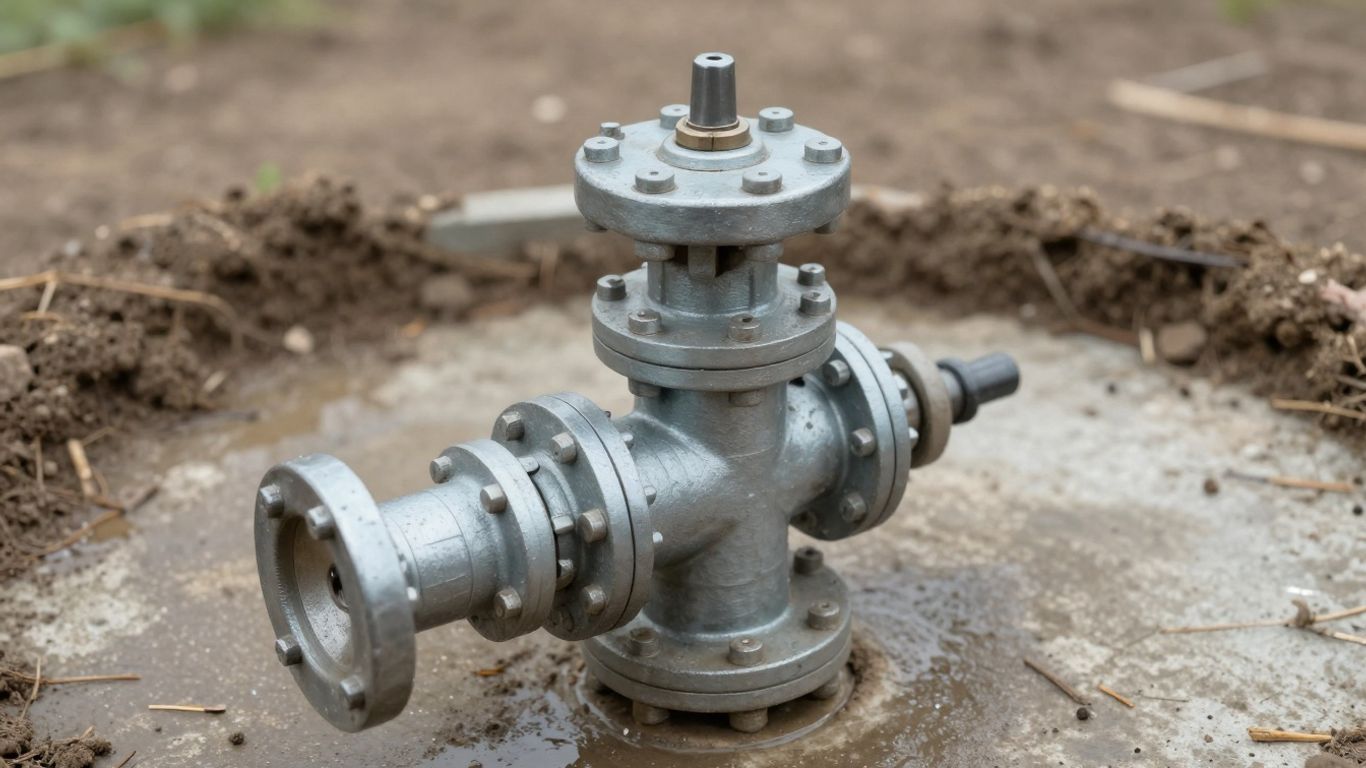
Sometimes, your well’s venting system might act up, and you won’t even know it until things start going wrong. It’s not always obvious, but there are definitely signs to look out for. Ignoring these can lead to bigger headaches down the road, so it’s good to be aware.
Signs Of Blocked Or Damaged Vents
Pay attention to what your plumbing is telling you. Gurgling sounds coming from your drains, especially when water is running elsewhere, can be a big clue. It’s like the pipes are trying to cough something up. Another common indicator is slow draining – sinks and tubs that take forever to empty. This usually means air isn’t moving through the system like it should, creating a vacuum effect that slows down water flow. And, of course, there’s the smell. If you start noticing musty or even sulfuric odors creeping into your home, that’s a pretty strong signal that gases aren’t being vented properly. These aren’t just minor annoyances; they point to a system that’s not breathing right.
- Gurgling sounds during draining
- Slow-draining sinks and tubs
- Unpleasant odors (musty, sulfuric)
- Frequent drain clogs
The Importance Of Regular Inspections
Honestly, most people don’t think about their well vent until there’s a problem. But just like checking your car’s oil, a little regular attention can save you a lot of trouble. Think of it as preventative maintenance for your water supply. You want to catch issues when they’re small and easy to fix, not when they’ve caused a major backup or damaged your pump.
Regular visual checks of the vent cap on your wellhead are a simple yet effective way to spot obvious problems like debris buildup or physical damage. It doesn’t take much time, but it can prevent significant issues later on.
Professional Assessment And Repair
If you’re noticing any of the signs mentioned or just want peace of mind, it’s probably time to call in a pro. They have the tools and the know-how to really diagnose what’s going on. Sometimes, it’s just a simple blockage that can be cleared with a snake or compressed air. Other times, a vent pipe might be cracked, or the cap itself could be damaged, letting in critters or water. A professional can perform tests, like a smoke test, to pinpoint exactly where the airflow is being disrupted. They’ll also know if the vent was installed correctly in the first place, which is surprisingly important. Getting it fixed right the first time by someone who knows what they’re doing is usually the most cost-effective approach in the long run.
Ensuring Longevity Through Proper Venting
Reducing Strain On Plumbing Components
Think of your well system’s vent like a tiny pressure release valve. When water flows out, air needs to come in to take its place. If that air can’t get in easily because the vent is blocked or too small, the system has to work harder. This can create a vacuum, and that vacuum pulls on things it shouldn’t, like the water seal in your wellhead. Over time, this constant tugging can stress seals, gaskets, and even the pump itself. It’s like repeatedly yanking on a rope – eventually, it’s going to wear out. Keeping that vent clear and functional means the water and air can move smoothly, taking the pressure off your equipment. This simple act of allowing air in and out prevents premature wear and tear.
Preventing Odor And Gas Buildup
Sometimes, gases can build up in the space between the water level and the well cap. If there’s no way for these gases to escape, they can start to smell. You might notice a faint musty or even sulfuric odor, especially when you first turn on the water. A properly functioning vent allows these gases to dissipate harmlessly into the atmosphere instead of lingering around your wellhead or, worse, getting drawn into your water supply. It’s a basic but effective way to keep your water tasting and smelling fresh.
Long-Term Cost Savings
When your well system is working efficiently without unnecessary strain, everything lasts longer. Pumps don’t have to work as hard, seals don’t fail prematurely, and you avoid the potential for costly repairs due to vacuum-related issues or gas buildup. Regular checks on your vent are a small investment of time compared to the expense of replacing a pump or fixing a damaged well seal. It’s about preventative care. A little attention to the vent now can save you a lot of money and headaches down the road. It’s just good sense for keeping your water source reliable and your wallet happy.
Wrapping Up: Don’t Forget Your Well Cap!
So, we’ve talked a lot about why that cap on top of your well is a pretty big deal. It’s not just some random lid; it’s actively keeping junk out and letting your well breathe right. Whether it’s keeping bugs from taking a swim or stopping dirt from washing in, a good cap does a lot of heavy lifting. Making sure it’s on tight and in good shape means your water stays cleaner and safer. If yours looks a bit worse for wear, or you’re just not sure, it’s probably worth a look. A simple fix now can save you a lot of trouble later on.
Frequently Asked Questions
Why is the vent on my well cap so important?
The vent on your well cap is like a tiny window that lets air move in and out of your well. This is super important because it stops a vacuum from forming when water is pumped out. Without this air movement, your pump might struggle, and it could even pull yucky stuff into your clean water. The vent usually has a screen to keep bugs and dirt out.
What happens if my well cap is damaged or missing?
If your well cap is damaged or gone, it’s a big problem! It’s like leaving your front door wide open. Bugs, animals, dirt, leaves, and even polluted rainwater can easily fall into your well. This can make your water unsafe to drink and can even damage your pump.
What’s the difference between a standard vented cap and a sanitary cap?
A standard vented cap is an older style that lets air in but might have small gaps that bugs can get through. A sanitary cap, also called a vermin-proof cap, is designed to let air in through a screened vent but has a much tighter seal to keep out all sorts of critters and dirt. Sanitary caps are the better choice for keeping your water safe.
How often should I check my well cap?
It’s a good idea to give your well cap a quick look every few months to make sure it’s still on tight and doesn’t have any obvious damage or blockages. For a more thorough check, have a professional inspect your whole well system about once a year or every couple of years.
Can I fix a broken well cap myself?
While you can do a quick check, fixing or replacing a well cap is best left to a professional. They know how to properly seal it to keep water and bugs out, and they can safely handle the electrical wires that often run through the cap. Plus, they’ll make sure it meets local rules.
What are signs that my well’s venting might be blocked?
If you hear gurgling sounds when water is running, if drains are emptying slowly, or if you notice bad smells coming from your drains, it could mean the vents are blocked. For a well, if you see water backing up or if your pump seems to be working harder than usual, it might point to a venting issue with the well cap.