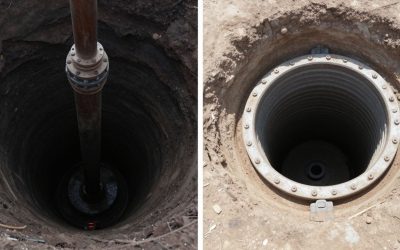
Living out in the country often means relying on your own well for water. It’s a great setup, usually providing clean water right to your tap. But, like anything, wells need attention to keep working right. One part that’s super important, but often overlooked, is the well seal. This little barrier plays a big role in keeping your water safe and your system running smoothly. Let’s talk about why these seals matter, especially for folks in rural areas. Understanding The Importance of Well Seals in Rural Water Systems can save you a lot of hassle down the road.
Key Takeaways
- Well seals stop bad stuff from getting into your water, like dirt and germs from the surface.
- A good seal helps your well last longer by protecting the equipment inside.
- Rural wells face unique issues, making proper seals a must-have for reliable water.
- Knowing the different kinds of seals, like grout or mechanical covers, helps you pick the right one.
- Watch for signs like weird water or noises; they might mean your well seal needs fixing.
Protecting Your Water Source From Contamination
Your well is the gateway to your water supply, and keeping that gateway secure is job number one. Without a properly sealed well, all sorts of nasty stuff can find its way into the water you drink and use every day. It’s not just about keeping the water clean; it’s about keeping your family healthy.
Preventing Surface Water Intrusion
Think about what happens when it rains or snow melts. Water runs across the ground, picking up all sorts of things – dirt, animal waste, fertilizer runoff, oil from driveways. If your wellhead isn’t sealed tight, this surface water can seep down the outside of the casing and into your aquifer. This is one of the most common ways wells get contaminated. It’s like leaving your front door wide open during a storm; you wouldn’t do it for your house, so don’t do it for your well.
Blocking Unwanted Microbial Growth
Even if there’s no obvious surface runoff, tiny organisms are everywhere. Bacteria, viruses, and other microbes can find their way into the well through cracks or gaps. Once inside, especially in the dark, damp environment of a well casing, they can multiply. Some of these microbes can make you seriously sick. A good well seal acts as a barrier, stopping these microscopic invaders before they even get a chance to enter your water system.
Safeguarding Against Chemical Pollutants
It’s not just living things that can contaminate your water. Leaking underground storage tanks, spills from farm equipment, or even improperly stored chemicals can seep into the ground. These chemicals can travel through the soil and rock layers and eventually reach your water source. A well seal helps create a physical barrier, making it much harder for these harmful substances to reach the water you rely on. It’s a simple but effective line of defense against a wide range of potential pollutants.
The integrity of your well seal is directly tied to the safety of your drinking water. Regular checks and proper maintenance aren’t just good ideas; they’re necessary steps to protect your health and the health of your family. Don’t wait for a problem to arise; be proactive about keeping your water source clean and safe.
Ensuring The Longevity Of Your Well System
A well system is a big investment, and you want it to last. Think of it like any other piece of machinery; if you don’t take care of it, it’s going to break down sooner rather than later. Proper maintenance, especially when it comes to the seals, plays a huge part in how long your well will keep giving you good water.
Reducing Wear And Tear On Equipment
When your well seal isn’t doing its job right, things can start to go wrong inside the well. If dirt and debris get in, they can grind away at pump parts and other components. This means your pump has to work harder, which uses more energy and wears out the motor faster. A good seal keeps all that junk out, letting your equipment run smoothly.
- A tight seal stops grit from getting into the pump.
- It prevents sediment buildup that can clog pipes.
- Less strain on the pump motor means it lasts longer.
Preventing Corrosion And Degradation
Water isn’t always pure, and sometimes it can be a bit harsh. If surface water or other contaminants get into the well casing, they can speed up the process of corrosion. Metal parts can rust, and even plastic components can break down over time when exposed to the wrong stuff. A proper seal acts as a barrier, keeping potentially damaging substances away from your well’s infrastructure.
The well casing is like the skin of your well. If it gets compromised, everything inside is at risk. A good seal protects that skin.
Maintaining Optimal Water Pressure
Ever notice how sometimes your water pressure just isn’t what it used to be? A leaky or damaged well seal can be a culprit. If water is escaping from the well casing or if unwanted air is getting in, it can mess with the pressure. This can lead to inconsistent water flow and pressure drops, which is super annoying when you’re trying to take a shower or run the dishwasher. Keeping the seal intact helps keep that pressure steady and reliable.
The Critical Role Of Well Seals In Rural Settings
Addressing Unique Rural Challenges
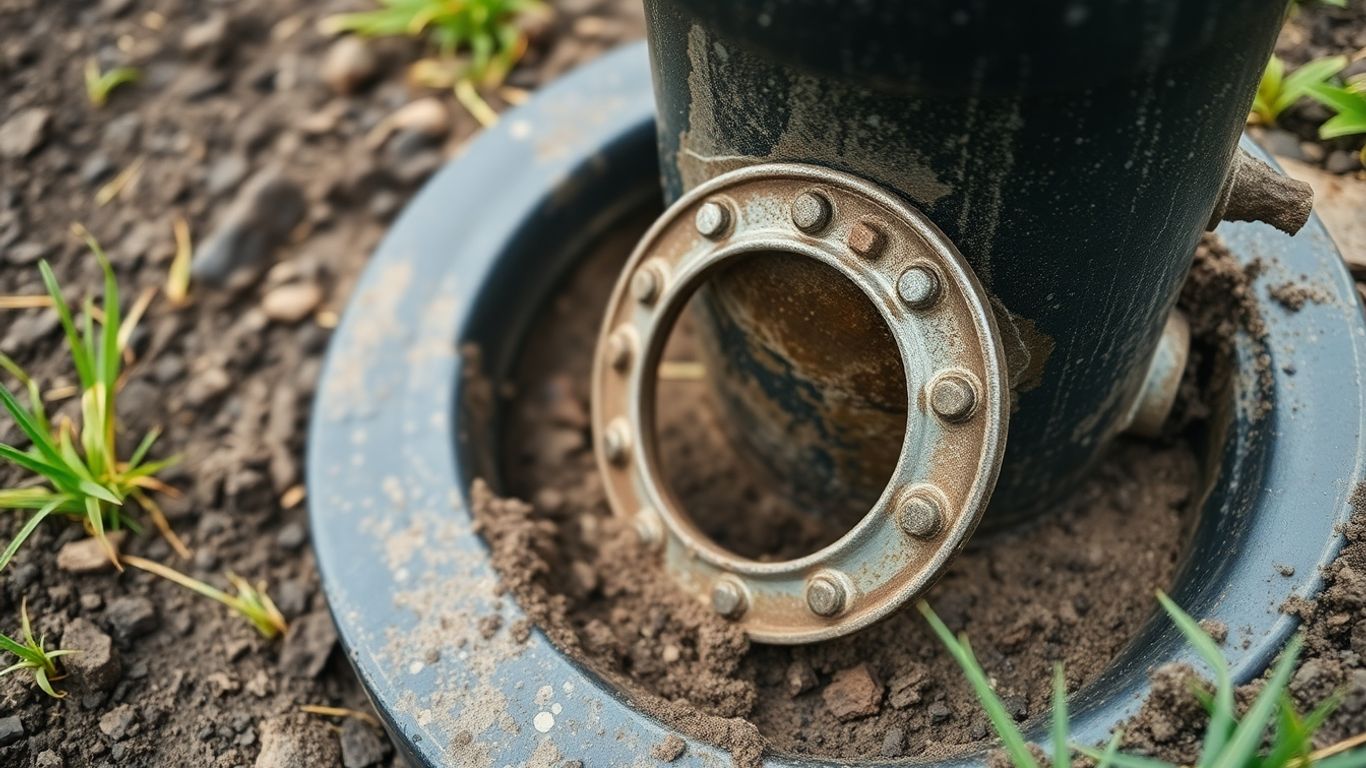
Rural water systems often face a tougher set of circumstances than their urban counterparts. Think about it: wells might be further from homes, meaning longer pipe runs. They’re also more exposed to the elements and the natural landscape. This means things like heavy rains, changing soil conditions, and even animal activity can put more stress on your well. Without a good seal, these factors can easily introduce problems.
The Importance of Well Seals in Rural Water Systems
A well seal is basically the cap on your well, but it’s doing a lot more than just keeping the lid on. It’s the first line of defense against all sorts of unwanted stuff getting into your water. In rural areas, where water sources are often more exposed, this protection is even more important. A proper seal stops surface water, which can carry all sorts of contaminants like pesticides, animal waste, or even just dirt, from seeping down into your clean groundwater. It also helps keep out smaller, less visible threats, like bacteria and viruses.
Supporting Sustainable Water Access
When your well seal is doing its job, it means your water system is more reliable. This reliability is key for rural communities that depend on their wells for everything from drinking water to farming. A well that’s protected by a good seal is less likely to need costly repairs down the line. It also means you’re less likely to have interruptions in your water supply, which can be a big deal when you’re miles from the nearest town. It’s all about making sure you have clean water today and for years to come.
Keeping your well sealed tight is a simple step that has a big impact on the health of your water and the longevity of your entire system. It’s one of those things that’s easy to overlook until there’s a problem, and by then, it can be more work and more expensive to fix.
Understanding Different Types Of Well Seals
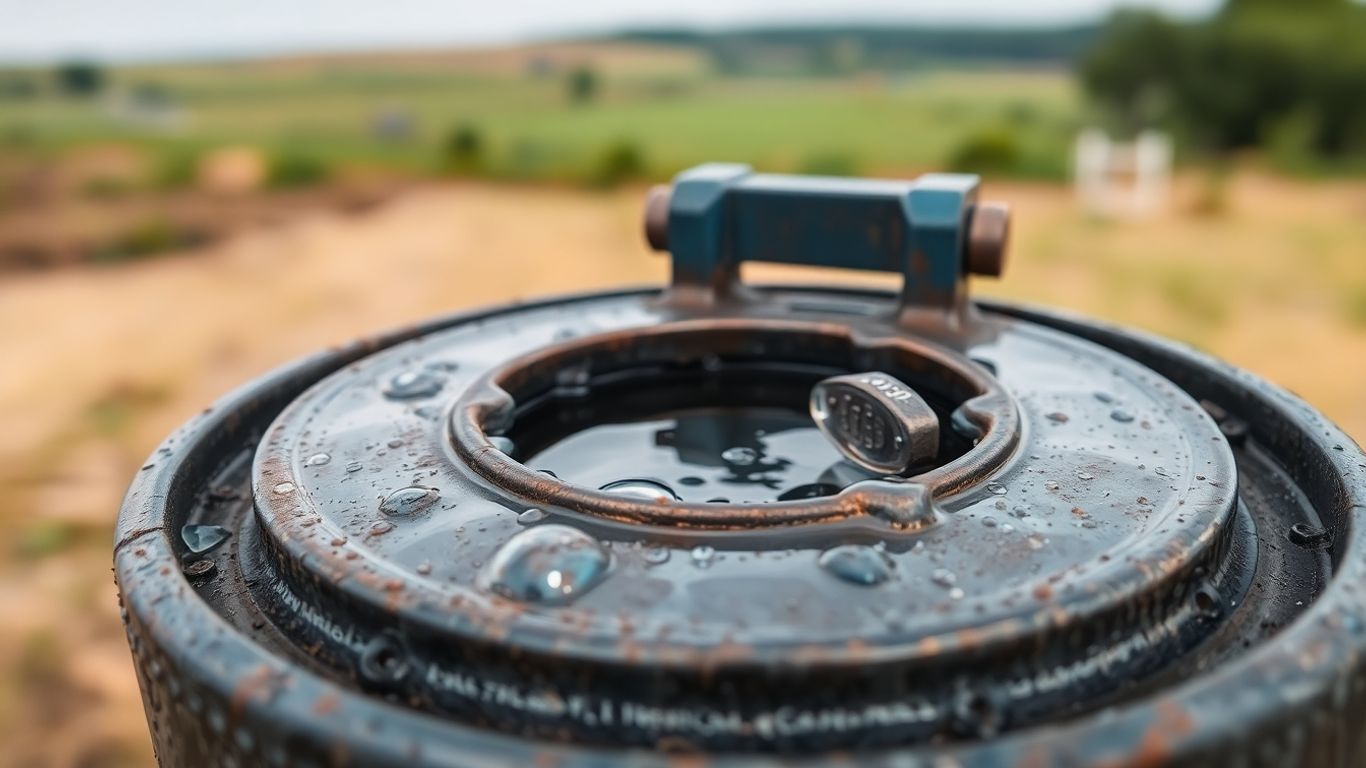
So, you’ve got a well, and you want to keep it clean and working right. A big part of that is the seal, the thing that keeps gunk out of the top of your well casing. It’s not just one kind of seal, though. There are a few main ways folks go about this, and knowing the difference can help you figure out what’s best for your situation.
Grouting And Annular Seals
This is a pretty common method, especially for newer wells or when a well is being repaired. Basically, you’re filling the space between the well casing (that pipe going down into the ground) and the actual borehole wall. This space is called the annulus. Grouting usually involves pouring a cement-like mixture, often bentonite clay mixed with cement, into this gap. It hardens up, creating a solid barrier. This barrier is super important for stopping surface water and anything else nasty from seeping down into your water supply. It’s a pretty permanent fix when done right.
- Cement Grout: Strong and durable, good for long-term sealing.
- Bentonite Grout: More flexible, can swell to fill gaps, often used in areas with shifting soil.
- Combination Grouts: Blending cement and bentonite for a mix of strength and flexibility.
Mechanical Seals And Covers
These are often used on top of the well casing, right at ground level. Think of them as a cap or a lid. Mechanical seals are usually made of rubber or other flexible materials that create a tight fit around the casing. They’re often used in conjunction with a well cover, which is a more solid lid that bolts down. These are great because they’re generally easier to install and remove than grout, which is handy if you need to access the well for maintenance or repairs. They provide a good seal against insects, small animals, and surface debris.
Sometimes, a well cover might have a vent, but it needs to be screened to prevent anything from getting in. The seal itself is the part that hugs the casing tightly.
Choosing The Right Seal For Your Well
Picking the right seal isn’t a one-size-fits-all deal. A lot depends on your well’s age, the type of soil around it, and what kind of contaminants you’re most worried about. For instance, if you’re in an area with a high water table or lots of rain, a good grout seal is probably your best bet. If you’ve got an older well and just need to stop surface stuff from getting in, a good mechanical seal and cover might be enough. It’s always a good idea to talk to a local well professional. They know the ground conditions and the common issues in your area and can point you in the right direction.
- Consider the geology of your area.
- Think about the age and condition of your existing well.
- Consult with a certified well contractor for personalized advice.
Signs Of A Failing Well Seal
Sometimes, you don’t even realize there’s a problem with your well system until something goes wrong. A failing well seal is one of those things that can sneak up on you. It’s not always obvious, but there are definitely clues if you know what to look for. Paying attention to these signs can save you a lot of trouble down the road.
Changes In Water Quality
This is often the first thing people notice. Your water might start tasting or smelling off. Think metallic, earthy, or even a bit like sulfur. You might also see changes in its appearance. Is it suddenly cloudy when it used to be clear? Maybe there’s a strange color to it, like brown or yellow.
- Taste: Noticeable metallic, earthy, or chemical flavors.
- Odor: Unpleasant smells, such as rotten eggs or a general mustiness.
- Appearance: Water becoming cloudy, discolored, or developing visible particles.
Audible Well System Noises
Your well pump and system can make noises, but if you start hearing new sounds or changes in existing ones, it’s worth investigating. Gurgling sounds coming from the pipes or the wellhead itself can indicate air is getting into the system where it shouldn’t be. You might also hear a pump that’s working harder than usual, making a louder or more strained noise.
Visible Damage To The Wellhead
The wellhead is the part of your well that’s above ground. It’s supposed to be sealed up tight. If you see cracks in the concrete apron around the well, or if the cap on top looks loose or damaged, that’s a big red flag. Water and all sorts of other things can get in through these openings.
A compromised seal means that whatever is on the surface – dirt, insects, animal waste, or even chemical runoff from nearby – has a direct path into your water supply. It’s like leaving your front door wide open during a storm.
If you notice any of these issues, it’s a good idea to get a professional to check out your well. They can figure out exactly what’s going on and how to fix it before it becomes a bigger problem.
Maintenance And Replacement Best Practices
Taking care of your well seal isn’t a one-and-done kind of thing. It’s more like keeping up with your car’s oil changes – you gotta stay on top of it to avoid bigger headaches down the road. Regular checks and timely replacements are key to keeping your water safe and your system running smoothly.
Regular Inspection Schedules
Think of inspections as a regular check-up for your well. You wouldn’t skip your own doctor’s appointments, right? Your well needs that same attention. Aim to have a professional look at your wellhead and seal at least once a year, maybe more if you’re in an area prone to flooding or seismic activity. During these visits, they’ll be looking for:
- Cracks or gaps in the seal material.
- Signs of water pooling around the wellhead.
- Any damage to the casing or cap.
- Evidence of pests or burrowing animals near the seal.
These inspections help catch small issues before they turn into major contamination problems or costly repairs. It’s all about being proactive.
Professional Seal Replacement
When it’s time to replace a seal, don’t try to DIY it unless you really know what you’re doing. This isn’t like changing a lightbulb. Improper installation can create new entry points for contaminants, defeating the whole purpose. A qualified well technician has the right tools and knowledge to:
- Safely remove the old seal without damaging the well.
- Clean and prepare the wellhead surface.
- Install the new seal correctly, ensuring a watertight and airtight fit.
- Test the seal to confirm its integrity.
The materials used for well seals have a lifespan. Over time, exposure to the elements, ground movement, and the constant presence of water can cause them to break down. Ignoring this natural degradation is a gamble with your water supply.
Proactive Well Care
Beyond just the seal itself, think about the overall health of your well system. This includes:
- Keeping the area around your wellhead clear of debris and vegetation. This makes inspections easier and discourages pests.
- Ensuring proper drainage away from the wellhead to prevent water from sitting there.
- Being mindful of any activities near your well that could disturb the ground, like heavy construction.
Treating your well seal as an important, active component of your water system, rather than just a passive cover, will go a long way in protecting your water source for years to come.
Wrapping It Up
So, we’ve talked a lot about well seals. It might seem like a small thing, just a piece of rubber or concrete, but it’s really important for keeping your water clean and safe. Think of it like the lid on a jar – it stops bad stuff from getting in. For folks out in the country, where wells are often the only water source, this isn’t just about convenience, it’s about health. A good seal means fewer worries about contamination from surface water or whatever else might be lurking around. It’s a simple fix that makes a big difference in the long run. Taking care of your well seal is just good sense for anyone relying on well water.
Frequently Asked Questions
Why are well seals so important for water from a well?
Think of a well seal like a cap on a bottle. It’s super important because it keeps yucky stuff from getting into your clean well water. Without a good seal, things like dirt, bugs, or even chemicals from the ground could sneak in and make your water unsafe to drink.
Can a bad well seal make my well break faster?
Yes, it really can! A leaky seal lets water and dirt get into places it shouldn’t, which can cause parts of your well system to rust or get worn out quicker. This means you might have to fix or replace things more often, costing you time and money.
How can I tell if my well seal isn’t working right?
You might notice some changes. Your water could taste or smell funny, maybe it looks cloudy. Sometimes, you might hear strange noises coming from your well equipment. Also, take a look at the wellhead – the part sticking out of the ground. If you see cracks or damage, the seal might be compromised.
What’s the difference between grouting and mechanical seals?
Grouting is like filling the space around the well pipe with a special cement mix to create a solid barrier. Mechanical seals are more like lids or gaskets that fit tightly to block anything from getting in. Both do the same job of sealing the well, but they work in different ways.
Do rural wells need special kinds of seals?
Often, yes. Rural areas can have different ground conditions or face challenges like flooding or farming activities nearby. These factors mean that the seals need to be extra tough and reliable to keep the water pure and the system working well, no matter what’s happening around it.
How often should I check my well seal?
It’s a good idea to check your well seal at least once a year, or more often if you suspect a problem. Look for any obvious damage or signs that water might be getting in. If you’re not sure, it’s always best to have a professional check it out during routine well maintenance.