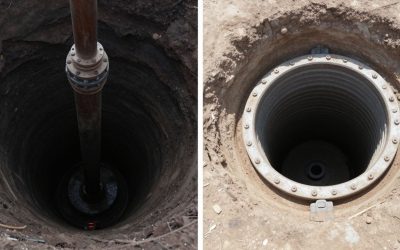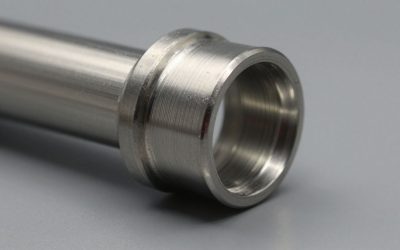
Ever wonder what makes those machines keep their fluids in and the gunk out? It’s all about the seals, and understanding the parts of well seals and their purpose is pretty important. These aren’t just simple rubber rings; they’re designed with specific jobs in mind. Whether it’s a spinning shaft on a big piece of industrial gear or something smaller, the way these seals are built matters. We’re going to break down what makes them tick, so you get a better picture of how they work and why they’re so necessary.
Key Takeaways
- Mechanical seals have core parts like the seal face pair, loading devices, secondary seals, and drive mechanisms that work together.
- Oil seals are built with a sealing element, a metal case, and sometimes a garter spring to keep fluids contained and dirt out.
- The main jobs of seals are to stop fluids from leaking, keep the right amount of lubricant inside, and act as a barrier against outside junk.
- Hardware like glands, sleeves, and lock rings, along with setting clips, are key structural pieces that help seals function correctly.
- Choosing the right seal means looking at how it will be used, what materials it needs to handle, and matching it to the shaft and housing it’s going into.
Core Components Of Mechanical Seals
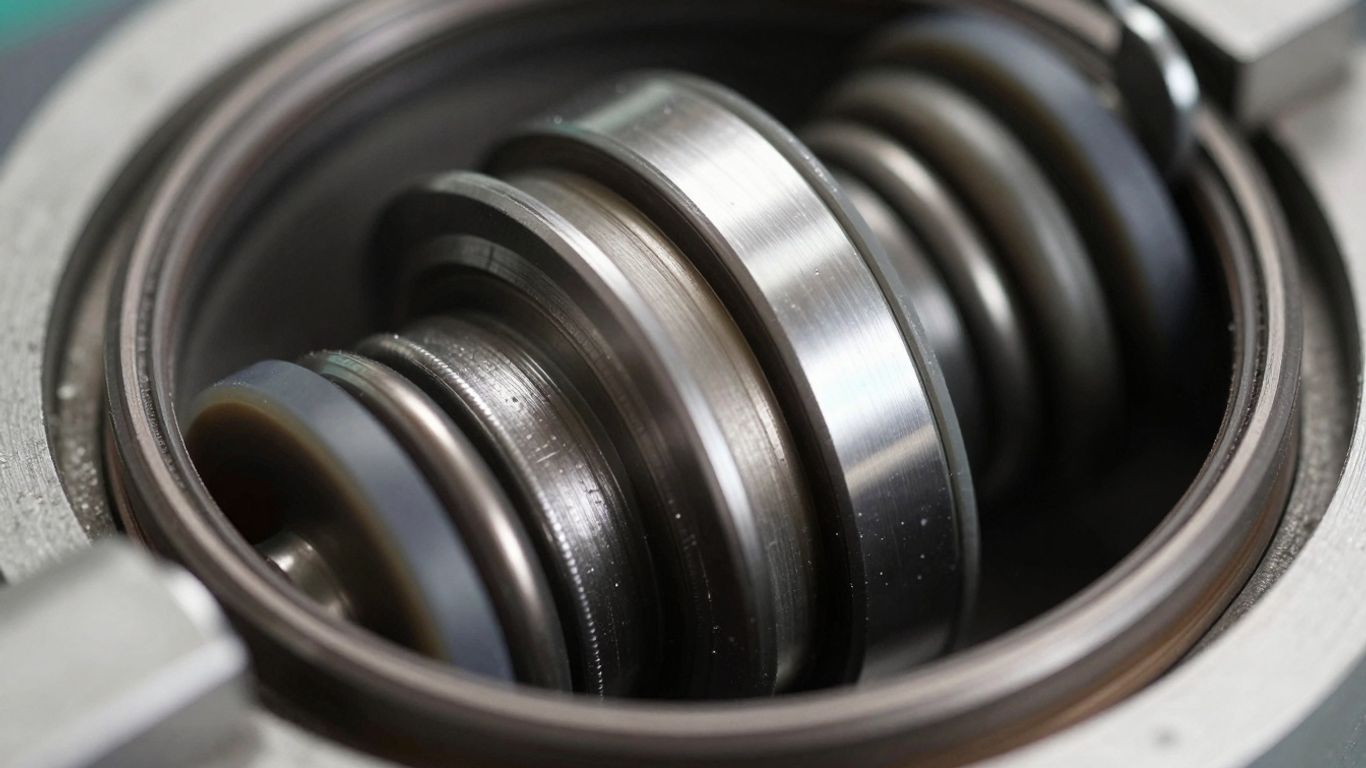
Mechanical seals are pretty neat pieces of engineering, designed to keep fluids where they belong and stop gunk from getting in. Think of them as the gatekeepers for rotating shafts in pumps and other equipment. While they’ve been around for about a century, the basic idea hasn’t changed much, though the designs have gotten way more sophisticated. Understanding the main parts is key to figuring out how they work and why they’re so important.
The Seal Face Pair
This is where the magic really happens. The seal face pair is the heart of the mechanical seal, creating the actual barrier that stops leaks. It’s made up of two super-flat surfaces that rub against each other as the shaft spins. One face is attached to the shaft and spins with it, while the other stays put, fixed to the equipment’s housing. The precision of these faces is what allows for dynamic sealing. They’re usually made from tough stuff like carbon/graphite or hard ceramics like silicon carbide. The choice of material really depends on what the seal will be up against – pressure, temperature, and the type of fluid.
Mechanical Loading Devices
So, how do those seal faces stay pressed together, especially when the equipment isn’t running or when things get a bit bumpy? That’s where the loading devices come in. These are typically springs, but they can also be things like bellows or other mechanisms. Their job is to provide a consistent force that keeps the seal faces in contact. This is super important because it ensures there’s a seal even when there’s no fluid pressure helping out, and it also helps the faces track each other smoothly during operation. Without the right loading, you’d get leaks.
Static and Dynamic Secondary Seals
Besides the main seal faces, there are other spots where leaks could potentially sneak out. That’s why mechanical seals have secondary seals. These are usually made of flexible materials like O-rings or gaskets. Most of these are static, meaning they don’t move, and they seal up stationary parts of the seal assembly. However, there’s usually at least one dynamic secondary seal. This one has to move a little to let the main seal faces do their job of tracking each other as the shaft spins. If these secondary seals fail, it can lead to leaks, even if the main faces are in good shape.
Drive Mechanisms
Finally, you need a way to connect the rotating seal face to the shaft so it spins along with it. This is the job of the drive mechanism. It’s basically how the torque from the shaft is transferred to the rotating seal face. This can be done in a few ways, often involving pins, lugs, or keys that engage with the seal and the shaft or a sleeve. The drive needs to be robust enough to handle the rotational forces without slipping, but also designed so it doesn’t damage the seal faces or other components during operation. It’s a pretty critical link in the whole sealing chain.
Understanding Oil Seal Construction
Oil seals, sometimes called shaft seals, might look pretty simple on the outside, but there’s actually some clever engineering packed into them. They’re built to keep the good stuff (like lubricants) in and the bad stuff (like dirt and water) out. Most oil seals are made up of three main parts, each playing a specific role.
The Sealing Element
This is the part that actually does the sealing, often called the lip. It’s the flexible bit that presses against the rotating shaft. The material used here is super important because it has to handle friction, heat, and whatever fluids are around. Different jobs call for different materials, so you’ll see a few common ones:
- Nitrile Rubber (NBR): This is your everyday workhorse. It’s good with oils, gasoline, and even some salt solutions, and it can handle temperatures from -40°F up to 248°F. It’s okay for dry conditions, but not for long stretches.
- Polyacrylate Rubber (PA): If things are moving fast and getting hot, PA is a good choice. It handles higher temperatures than NBR, up to 302°F, but it doesn’t like water much.
- Silicone Rubber (SI): This one’s a champ at handling a wide temperature range, from a chilly -58°F all the way up to 356°F. It’s also got low friction, which is great for reducing wear, but it’s not the best with certain types of oils or if it gets too wet.
- Fluorocarbon Rubber (FKM): Often known by the brand name Viton®, this material is tough. It stands up really well to chemicals and high heat, making it a solid choice for demanding situations.
The Metal Case
This is the rigid outer shell of the oil seal. It gives the seal its shape and strength, making sure it fits snugly into its housing. The metal case also provides a stable surface for the sealing element to do its job and helps protect it from damage. It’s usually made of steel, but sometimes other metals are used depending on the environment the seal will be in.
The Garter Spring
Not every oil seal has one, but many do. This is a small, often coiled, spring that sits inside the sealing element. Its job is to provide extra force, pushing the sealing lip more firmly against the shaft. This extra pressure helps maintain a tight seal, especially when the seal is new, or if there’s a bit of wear. It’s like giving the sealing lip a little extra hug to make sure nothing gets past.
Essential Functions Of Well Seals
So, what exactly do these well seals do? They might seem small, but they’re really important for keeping things running smoothly. Think of them as the gatekeepers for the fluids and the cleanliness inside your machinery.
Preventing Lubricant Leakage
First off, their main job is to stop oil or grease from getting out. This is super important because without enough lubrication, parts can grind against each other, causing a lot of wear and tear, or even a breakdown. A well-functioning seal means your equipment keeps its lifeblood, the lubricant, right where it needs to be. This keeps friction down and lets everything move like it’s supposed to.
Retaining Lubricants
Related to stopping leaks, they also make sure the lubricant stays inside the system. This means you don’t have to constantly top it off, saving you time and hassle. It’s all about keeping that protective film of oil or grease on moving parts so they don’t seize up.
Barrier Against Contaminants
Beyond keeping fluids in, well seals are also your first line of defense against gunk getting in. Dirt, dust, water, sand – you name it, these seals work to keep it out. Imagine a tiny, flexible wall. This protection is key for the longevity of your machinery. Without it, all that grit can act like sandpaper on delicate components.
Here’s a quick rundown of what they protect against:
- Dust and dirt from the outside environment.
- Water or moisture that could cause corrosion.
- Other small particles that could damage moving parts.
- Chemicals that might degrade internal components.
Keeping contaminants out is just as vital as keeping lubricants in. Both functions work together to make sure your machinery operates efficiently and lasts a long time.
Structural Elements And Hardware
Glands And Sleeves
Think of glands and sleeves as the main body and support structure for your well seal. The gland is often the stationary part that holds the seal in place within the equipment housing. It’s usually made of tough stuff like stainless steel, but depending on how harsh the environment is, you might see other metals like special alloys, titanium, or even Inconel. The sleeve, on the other hand, is typically a part that fits around the shaft. It provides a smooth surface for the rotating seal face and helps protect the shaft itself. These metal components are key to keeping everything aligned and stable.
Lock Rings And Fasteners
These are the nuts and bolts, so to speak, that hold the whole seal assembly together. Lock rings, pins, lugs, and various screws all play a role in securing the gland, sleeve, and other parts. They make sure the seal doesn’t shift or come apart, even when things are vibrating or under pressure. It’s like the scaffolding that keeps the main structure from falling down.
Setting Clips For Optimal Operation
Setting clips might seem small, but they’re pretty important. You’ll often find them on cartridge-style seals. Their first job is to protect the seal during shipping and handling. They keep the delicate parts, especially the seal faces, from bumping into each other and getting damaged before installation. Once installed, these clips are usually removed, but they’ve already done their second, vital job: setting the correct spring compression. This precise compression is what allows the seal faces to maintain contact and do their job effectively. Without the right setting, the seal might leak or wear out too quickly.
The proper tension from the springs, managed by these clips during setup, is what allows the seal faces to track each other smoothly as the shaft spins. It’s a delicate balance – too much pressure can cause premature wear, while too little means leaks are likely.
Diverse Seal Designs And Materials
Single Lip And Double Lip Seals
When you’re looking at seals, you’ll often run into single lip and double lip designs. A single lip seal is pretty straightforward; it has one lip that makes contact with the shaft. These are usually for situations where the pressure isn’t too high and you can’t afford much leakage. They’re generally simpler and easier to put in place.
Now, double lip seals take it up a notch. They come with an extra lip. This second lip does a couple of things: it helps keep the lubricant from escaping and also works to block out dirt and other gunk from getting into the sealing area. Think of it as a backup layer of protection, helping the main lip last longer by filtering out nasty stuff.
V-Ring And Labyrinth Seals
V-ring seals are a bit different; they’re usually made entirely of rubber and are fitted onto the shaft, spinning right along with it. They have a sort of flinger action that helps push contaminants away from the sealing zone. It’s a neat way to keep things clean.
Labyrinth seals, on the other hand, use a maze-like design with interlocking ridges and grooves. This intricate path makes it really tough for fluids to sneak through. They’re a good choice when you have applications where regular seals might wear out too quickly because of metal-on-metal contact.
Magnetic And Composite Seals
Magnetic seals are pretty high-tech. They use a magnetic field to hold a special fluid, called a ferrofluid, in place. This setup is fantastic for applications where absolutely no leakage is allowed, like in vacuum systems or delicate instruments. It’s a very precise way to seal.
Composite seals often combine materials like rubber with PTFE (polytetrafluoroethylene). This mix gives them a good boost in resisting chemicals and heat, making them really tough and long-lasting. They’re a solid pick for demanding jobs where regular seals just wouldn’t cut it.
Material Properties For Sealing Elements
The material used for the sealing element is a big deal, and it really depends on what the seal has to do. Here’s a quick look at some common ones:
- Nitrile Rubber (NBR): This is your workhorse. It handles heat pretty well and is good with oils, hydraulic fluids, and gasoline. It’s okay for dry running, but only for short bursts.
- Polyacrylate Rubber (PA): Better heat resistance than NBR, making it good for high-speed jobs. Just don’t use it with water or when it gets really cold.
- Silicone Rubber (SI): Great for a wide temperature range, both hot and cold. It’s also good at reducing friction. However, it doesn’t play well with certain types of oils.
- Fluorocarbon Rubber (FKM/Viton®): This stuff is tough. It’s excellent against chemicals and high temperatures, offering great durability.
Choosing the right material is like picking the right tool for a job. You wouldn’t use a hammer to screw in a bolt, right? The same goes for seals. The wrong material can mean premature failure, leaks, and a whole lot of headaches down the line. It’s worth taking a moment to figure out what your seal is up against.
Selecting The Appropriate Well Seal
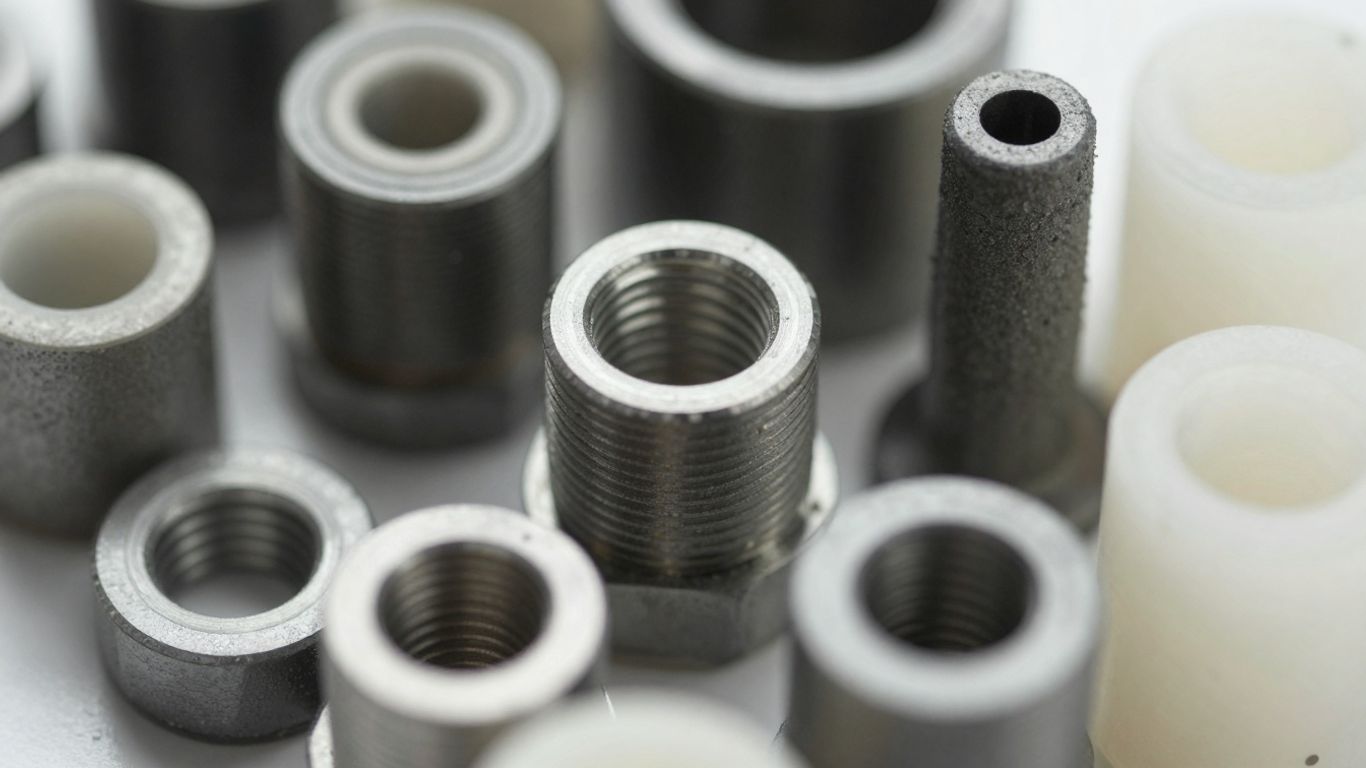
Picking the right well seal isn’t just about grabbing the first one you see. It’s more like choosing a partner for a long, tough job. You really need to think about what the seal is going to go through.
Evaluating Operating Conditions
First off, what exactly are you sealing? Is it water, oil, some kind of chemical? Knowing the fluid is a big deal because different materials react differently. Then, think about the temperature. Is it going to be hot, cold, or somewhere in between? High temperatures can make seals brittle or cause them to expand too much. Pressure is another big one. High pressure can force fluids past the seal, while low pressure might not keep the seal faces together properly. And don’t forget about speed – how fast is the shaft spinning? A faster spin means more friction and heat.
Ensuring Material Compatibility
This ties right into operating conditions. The materials used in the seal have to play nice with the fluid being sealed. For example, some elastomers might swell up or degrade when exposed to certain chemicals. You’ll see common materials like Buna-N, Viton, or EPDM, and each has its own strengths and weaknesses. If you’re dealing with something really aggressive, you might need special alloys or advanced composites. It’s all about making sure the seal doesn’t break down prematurely.
Matching Shaft and Housing Specifications
This sounds simple, but it’s where a lot of mistakes happen. The seal has to fit the shaft and the housing it goes into. You need to know the exact diameter of the shaft and the housing bore. Sometimes, you might be replacing an old seal, and you’ll need to measure the space available, like the depth of the stuffing box. If you’re retrofitting, you’ll want to make sure the new seal can actually fit into the existing setup without major modifications. Getting these measurements wrong means the seal won’t work, or worse, it could damage the equipment.
Considering Environmental Factors
Beyond the fluid and the machine itself, think about the environment the seal will be in. Is it dusty? Is there a lot of vibration? Are there extreme temperature swings outside the equipment? For instance, if there are abrasive particles in the air, you might need a seal with extra protection or a design that’s less likely to let dust in. Sometimes, special piping plans are used to flush the seal area with a clean fluid, which helps keep out contaminants and also cools the seal. It’s about protecting the seal from anything that could cause it to fail prematurely.
Here’s a quick rundown of things to check:
- Fluid Type: Corrosive, abrasive, or just plain water?
- Temperature Range: What are the highs and lows the seal will experience?
- Pressure: Is it constant, fluctuating, high, or low?
- Shaft Speed: How fast will the equipment be running?
- Contaminants: Is the environment dusty, dirty, or clean?
Choosing the right seal often means looking at a few different options and weighing the pros and cons. It’s not always the cheapest option that’s the best in the long run. A seal that lasts longer and prevents downtime can save a lot of money and headaches.
Wrapping It Up
So, we’ve gone over the different bits and pieces that make up well seals, from the main parts that do the actual sealing to the bits that hold it all together. It might seem like a lot, but knowing what each part does helps you figure out why a seal works, or sometimes, why it stops working. Whether it’s keeping oil in or gunk out, these seals are doing important work behind the scenes in all sorts of machines. Paying attention to these details can really make a difference in keeping things running smoothly.
Frequently Asked Questions
What is the main job of a well seal?
A well seal is like a gatekeeper for machines. Its main job is to stop important liquids, like oil or grease, from leaking out. It also keeps yucky stuff like dirt and dust from getting inside and messing things up.
What are the most important parts of a mechanical seal?
Mechanical seals have a few key players. There’s a pair of super-flat surfaces that rub against each other, devices that push them together, seals that keep things tight where they don’t move, and ways to make sure it all turns together.
What are the basic parts of an oil seal?
An oil seal usually has three main parts. There’s the sealing part, often called a lip, that does the actual sealing. It’s held in a metal case, and sometimes a spring is added to help keep everything snug.
Why are different materials used for seals?
Different jobs need different tools! Seals are made from various materials like rubber or special plastics because they need to handle different temperatures, chemicals, and pressures without breaking down. This ensures they work well and last longer.
How do I pick the right seal for my machine?
To choose the best seal, you need to think about how the machine works. What’s the temperature like? How much pressure is there? What kind of liquids are involved? Making sure the seal can handle these conditions and fits the machine just right is super important.
Can seals wear out, and what should I do?
Yes, seals don’t last forever. They can get worn down over time. It’s a good idea to check them now and then. If you see any leaks or damage, it’s best to replace them to keep your machine running smoothly and prevent bigger problems.