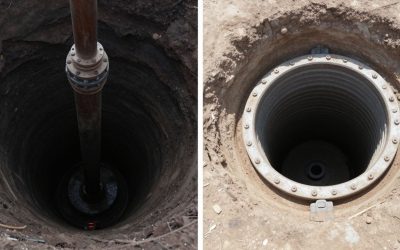
Storms can really mess with your private well. Heavy rain and flooding can push all sorts of junk into your water supply, and you might not even know it until it’s too late. This article talks about how to keep your well safe, especially with all the crazy weather we’ve been having lately. We’ll cover how storms affect wells, how to seal them up tight, and what to do if you think your water’s gone bad. Thinking about Well Seals and Climate Resilience Keeping Wells Safe from Storms is super important for anyone with a well.
Key Takeaways
- Storm runoff can carry pollutants and debris into your well, making the water unsafe.
- Flooding around your wellhead increases the risk of contaminants getting into your drinking water.
- Soil erosion caused by storms can lead to debris and unwanted substances entering private wells.
- Regular well water testing is vital to catch contamination and prevent potential health issues.
- Maintaining a secure and well-sealed well is crucial, especially during storm season, to protect your water supply.
Understanding Well Vulnerabilities During Storms
When storms roll in, especially the big ones with heavy rain and strong winds, our private wells can be put in a really vulnerable spot. Think about it: all that extra water has to go somewhere, and sometimes it carries a whole lot of unwanted stuff with it. This runoff isn’t just dirt and leaves; it can pick up all sorts of pollutants from the surface – things like pesticides from farms, oil drips from driveways, or even animal waste. When this contaminated water starts seeping into the ground, it can find its way down to the aquifer that your well draws from.
How Storms Impact Private Wells
Heavy rainfall is the main culprit. It can overwhelm the ground’s natural filtration system and push contaminants deeper, closer to your water source. Flooding is another big issue. If floodwaters rise high enough to cover your wellhead, there’s a serious risk of surface water, along with whatever is floating in it, getting directly into your well system. Even strong winds can cause problems by loosening soil around the well casing, creating pathways for contaminants to enter. It’s like the storm is actively trying to find a way in.
Recognizing Changes in Water Quality After Storms
Sometimes, you might notice changes in your water after a storm. This could be a cloudy appearance, a strange smell, or even a different taste – maybe metallic or earthy. These are pretty clear signs that something’s not right. However, and this is the tricky part, many harmful contaminants don’t change the look, smell, or taste of the water at all. You could be drinking unsafe water without even knowing it.
The invisible nature of many waterborne contaminants means that relying solely on sensory cues to detect problems is a risky strategy. Proactive testing is the only reliable way to confirm water safety after a significant weather event.
The Role of Land Use in Well Contamination
What’s happening on the land around your well really matters. If you’re near agricultural areas, runoff can carry fertilizers and pesticides. If there are industrial sites or even just busy roads nearby, oil, chemicals, and road salt can be washed into the groundwater. Even residential areas can contribute with lawn chemicals, pet waste, and poorly maintained septic systems. Basically, anything on the surface that can be washed away by rain has the potential to end up in your well if the ground isn’t protected.
Here’s a quick look at how different land uses can affect well water:
| Land Use Type | Potential Contaminants | Impact on Wells |
|---|---|---|
| Agricultural | Pesticides, herbicides, fertilizers, animal waste | Can lead to nutrient overload, bacterial contamination, and chemical presence. |
| Industrial | Heavy metals, solvents, oils, chemicals | Risk of toxic substances entering groundwater, potentially long-term contamination. |
| Residential | Lawn chemicals, pet waste, septic system leakage | Can introduce bacteria, nitrates, and various household chemicals. |
| Construction/Mining | Sediment, heavy metals, chemicals | Increased turbidity, potential for toxic metal contamination. |
Fortifying Wellheads Against Floodwaters
When storms roll in, especially those bringing heavy rain and potential flooding, your wellhead becomes a prime target for contamination. Think of it as the main entrance to your water supply; if that entrance isn’t sealed tight, all sorts of unwanted guests can get in. We’re talking about surface water carrying bacteria, chemicals from runoff, and even just plain old dirt and debris. It’s not a pretty picture, and it can turn your safe drinking water into a health hazard pretty quickly.
Sealing Cracks and Worn Seals
This is where the real work begins. You need to make sure every little opening is shut down. Over time, the seals around your well casing can dry out, crack, or just wear thin. Same goes for the well cap itself. These aren’t just minor cosmetic issues; they’re direct pathways for trouble.
- Inspect Regularly: Get down there and look closely. Are there any visible cracks in the concrete apron around the well? Does the seal around the casing look brittle or torn? Is the well cap fitting snugly, or does it feel loose?
- Repair Promptly: Small cracks can be sealed with appropriate hydraulic cement or specialized sealants. If a seal is worn out, it needs to be replaced. Don’t just slap some tape on it; use materials designed for well protection.
- Check the Casing: Make sure the well casing itself isn’t damaged. A bent or cracked casing is a much bigger problem and might need professional attention.
The goal here is to create an impenetrable barrier between the surface and your groundwater.
Installing Flood-Proof Well Caps
Beyond just sealing, you need the right kind of cap. Standard caps might keep out bugs, but they often aren’t designed to handle serious flood conditions. A flood-proof cap is built to create a much more secure seal, often with features that prevent water from seeping in even when submerged.
- Look for Vents: Even a flood-proof cap needs a screened vent to allow air pressure changes. The key is that the vent is designed to keep water out.
- Secure Fastening: The cap needs to be securely attached to the well casing. Some flood-proof caps use locking mechanisms or specialized clamps to ensure they don’t get dislodged by rising water.
- Material Matters: Choose caps made from durable, non-corrosive materials that can withstand harsh weather and prolonged exposure.
Implementing Effective Drainage Systems
Even with a perfectly sealed wellhead, if you have water pooling right around it, you’re asking for trouble. Water needs somewhere to go, and that place shouldn’t be your well.
- Grading: The ground around your well should slope away from it. This is basic landscaping, but it’s super important for well protection.
- Surface Water Diversion: Consider installing French drains or swales to channel surface water away from the well area, especially if your property has low spots or collects a lot of runoff.
- Gutters and Downspouts: Make sure your house’s gutters are directing water away from the foundation and, by extension, away from the well.
Protecting your wellhead isn’t a one-time fix. It requires ongoing attention, especially in areas prone to heavy rainfall or flooding. Regular checks and prompt repairs are your best defense against contamination, keeping your water safe even when the weather turns nasty.
Proactive Measures for Storm Resilience
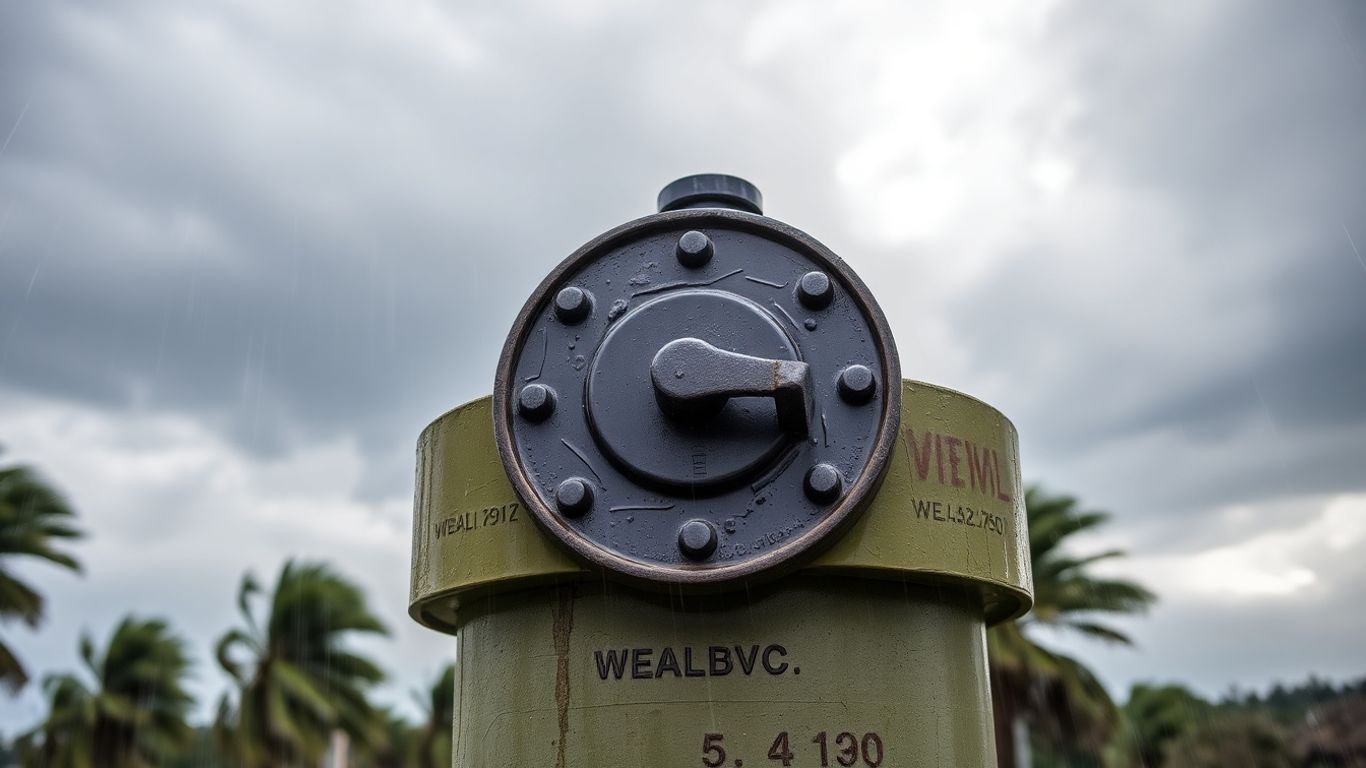
Being ready for storms isn’t just about boarding up windows; it’s also about making sure your private well can handle whatever the weather throws at it. Thinking ahead can save you a lot of trouble, and more importantly, keep your water safe.
The Importance of Routine Inspections
Regularly checking on your well is like giving it a health check-up. You want to catch small issues before they turn into big problems, especially when a storm is brewing. This means looking for any cracks in the well casing or the concrete around it. Even tiny openings can let in surface water, which might be carrying all sorts of unwanted stuff from the ground. Also, check that the well cap is secure and hasn’t been damaged. A loose or broken cap is an open invitation for bugs, dirt, and even small animals to get into your water supply. It’s also a good idea to look at the ground around your well. Is water pooling there after it rains? If so, you might need to improve the grading to make sure water flows away from the wellhead. Consistent upkeep is your first line of defense against storm-related contamination.
Benefits of Professional Water Quality Analysis
While you can do some visual checks yourself, getting your water tested by professionals is a whole different ballgame. They have the tools and knowledge to find things you can’t see, like bacteria or chemical contaminants. Doing this regularly, not just after a storm, gives you a baseline. You’ll know what your water normally looks like, so you can spot changes more easily. After a big weather event, a professional test is really important to make sure everything is still safe to drink. They can identify specific problems and recommend the best way to fix them, whether it’s a simple treatment or something more involved.
Here’s a quick look at why testing is so useful:
- Detects Invisible Threats: Finds bacteria, nitrates, heavy metals, and other contaminants that don’t change the water’s appearance or smell.
- Confirms Safety: Provides peace of mind that your water is safe for drinking and cooking after a storm.
- Guides Treatment: Helps professionals choose the right filtration or disinfection methods if contamination is found.
- Monitors Long-Term Trends: Tracks changes in water quality over time, which can indicate bigger groundwater issues.
Developing a Long-Term Preparedness Plan
Think of this as your well’s storm survival guide. It’s not just about what to do right before a storm hits, but also what to do in the weeks and months after. Your plan should include:
- Emergency Water Supply: Have a stock of bottled water or a reliable water filter system ready. This is crucial if your well becomes unusable.
- Backup Power: If you have a submersible pump, a generator or battery backup system can keep water flowing during power outages.
- Contact List: Keep phone numbers for your local health department, a trusted well service company, and emergency services handy.
- Maintenance Schedule: Mark down dates for routine inspections and professional water testing.
A well-prepared plan means you’re not scrambling when bad weather strikes. It’s about having the right supplies, knowing who to call, and understanding the steps to take to protect your water source. This proactive approach significantly reduces the risk of health issues and costly repairs down the line.
Having a plan also means staying informed about local weather patterns and any advisories issued by weather services. Knowing when heavy rain or flooding is expected allows you to take immediate protective actions, like ensuring your well cap is sealed tight and checking that drainage around your well is clear.
Regional Storm Patterns and Well Protection
Storms don’t hit everywhere the same way, and knowing what kind of weather your area usually gets is a big part of keeping your well safe. What works for someone dealing with hurricanes on the coast might not be the best plan for someone in the Midwest facing flash floods. It’s all about understanding the local risks.
Variations in Storm Frequency Across the US
Different parts of the country have their own typical storm seasons and types. For instance, the Gulf Coast often deals with hurricanes and tropical storms that can bring massive amounts of rain and flooding. Further inland, places like the Midwest might see more frequent thunderstorms and tornadoes, which can cause soil erosion and send debris flying. Even the Pacific Northwest has its share of intense rainfall events. These regional differences mean the potential threats to your well can vary quite a bit.
Impact of Local Weather on Water Safety
Think about it: heavy, fast rain can overwhelm your well system quickly, especially if the ground around it isn’t stable. This can push all sorts of unwanted stuff, from dirt and leaves to chemicals from nearby yards or farms, right into your water supply. In areas prone to flooding, saltwater intrusion can become a problem for coastal wells. Even rapid snowmelt in the spring can cause a surge of runoff that might affect your well. Paying attention to your local weather forecast and understanding these patterns is key to preparing your well.
Tailoring Preparations to Regional Risks
So, how do you get ready? It really depends on where you live. If you’re in a hurricane zone, you might focus on securing your wellhead and having a plan for power outages that could affect your pump. For areas with frequent flash floods, ensuring good drainage around your well and checking for any cracks or openings becomes more important. It’s about being smart and specific with your storm prep. Here’s a quick look at some common regional challenges:
- Gulf Coast: Heavy rains and storm surges can lead to flooding and potential saltwater intrusion. Focus on wellhead protection and backup power.
- Midwest: Flash floods and tornadoes can cause soil erosion and debris damage. Ensure your well casing is secure and drainage is effective.
- Northeast: Nor’easters can bring heavy snow and rain, leading to potential flooding and ground saturation. Check seals and consider flood barriers.
- Southwest: Monsoon storms can cause sudden, intense flooding and dust storms. Secure any exposed equipment and be prepared for rapid water level changes.
Being aware of the typical weather patterns in your region allows you to take targeted steps to protect your well. It’s not a one-size-fits-all situation; what works in one place might not be enough in another. Understanding your specific risks helps you prepare more effectively.
Advanced Solutions for Contaminated Water
When to Consider Shock Chlorination
Sometimes, even with the best preventative measures, your well water might still get contaminated after a major storm. If tests show bacteria or other nasty stuff in your water, it’s time to think about cleaning things up. Shock chlorination is a common way to disinfect your well system. It involves adding a strong dose of chlorine to kill off any lingering germs. This process needs to be done carefully to be effective and safe. You’ll typically add the chlorine, let it sit for a while to work its magic, and then flush the system thoroughly. It’s not a permanent fix, but it’s a good first step to get your water back to a safer state.
Exploring Advanced Filtration Technologies
If shock chlorination isn’t enough, or if you’re dealing with specific chemical contaminants, you might need to look into more advanced filtration. There are systems out there that can tackle a whole range of problems. Think about things like activated carbon filters, which are great for removing chlorine taste and odor, as well as certain organic compounds. Then there are reverse osmosis systems, which are pretty powerful and can remove dissolved salts, minerals, and even some heavy metals. For really tough contaminants, you might even consider UV (ultraviolet) treatment, which uses light to kill bacteria and viruses without adding any chemicals. Choosing the right filter really depends on what’s actually in your water, so testing is key.
The Necessity of Follow-Up Testing
No matter what cleanup method you use, whether it’s shock chlorination or a fancy new filter, you absolutely must do follow-up testing. This isn’t something you can skip. After you’ve treated your water, you need to get it tested again to make sure the contamination is gone and that your treatment method worked. If you don’t test, you’re just guessing if your water is safe to drink. It’s like going to the doctor for an infection and then not taking the full course of antibiotics – you might feel better, but the problem could still be lurking. Regular testing after a contamination event gives you peace of mind and confirms your water is safe for your family.
Dealing with contaminated well water after a storm can feel overwhelming. It’s important to remember that there are steps you can take, from simple disinfection to more complex filtration. The most critical part of any remediation effort is confirming the success of your actions through diligent follow-up testing. Don’t cut corners here; your health depends on it.
Staying Prepared for What’s Next
Look, storms are going to keep happening, and honestly, they might even get a bit wilder. That means keeping our wells safe isn’t just a one-time fix; it’s an ongoing thing. By taking simple steps like checking seals, making sure water can drain away from the well, and getting our water tested regularly, we’re building a stronger defense. It’s about being smart and proactive, so when the next big storm rolls in, we can feel a little more confident that our water supply is protected. It’s not complicated, just good sense for keeping our homes and families healthy.
Frequently Asked Questions
How do storms make well water unsafe?
When storms hit, heavy rain and flooding can push dirt, chemicals, and even animal waste into your well. Think of it like a big flood washing everything into your water source. Even small cracks can let this dirty water in, making your drinking water unsafe.
What are the signs that my well water might be contaminated after a storm?
Sometimes, you might notice a funny smell, a cloudy look, or a strange taste in your water. These can be clues that something’s wrong. However, a lot of harmful stuff can be in the water without you seeing or smelling it, which is why testing is so important.
How can I protect my wellhead from floodwaters?
You can help keep floodwaters out by making sure your well cap is sealed tight and there are no cracks around the well. Installing a special flood-proof cap can also add extra protection. Making sure water drains away from your well area is also a smart move.
Why is it important to test my well water after a storm?
Testing is like a check-up for your water. Storms can introduce invisible threats like bacteria and chemicals. Regular testing, especially after bad weather, helps you know for sure if your water is safe to drink and use.
What is shock chlorination and when should I use it?
Shock chlorination is a way to clean your well with a strong dose of chlorine to kill off germs. You might need to do this if your water tests show there are harmful bacteria in it. It’s a good idea to talk to a professional before doing this to make sure it’s done right.
How does what’s happening on nearby land affect my well?
What happens on land around your well can impact your water. If farms use a lot of fertilizers or if new buildings are put up, these things can cause pollutants to seep into the ground and eventually reach your well. It’s good to be aware of how the land is being used nearby.