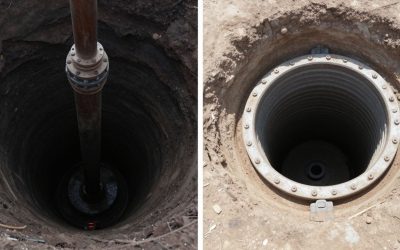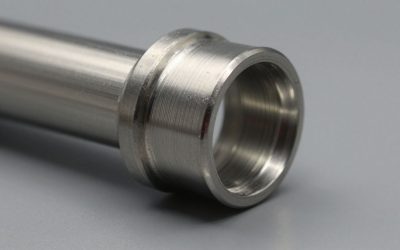
Your wellhead is sort of like the front door to your water supply. You wouldn’t leave your house door wide open for anyone to wander in, right? The same idea applies to your well. Keeping it secure with the right well seals and covers is super important. It’s all about stopping unwanted stuff from getting in and making sure your water stays clean and safe. We’ll look at why this matters and how to do it right.
Key Takeaways
- A secure wellhead is vital for preventing contamination and unauthorized access to your water source.
- Various types of well seals and covers exist, from basic sanitary caps to robust, lockable steel options, each offering different levels of protection.
- Proper installation and regular maintenance of well seals and covers are necessary to maintain their effectiveness.
- Well seals and security measures act as a primary defense against surface contaminants, debris, and animals entering the well.
- Following regulations and using appropriate well protection methods helps safeguard your water quality and the environment.
Understanding Well Seals and Security
The Importance of a Secure Wellhead
Your wellhead is the gateway to your water supply. It’s the point where the underground well casing meets the surface, and it’s really the only part you can see and interact with. Because of this, keeping it secure and properly sealed is super important. Think of it like the lock on your front door – it keeps the good stuff in and the bad stuff out. A wellhead that isn’t properly sealed or secured can let all sorts of unwanted things into your water. This isn’t just about keeping people out; it’s about protecting the water itself from contamination.
Defining Well Seals and Their Function
A well seal, often called a well cap or sanitary seal, is basically a cover for the top of your well casing. Its main job is to prevent anything from falling or getting into the well. This includes things like dirt, debris, insects, and animals. More importantly, it acts as a barrier against surface water runoff, which can carry pollutants like pesticides, fertilizers, or even bacteria from animal waste. A good well seal keeps your water clean and safe to drink. The seal needs to fit snugly and be made of durable materials to do its job effectively.
Risks of Unauthorized Well Access
When a wellhead isn’t properly secured, it opens the door to a few different problems. For starters, there’s the risk of accidental contamination. If someone or something tampers with an unsecured well, it could introduce harmful substances directly into your water source. Then there’s the issue of vandalism or intentional misuse. While less common, it’s a possibility that could have serious consequences for your water supply. Finally, an unsecured well can be a safety hazard, especially if there are children or pets around. It’s really about maintaining control over who and what has access to your water.
Keeping your wellhead sealed and secure isn’t just a good idea; it’s a necessary step in protecting your health and the integrity of your water source. It’s a relatively simple measure that provides significant peace of mind and prevents potentially costly problems down the line.
Types of Wellhead Protection
Sanitary Well Seals and Vermin-Proof Caps
When we talk about keeping your well water clean, the first line of defense is often a good well seal or cap. Think of it like putting a lid on a jar. A sanitary well seal, sometimes called a vermin-proof cap, is designed specifically to keep out unwanted guests. This isn’t just about keeping out mice or bugs, though they can certainly carry nasty stuff into your water. It’s about creating a solid barrier against surface water, dirt, and anything else that might wash or fall into the well opening. These seals usually have a rubber gasket that creates an airtight fit around the well casing, and they’re often secured with bolts. This setup is pretty effective at stopping surface runoff and debris from getting in, which is a big deal, especially if you live in an area with heavy rain or potential flooding.
Durable Steel and Concrete Well Covers
For wells that need a bit more muscle, there are heavier-duty options like steel and concrete covers. Steel covers, especially those made from galvanized or stainless steel, are tough. They can handle a lot of wear and tear and don’t easily corrode, offering great protection against environmental pollutants. Concrete covers are also a solid choice. They’re heavy, which means they stay put, and they provide a really robust barrier. These are often used in areas where there might be more risk of physical impact or where you need something that can withstand harsh weather for a long time. These materials are chosen for their longevity and resistance to damage.
Lockable Well Covers for Enhanced Security
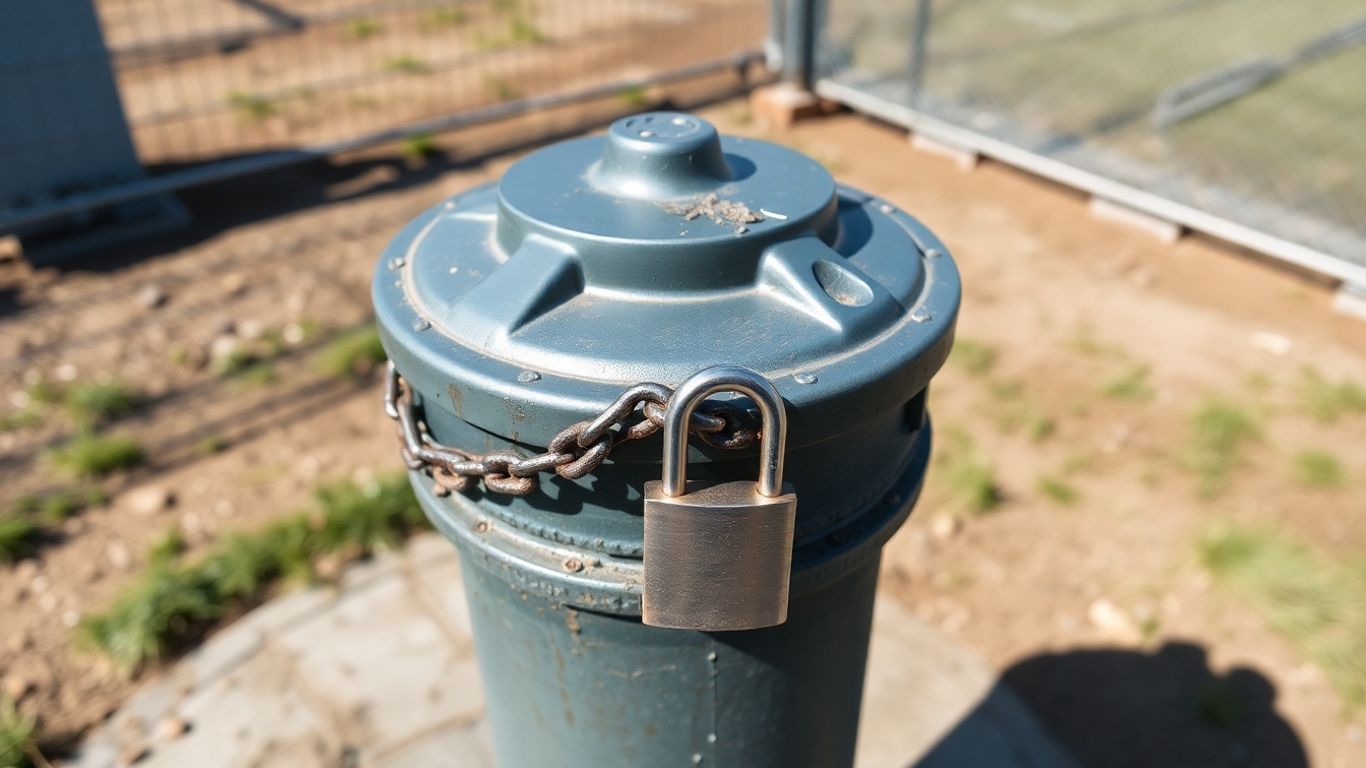
Sometimes, you need to go beyond just keeping out the elements and pests. If you’re concerned about unauthorized access – maybe your well is in a more remote location or you just want that extra peace of mind – a lockable well cover is the way to go. No matter what material the cover is made from, adding a lock means you have control over who can open it. This is super important because it prevents accidental or intentional tampering, which could lead to spills or the introduction of contaminants. It’s a straightforward way to add a significant layer of security to your water source.
Custom-Made Solutions for Unique Wells
Not all wells are created equal, right? Some have unusual shapes, sizes, or are located in tricky spots. That’s where custom-made well covers come in. If a standard cover just won’t fit right or provide the protection you need, you can get one designed specifically for your well. This ensures a perfect fit, which means a better seal and maximum protection against whatever might be lurking outside. It’s like getting a tailored suit for your wellhead – it just fits better and does the job more effectively.
Installation and Maintenance Best Practices
Getting your well sealed up right is pretty important, and honestly, it’s not something you want to mess up. A good seal keeps all sorts of unwanted stuff out, from creepy crawlies to nasty chemicals. So, let’s talk about how to get it done properly and keep it that way.
Preparing the Well Head for Sealing
Before you even think about putting a new seal on, you’ve got to get the area ready. This means clearing away any loose dirt, rocks, or old gunk that might be hanging around the wellhead. If there’s an old cap or seal, take it off. You want a clean, solid surface to work with. Think of it like prepping a wall before you paint it – a good base makes all the difference.
Proper Positioning and Application of Seals
Once everything’s clean, it’s time to put the seal in place. You need to make sure it fits snugly over the well opening, covering any potential entry points. Different types of seals have different application methods. Some might just sit in place and get secured with screws, while others, like certain heat-shrink seals, need a bit of heat to conform perfectly. Always follow the manufacturer’s instructions for the specific seal you’re using.
Here’s a general idea of what might be involved:
- Clean the wellhead thoroughly. Remove all debris, mud, and old sealants.
- Position the new seal so it completely covers the well opening and sits flush against the well casing or structure.
- Secure the seal according to its design. This could involve tightening bolts, applying adhesive, or using heat.
- Check for gaps. Make sure there are no openings where water or pests could get in.
Regular Inspection and Maintenance Schedules
Putting a seal on is just the first step. You can’t just forget about it. Wells are out in the elements, and things can happen. You should plan to check your well seal at least once a year, maybe more if you live in an area with harsh weather or lots of wildlife.
What to look for during inspections:
- Cracks or damage: Look for any signs of wear and tear, like splits or breaks in the material.
- Loose fittings: Make sure bolts are tight and the seal is still snug against the wellhead.
- Signs of pests: Check for any evidence of animals trying to chew or dig their way in.
- Water pooling: Ensure water isn’t collecting around the seal, which could indicate a problem.
If you find anything, don’t wait. Address it right away to keep your well protected.
Recording Installation Details for Future Reference
It’s a good idea to keep a record of when you installed the well seal and what type you used. This information is super helpful down the road. If you ever need to replace it, or if a professional needs to work on your well, they’ll know what they’re dealing with. Some seals even have a spot to write this info directly on them. If not, a simple logbook or a note in your home maintenance records will do the trick. It’s just good practice for keeping track of your property’s important systems.
Preventing Contamination Through Well Security
Barrier Against Surface Contaminants
A wellhead is basically the gateway to your water supply, and if it’s not properly sealed, all sorts of nasty stuff can get in. Think about rainwater running off your lawn or a neighbor’s field. If that water picks up fertilizers, pesticides, or even just dirt and animal waste, it can flow right into your well. A good, tight-fitting well cover acts like a shield, stopping that surface gunk from ever reaching your groundwater. It’s a simple physical barrier, but it makes a huge difference in keeping your water clean.
Minimizing Runoff Infiltration
Heavy rains or sudden floods can really test your well’s defenses. When water pools around your wellhead, it has more time to seep down into the ground. If that water is carrying pollutants from nearby roads, farms, or industrial sites, it’s a direct path to your drinking water. A well cover, especially one that’s designed to shed water away from the casing, helps prevent this infiltration. It’s like putting a cap on a leaky pipe – it stops the problem before it starts. This is especially important if you live in an area where farming or industry is common.
Preventing Debris and Animal Access
It’s not just chemicals and dirty water you need to worry about. Leaves, twigs, dirt, and even small animals can find their way into an unsecured well. Over time, this organic material can break down, affecting the taste and quality of your water, and potentially creating a breeding ground for bacteria. Animals, too, can carry diseases. A sturdy well cover keeps all of that out, maintaining the integrity of your well and making sure only clean water makes it to your tap. Some covers even have special screens on vents to keep bugs and small critters out while still allowing air to circulate.
Maintaining Water Quality and Safety
Ultimately, all these security measures boil down to one thing: keeping your water safe to drink. By preventing contaminants from entering your well, you’re protecting your family’s health. It’s about peace of mind, knowing that the water coming out of your faucet is as clean as it should be. Regular checks and a good quality well seal are part of a responsible approach to private well ownership. It’s a proactive step that helps avoid costly contamination issues down the road.
Keeping your wellhead secure isn’t just about following rules; it’s about protecting a vital resource. A well-sealed wellhead is the first line of defense against a whole host of potential problems, from chemical spills to animal intrusion. It’s a simple yet effective way to safeguard the quality and safety of your water supply for years to come.
Addressing Well Damage and Repair
Sometimes, even with the best intentions and the sturdiest well caps, things can get damaged. It’s not the end of the world, but it does mean you need to act. Ignoring a damaged well cap is like leaving your front door wide open – you’re inviting trouble, and that trouble usually comes in the form of contaminants.
Identifying Well Cap Damage
So, how do you know if your well cap is in rough shape? It’s usually pretty obvious if you take a moment to look. We’re talking about cracks, big or small, that weren’t there before. Maybe it looks warped, or perhaps it’s just not sitting flush on the well casing anymore. Physical impacts are a common culprit – think lawnmowers, falling branches, or even just the general wear and tear from years of exposure to the elements. Metal caps can corrode, and plastic ones can become brittle with age and UV exposure. And, of course, there’s always the possibility of tampering, where someone might have tried to pry it open or force it.
Repairing or Replacing Damaged Well Caps
If you spot some damage, the first thing to do is assess how bad it is. Minor cracks might sometimes be patched, but honestly, it’s often better to just replace the whole thing. Trying to patch a well cap can be tricky, and you want a seal that’s absolutely solid. If it’s broken, warped, or corroded beyond recognition, replacement is the way to go. You’ll want to pick a cap that’s designed for your well type and meets local regulations. Sometimes, you might need a professional to help you select the right one and get it installed correctly, especially if the damage is significant or you’re not comfortable doing it yourself.
Ensuring Proper Sealing After Repair
This is the really important part. Once you’ve got a new cap, or if you’ve managed to repair the old one, you absolutely must make sure it’s sealed properly. This means it needs to fit snugly against the well casing, with no gaps. If it’s a screw-on type, tighten it down. If it uses bolts and a gasket, make sure that gasket is in good shape and the bolts are tightened evenly. A good seal is what keeps the bad stuff out. If you’re unsure about the process, or if you’ve had to do some work on the well casing itself, it’s always a good idea to have a professional well contractor check your work. They can confirm that everything is sealed up tight and that your water is safe.
Regulatory Compliance and Well Protection
Meeting Local Well Construction Regulations
Lots of folks don’t realize it, but there are actual rules about how wells should be built and maintained. These aren’t just suggestions; they’re laws designed to keep your water safe. Depending on where you live, there might be specific requirements for things like the depth of your well, how it’s sealed, and what kind of cap you need to use. Ignoring these rules can lead to fines, but more importantly, it can put your water supply at risk. It’s worth checking with your local health department or environmental agency to know exactly what’s expected for your well. They often have guidelines that cover everything from the initial drilling to ongoing upkeep.
The Role of Well Covers in Compliance
This is where well covers really shine. A good, secure well cover isn’t just about keeping critters out; it’s often a direct requirement for meeting those local regulations we just talked about. Think of it as a key piece of the puzzle for a compliant well system. It acts as a physical barrier, and that’s a big deal when it comes to preventing all sorts of unwanted stuff from getting into your water. This includes:
- Surface contaminants like chemicals from spills or runoff.
- Debris such as leaves, dirt, and other organic matter.
- Insects and animals that could carry germs.
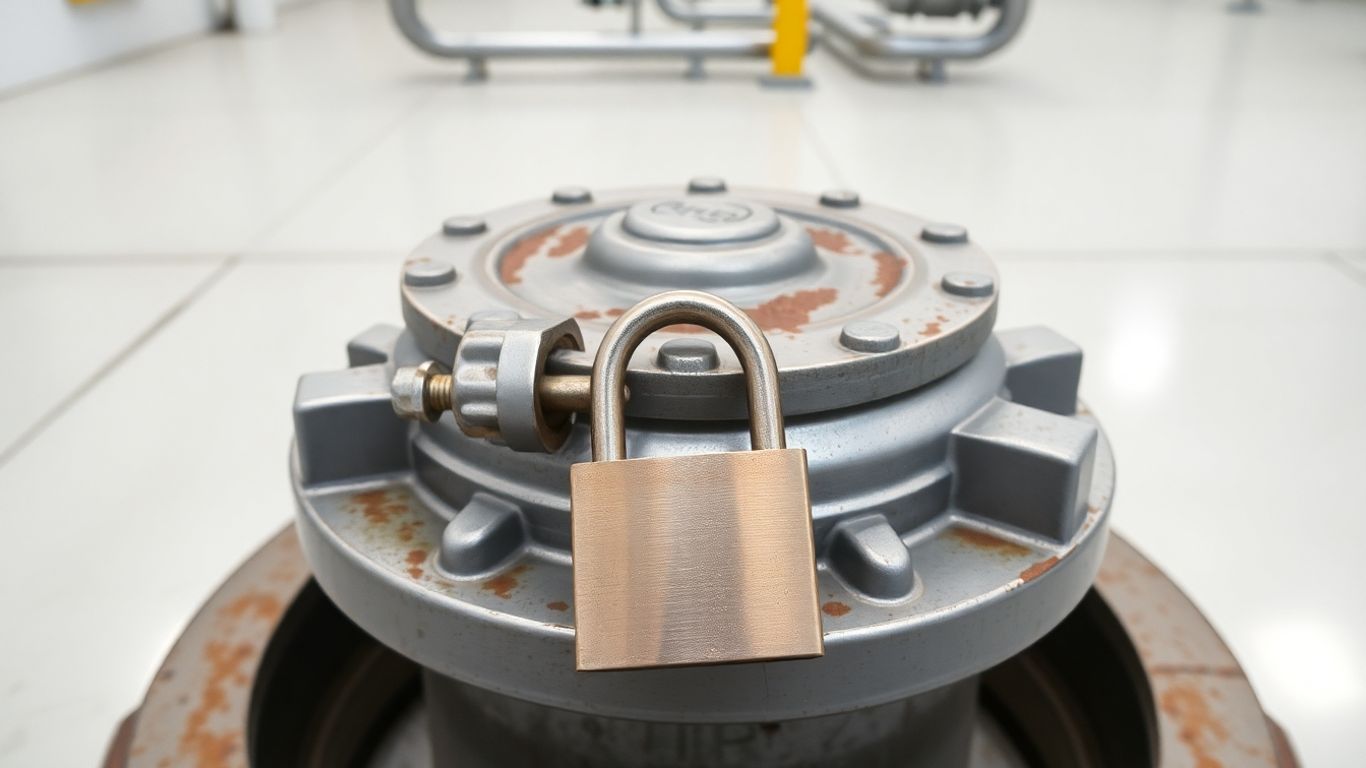
Some regulations might even specify the type of seal or cover needed, especially if your well is in an area known for potential pollution or if it’s used for public supply. Making sure your cover fits snugly and is made of durable material is usually part of the deal.
Safeguarding Groundwater Resources
Beyond just meeting the letter of the law, a well cover plays a huge part in protecting the actual groundwater itself. Our groundwater is a precious resource, and it’s not as protected as you might think. Surface water, which can pick up all sorts of pollutants from farms, roads, or industrial sites, can seep down into the ground. A wellhead is like a direct entry point for these contaminants if it’s not properly sealed. A secure cover helps prevent this direct infiltration, acting as the first line of defense. It’s a simple step, but it makes a big difference in keeping the water underground clean and safe for everyone who relies on it, now and in the future. It’s all about being a good steward of the water we have.
Wrapping It Up
So, we’ve talked a lot about keeping your wellhead secure. It’s not just about slapping on any old cap; it’s about making sure nothing unwanted gets in. Whether it’s a fancy sealed cap or a good old-fashioned sturdy cover, the main goal is to keep your water safe from all sorts of stuff, from dirt and bugs to chemicals. Think of it like putting a lid on a jar – you want it to fit tight. Checking your well cap now and then, making sure it’s not cracked or loose, is just good sense. It’s a simple step that really makes a difference in keeping your water clean and your well protected. Don’t wait until there’s a problem; take a look at your wellhead today and make sure it’s sealed up right.
Frequently Asked Questions
Why is it important to keep my wellhead secure?
Keeping your wellhead secure is super important because it’s the main entry point for your water. If it’s not protected, things like dirt, bugs, animals, or even harmful chemicals could get in and make your water unsafe to drink. A secure wellhead acts like a strong door, keeping out anything that shouldn’t be there.
What exactly are well seals and well caps?
Think of a well seal or well cap as a lid for your well. A well seal is often a flexible material that shrinks tight around the well pipe to create a waterproof barrier. A well cap is usually a more solid cover that sits on top. Both are designed to stop unwanted stuff from getting into your well and contaminating your water supply.
What are the risks if someone accesses my well without permission?
Unauthorized access to your well is a big problem. Someone could intentionally put harmful substances into your water, which could make you and your family very sick. Even accidental damage from someone trying to get into the well could let in dirt and bacteria, ruining your water quality.
What are some common types of wellhead protection?
There are several ways to protect your wellhead. You can get special sanitary seals that keep out bugs and small animals, or sturdy covers made of steel or concrete. For extra safety, you can use lockable well covers to prevent anyone from opening it without a key. Sometimes, unique wells need custom-made covers.
How often should I check my well cap and seal?
It’s a good idea to check your well cap and seal regularly, maybe every few months or at least once a year. Look for any cracks, damage, or signs that it’s not sealed tightly anymore. Also, make sure nothing is blocking any vents if your cap has them. Catching problems early can save your water from getting contaminated.
Can a well cover really stop chemicals from getting into my water?
Yes, a good quality, properly installed well cover can significantly help prevent chemicals from reaching your groundwater. It acts as a barrier against things like pesticides, fertilizers, or industrial runoff that might be on the surface. However, it’s just one part of keeping your water safe; regular checks and proper maintenance are also key.