Owning a home with a well means you’re in charge of your own water. It’s a pretty cool perk, giving you independence from city water. But with that independence comes responsibility. You’ve got to make sure everything is working right to keep that water clean and safe. One part of your well system that’s super important, but maybe not always obvious, is the well seal. This article will cover why every water well inspection includes a check of well seals, so you can keep your water flowing and healthy.
Key Takeaways
- The well seal, often part of the well cap, is the barrier that keeps your well water safe from surface contaminants like dirt, insects, and animal waste. A good seal is vital for water purity.
- Look out for signs of a failing well seal, such as cracks in the well cap, gaps, or loose fittings. Regular visual checks can help you spot problems early.
- Preventative maintenance is key. Keep the area around your wellhead clear, grade the land so water drains away, and never hit the well casing with lawn equipment.
- If you find issues like cracks in the well casing or a deteriorated seal, it’s best to call a professional. They have the tools and knowledge to fix it right.
- When selling or buying a home with a well, ask for well construction and water testing records. In some areas, a well inspection is required before a sale can close.
Understanding The Critical Role Of Well Seals
The Gatekeeper Of Your Water Supply
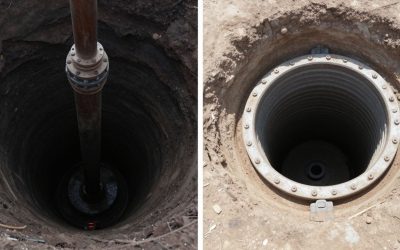
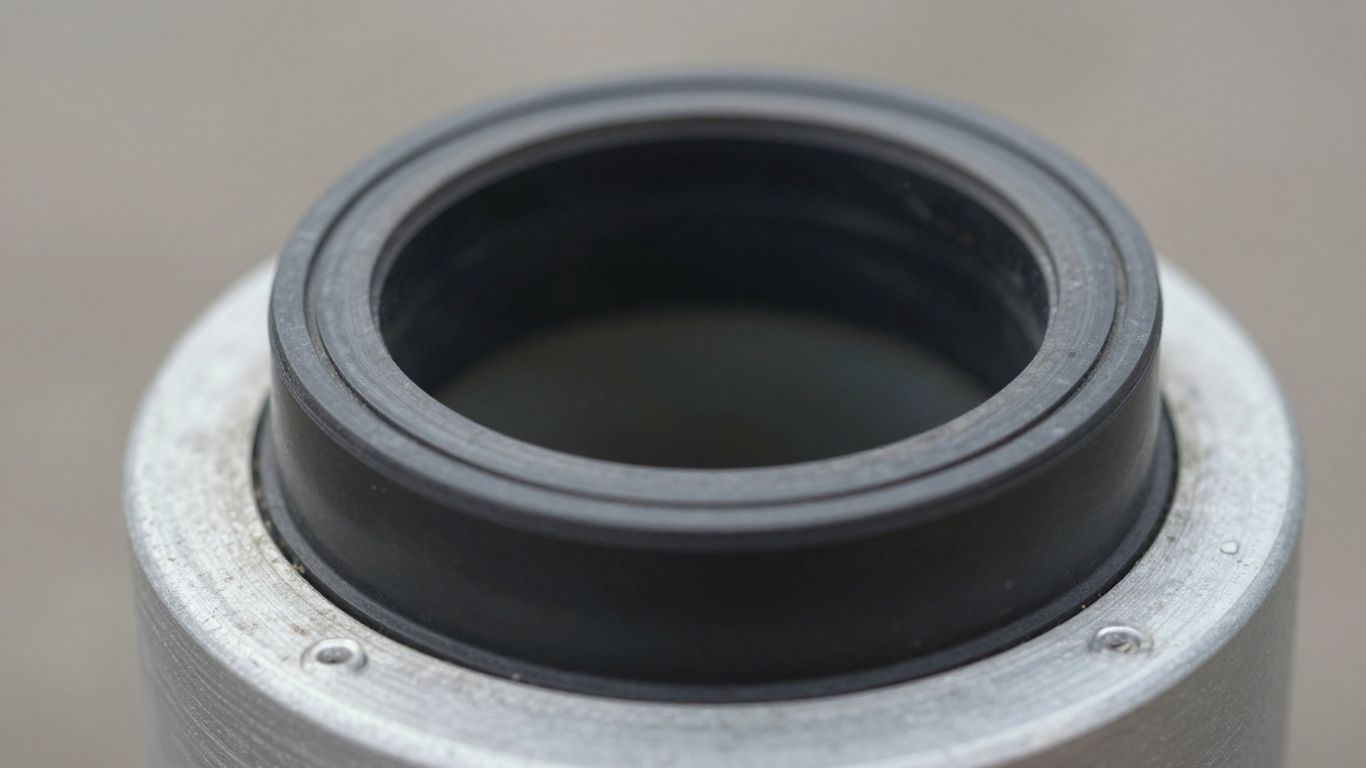
So, you have a well. That’s pretty cool, right? It means you’ve got your own water source, totally independent. But having a well means you’re also responsible for keeping that water clean and safe. That’s where the well seal comes into play. Think of it like the lid on a jar, but way more important for your health. It’s usually a cap or a plate that fits snugly onto the top of your well casing – that big pipe sticking out of the ground.
Its main job is to keep junk out of your water supply. We’re talking about all sorts of nasty stuff: dirt, bugs, critters, surface water, and anything else that might be lurking around your yard. Without a good seal, all that gunk can easily find its way down into your well and into your drinking water. And nobody wants that.
Preventing Surface Contamination
Your well seal is basically the first line of defense for your water. It creates a barrier, a really important one, between the outside world and the clean water underground that your well is tapping into. When it’s working right, it stops surface water, which can pick up all sorts of contaminants like pesticides, animal waste, or even chemicals from your driveway, from seeping down into the well casing. It also prevents small animals and insects from getting in and potentially contaminating the water or damaging equipment.
It’s not just about keeping big things out, either. A good seal helps prevent rainwater or melted snow from running down the outside of the well casing and finding tiny cracks or openings to get into the water. This is especially true for older wells where the casing might not be in perfect shape.
Ensuring Water Purity And Safety
If your well seal isn’t doing its job, you’re asking for trouble. The most obvious problem is contamination. We’re not just talking about a little dirt; we’re talking about bacteria, viruses, nitrates, and other harmful stuff that can make you and your family sick. Sometimes, you might notice a change in the taste or smell of your water, but often, there are no warning signs until you get a water test back or someone gets sick.
Beyond health risks, a bad seal can lead to other issues. It can allow rodents or insects to get into the well, which can cause damage to your pump or other equipment. It can also lead to increased sediment in your water, which can clog filters and shorten the life of your appliances. In really bad cases, it might even mean needing to drill a new well, and that’s a huge expense. It’s way cheaper to fix a seal than to replace a whole well system.
A well seal might seem like a small, simple part of your water system, but its role in protecting your water quality is huge. It’s the gatekeeper, and if that gate is left open, you’re exposing your entire water supply to potential problems that can affect your health and your wallet.
Recognizing Signs Of A Compromised Well Seal
So, how do you know if that important seal around your well isn’t doing its job anymore? Sometimes it’s pretty obvious, and other times, you might not even realize there’s a problem until much later. It’s kind of like that weird noise your car starts making – you might ignore it for a bit, but eventually, it’s going to need attention.
Visible Damage And Deterioration
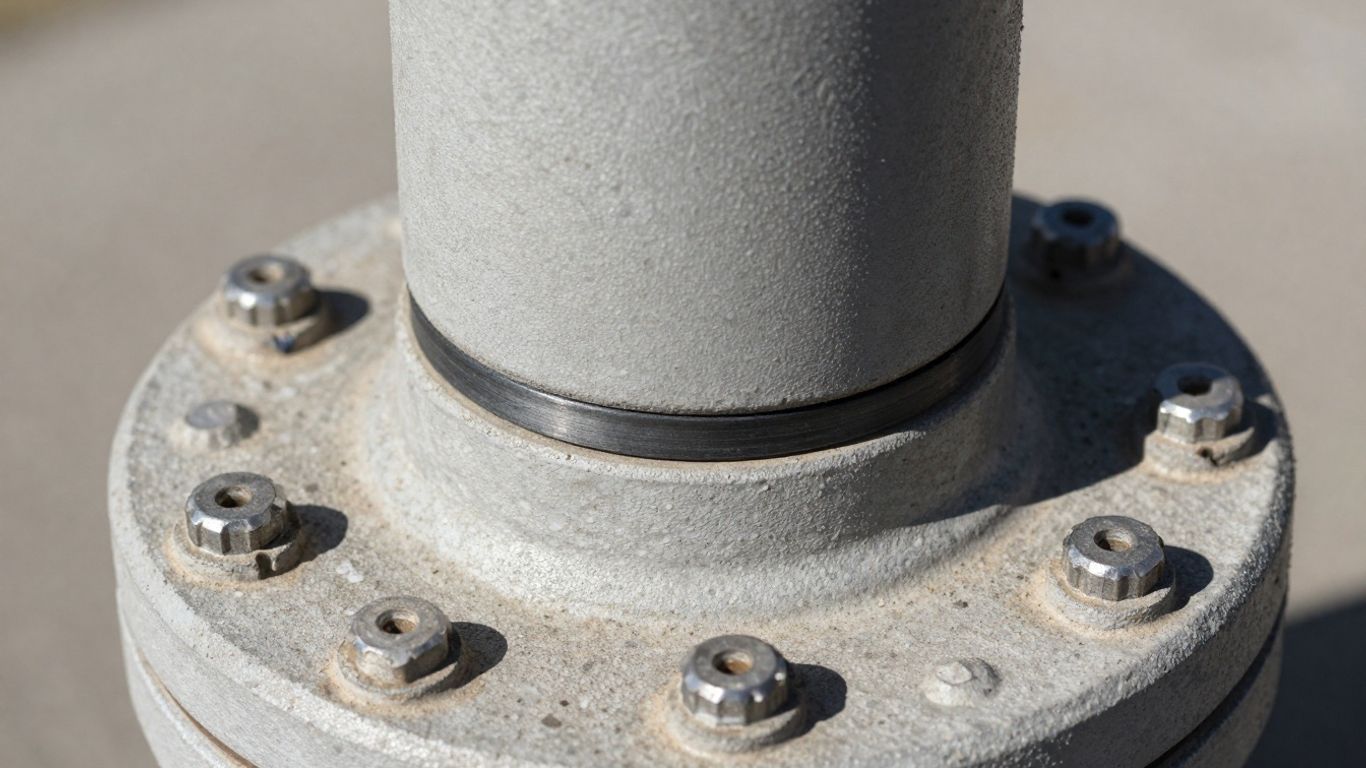
First off, just take a good look. Is the well cap cracked, split, or does it look like something’s chewed on it? The seal itself, that rubbery or plastic bit that sits between the cap and the well casing, can also get brittle and break down over time. You might see pieces missing or areas where it’s just worn away. Any physical damage to the cap or the seal is a clear warning sign.
Loose Fittings And Gaps
Next, give the well cap a little wiggle. Does it feel loose? It should fit snugly. Even a small gap between the cap and the well casing is a big deal. Think of it like a tiny crack in a window – it might not seem like much, but it’s an opening for trouble. This is where dirt, insects, and even small critters can find their way in.
Unusual Water Quality Changes
This is a big one, though sometimes it’s subtle. Has the taste or smell of your water changed recently? Maybe it’s got a funny metallic tang, or there’s a new odor you can’t quite place. You might also notice your water is cloudier than usual, or you’re seeing more sediment in your sinks or tubs. These aren’t always caused by a bad seal, but it’s definitely something to consider if you’re seeing other signs too.
Evidence Of Pest Intrusion
Are you seeing more bugs or small animals hanging around the wellhead than usual? While some critters are just part of nature, a sudden increase in activity right at your well could mean they’ve found an easy way in. They might be attracted to moisture or seeking shelter, and a compromised seal provides just that. It’s not just about the pests themselves; they can carry contaminants or damage equipment.
A well seal’s primary job is to act as a barrier, keeping everything from the surface – like rainwater runoff, pesticides, animal waste, and general debris – out of your clean groundwater supply. When that barrier is compromised, it’s like leaving the front door unlocked for all sorts of unwanted guests to enter your water system.
Here are some things to look for during a visual check:
- Cracks or holes in the well cap or the casing itself.
- Gaps between the well cap and the well casing.
- Deteriorated or missing seal material.
- Signs of animal or insect activity around the wellhead.
- Pooling water directly around the well casing (the ground should slope away).
- Changes in water taste, smell, or appearance.
The Consequences Of A Failing Well Seal
Health Risks From Contamination
A well seal’s primary job is to keep the bad stuff out. When it fails, that barrier is gone. This means contaminants from the surface – think bacteria, viruses, animal waste, and even chemical runoff – can easily make their way into your water supply. Drinking water contaminated with these pathogens can lead to serious health issues, ranging from gastrointestinal problems to more severe illnesses, especially for young children, the elderly, or those with weakened immune systems. Sometimes, you might notice a change in your water’s taste or smell, but often, there are no obvious signs until you get a water test back or, worse, someone gets sick.
Damage To Well Equipment
It’s not just about your health; a compromised seal can also wreak havoc on your well’s mechanical components. Small critters like insects or rodents can find their way into the well casing through gaps. They can chew on wires, clog pipes, or even die inside, leading to further contamination and potential damage to your pump and other sensitive equipment. This kind of damage can be expensive to repair and can lead to unexpected downtime for your water system.
Increased Sediment And Filtration Issues
When the seal is no longer tight, dirt, sand, and other debris from the ground surface can start to enter the well. This increases the sediment load in your water. Over time, this can clog your water filters, reducing their effectiveness and requiring more frequent replacements. It can also lead to buildup in your plumbing system and appliances, potentially shortening their lifespan and causing them to malfunction. Imagine your washing machine or dishwasher struggling because of gritty water – it’s a common side effect of a failing seal.
Potential For Costly Well Replacement
In the most severe cases, a failing well seal can lead to significant structural damage to the well itself. If surface water or contaminants repeatedly enter the well casing, especially around older or damaged casings, it can accelerate deterioration. If the well casing itself becomes compromised or if contamination is widespread and persistent, the only solution might be to drill an entirely new well. This is a major undertaking, costing tens of thousands of dollars, making regular inspection and maintenance of the well seal a far more economical choice in the long run.
Professional Inspection And Maintenance
Why Professional Inspections Are Essential
Look, nobody wants to think about their well acting up. It’s one of those things you just expect to work, right? But just like your car needs its oil changed and your HVAC system needs a tune-up, your water well needs regular check-ups too. These aren’t just suggestions; they’re vital for keeping your water safe and your system running smoothly. Ignoring them is like ignoring a small leak in your roof – it might seem minor now, but it can turn into a huge, expensive problem down the road. A professional inspection is your best bet for catching issues before they get out of hand.
What A Professional Inspection Entails
So, what exactly does a pro do when they come to check out your well? It’s more than just a quick peek. They’re looking at the whole picture, from the ground up.
Here’s a general rundown of what you can expect:
- Wellhead and Casing Check: They’ll examine the well cap and casing for any damage, cracks, or signs of wear. This is where the seal is, so it’s a big focus.
- Pump and Electrical System Review: This includes checking the pump’s performance, motor load, wiring, and any associated controls. They want to make sure everything is operating efficiently and safely.
- Water Quality Testing: They’ll typically take a water sample to test for bacteria (like coliforms), nitrates, and other common contaminants. Changes in taste, odor, or appearance can also be red flags.
- Flow Rate and Pressure Assessment: They’ll check how much water your well is producing and if the pressure is consistent. Dropping pressure or inconsistent flow can point to underlying issues.
- Sanitary Seal Verification: This is where they really focus on that well seal we’ve been talking about, making sure it’s intact and doing its job.
A professional inspection isn’t just about finding problems; it’s about understanding your well’s current condition and getting a clear picture of its long-term health. They’ll usually provide a written report detailing their findings and any recommended actions.
The Importance Of Licensed Professionals
When it comes to your water supply, you don’t want just anyone poking around. Hiring a licensed or certified water well professional is super important. These folks have the training, the tools, and the know-how to properly assess your system. They understand local regulations and what to look for that the average homeowner might miss. Plus, they can often spot potential issues that could affect your well’s lifespan or your family’s health. Think of it like going to a doctor for a check-up – you want someone qualified who knows what they’re doing. You can usually find these professionals through local directories or by asking for recommendations from neighbors or your local health department.
Homeowner Preventative Care For Well Seals
Owning a home with a well means you’re the one in charge of your water. It’s a pretty neat feeling, not having to rely on the town’s water supply. But, with that freedom comes the job of making sure everything is working right to keep your water clean and safe. Your well seal is a big part of that, and while you might not think about it much, a little bit of homeowner attention can go a long way in keeping it in good shape.
Regular Visual Checks
Making it a habit to just look at your well seal a couple of times a year is a really smart move. Think of it like checking the tires on your car. You don’t need to be a mechanic to spot a flat, and you don’t need to be a well expert to see if something looks off with your well cap and seal. Try to do this maybe in the spring when things start thawing and again in the fall before winter really sets in.
Here’s a simple rundown of what to look for:
- Clear the Area: First off, you need to be able to see. So, clear away any leaves, branches, garden tools, or anything else that might be piled up around the wellhead. You want a clear view of the cap and the casing.
- Examine the Well Cap: Look closely at the cap itself. Is it sitting securely? Does it look cracked, warped, or damaged in any way? If your cap has a vent screen, check that it’s intact and not clogged with bugs or debris.
- Inspect the Seal: Now, focus on the seal where the cap meets the well casing. Does it look like it’s still in good condition? Are there any obvious gaps, tears, or signs that it’s drying out and cracking?
- Check the Casing: Look at the well casing where it comes out of the ground. Is the casing itself damaged? What about the concrete or grout seal around it? Is that intact, or is it cracked and crumbling?
- Look for Pooling Water: Make sure water isn’t collecting right around the base of your well. The ground should naturally slope away from the wellhead so water drains off.
Maintaining a Clear Wellhead Area
Keeping the area around your wellhead clear isn’t just about making it look tidy; it’s actually pretty important for the seal’s health. When leaves and debris pile up, they can hold moisture. This dampness can speed up the deterioration of the seal and the cap over time. Plus, it makes it harder for you to spot any problems if you can’t see what’s going on.
A clean wellhead area helps prevent moisture buildup, which can degrade seals and caps. It also makes it easier to spot potential issues like cracks or gaps before they become serious problems.
Ensuring Proper Ground Drainage
This is a big one. The ground around your well casing should always slope away from it. Think about it – if the ground slopes towards the well, any rain or snowmelt is going to pool right there. That standing water can eventually find its way into tiny cracks or weak spots in the seal, carrying all sorts of surface contaminants with it. You don’t want your well acting like a bathtub drain for your yard. If you notice the ground has settled or is directing water towards the well, you might need to add some soil to create a better slope. Also, be careful with lawn equipment. Try not to hit the well casing with a mower or string trimmer, as those impacts can damage the casing and the seals over time.
Well Seals In Real Estate Transactions
Buying or selling a home with a private well? It’s a bit different than a house hooked up to city water, and the well seal plays a surprisingly big role. Think of it as the gatekeeper for your water supply. When you’re on the move, either buying or selling, understanding the condition and history of the well seal is pretty important.
Buyer’s Due Diligence
If you’re looking at a property with a well, you’ve got a few things to check out. First off, does the seller even know where the well is? Sometimes, wells get buried or forgotten over the years. You’ll want to see any records they have – like construction details or past sealing information. A properly sealed well is key to preventing contamination. If there’s no record of sealing, or if the seal looks questionable, it’s a red flag. You might want to ask for a professional inspection. It’s not just about the water quality today, but also about potential future costs if that seal needs fixing.
- Always ask for well construction and water testing records.
- Consider a professional inspection to identify potential issues.
- Understand that a compromised seal can lead to future repair costs.
Seller Disclosure Obligations
As a seller, you’ve got to be upfront about your well. Most places have rules about disclosing the number and status of wells on the property. This usually happens before you even sign a purchase agreement. If you know about a well but don’t mention it, or if you misrepresent its condition, you could end up in hot water legally down the road. Buyers can come after you for the cost of sealing it, plus legal fees, if you didn’t disclose properly. It’s better to be honest and clear from the start.
Honesty about the well’s condition, including the seal, is the best policy for sellers to avoid future legal entanglements.
The Role In Mortgage Approvals
Sometimes, a well inspection is just a good idea, and other times, it’s required. Lenders might ask for water quality tests (like for bacteria and nitrates) as part of approving a mortgage. Even if it’s not required, getting a professional to check out the well seal and the overall well system can save you a lot of headaches. They can spot issues you might miss, like cracks in the casing or a loose well cap, that could lead to problems later. It’s a small investment that can protect a much larger one – your new home.
- Lenders may require water quality tests for mortgage approval.
- A professional inspection can identify issues that might affect property value or insurability.
- Addressing well seal problems before a sale can streamline the mortgage process.
So, What’s the Bottom Line?
Look, that well seal might seem like a tiny detail in the grand scheme of your home’s water system. But honestly, it’s doing some heavy lifting. It’s the main guard keeping all sorts of unwanted stuff out of your drinking water. Skipping a check on it is like ignoring a small leak in your roof – it might not seem like a big deal now, but it can lead to some serious problems later on. So, next time you’re thinking about your well, give that seal a quick once-over. It’s a simple step that really pays off in keeping your water safe and your mind at ease. Don’t wait for a problem to pop up; a little attention now saves a lot of trouble down the road.
Frequently Asked Questions
What is a well seal and why is it important?
A well seal, often part of the well cap, is like a lid for your well. Its main job is to keep nasty stuff like dirt, bugs, animals, and surface water from getting into your water supply. It’s a crucial barrier that protects your clean groundwater from outside pollution, making sure your drinking water stays safe.
How can I tell if my well seal is failing?
You can usually spot problems by looking closely. Check the well cap and the seal around it for any cracks, splits, or missing pieces. Make sure the cap fits snugly and doesn’t wobble. Also, keep an eye out for signs of pests trying to get in or any changes in your water’s taste, smell, or color. These can all be hints that the seal isn’t doing its job.
What happens if my well seal isn’t working right?
If your well seal is broken or damaged, it’s like leaving the door open for trouble. Harmful things like bacteria, chemicals, and other pollutants can get into your water, which can make you and your family sick. It can also lead to more dirt and debris in your water, potentially damaging your appliances and costing you more on filters.
Can I fix a bad well seal myself?
For very minor issues, like a loose cap, you might be able to tighten it yourself. However, if you see cracks, significant damage, or suspect contamination, it’s best to call a professional. Fixing a well seal correctly requires specific knowledge and tools to ensure it meets safety rules and truly protects your water. Trying to fix it yourself could lead to bigger problems later on.
How often should my well seal be checked?
It’s a good idea to give your well seal a quick visual check yourself a few times a year, especially after heavy rain or storms. For a more thorough inspection to make sure everything is sound, it’s recommended to have a licensed professional check it at least once a year, usually as part of a complete well system check-up.
Do I need to worry about well seals when buying or selling a house?
Absolutely! When buying a home with a well, a professional inspection that includes the well seal is a smart move for your safety and to understand potential future costs. As a seller, you’ll likely need to disclose the condition of your well system, including the seal. Lenders might also require water quality tests as part of the sale process.