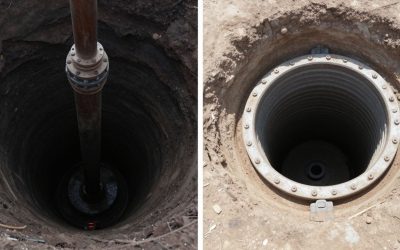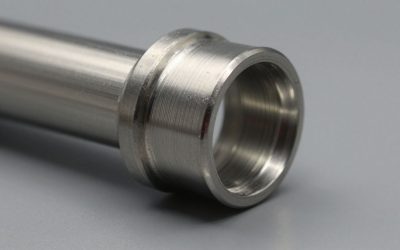
You know, sometimes the simplest things are the most important, especially when it comes to keeping everyone safe. We don’t often think about it, but the water we drink has to be protected. That’s where tamper-resistant well seals come in. They might seem small, but they play a big role in making sure our water sources are secure and that we can trust what’s coming out of our taps. Let’s talk about why these seals are so necessary for public safety.
Key Takeaways
- Tamper-resistant seals are vital for public safety because they help protect our water sources from contamination and unauthorized access.
- These seals act as a clear warning sign, showing if someone has tried to mess with a well or water system.
- Using these seals helps make sure the water quality is maintained, which is super important for everyone’s health.
- Industries like food, medicine, and utilities rely on these seals to meet rules and keep their products safe.
- New technologies are making these seals even better, with features like tracking and real-time alerts.
Understanding Tamper-Resistant Well Seals
Defining Tamper-Resistant Technologies
So, what exactly are we talking about when we say "tamper-resistant"? It’s not quite the same as "tamper-proof" or "tamper-evident," though they all aim to keep things secure. Think of tamper-resistant as making it harder to mess with something. It requires more effort, maybe special tools, or a bit more know-how to get past. It’s not impossible, but it’s definitely a deterrent for anyone just casually trying to get in.
The Spectrum of Tamper Protection: Evident, Proof, and Resistant
It’s helpful to see these security measures on a kind of scale. On one end, you have tamper-evident features. These are designed to show you if something has been messed with. Think of a sticker that leaves a "VOID" mark when you peel it off. It doesn’t stop someone, but it tells you they were there. Then there’s tamper-proof. This is the heavy-duty stuff, built to make tampering virtually impossible without causing obvious, significant damage. Finally, we have tamper-resistant. This sits in the middle, making unauthorized access more difficult, slowing down potential intruders, and discouraging opportunistic meddling.
Here’s a quick look at how they stack up:
- Tamper-Evident: Focuses on detection. Shows clear signs of interference.
- Tamper-Proof: Focuses on prevention. Designed to be extremely difficult or impossible to bypass.
- Tamper-Resistant: Focuses on deterrence. Makes tampering more challenging and time-consuming.
Deterrence as a Primary Function
For tamper-resistant seals, especially on something like a wellhead, the main goal is deterrence. It’s about making it obvious that this isn’t an easy target. If someone has to go through extra steps or use specific tools to try and break a seal, they’re more likely to move on to an easier target. It adds a layer of security that discourages casual interference, which can be just as damaging as a determined attack in some cases. It’s about making the effort to tamper outweigh the perceived benefit for most people.
Tamper-resistant seals are designed to increase the difficulty and effort required for unauthorized access. While they may not offer the absolute prevention of tamper-proof systems, their primary role is to discourage opportunistic tampering and signal that the protected area is secured.
Ensuring Public Safety Through Secure Water Sources
When we talk about public safety, we often think about police or firefighters, but a lot of safety comes from things we don’t always see, like our water supply. Making sure our water sources are protected is a big deal, and that’s where tamper-resistant well seals come into play. These aren’t just fancy caps; they’re a serious line of defense.
Protecting Against Contamination and Unauthorized Access
Think about it: a well is a direct link to our drinking water. If someone can get into it without permission, they could potentially introduce all sorts of nasty stuff. We’re talking about bacteria, chemicals, or even just plain old dirt that could make people sick. Tamper-resistant seals act like a lock on that wellhead. They make it really obvious if someone has tried to mess with it, giving us a heads-up that something might be wrong before it becomes a widespread problem. This visible indicator is key to stopping unauthorized access before it leads to contamination. It’s about keeping the bad stuff out and the good water in.
The Critical Role in Water Quality Assurance
Water quality isn’t just about treating the water; it’s also about keeping it pure from the source. Seals help with this by showing that the water source itself hasn’t been compromised. When a seal is intact, it gives us more confidence that the water meets safety standards. If a seal is broken, it triggers an investigation. This process helps maintain the integrity of the water supply chain, from the ground all the way to our taps. It’s a simple step that supports the whole system of making sure our water is safe to drink.
Preventing Interference with Essential Utilities
Water isn’t just for drinking; it’s a utility. Like electricity or gas, our water systems are vital infrastructure. Tamper-resistant seals on wells and related equipment help prevent people from messing with these systems. This could be anything from someone trying to steal water to more serious sabotage. By making it harder to interfere with these critical points, we help keep the water flowing reliably and safely for everyone. It’s a way to protect a service that we all depend on every single day.
Benefits of Tamper-Resistant Seals in Practice
Using tamper-resistant seals isn’t just about following rules; it actually brings some pretty solid advantages to the table. Think of them as a clear signal to everyone involved that you’re serious about keeping things secure and honest.
Visible Indicators of Compromise
One of the biggest pluses is that these seals make it super obvious if someone’s messed with something they shouldn’t have. It’s not like a hidden flaw; it’s right there for anyone to see. This visual cue is a big deal for a few reasons:
- Immediate Detection: If a seal is broken, torn, or shows signs of being tampered with, you know right away that the contents might not be what they should be. This is especially important for things like food or medicine where safety is a top concern.
- Deterrence: Just knowing that a tamper-evident seal is in place can make someone think twice before trying to interfere. It’s like a sign that says, "You’ll be caught if you try anything."
- Consumer Confidence: When customers see a seal that looks untouched, they feel more secure about what they’re buying. It builds trust without them even having to ask.
Enhancing Traceability and Audit Trails
Beyond just showing if something’s been opened, these seals can also help you keep track of things. Many seals come with unique numbers or codes. This is where things get interesting:
- Tracking Shipments: Each seal has a unique identifier. This means you can log which seal was used on which shipment. If something goes wrong later, you can trace it back.
- Inventory Management: For businesses with lots of stock, these seals can help manage inventory more effectively. You know exactly what’s been sealed and when.
- Regulatory Compliance: When auditors come around, having a clear record of sealed items and when they were sealed can make the process much smoother. It shows you’re on top of your game.
Building Consumer and Stakeholder Trust
Ultimately, all of this boils down to trust. When you use tamper-resistant seals consistently, you’re sending a message.
Using these seals demonstrates a commitment to quality and safety. It’s a tangible way to show customers, partners, and regulators that you value the integrity of your products and operations. This can lead to stronger relationships and a better reputation.
It’s a simple step, but it really can make a difference in how people perceive your brand or service. A visible, intact seal is a silent promise of security.
Key Industries Relying on Seal Integrity
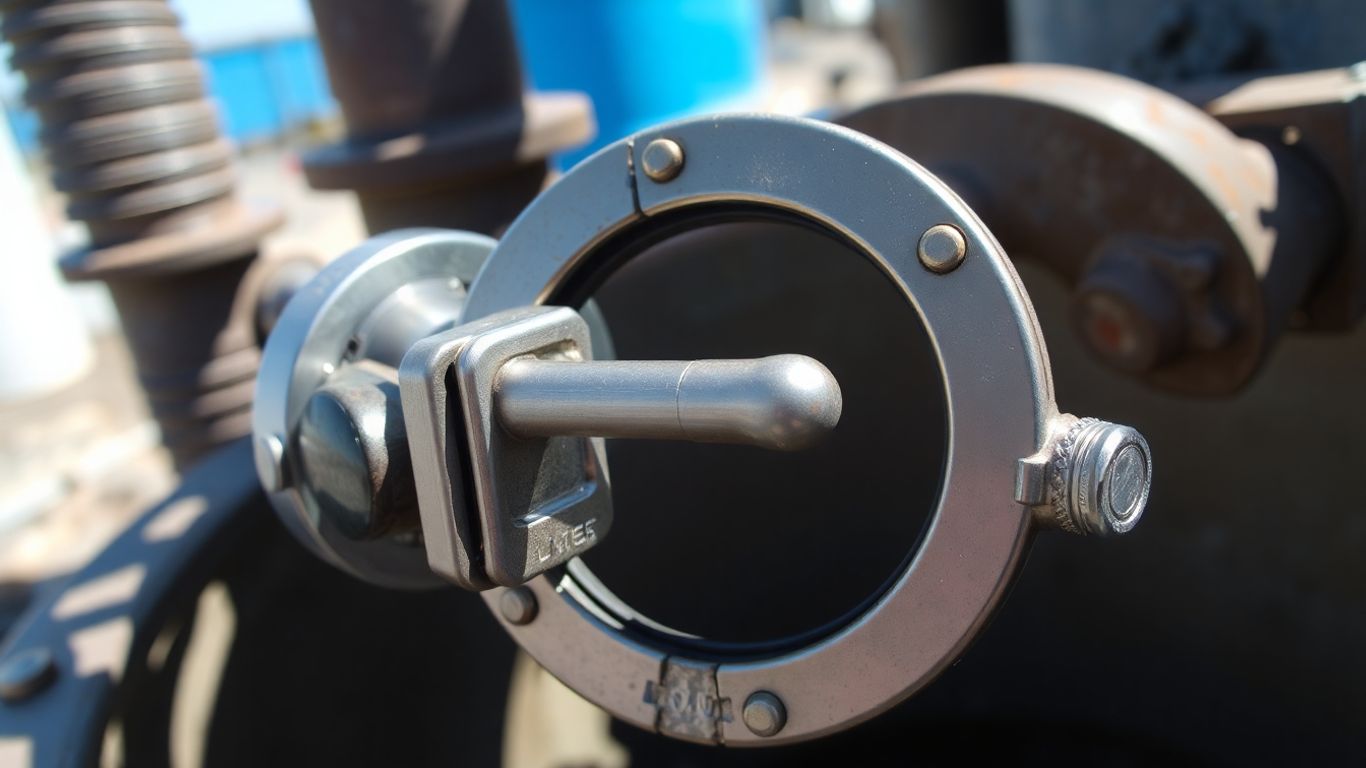
You know, it’s not just about keeping things locked up tight. In a lot of businesses, these seals are actually a big part of following the rules and keeping people safe. It’s kind of like a silent promise that everything is as it should be.
Pharmaceuticals and Food Safety Compliance
Think about medicines or the food you buy. Nobody wants those to be messed with, right? For drug makers, following rules like Good Manufacturing Practices (GMP) is super important. Security seals are the first line of defense, making sure that the pills or liquids haven’t been tampered with before they get to you. It also helps fight against fake drugs, which is a growing problem. The FDA, for example, has strict rules, and these seals help companies meet them and keep everyone trusting the products.
It’s a similar story in the food world. Under systems like HACCP, seals stop contamination from happening during all the steps – from making the food to storing it and shipping it out. A good seal shows that the food was handled right and meets safety standards. This protects us consumers from getting sick and makes sure suppliers are doing their part.
Logistics and Transportation Security
When stuff is shipped all over the world, especially valuable or sensitive items, keeping it secure is a huge deal. Programs like CTPAT (Customs-Trade Partnership Against Terrorism) rely on strong seals, like those heavy-duty bolt or cable seals, for shipping containers. These aren’t just for show; they really deter theft and give businesses peace of mind when their goods are on the move across borders.
Energy and Utilities Infrastructure Protection
Even things like your electricity or water meters need protection. Utility companies use tamper-evident seals to stop people from messing with meters or other important equipment. This is often required by regulations to make sure everything is transparent and fair for customers. It prevents unauthorized use and keeps the whole system running smoothly.
The integrity of seals in these industries isn’t just about preventing theft; it’s about upholding public trust and safety. A compromised seal can have serious consequences, from health risks to disruptions in essential services.
Here’s a quick look at why seals matter in these areas:
- Pharmaceuticals: Guarantees drug authenticity and prevents counterfeiting.
- Food & Beverage: Prevents contamination and ensures safe handling throughout the supply chain.
- Logistics: Secures cargo against theft and unauthorized access during transit.
- Utilities: Protects critical infrastructure from interference and unauthorized access.
Ultimately, these seals are a simple yet effective tool for meeting complex regulations and safeguarding public well-being.
Technological Advancements in Security Sealing
RFID and GPS Integration for Enhanced Tracking
Security seals aren’t just simple plastic or metal anymore. We’re seeing some really cool tech getting built right into them. Think about RFID (Radio-Frequency Identification) tags. These little chips can be embedded in seals, allowing for super quick and accurate inventory checks. Instead of scanning each item one by one, you can just wave a reader over a whole pallet, and bam, you know what’s there. This is a game-changer for warehouses and shipping docks, cutting down on errors and speeding things up.
Then there’s GPS. Imagine a seal on a high-value shipment that not only tells you if it’s been opened but also exactly where it is on the map. This is huge for tracking valuable goods across long distances, giving companies real-time visibility and peace of mind. It’s like having a tiny tracker on every package, but it’s built right into the seal itself.
Blockchain for Transparent Record-Keeping
This is where things get really interesting for audit trails. Blockchain technology is all about creating a secure, unchangeable record of transactions. When you combine this with security seals, you get a system where every time a seal is applied, removed, or even if there’s an attempt to tamper with it, that event gets logged on the blockchain. This creates an incredibly transparent and trustworthy history for any item or shipment.
The beauty of blockchain in this context is its decentralized nature. No single entity controls the record, making it extremely difficult for anyone to alter or falsify the data about a seal’s status. This level of integrity is invaluable for industries facing strict regulations.
This means that if a regulator or a customer wants to verify the integrity of a product or shipment, they can look at the blockchain record and see a clear, verifiable history. It makes compliance checks much simpler and builds a lot of confidence.
Smart Seals for Real-Time Monitoring
Smart seals take things a step further. These aren’t just passive indicators; they can actively monitor conditions. Some smart seals can detect changes in temperature, humidity, or even shock. This is particularly important for sensitive goods like pharmaceuticals or certain food products that need to be kept within specific environmental parameters during transit.
If a condition goes outside the acceptable range, the smart seal can trigger an alert, often sending a notification directly to the relevant parties. This allows for immediate intervention before a product is ruined or becomes unsafe. It’s like having a guardian for your goods, constantly watching over them and reporting any issues right away. The data collected by these seals can be presented in a clear format:
| Seal Type | Monitored Conditions | Alert Mechanism | Data Logged |
|---|---|---|---|
| Temp/Humidity | Temperature, Humidity | Visual/Digital | Min/Max Temp, Humidity levels, Time Stamps |
| Shock Sensitive | Impact/Vibration | Visual/Digital | Impact Force, Duration, Location |
| GPS Enabled | Location | Digital | GPS Coordinates, Speed, Route |
Challenges and Best Practices for Seal Implementation
Mitigating Risks of Counterfeit Seals
Look, nobody wants to think about it, but fake seals are out there. It’s a real headache because a counterfeit seal looks like the real deal, but it offers zero actual protection. This means your product could be compromised without anyone knowing. The best way to fight this is to be smart about where you buy your seals. Stick to manufacturers who are known for quality and have solid processes in place. Think of it like buying anything important – you go to a reputable dealer, right? Same idea here. Always ask for proof of authenticity and certifications if you’re not sure. Never compromise on the source of your security seals.
Ensuring Proper Application and Training
Even the best seal in the world is useless if it’s put on wrong. It’s like having a great lock but leaving the door wide open. This isn’t just about slapping a sticker on something; there’s a right way and a wrong way to apply different types of seals. That’s why training your team is super important. They need to know which seal to use for what, how to apply it so it actually works, and what to look for if a seal looks off. Regular refreshers help keep everyone sharp.
Here’s a quick rundown on why training matters:
- Understanding Seal Types: Different seals have different strengths. Knowing which one fits the job prevents mistakes.
- Correct Placement: Applying a seal in the wrong spot can make it easy to bypass.
- Recognizing Tampering: Staff need to spot signs of tampering, even subtle ones.
- Documentation: Knowing how to properly record seal numbers and application details is key for audits.
Choosing the Right Seal for Specific Needs
This is where things get a bit more detailed. You can’t just grab any old seal and expect it to do the job for every situation. Think about what you’re protecting and what kind of threats you’re up against. Are you shipping something valuable across the country? Or just securing a storage cabinet in the back room? The level of security needed varies a lot.
Consider these points:
- Material: Plastic, metal, cable, bolt seals – they all offer different levels of physical resistance.
- Tamper Evidence: How obvious does the tampering need to be? Some seals break cleanly, others leave residue, and some have indicators.
- Environment: Will the seal be exposed to extreme temperatures, chemicals, or moisture? The seal needs to hold up.
- Regulatory Requirements: Some industries have specific rules about the types of seals you must use.
Picking the right seal isn’t just about security; it’s about making sure you meet all the necessary rules and regulations for your specific industry and application. It’s a practical step that saves a lot of potential trouble down the line.
Wrapping It Up
So, when you really think about it, these tamper-resistant seals aren’t just some little extra thing. They’re a pretty big deal for keeping things safe, whether it’s the water we drink or the stuff we buy. Making sure nobody messes with them means we can trust that what we’re getting is what we’re supposed to be getting. It’s about protecting everyone, really. It’s a simple idea, but it makes a huge difference in our everyday lives and keeps us all a bit safer.
Frequently Asked Questions
What exactly is a tamper-resistant well seal?
Think of a tamper-resistant well seal like a special lock for your water well. It’s designed to make it really hard for someone to mess with it without you knowing. This helps keep your water clean and safe from bad stuff getting in.
Why are these seals so important for keeping people safe?
These seals are super important because they protect our drinking water. If someone could easily get into a well and put yucky things in it, it could make a lot of people sick. The seals act like a guard, stopping that from happening.
What’s the difference between tamper-evident, tamper-proof, and tamper-resistant?
Tamper-evident means it shows you if someone tried to open it, like a sticker that tears. Tamper-proof means it’s almost impossible to open without breaking it completely. Tamper-resistant makes it difficult to open but not impossible, kind of like a strong lid that’s hard to twist off.
Can these seals help track where my water comes from?
Sometimes, yes! Newer seals can have things like special codes or even GPS built in. This helps track the water source and makes sure it’s being handled properly, which is good for knowing everything is okay.
Are tamper-resistant seals used in other industries besides water wells?
Absolutely! You’ll find them used to protect all sorts of things. Think about protecting medicines in drug stores, keeping food safe in factories, or even securing important packages during shipping. They’re used wherever keeping something safe and untouched is a big deal.
What happens if a seal looks like it’s been messed with?
If a seal looks like it’s been tampered with, it’s a big warning sign! It means someone might have tried to get in. This tells the people in charge that they need to check the well or the product very carefully to make sure everything is still safe and clean.