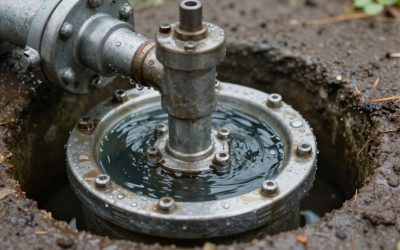
Picking the right well seals for your property might seem like a small detail, but it’s a pretty big deal for keeping your water clean and your well working right. It’s not just about slapping any old seal on there. You have to think about what your well is like, what kind of seals are out there, and what materials will hold up best over time. Getting this choice right from the start can save you a lot of headaches down the road. So, let’s figure out how to choose the right well seals for your property.
Key Takeaways
- Know your well: Check its size, how deep it is, and if the water level changes a lot.
- Match the seal to the job: Different seals work better for different situations, like steady or moving water.
- Pick tough materials: Look for seals that can handle chemicals, weather, and different temperatures.
- Install it right: Proper setup means the seal will work as it should and last longer.
- Stay aware and replace when needed: Keep an eye on your seals and swap them out if they look worn.
Understanding Your Well’s Specific Needs
Before you even start looking at well seals, you’ve got to get a handle on what your well is actually dealing with. It’s not a one-size-fits-all situation, not by a long shot. Getting this part right means your seal will last longer and do its job properly.
Assessing Well Depth and Diameter
Think about how deep your well goes and how wide it is. A shallow well might have different pressures and water movement than a really deep one. The diameter matters too, because it dictates the size of the seal you’ll need. You can’t just guess here; you need actual measurements.
- Depth: Measure from the ground surface down to the bottom of the well casing.
- Diameter: Measure the inside diameter of the well casing.
- Casing Material: Note if it’s steel, PVC, or another material, as this can affect seal compatibility.
Identifying Water Table Fluctuations
Is your water table pretty steady, or does it jump around a lot? Seasonal changes, heavy rain, or even drought can make the water level go up and down. This movement puts stress on the seal. If the water level drops significantly, the seal might be exposed to air, and if it rises too high, it could be under constant pressure.
A seal that’s designed for a stable water table might fail prematurely if it’s constantly being stressed by rising and falling water levels. It’s like expecting a rubber band to hold a heavy weight all the time – eventually, it’ll snap.
Considering Local Geological Conditions
What’s the ground like around your well? Are you in an area with a lot of clay, sand, or rock? This affects how water moves underground and can influence the stability of the well casing itself. Certain soil types can also contain minerals or chemicals that might interact with the seal material over time. It’s worth looking into what’s typical for your area.
- Soil type (clay, sand, loam, rock)
- Presence of underground springs or aquifers
- Potential for soil expansion or contraction
Types of Well Seals and Their Applications
Choosing the right seal for your well is a big deal, and it really depends on what your well is doing. Not all seals are made the same, and using the wrong one can lead to all sorts of problems down the road, from leaks to contamination. Let’s break down the main types you’ll run into.
Mechanical Seals for Static Applications
These are your go-to for situations where things aren’t moving much. Think of a wellhead that’s pretty much set in stone. Mechanical seals use precisely engineered parts, often metal and rubber or plastic, that press together to create a barrier. They’re great because they can handle a good amount of pressure and don’t require a lot of maintenance once they’re in place. They’re designed for a long-term, reliable seal in stable conditions.
- O-rings: Simple, circular seals that fit into grooves. They’re common and effective for many static uses.
- Gaskets: These are flat seals, often made of rubber or composite materials, used between two flat surfaces.
- Compression Seals: These rely on tightening bolts or screws to squeeze the seal material, creating a tight fit.
Mechanical seals are built for environments where the components they’re sealing don’t experience significant movement or vibration. This makes them ideal for permanent installations where reliability is key.
Elastomeric Seals for Dynamic Environments
Now, if your well has parts that move, like a submersible pump or a well casing that might shift a bit, you’ll want to look at elastomeric seals. These are made from flexible, rubber-like materials. They can stretch, compress, and generally adapt to movement without losing their sealing ability. This flexibility is their superpower. They’re often used in places where there’s vibration or slight changes in pressure.
- Lip Seals: These have a lip that creates a tight seal against a moving surface.
- Diaphragm Seals: Flexible membranes that can move back and forth, separating fluids or gases.
- Expansion Joints: Designed to absorb movement and vibration between two connected parts.
Custom-Designed Seals for Unique Wells
Sometimes, you’ve got a well that’s just… different. Maybe it’s an unusual shape, has extreme temperature requirements, or deals with some really nasty chemicals. In these cases, off-the-shelf seals just won’t cut it. You’ll need a custom-designed seal. This involves working with a manufacturer to create a seal specifically for your well’s quirks. It might involve special materials or a unique shape. While these can be more expensive upfront, they’re often the only way to get a proper, long-lasting seal for specialized situations.
Material Considerations for Longevity
Picking the right stuff for your well seal is a big deal. It’s not just about getting something that fits; it’s about making sure it lasts. Think about what your well goes through day in and day out. The materials you choose will directly impact how long that seal keeps working without problems.
Resistance to Chemical Contamination
Water from the ground isn’t always pure. It can pick up all sorts of things as it travels. Your well seal needs to be able to handle whatever chemicals might be present. This includes minerals dissolved in the water, or even things that might seep in from the surface over time. Some materials break down when they come into contact with certain chemicals, which can lead to leaks or seal failure. You want a material that stays tough, no matter what’s in the water.
Durability Against Environmental Factors
Your well seal is out there, exposed to the elements. That means dealing with changes in temperature, moisture, and even UV rays from the sun if it’s above ground. A seal that can’t handle these shifts will start to crack, warp, or become brittle. This makes it less effective and more prone to breaking. Look for materials that are known for their resilience in tough outdoor conditions.
Temperature Tolerance and Flexibility
Water tables can go up and down, and so can the temperature. Your seal needs to be able to handle these changes without losing its ability to seal. Some materials get stiff and lose their sealing power when it’s cold, while others can become too soft and gooey when it’s hot. The best seals maintain their flexibility across a wide range of temperatures. This ensures a good seal whether it’s a frosty winter morning or a sweltering summer afternoon.
Here are some things to think about:
- Rubber compounds: Many synthetic rubbers are designed for this kind of work. They offer good resistance to water and a decent temperature range.
- Plastics: Certain high-performance plastics can be a good choice, especially if chemical resistance is a top priority.
- Composites: Sometimes, a mix of materials can give you the best of both worlds, combining strength with flexibility.
Choosing a seal material isn’t a one-size-fits-all situation. It really depends on the specific conditions your well faces. Don’t just grab the cheapest option; think about the long-term performance and what your well needs to keep it protected.
Installation Best Practices for Optimal Performance
Getting the seal installed right is a big deal. It’s not just about slapping it on; there’s a bit more to it if you want it to last and do its job properly. A poorly installed seal can lead to leaks, contamination, and a whole host of other problems down the line.
Proper Surface Preparation
Before you even think about putting the seal in place, you’ve got to get the surfaces ready. This means cleaning off any dirt, old gunk, or debris from both the well casing and the seal itself. If there’s any rust or rough spots on the metal parts, you might need to smooth those out a bit. Think of it like prepping a wall for paint – you wouldn’t just slap paint on a dirty, bumpy surface, right? The same idea applies here. A clean, smooth surface helps the seal grip better and creates a tighter fit.
Correct Seal Placement and Alignment
Once everything’s clean, it’s time to put the seal where it belongs. Make sure you’re putting it in the right spot according to the manufacturer’s instructions. Sometimes, seals have a specific orientation they need to be in. Getting the alignment right is also key. If it’s crooked or off-center, it won’t seal evenly, and you’ll likely end up with a weak point. Take your time with this step; rushing it can cause more trouble than it’s worth.
Ensuring a Watertight Fit
This is the main goal, after all. You want to make sure there are absolutely no gaps where water can sneak in or out. This often involves applying even pressure around the seal. Depending on the type of seal, you might need to tighten bolts in a specific pattern or use a special tool. The idea is to compress the seal just enough to create a solid barrier without damaging it.
A good seal prevents unwanted surface water from getting into your well, which is super important for keeping your drinking water safe. It also stops the water inside your well from escaping where it shouldn’t.
Here are a few things to keep in mind for that watertight seal:
- Check the seal for any nicks or damage before installation.
- Use the recommended tools for tightening or securing the seal.
- If you’re unsure about any part of the process, it’s better to ask for help than to guess.
Maintenance and Replacement Strategies
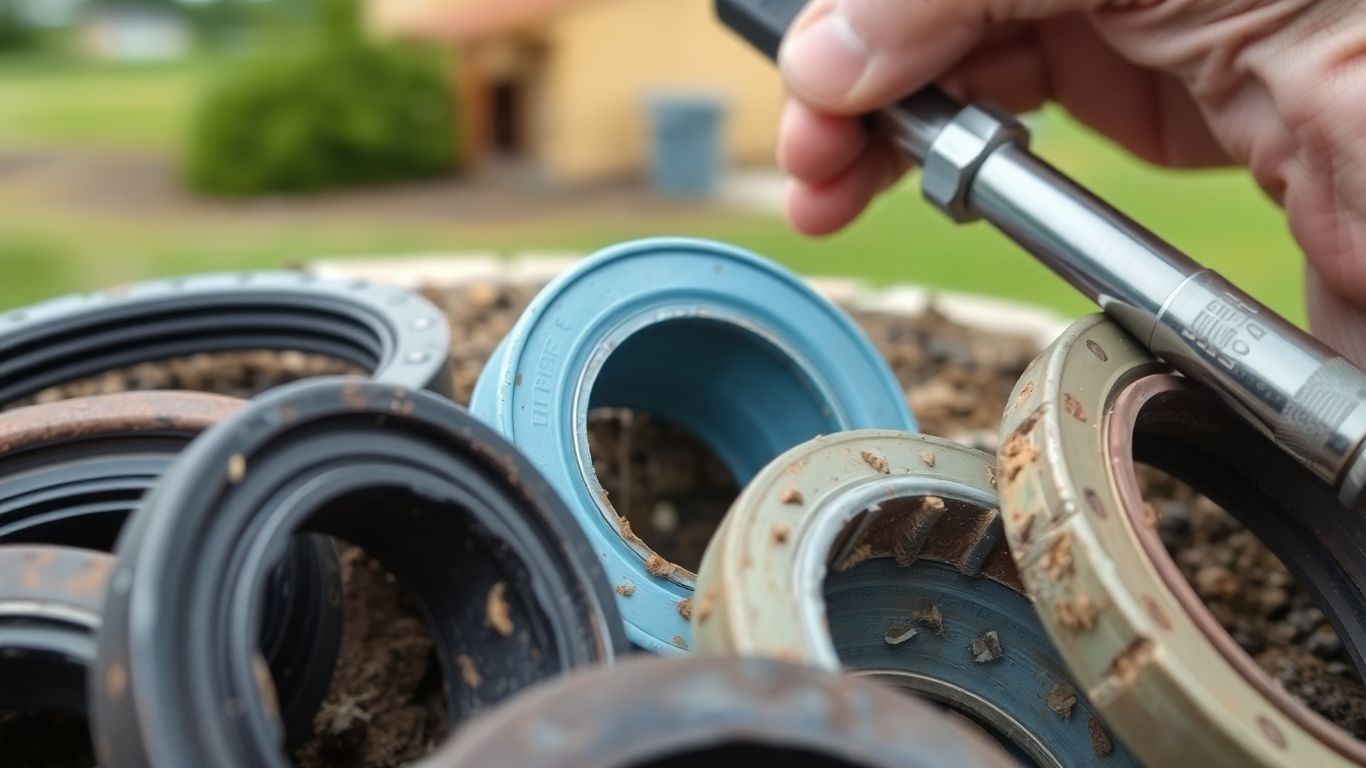
Taking care of your well seals isn’t a set-it-and-forget-it kind of deal. Think of them like the seals on your car’s engine – they’re small, but if they fail, you’ve got big problems. Regular checks and knowing when it’s time for a change are key to keeping your water supply clean and your well system running smoothly.
Regular Inspection Schedules
It’s a good idea to get into a routine with your well seals. How often you need to look at them can depend on a few things, like how old your well is and what kind of environment it’s in. But generally, a quick visual check once a year is a solid start. You’re not looking for anything too complicated, just trying to spot anything that seems off.
- Annual visual inspection: Look for obvious cracks, tears, or signs of wear.
- Post-heavy weather check: After major storms or floods, it’s wise to give them a once-over.
- During other maintenance: If you’re already having someone service your well pump or other equipment, ask them to take a peek at the seals too.
Signs of Seal Degradation
So, what exactly are you looking for when you inspect these seals? It’s not always super obvious, but there are clues. Sometimes it’s just a feeling that something isn’t right, other times it’s more concrete.
- Visible damage: Cracks, splits, or chunks missing from the seal material.
- Deterioration: The seal might look brittle, hardened, or excessively soft and gummy.
- Leaking: Water or sediment around the wellhead where the seal is located is a big red flag.
- Unusual smells or tastes: While not always directly seal-related, a failing seal can let in contaminants that affect your water quality.
Sometimes, the smallest issues can lead to the biggest headaches down the line. A tiny crack in a well seal might seem insignificant, but it can be an open invitation for all sorts of unwanted things to get into your water system. This is why paying attention to the little details really matters when it comes to protecting your well.
When to Consider Professional Replacement
While you can do some basic checks yourself, there comes a point where you’ll want to call in the pros. If you’re not comfortable with what you see, or if the problem seems more involved, it’s definitely time to get expert help. Trying to fix a complex seal issue without the right knowledge or tools could end up making things worse.
- If you find significant damage: Large cracks, tears, or signs of the seal being completely worn out.
- If you suspect contamination: Any indication that your water quality has been compromised.
- If you’re unsure: When in doubt, always err on the side of caution and consult a well professional. They have the experience and equipment to diagnose the problem correctly and perform the replacement safely and effectively. Getting it right the first time saves you time, money, and potential health risks.
Regulatory Compliance and Safety Standards
Understanding Local Water Well Regulations
So, you’ve picked out the perfect seals for your well, but hold on a second. Before you slap them on, you really need to check what the local rules are. Every area has its own set of guidelines when it comes to water wells, and these aren’t just suggestions. They’re there to keep your water safe and protect the environment. Ignoring these can lead to fines or even force you to redo the work. It’s a bit of a pain, sure, but it’s way better than dealing with legal trouble later. Think of it as part of the job, like making sure you have the right tools.
Choosing Seals That Meet Industry Standards
When you’re shopping for well seals, look for ones that are made to meet certain industry standards. This usually means they’ve been tested and proven to work well and safely. You’ll often see labels or certifications on the packaging. These standards cover things like how well the seal keeps out contaminants and how long it’s expected to last. It’s not just about getting something that fits; it’s about getting something that’s reliable. You want seals that are built tough and won’t break down easily, especially if they’re going to be in contact with your drinking water.
Protecting Groundwater Quality
This is a big one, and honestly, it’s why all those regulations are in place. Your well seal is the first line of defense against anything nasty getting into your groundwater. We’re talking about things like:
- Surface water runoff
- Chemical spills from nearby activities
- Pesticides or fertilizers from fields
- Leaking septic systems
A good seal prevents these unwanted guests from seeping down into the aquifer that supplies your home. It’s a simple concept, but its impact is huge for the health of your family and the local ecosystem. Making sure your seal is properly installed and in good condition is a direct way to safeguard this vital resource.
So, yeah, don’t skimp on this part. It’s more important than you might think.
Wrapping It Up
So, picking the right well seal might seem like a small detail, but it really matters for keeping your water clean and your system running right. We’ve gone over a few things to think about, like the type of well you have and what kind of seal material makes the most sense for your situation. Don’t just grab the first one you see. Take a moment, check the specs, and if you’re still not sure, asking someone who knows about wells is always a good idea. Getting this right means fewer headaches down the road and peace of mind knowing your water source is protected. It’s worth the little bit of extra effort.
Frequently Asked Questions
What exactly is a well seal and why is it important?
Think of a well seal like a cap for your well. Its main job is to keep out anything yucky from the surface, like dirt, bugs, or even bad chemicals, from getting into your clean drinking water. It’s super important for keeping your water safe to drink!
How do I know what size seal I need for my well?
To get the right size, you’ll need to measure the opening of your well. Knowing how wide your well pipe is and how deep it goes helps a lot. It’s like picking the right lid for a jar – it has to fit snugly!
Can I use any type of material for my well seal?
Not really! The best materials are ones that can handle being wet all the time and won’t break down from chemicals in the ground or water. Things like strong rubber or special plastics usually work best to make sure your seal lasts a long time.
What’s the difference between seals for wells that move and wells that stay put?
Some wells might have parts that move a little, like pumps. Seals for these need to be flexible and tough, able to handle that movement without leaking. Seals for parts that don’t move can be a bit more rigid but still need to be super secure.
How often should I check my well seal?
It’s a good idea to peek at your well seal at least once a year. Look for any cracks, tears, or signs that it’s not fitting tightly anymore. Catching problems early can save you a lot of trouble later on.
What if my well seal looks damaged? Can I fix it myself?
If you see any damage, like cracks or if it’s loose, it’s usually best to get a professional to replace it. They have the right tools and know-how to make sure it’s sealed up perfectly, keeping your water safe and clean. Trying to fix it yourself might not create a good seal.