You know, when you have a well on your property, it’s easy to forget about it. It just sits there, doing its job. But like anything, it needs a little attention now and then. Specifically, the seals around the well. If they start to go bad, it can lead to some pretty messy situations. That’s why thinking about Why Regular Inspections of Well Seals Prevent Bigger Problems is actually a pretty smart move. It’s not just about keeping the water flowing; it’s about avoiding a whole heap of trouble down the road.
Key Takeaways
- Well seals stop bad stuff from getting into your water and keep your well working right. This means cleaner water for you.
- Looking for cracks, leaks, or weird pressure changes helps catch seal problems early, before they get serious.
- Ignoring seal issues can mean big repair bills, damage to the well itself, and maybe even losing your water source.
- Setting up a schedule to check your well seals and getting pros to look at them when needed keeps things running smoothly.
- Good seals protect groundwater, stop soil from getting dirty, and help the local environment stay healthy.
Understanding The Critical Role Of Well Seals
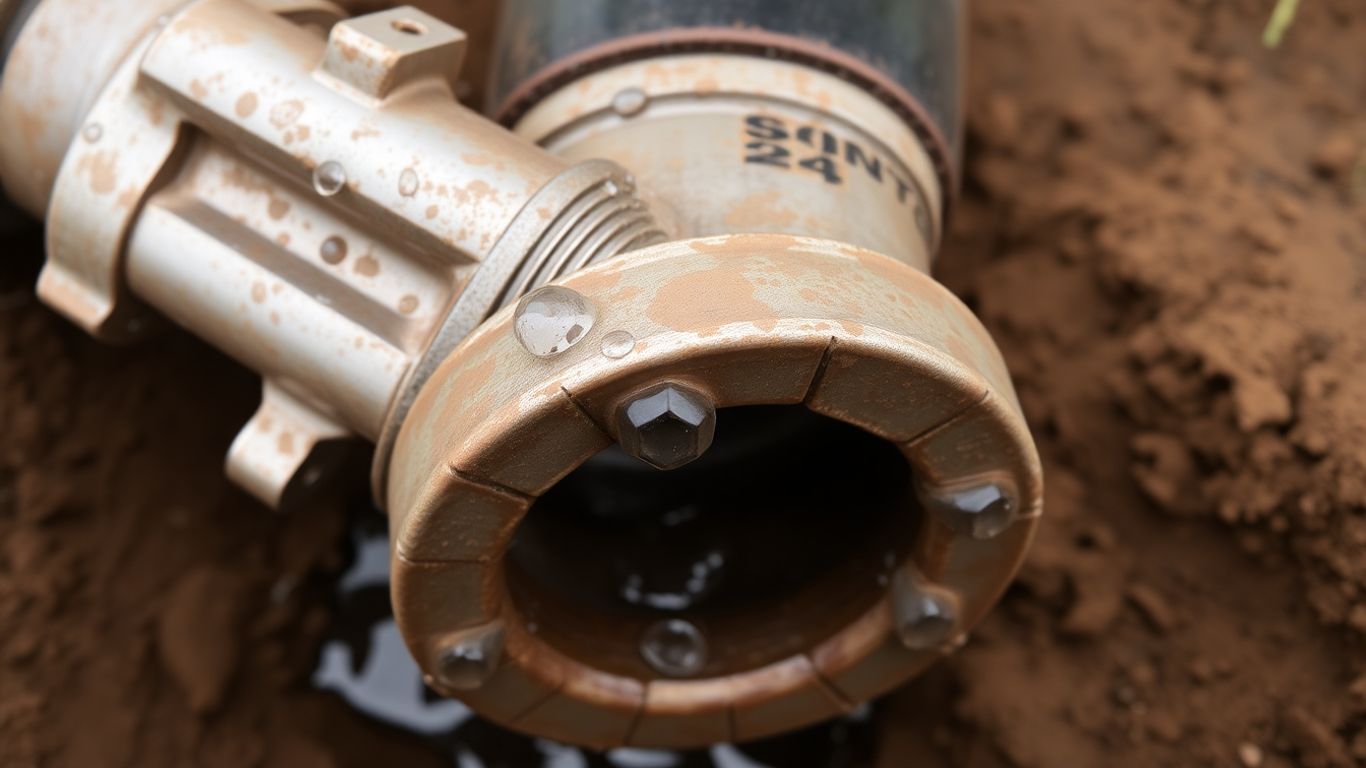
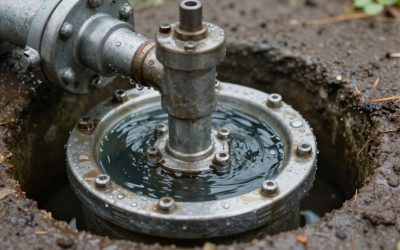
So, what exactly are well seals, and why should you care about them? Think of them as the gatekeepers for your water well. They’re the part that sits right at the top, where the well casing meets the ground surface. Their main job is to keep everything outside where it belongs and everything inside, well, inside and clean. Without a properly functioning seal, your well is basically an open invitation for trouble.
Preventing Contamination Pathways
This is probably the biggest reason well seals are so important. When a seal starts to break down, it creates little openings. These aren’t huge holes, mind you, but they’re big enough for all sorts of unwanted things to get in. We’re talking about surface water runoff, which can carry pesticides, fertilizers, animal waste, and other gunk from the land above. It can also let in insects, rodents, and even dirt. All of this can make its way down into your water supply, turning what should be clean drinking water into something unsafe.
Maintaining Well Integrity
Beyond just keeping stuff out, the seal also helps keep the well itself in good shape. It provides a physical barrier that helps support the top of the well casing. This prevents the casing from shifting or collapsing, which can happen over time due to ground movement or pressure. A compromised seal means the whole structure is a bit weaker, making it more vulnerable to damage from external forces or even just the natural settling of the earth.
Ensuring Water Quality
Ultimately, all of this comes down to the water you drink. A good seal is your first line of defense in making sure the water coming out of your tap is safe and clean. It works in tandem with your well pump and filtration systems, but if the seal fails, those other systems have a much harder job, or worse, they’re trying to clean water that’s already been badly contaminated. It’s about protecting your health and the health of anyone who uses the water from your well.
The seal isn’t just a piece of rubber or concrete; it’s a critical component that directly impacts the safety and reliability of your water source. Ignoring its condition is like leaving your front door wide open to potential problems.
Early Detection Of Seal Degradation
You know, sometimes the smallest things can signal a much bigger issue down the road. That’s definitely true when it comes to your well’s seals. Ignoring them is like ignoring a little drip under your sink – it might seem minor now, but it can lead to some serious water damage later. Catching seal problems early is key to avoiding expensive repairs and keeping your water supply safe.
So, what should you be looking out for? It’s not always obvious, but there are a few tell-tale signs that your well seals might be starting to go bad.
Identifying Surface Cracks And Wear
Take a good look at the seal around the wellhead. Over time, exposure to the elements – sun, rain, freezing temperatures – can really take a toll. You might start to see:
- Small cracks forming on the surface of the seal material.
- Areas where the seal looks worn down or is peeling away.
- Any signs of hardening or becoming brittle, which makes it more likely to break.
Recognizing Signs Of Leaks
Leaks aren’t always dramatic gushers. Sometimes they’re subtle. Keep an eye out for:
- Moisture or dampness around the wellhead that shouldn’t be there.
- Unusual pooling of water near the well.
- Any strange odors, like mildew or a metallic smell, that seem to be coming from the well area.
Spotting Unusual Pressure Changes
Your well system relies on consistent pressure. If the seals are compromised, it can affect that. You might notice:
- A drop in water pressure when you turn on a faucet.
- The pump cycling on and off more frequently than usual.
- Air sputtering from your taps, which can indicate air is getting into the system where it shouldn’t be.
Think of these seals as the gatekeepers for your well. They’re supposed to keep everything clean and protected. When they start to fail, it’s like leaving the gate open for all sorts of unwanted guests – dirt, bugs, and even harmful bacteria can find their way in. It’s a simple part, but its job is pretty important.
Paying attention to these subtle indicators can save you a lot of headaches and money. It’s much easier and cheaper to fix a worn seal than to deal with a contaminated water source or a damaged well structure.
The Costly Consequences Of Neglect
Ignoring your well seals might seem like a way to save a few bucks in the short term, but trust me, it’s a gamble that rarely pays off. When those seals start to go, the problems don’t just stay put; they spread and get a whole lot more expensive to fix. Neglecting regular inspections is a direct path to significant financial headaches and potential long-term damage.
Expensive Remediation Efforts
When a well seal fails, it’s not just a simple patch-up job. You’re often looking at a cascade of issues. Contaminants can seep into the water source, requiring extensive and costly purification processes. If the seal has allowed significant ingress of surface water or soil, the entire well might need to be flushed, disinfected, or even re-drilled. These aren’t cheap fixes, and the longer you wait, the worse the contamination can get, driving up the remediation costs.
Potential For Structural Damage
It’s not just about the water quality. A compromised well seal can lead to bigger structural problems. Water and soil moving where they shouldn’t can erode the well casing, weaken the grout seal, or even affect the surrounding ground. This kind of damage can compromise the entire well’s integrity, making it unstable and unsafe. Repairing structural damage to a well is a major undertaking, often involving heavy equipment and specialized work, which adds substantially to the overall expense.
Loss Of Water Source Viability
In the worst-case scenarios, the damage caused by a neglected well seal can be irreversible. If contamination is severe or structural damage is too extensive, the well might become unusable. This means losing your primary water source, which can be devastating for homes, farms, or businesses that rely on it. Replacing a well is incredibly expensive, and in some areas, finding a suitable location for a new one might be difficult or even impossible. It’s a stark reminder that a small oversight can lead to the complete loss of a vital resource.
Think of it like ignoring a small leak in your roof. At first, it’s just a drip. You might think, ‘I’ll get to it later.’ But that drip can lead to water damage in your ceiling, mold growth, and eventually, a much bigger, more expensive repair job that affects the whole structure. Well seals are similar; a small problem left unchecked can snowball into a crisis.
Proactive Maintenance Schedules
Establishing A Routine Inspection Plan
Setting up a regular check-up schedule for your well seals isn’t just a good idea; it’s smart. Think of it like getting your car’s oil changed – you do it before there’s a problem, not after the engine seizes up. A consistent inspection plan is your first line of defense against costly repairs and water quality issues. It helps you catch small problems before they snowball into major headaches. You don’t need to be a professional to do some basic checks, but knowing when to call in the experts is key.
Here’s a simple way to think about setting up your plan:
- Visual Checks: Walk around your wellhead regularly. Look for anything out of the ordinary – cracks, loose parts, or signs of water pooling where it shouldn’t be.
- Listen and Observe: Pay attention to any strange noises coming from the pump or well system. Notice if your water pressure seems off, even slightly.
- Record Keeping: Jot down what you see, when you see it, and any actions you take. This history is super helpful.
Documenting Inspection Findings
Keeping a log of your well seal inspections is more important than you might think. It’s not just about remembering what you did last time; it’s about building a history that can tell a story. If you notice a small crack one month and then a bigger one the next, your log will show that progression. This documentation is invaluable when you need to explain the situation to a service technician or even an insurance company.
Good records help you track the health of your well over time. They can show patterns you might otherwise miss, like how certain weather conditions seem to affect the seal or if a particular repair seems to be holding up well. This information makes future decisions about maintenance much easier and more informed.
Scheduling Professional Servicing
While routine visual checks are great for catching obvious issues, sometimes you need a professional eye. These folks have the tools and the know-how to spot problems that are hidden from view or require specialized testing. Think about getting a professional check-up at least once a year, or more often if your well is older or in a challenging environment. They can perform more in-depth tests, like pressure tests or dye tracing, to really get a feel for the seal’s condition. Don’t wait until you suspect a major problem; schedule service proactively to keep everything running smoothly and safely.
Impact On Environmental Protection
Safeguarding Groundwater Resources
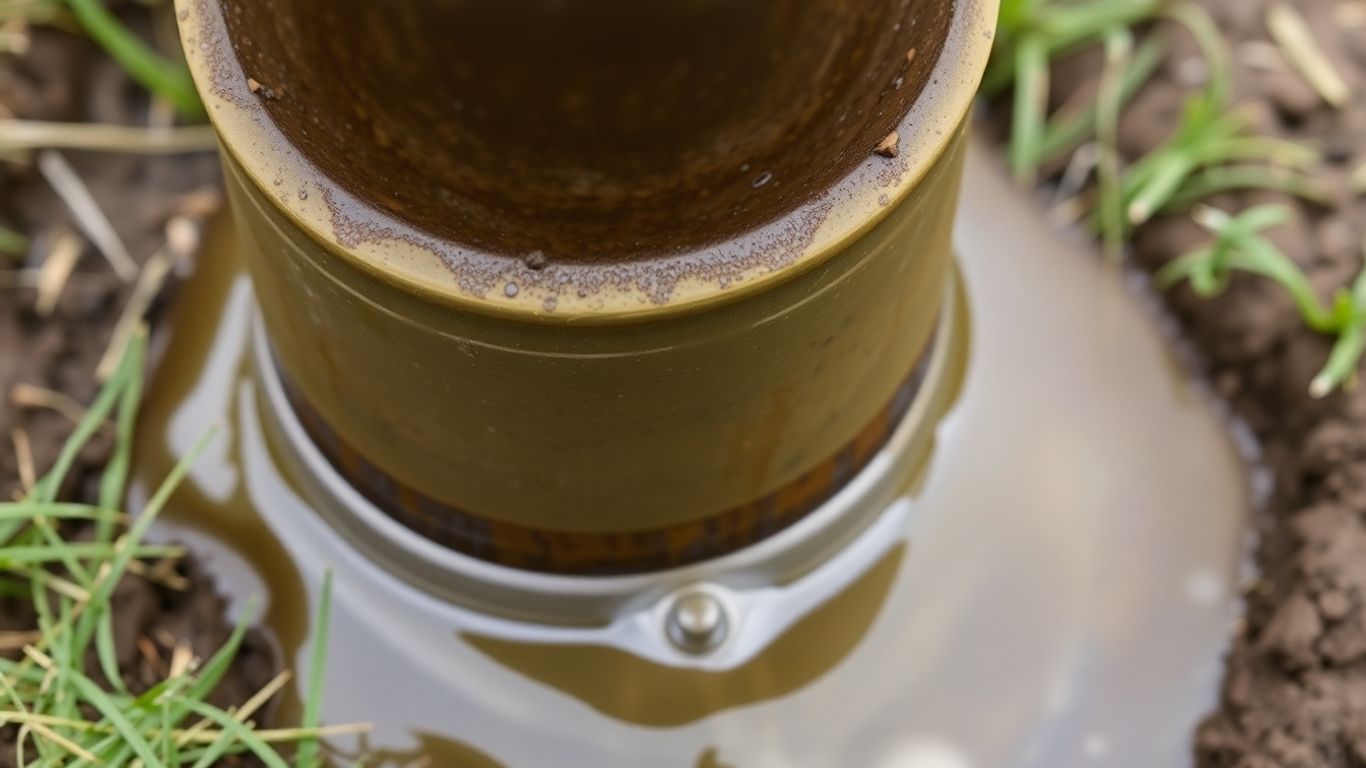
When well seals start to fail, it’s not just about your water supply; it’s a bigger environmental issue. Think about what’s happening underground. A compromised seal can act like an open door, letting all sorts of unwanted stuff seep into the ground. This is especially bad for our groundwater, which is a major source of drinking water for many communities and supports local ecosystems. If contaminants get in, they can spread pretty far, making a whole lot of water unusable.
Preventing Soil Contamination
Beyond just the water itself, the soil around your well can also take a hit. Leaks from the wellhead or casing can introduce pollutants directly into the soil. This can affect plant life and even make the land unsuitable for other uses down the line. Regular checks on your well seals help stop these pollutants before they have a chance to really soak in and cause lasting damage.
Protecting Local Ecosystems
Our local environments are delicate. When well seals aren’t doing their job, the risk of pollution reaching streams, rivers, or wetlands goes up. This can harm fish, amphibians, and other wildlife that depend on clean water. It’s a chain reaction, and a faulty well seal can start it all. Keeping those seals in good shape is a simple but effective way to be a good neighbor to the natural world around us.
A well seal’s primary job is to keep the outside world out and the inside world in. When that barrier breaks down, the consequences can ripple outwards, affecting not just the well owner but the entire local environment. It’s a responsibility that goes beyond personal convenience.
Here’s what happens when seals fail:
- Surface water runoff, carrying pesticides or animal waste, can enter the well.
- Underground contaminants, like old fuel spills or industrial chemicals, can migrate into the well.
- Changes in groundwater flow can be disrupted, impacting nearby natural water bodies.
- The integrity of the well structure itself can be weakened over time by corrosive elements entering through a bad seal.
Regulatory Compliance And Well Performance
Meeting Environmental Standards
Keeping your well in good shape isn’t just about having water; it’s also about following the rules. Different areas have specific rules about how wells should be built and maintained to keep the environment safe. When your well seals are in good condition, you’re much more likely to be meeting these standards. It means you’re doing your part to stop bad stuff from getting into the ground and water supply. Regular checks help you stay on the right side of the law.
Optimizing Water Extraction Efficiency
Think of your well seals like the gasket on a jar. If it’s not sealing right, you lose pressure, and it’s harder to get what you need out. The same goes for your well. Good seals mean your pump doesn’t have to work as hard. This can save you money on electricity and make sure your pump lasts longer. When everything is sealed up tight, you get the most water for the effort.
Avoiding Fines And Penalties
Nobody wants to get a notice from the government saying they’re not following rules. If your well isn’t up to par, especially if it’s causing pollution, you could be looking at some hefty fines. Sometimes, it can even get to the point where you have to shut down the well until it’s fixed. That’s a big headache and a lot of unexpected costs. Staying on top of your well seal inspections is a simple way to avoid all that trouble.
Proper well maintenance, including the integrity of the seals, is a key part of responsible water management. It protects not only your property but also the shared resources around you. Ignoring these details can lead to a cascade of problems, from environmental damage to legal issues.
Here’s what good seal maintenance helps with:
- Keeping your water clean and safe to use.
- Making sure your well equipment runs smoothly.
- Preventing costly repairs down the road.
- Staying clear of legal trouble with local authorities.
Wrapping It Up
So, when it comes down to it, checking your well seals regularly might not be the most exciting thing you do all year. But honestly, it’s way better than dealing with a big, messy problem later on. A quick look now can save you a lot of headaches, and more importantly, a lot of cash down the road. Think of it like changing the oil in your car – a little bit of upkeep prevents a breakdown. Don’t wait until something goes wrong; just get into the habit of checking those seals. Your wallet will thank you.
Frequently Asked Questions
What exactly is a well seal and why is it important?
A well seal is like a protective cap for your well. Its main job is to keep bad stuff, like dirt, bugs, and yucky water, from getting into your clean water supply. Think of it as a guardian for your well, making sure only good water comes out.
How can I tell if my well seal is starting to go bad?
You can look for signs like cracks on the surface of the seal, or if it looks worn out. Sometimes, you might notice water leaking around the wellhead, or the water pressure might act weird. Keeping an eye out for these clues can help you catch problems early.
What happens if I ignore a damaged well seal?
Ignoring a bad seal can lead to big trouble. It might cost a lot of money to fix later, and it could even damage the well itself. In the worst case, your water source might become unusable, meaning no more clean water for you.
How often should I check my well seal?
It’s a good idea to have a regular schedule for checking your well seal. Many experts suggest looking at it at least once a year, or more often if you live in an area with harsh weather. Keeping records of your checks is also smart.
Can a bad well seal harm the environment?
Yes, it absolutely can. If contaminants get into the well, they can leak into the ground and pollute the water underground (groundwater). This pollution can spread and harm plants, animals, and even the soil around your property.
Do I need to hire someone to check my well seal?
While you can do simple visual checks yourself, it’s often best to have a professional do a thorough inspection. They have the tools and knowledge to spot problems you might miss and can tell you the best way to fix things. This also helps make sure you’re following any rules or laws about well maintenance.