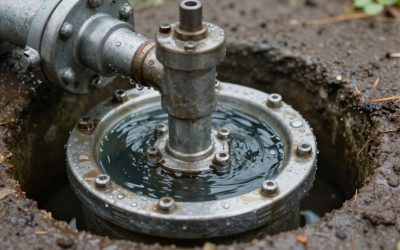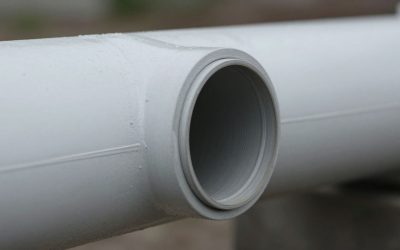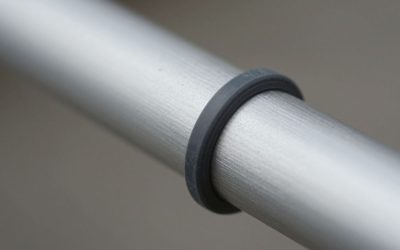
So, you’ve got a well, right? It’s a pretty important part of your home, especially if you rely on it for water. But have you ever really thought about the seal at the top? It might seem like a small detail, but it plays a huge part in keeping your whole system running smoothly for years to come. This article is all about how proper well seal installation improves system longevity, and why getting it right from the start makes a big difference.
Key Takeaways
- A good well seal stops yucky stuff from getting into your water supply, keeping it clean.
- It also protects the pump and other parts from damage caused by dirt and water getting in where they shouldn’t.
- When you install the seal correctly, using the right materials and methods, you avoid problems down the road.
- Messing up the seal can lead to costly repairs and a shorter life for your well system.
- A well-sealed well means less worry about breakdowns and more reliable access to good water for a long time.
Understanding The Critical Role Of Well Seals
So, you’ve got a well, and it’s a pretty important part of your home, right? It’s not just a hole in the ground; it’s a direct line to your water supply. That’s where the well seal comes in. Think of it as the gatekeeper for your well. Its main job is to keep the bad stuff out and the good water in. Without a proper seal, all sorts of unwanted things can find their way into your water system, which is definitely not what you want.
Preventing Surface Contamination Entry
This is probably the most obvious reason for a good seal. Rainwater, runoff from your yard, maybe even little critters – they can all carry contaminants. Things like pesticides, animal waste, or just plain dirt can wash down into the well casing if there isn’t a solid barrier. A well seal creates that barrier, stopping these surface-level pollutants from getting into the water you’re going to drink or use.
Maintaining Water Quality Integrity
Beyond just keeping out obvious dirt, a good seal helps maintain the purity of your water. It prevents the mixing of groundwater from different depths, which can sometimes happen if the casing isn’t properly sealed. This helps keep the mineral content and overall chemistry of your water consistent and safe. It’s all about making sure the water that comes out of your tap is the same quality that went into the ground.
Protecting Submersible Pump Components
Your submersible pump sits down in the well, working hard to get water to your house. If the seal isn’t good, sediment and debris can get past it and into the pump. This can cause the pump to wear out faster, clog up, or even get damaged. A well seal acts as a first line of defense for this expensive piece of equipment, helping it run smoothly for longer.
A well seal isn’t just a piece of rubber or concrete; it’s a vital component that directly impacts the safety and reliability of your entire water system. Getting it right from the start makes a huge difference down the road.
Key Steps For Effective Well Seal Installation
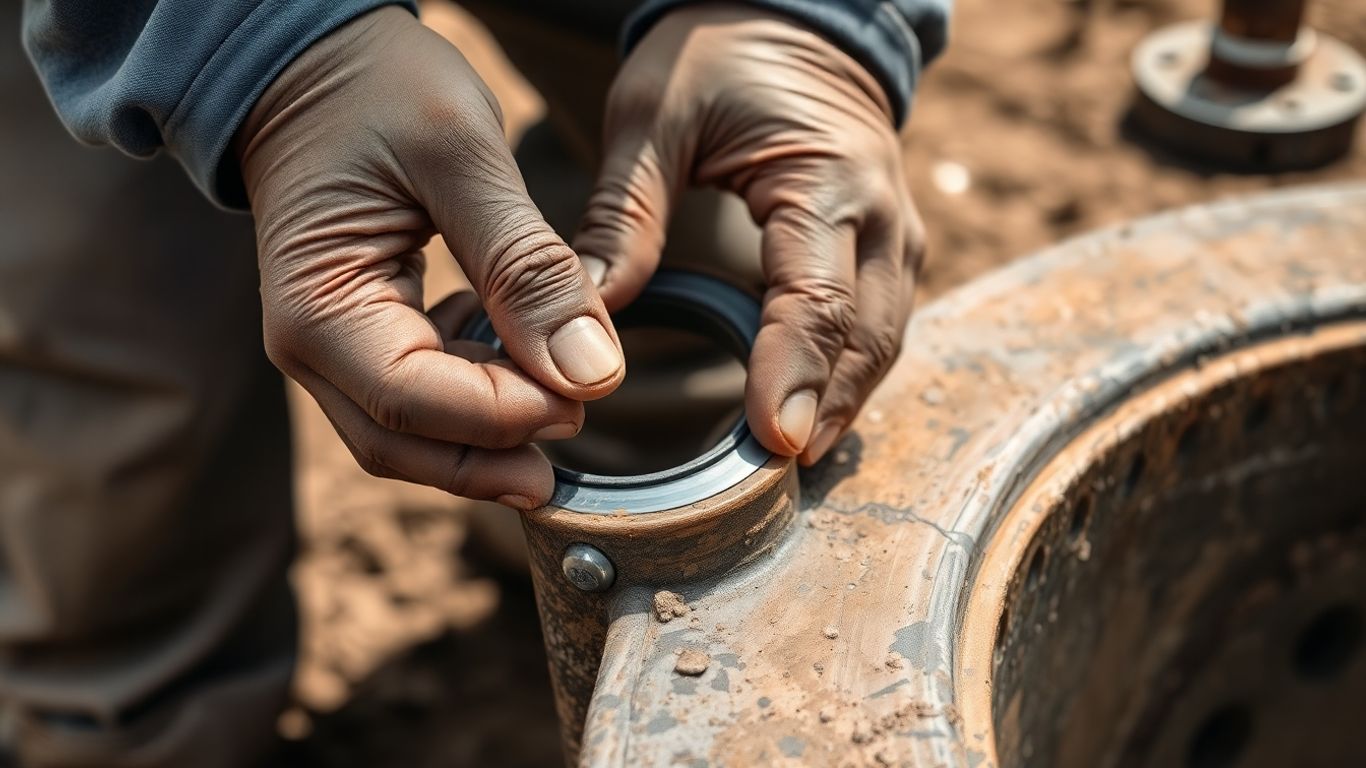
Alright, so you’ve got your well, and now it’s time to make sure it’s properly sealed. This isn’t just a "nice to have"; it’s really important for keeping your water clean and your pump happy. Getting this right from the start saves a lot of headaches down the road. Following these steps carefully will make a big difference.
Thorough Site Preparation And Cleaning
Before you even think about putting the seal in, you’ve got to get the area ready. This means clearing away any loose dirt, rocks, or debris from around the wellhead. You want a clean, stable surface to work on. If there’s any old sealant or gunk, scrape it off. A clean surface helps the new seal stick properly and form a good barrier. Think of it like prepping a wall before you paint it – you wouldn’t just slap paint over peeling bits, right?
Correct Seal Material Selection
Not all seals are created equal. You need to pick a material that’s right for your specific well and climate. Some common options include:
- Rubber seals: These are flexible and good for sealing irregular surfaces.
- Bentonite clay: Often used as a slurry, it expands when wet to create a watertight seal.
- Expandable foam sealants: These can fill gaps effectively and provide a solid barrier.
Always check what the well manufacturer recommends or consult with a professional if you’re unsure. Using the wrong material can lead to premature failure.
Precise Placement And Securing Techniques
Once you’ve got your clean site and the right seal, it’s all about putting it in correctly. This usually involves:
- Centering the seal: Make sure it’s positioned evenly over the well opening.
- Applying even pressure: Whether you’re screwing it down or tamping it in, do it uniformly.
- Checking for gaps: After it’s in place, do a quick visual check to see if there are any spots where water or critters could get in.
Sometimes, people rush this part, thinking "it’s just a seal." But the way it’s placed and how tightly it’s secured directly impacts its ability to keep contaminants out. A seal that’s slightly off-center or not fully compressed might not do its job effectively, leaving your water supply vulnerable.
Getting these steps right means your well seal will do its job, protecting your water and your equipment for years to come. It’s a small effort now for a big payoff later.
Impact Of Proper Sealing On System Longevity
Reducing Wear And Tear On Equipment
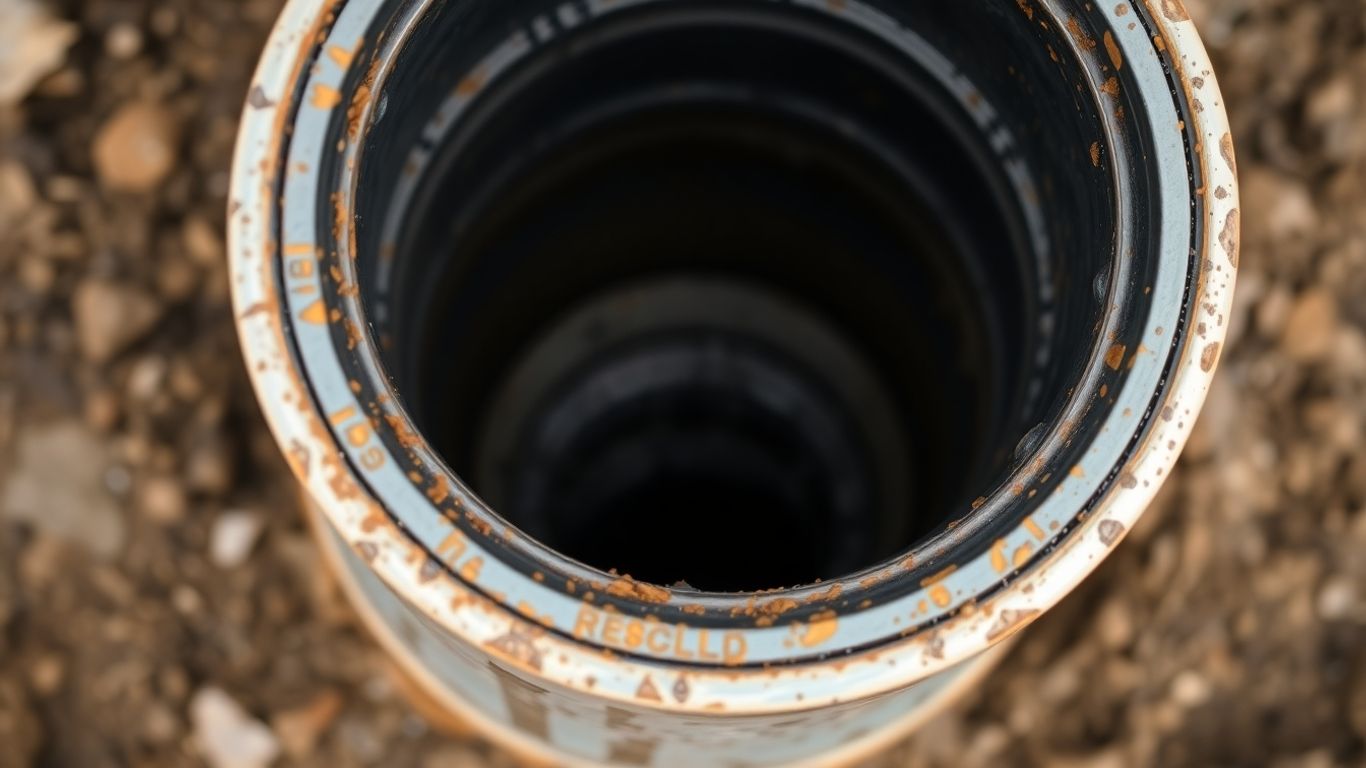
A well-sealed wellhead does more than just keep dirt out; it actively protects your pump and other gear. When the seal is good, you stop grit and debris from getting into the water flow. This means less abrasive material is being pumped through your system. Think about it like this: constantly running sand through a pipe will wear it down way faster than just water. This is true for your pump’s impeller, seals, and even the pipes themselves. A solid seal means your equipment works with cleaner water, leading to a much longer service life.
Minimizing Potential For Water Intrusion Damage
Surface water, especially after rain or snowmelt, can carry all sorts of nasty stuff – chemicals, bacteria, you name it. If your well seal isn’t tight, this contaminated water can seep down into the well. This doesn’t just mess with your water quality; it can also cause corrosion and damage to the metal parts of your well system, including the pump and casing. Over time, this kind of damage can lead to costly repairs or even complete system failure. It’s like letting rust get a foothold – it just keeps spreading.
Ensuring Consistent System Performance Over Time
When your well is properly sealed, it helps maintain stable water pressure and flow. You avoid those annoying fluctuations that can happen when the seal is compromised, letting air or surface water mix in. This consistent performance means your appliances, like dishwashers and washing machines, run as they should without sudden pressure drops. It also makes sure your pump isn’t working harder than it needs to, which saves energy and reduces strain.
A good seal acts as a barrier, not just against physical contaminants but also against pressure changes that can stress the entire water delivery setup. It’s a simple concept, but its effect on the system’s health is profound.
Here’s a quick rundown of how a good seal helps:
- Less abrasive wear on pump parts.
- Protection against corrosive surface water.
- Stable water pressure for reliable operation.
- Reduced risk of electrical shorts from moisture ingress.
- Prevention of sediment buildup in the well casing.
Common Pitfalls To Avoid During Installation
Alright, so you’ve got your well seal, and you’re ready to get it installed. Sounds straightforward, right? Well, sometimes things go sideways, and it’s usually because of a few common mistakes people make. Getting this part wrong can really mess with your well’s performance and shorten its life.
Inadequate Sealant Application
This is a big one. Using the wrong kind of sealant or not applying enough of it is a recipe for trouble. You need a sealant that’s made for well applications – something that can handle being underground and won’t break down over time. Too little sealant means gaps, and gaps let all sorts of unwanted stuff into your well. Think dirt, bugs, maybe even chemicals from the surface. It’s not just about slapping some goo on; it’s about creating a solid, continuous barrier.
Ignoring Manufacturer’s Specifications
Every well seal and every well is a little different. The folks who made the seal usually have specific instructions on how to install it. They know their product best. Skipping over their guide or thinking you know better is a bad idea. They’ll tell you things like:
- The type of cleaner to use on the well casing.
- How tight to make the fittings.
- The curing time needed before you can use the well.
These details matter. They’re there for a reason, usually to make sure the seal works like it’s supposed to for years to come.
Compromising Seal Integrity During Backfilling
After the seal is in place, you’ve got to backfill around the wellhead. This is where you put the soil or gravel back. If you’re not careful here, you can accidentally damage the seal you just worked so hard to install. Dropping heavy rocks on it, using sharp tools too close, or even just packing the dirt too aggressively can create cracks or dislodge the seal. You want to backfill gently, making sure nothing puts undue pressure on the seal itself. It’s like being careful not to bump a fresh bandage – you want it to stay put and do its job.
Sometimes, the simplest steps are the most overlooked. People get in a hurry, or they think a little bit of damage won’t matter. But with well seals, even small issues can lead to bigger problems down the road. It’s all about attention to detail and respecting the process.
Long-Term Benefits Of A Well-Sealed Well
Extended Lifespan Of Well Components
When your wellhead is properly sealed, it acts like a good shield. This means less junk and yucky stuff can get in from the surface. Think about it: fewer contaminants mean your pump and pipes don’t have to work as hard to filter things out or deal with grit. Over time, this really adds up. Less strain on your equipment translates directly into components lasting much longer. You’ll find your submersible pump, pressure tank, and even the well casing itself hold up better and require replacement less often. It’s like giving your whole water system a protective coat that keeps it running smoothly for years.
Reduced Maintenance And Repair Costs
Nobody likes unexpected repair bills, right? A good well seal is a proactive step that helps avoid a lot of those headaches. When you prevent problems like sediment buildup or corrosion from surface water intrusion, you’re cutting down on the need for frequent check-ups and fixes. This means fewer service calls, less money spent on replacement parts, and less downtime for your water supply. It’s a smart investment that pays off by keeping your wallet happier.
Reliable Access To Clean Water
At the end of the day, what we all want is clean water, reliably. A well-sealed well is your best bet for that. It keeps the water you draw pure and safe, free from surface pollution that can sneak in through an improperly sealed opening. This consistency is key for everything from drinking and cooking to watering your garden. You can count on your water system to do its job without worrying about quality dips or contamination scares. It’s about peace of mind, knowing your water source is protected.
A well-maintained seal isn’t just about keeping bad things out; it’s about keeping the good things in – like the clean, potable water you rely on every day. It’s a simple barrier, but its impact on the health and longevity of your entire water system is profound. Don’t underestimate the power of a good seal.
Here are some ways a proper seal contributes to this reliability:
- Prevents surface runoff contamination: Keeps rainwater, pesticides, and animal waste from seeping into the well.
- Maintains aquifer integrity: Protects the underground water source from pollutants that could travel down.
- Ensures consistent water quality: Reduces fluctuations in mineral content or the presence of unwanted substances.
Wrapping It Up
So, when it comes to your well system, don’t skimp on the seal. It might seem like a small part of the whole setup, but getting it right from the start makes a big difference. A good seal keeps junk out and your water clean, which means less wear and tear on everything else. Think of it as a simple step that saves you headaches and money down the road. Proper installation isn’t just about following instructions; it’s about making sure your well works right for years to come. It’s really that straightforward.
Frequently Asked Questions
Why is sealing a well so important for keeping water clean?
Sealing a well acts like a protective cap. It stops yucky stuff from the surface, like dirt, bugs, and chemicals, from getting into your drinking water. This keeps your water safe and healthy to drink.
What happens if a well seal isn’t put in right?
If the seal isn’t installed correctly, it can let unwanted things sneak into the well. This could ruin your water quality and even damage the pump that brings the water up.
Does a good well seal help my pump last longer?
Absolutely! A proper seal keeps dirt and grit out of the water. This means your pump doesn’t have to work as hard or deal with abrasive stuff, which helps it run smoothly for more years.
What’s the best way to make sure the seal is put in correctly?
It’s super important to follow the instructions that come with the seal. Clean the area well before you start, use the right kind of sealant, and make sure it’s fitted snugly. Don’t rush the job!
Can a bad seal cause problems even if the water still looks clear?
Yes, it can. Even if the water looks clear, tiny particles or dissolved minerals from outside the well could be getting in. These can build up over time and cause issues with the pump or pipes.
How often should I check my well seal?
It’s a good idea to give your well seal a quick look every year or so, especially after heavy rain or storms. If you see any cracks or signs of damage, it’s time to get it fixed or replaced.