Working on a construction site can get tricky when water decides to show up where you don’t want it. You know, like when you’re trying to dig a foundation or put in some pipes and the ground is just soaking wet. That’s where something called a well point comes in handy. It’s basically a tool that helps construction crews manage groundwater, making sure the job can get done without turning into a mud pit. If you’re involved in building anything, especially in areas with a lot of water underground, understanding what a well point is and how it works is pretty important.
Key Takeaways
- A well point is a simple, small pipe with a screen used to pull water out of the ground.
- They work by lowering the water table around a construction area, creating a dry space to work.
- There are different kinds, like standard ones for shallow jobs and multi-stage or vacuum systems for deeper or trickier soil.
- Setting them up involves checking the site, placing the points, hooking up pumps, and keeping an eye on things.
- Using well points is good because they’re effective at removing water, don’t cost too much, can be used in various places, and don’t mess up the site too much.
Understanding What A Well Point Is
So, what exactly is a well point? Think of it as a specialized, small-diameter pipe that gets driven into the ground. Its main job is to help get rid of groundwater, especially when you’re working on a construction site. You know how sometimes you dig a hole and it just fills up with water? Well, a well point system is designed to prevent that from happening or to manage it if it does.
Definition of a Well Point
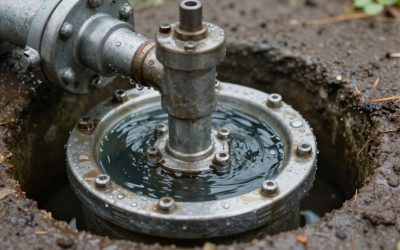
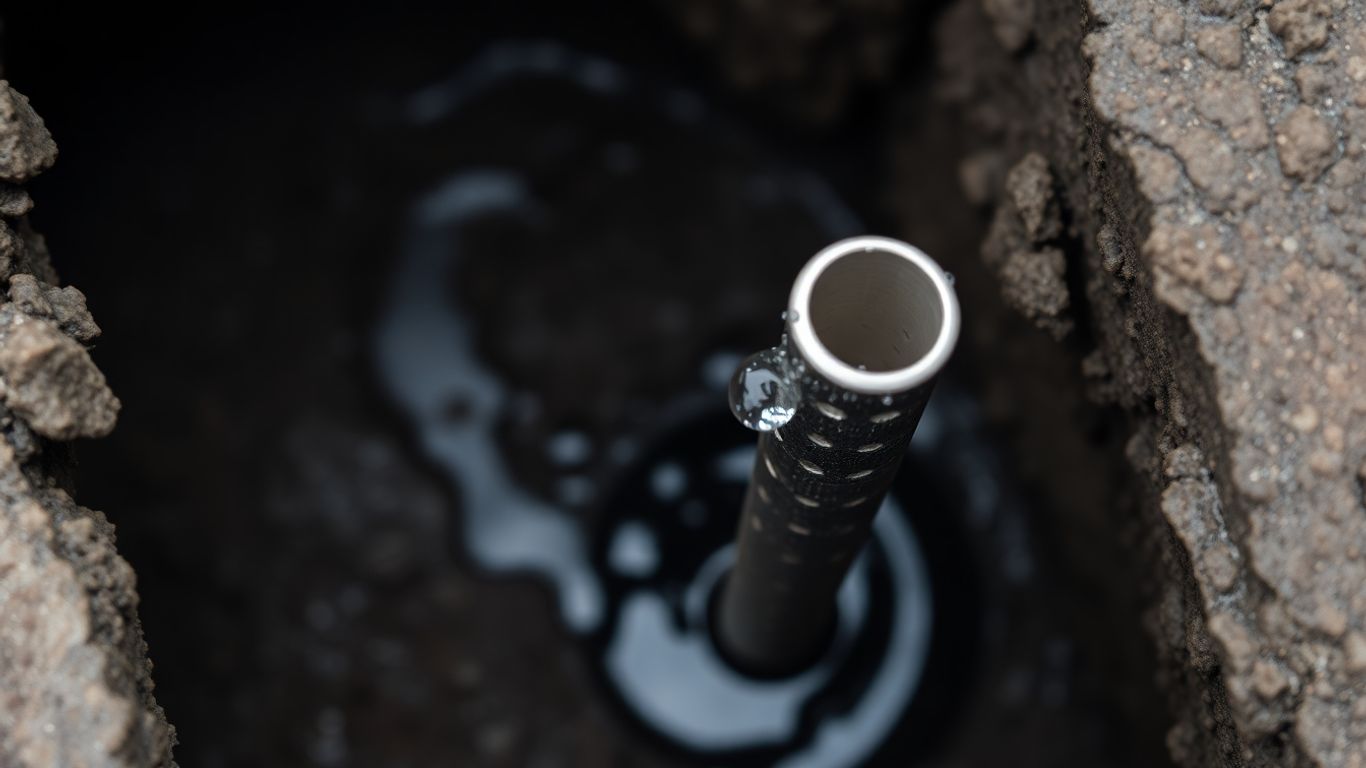
A well point itself is basically a length of pipe, usually a few inches in diameter, with a screened end. This screen acts like a filter, letting water in but keeping soil and debris out. It’s connected to a riser pipe that goes up to the surface, where it hooks into a pump system. These are the frontline soldiers in the battle against unwanted groundwater on a job site.
Purpose in Construction
Why do we even need these things? Well, construction projects, especially those involving digging deep foundations or tunnels, often run into groundwater. If you don’t manage this water, it can cause all sorts of problems. It can make the ground unstable, flood your work area, and generally make everything much harder and more dangerous. Well points are used to lower the water table around the work area, creating a drier, safer space to build.
Core Functionality
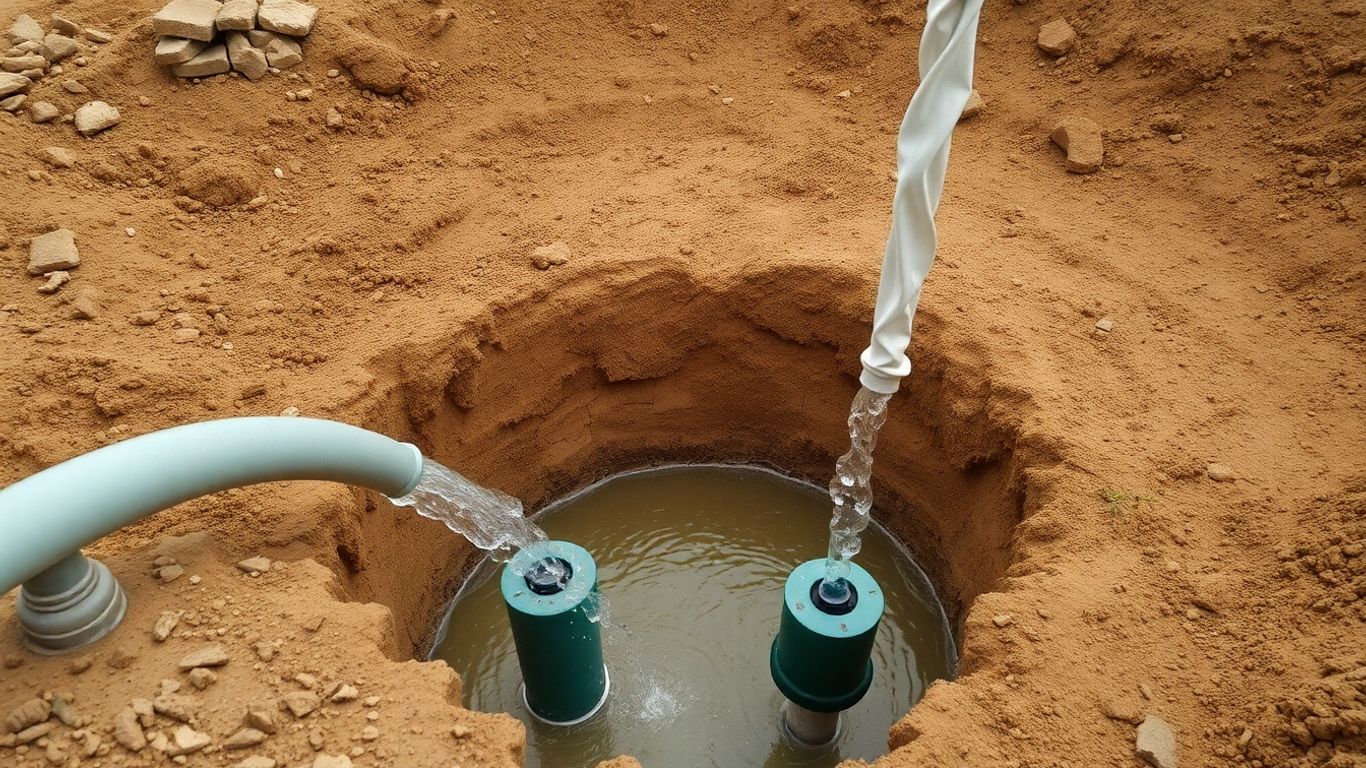
The basic idea is pretty straightforward. You install a series of these well points around the area you need to keep dry. Then, a pump creates suction, pulling water from the soil through the screens and up the riser pipes. This water is then pumped away from the site. It’s all about creating a controlled environment where construction can proceed without getting swamped.
The whole point of a well point system is to make a wet job site manageable. By actively removing groundwater, it allows for stable excavation, proper foundation work, and overall safer working conditions. It’s a practical solution for a common construction headache.
Here’s a quick rundown of what they do:
- Draw Water: They pull groundwater from the surrounding soil.
- Filter Soil: The screen prevents dirt from clogging the system.
- Connect to Pumps: They link the underground water to surface pumping equipment.
- Lower Water Table: Collectively, they reduce the overall groundwater level in a specific zone.
How Well Points Function in Construction
So, how exactly do these well points get the job done on a construction site? It’s all about managing water, plain and simple. When you’re digging down, especially for foundations or basements, you often hit groundwater. This water can really slow things down and make the whole operation messy and potentially unsafe. Well points offer a smart way to deal with this.
Lowering the Water Table
The main goal is to get rid of that excess water. Well points work by creating a sort of suction effect. Think of it like a bunch of tiny straws stuck into the ground around your work area. These straws are connected to a pump.
- Installation: First, these small pipes, called well points, are driven into the ground at specific spots around the excavation. They have screens on the end to let water in but keep soil out.
- Connection: All these well points are then linked together with piping.
- Pumping: A powerful pump is attached to this piping system. This pump starts to pull water out.
Creating a Zone of Low Pressure
When the pump kicks in, it doesn’t just suck water up. It actually creates an area of lower pressure in the pipes and the soil right around the well points. Because water naturally wants to move from areas of higher pressure to lower pressure, it starts flowing from the surrounding soil towards these points.
This process effectively pulls the groundwater down, lowering the overall water level in the immediate vicinity of the construction site. It’s like creating a dry bubble where you need to work.
Water Extraction Process
Once the water is drawn into the well points, it travels through the connected pipes to the pump. The pump then pushes this water away from the site. Where does it go? Usually, it’s directed to a nearby storm drain, a holding tank, or sometimes just a safe discharge area away from the active construction zone. This continuous removal keeps the excavation area dry and workable.
- The pump needs to be sized correctly for the job.
- Regular checks are needed to make sure the pump is running smoothly.
- The system keeps running until the construction work in that area is complete.
Exploring Different Types of Well Points
So, you’ve got a construction site that’s wetter than a sponge left in the rain. You need to get that water out, and fast. Well points are your go-to for this, but not all well points are created equal. They come in a few flavors, each suited for different jobs. Choosing the right type is key to keeping your project on track and your wallet happy.
Standard Well Points
These are your everyday, workhorse well points. Think of them as the basic model. They’re great for shallower digs where the groundwater isn’t too deep or pushing too hard. If you’re just digging a few feet down for a foundation or a small trench, a standard well point system will probably do the trick. They’re pretty straightforward to install and get running.
Multiple Stage Well Points
Now, if you’re going deeper, like for a big basement or a complex foundation, you might need something a bit more robust. That’s where multiple stage well points come in. These systems use a series of well points working together. It’s like having a team of little water-suckers all lined up, creating a more powerful effect to pull water from deeper down. They’re ideal for those larger projects where you’re really battling the water table.
Well Point Systems with Deep Well Pumps
For the really serious water problems, like when you’re digging super deep, you’ll often see systems that combine well points with deep well pumps. These are designed to tackle massive amounts of water from way down below the surface. It’s a more involved setup, often with well points placed at different depths, all working with powerful pumps to keep the water at bay. This is usually for the biggest, most challenging excavation jobs.
Vacuum Well Point Systems
Another variation you might run into is the vacuum well point system. These systems use a vacuum pump to create that suction needed to draw water into the well points. They’re particularly effective in certain soil types and for managing water levels efficiently. The pump creates a strong pull, making sure water is drawn up and away from your work area.
It’s important to remember that well points work best in soils that let water flow easily, like sand and gravel. In really dense clay, they can struggle because the clay can clog up the screens on the well points, making them less effective at pulling water. So, soil type really matters when you’re deciding which system to use.
Here’s a quick rundown of what makes them different:
- Depth Capability: Standard points are for shallow, multiple-stage and vacuum systems handle medium depths, while deep well pump systems are for the really deep stuff.
- Water Volume: Deeper and more complex systems can handle larger volumes of water.
- Complexity: Installation and operation can range from simple for standard points to more involved for multi-stage or deep well systems.
- Soil Suitability: While most work in granular soils, their effectiveness can vary based on soil density and permeability.
The Well Point Installation Process
Getting a well point system set up isn’t just a matter of sticking pipes in the ground and flipping a switch. It takes some thought and planning to make sure it actually does what you need it to do. Think of it like setting up a new appliance – you wouldn’t just plug it in and hope for the best, right? Same idea here, but with dirt and water.
Site Evaluation and Planning
First things first, you gotta know what you’re dealing with. This means checking out the site to figure out how much water is around, what kind of dirt you’ve got (is it sandy, clayey, or something else?), and any tricky spots that might make things harder. This initial look-see helps decide what kind of well points will work best and where to put them so they can actually pull water out effectively. It’s all about gathering the intel before you start digging.
Strategic Well Point Placement
Once you know the lay of the land, it’s time to put the well points in. They need to be spaced out just right, like little soldiers lined up to do a job. The goal is to create a consistent pull on the water so you get an even dry area. How deep they go and how far apart they are really depends on the soil and how much water you’re trying to get rid of. You don’t want them too close, or you’re wasting effort, and you don’t want them too far apart, or you’ll miss spots.
Pump System Setup and Connection
With the well points in place, you connect them all up to a pump system. This is what creates the suction, the magic that pulls the water up. The pump needs to be strong enough for the job, able to handle the amount of water you expect and keep up even if the groundwater level changes. It’s like hooking up the engine to the rest of the machine.
Monitoring and System Adjustments
After everything’s running, you can’t just walk away. You need to keep an eye on things. Check the water levels, make sure the pumps are running smoothly, and that the whole setup is doing its job. If something seems off, you might need to tweak the spacing, adjust the pump pressure, or do some other minor changes to get it working perfectly. It’s an ongoing process to keep it efficient.
Setting up a well point system involves a few key steps: understanding the ground conditions, placing the points strategically, connecting the right pumps, and then keeping a close watch to make sure it all works as planned. It’s not a one-and-done kind of deal.
Essential Maintenance for Well Point Systems
Keeping your well point system running smoothly is pretty important if you want to avoid headaches down the line. It’s not rocket science, but you do need to pay attention to a few things. Regular checks and a bit of cleaning go a long way in making sure your dewatering operation doesn’t hit a snag.
Here’s a breakdown of what you should be looking out for:
- Pump Inspections: You’ll want to give the pumps a good look-over regularly. Make sure they’re working as they should and can handle the amount of water you’re pulling out. Check for any weird noises or vibrations – those can be signs of trouble.
- Filter Care: Those filters at the end of the well points can get clogged up pretty fast with dirt and gunk. You’ll need to clean them out periodically. If they get too blocked, the whole system just won’t work right.
- Water Level Watch: Keep an eye on the water levels. This tells you if the system is actually doing its job and keeping the area dry. If the levels aren’t dropping like they should, something’s up.
Sometimes, the vacuum created by the pumps can pull in fine sediment. This can clog up the well points and reduce their effectiveness. It’s why regular cleaning and checking the filters are so important. You don’t want your system to get choked up.
Basically, a little bit of preventative care means fewer surprises and a much more reliable dewatering process for your project.
Benefits of Employing Well Points
Using well points for dewatering construction sites really makes a difference. They’re a smart way to handle groundwater, keeping your project on track.
Here’s why they’re so useful:
- Getting Water Out Efficiently: Well points are great at pulling water out of the ground. They create a low-pressure zone that sucks water in, letting you excavate and build without all the usual water problems. This means less waiting around and more actual work getting done.
- Saving Money: Compared to some other ways of dealing with groundwater, well points are often a more budget-friendly choice. The parts aren’t super expensive, and you can get them set up pretty fast. This cuts down on project delays, which always cost money.
- Works in Lots of Places: Whether you’re dealing with sandy soil or clay, or if the water table is high or just a little damp, well points can usually be adapted. They’re not a one-size-fits-all thing, but they’re flexible enough for many different job sites and soil types.
- Less Mess on Site: These systems are pretty low-key. They don’t require massive digging or chemicals. The water that’s pumped out can often be sent to regular drainage systems without causing a fuss.
When you’re digging deep or working in an area that’s naturally wet, dealing with groundwater is a big hurdle. Well points offer a practical solution that helps keep the work area dry and stable. It’s all about making the construction process smoother and less complicated by managing the water before it becomes a major issue.
- Easy to Adjust: If your water situation changes, you can often add or move well points without a huge hassle. This adaptability is a big plus for projects that might have unexpected groundwater issues pop up.
Wrapping It Up
So, we’ve gone over what well points are and how they help out on construction sites. Basically, they’re a pretty neat way to get rid of extra water when you’re digging around. They can save you time and headaches, especially if you’re dealing with a lot of groundwater. Different types work for different jobs, and getting them set up right is key. Keeping them running smoothly with a bit of maintenance means they’ll keep doing their job, making sure your project stays on track and doesn’t turn into a swamp. It’s good to know these things exist when you’re dealing with wet ground.
Frequently Asked Questions
What exactly is a well point?
Think of a well point as a special kind of pipe with a screen on the end that we stick into the ground. Its main job is to help suck water out of the soil, especially around a construction site where we need things to be dry.
Why do we use well points in construction?
We use well points to get rid of extra groundwater. If you’re digging a big hole for a building or a road, water can fill it up. Well points help lower the water level so workers can build safely and without delays.
How do well points actually remove water?
Well points work like a straw. They create a low-pressure area, like a gentle pull, that draws water from the soil into the pipes. Then, a pump pushes that water away from the construction area.
Are there different kinds of well points?
Yes, there are! Some are for shallow jobs, while others are designed for digging much deeper. There are also special systems that use strong pumps or vacuum power to get even more water out, especially in tricky soil types.
Is it hard to set up a well point system?
It takes some planning. First, we check the site to see how much water is there and what kind of soil we’re dealing with. Then, we place the well points in smart spots, connect them to a pump, and keep an eye on things to make sure it’s all working right.
What’s the best thing about using well points?
They’re really good at getting water out efficiently and don’t cost as much as some other methods. Plus, they don’t mess up the site too much and can be used in lots of different places and soil conditions.