You know, water is pretty important. We drink it, we cook with it, we shower in it. Keeping that water safe and clean for the long haul is a big deal. It might not be the most exciting topic, but there are parts of the water system that do a lot of heavy lifting behind the scenes. One of those things? Seals. Yeah, those rubbery bits you might not even think about. But honestly, they play a massive role in making sure the water we rely on stays safe and sound, year after year. How well seals contribute to long-term water safety is something worth talking about.
Key Takeaways
- Seals are the first line of defense against bad stuff getting into our water supply.
- The kind of material a seal is made from really matters for how long it lasts and how well it works.
- Putting seals in the right way from the start makes a huge difference in how they perform.
- Keeping an eye on seals and swapping them out when needed stops problems before they start.
- Good seals mean less wasted water and fewer expensive fixes down the road.
Understanding The Critical Role Of Seals In Water Systems
The Foundation Of Water Integrity
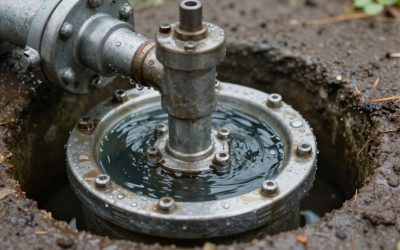
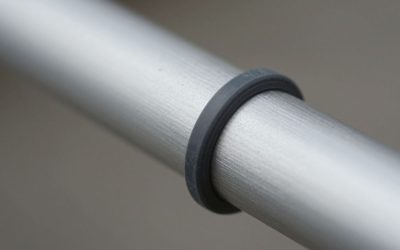
When we talk about water systems, whether it’s your home’s plumbing or a city’s main supply lines, we often don’t think about the small parts that keep everything working right. Seals are one of those unsung heroes. They’re not flashy, but they’re incredibly important. Without good seals, water can leak out, or worse, unwanted stuff can get in. Think of them as the gatekeepers for your water. They create a barrier that stops leaks and keeps the water clean and safe for us to use.
Preventing Contamination Pathways
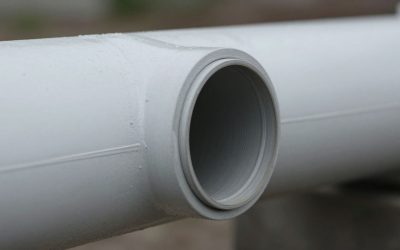
Water systems are complex networks, and where there’s a connection, there’s a potential weak spot. Seals are placed at these connection points – think pipe joints, valve stems, or pump housings. Their main job is to stop anything from getting out that shouldn’t, like treated water escaping into the ground. But just as importantly, they stop things from getting in. This could be anything from dirt and debris to harmful bacteria or chemicals. If a seal fails, it opens up a direct path for contamination, turning a safe water source into a risky one.
Ensuring System Longevity
Leaks aren’t just about losing water; they can cause real damage over time. Constant moisture where it shouldn’t be can lead to corrosion, weakening pipes and fittings. This means more frequent repairs and a shorter lifespan for the entire system. Seals, by keeping everything contained and dry on the outside, help prevent this kind of gradual breakdown. They protect the metal and plastic components from the elements and from the pressure within the system, helping everything last much longer.
Seals are the silent guardians of water systems. They work tirelessly behind the scenes, often unnoticed, to maintain the integrity of the water we rely on every day. Their simple function of creating a barrier has profound implications for public health and the lifespan of our infrastructure.
Material Science And Seal Durability
When we talk about keeping water systems running smoothly for years, the stuff seals are made of really matters. It’s not just about slapping any rubber ring into place; the material science behind it is pretty involved. Choosing the right elastomer is the first big step towards a seal that won’t quit on you.
Choosing The Right Elastomers
Think of elastomers as the stretchy, rubbery materials used for seals. Different types have different strengths. For water systems, you’re often looking at materials that can handle constant contact with water, sometimes treated water, and varying temperatures. Common choices include:
- EPDM (Ethylene Propylene Diene Monomer): Great for hot water and outdoor exposure. It holds up well against weather.
- Nitrile (NBR): Good for oil and fuel resistance, though less common in pure water applications unless there’s a chance of contamination.
- Silicone: Can handle a wide temperature range, from very cold to quite hot, and is often used in food-grade or medical applications, which can overlap with certain water treatment needs.
- Neoprene: A decent all-rounder, offering good resistance to water, ozone, and moderate temperatures.
Each has its own set of pros and cons, and picking the wrong one can lead to premature failure, which is exactly what we’re trying to avoid.
Resistance To Environmental Factors
Seals don’t just sit in a nice, controlled environment. They’re out there facing the elements. Things like UV radiation from the sun, ozone in the air, and even just plain old temperature swings can break down a seal over time. A seal that’s designed to resist these factors will last much longer. For instance, a seal used in an outdoor water tank needs to be UV-stable, otherwise, it’ll start to crack and lose its sealing ability pretty quickly.
The long-term performance of a seal isn’t just about its initial fit; it’s about its ability to withstand the constant barrage of environmental stressors without degrading. This means looking beyond basic water contact and considering the entire lifecycle of the component within its operational setting.
The Impact Of Chemical Exposure
Water isn’t always just pure H2O. Depending on where it’s coming from and how it’s being treated, it can contain various chemicals. Chlorine, for disinfection, is a big one. Other treatments might involve different compounds. Some elastomers can swell up, get brittle, or even dissolve when exposed to certain chemicals. This is why knowing the water chemistry is as important as knowing the seal material. A seal that’s resistant to the specific chemicals in your water system will maintain its integrity and keep doing its job without becoming a weak point.
Installation Best Practices For Optimal Performance
Getting seals installed right the first time is a big deal. It’s not just about shoving them into place; there’s a bit more to it if you want them to last and do their job properly. A poorly installed seal can lead to leaks, contamination, and a whole lot of headaches down the line.
Proper Sealing Techniques
When you’re putting in a new seal, think about it like setting up a good handshake. It needs to be firm, even, and make full contact. Here are a few things to keep in mind:
- Surface Prep: Make sure the surfaces where the seal will sit are clean and smooth. Any nicks, burrs, or dirt can create tiny gaps that let water escape or unwanted stuff get in. A quick wipe-down with a lint-free cloth usually does the trick.
- Orientation: Seals are often designed to work in a specific direction. Double-check the manufacturer’s instructions to make sure you’re not putting it in backward. It sounds simple, but it happens!
- Lubrication: Sometimes, a little bit of compatible lubricant can help the seal slide into place without getting twisted or damaged. Again, check what kind of lube is okay for your specific seal material.
Avoiding Premature Wear
Nobody wants to replace parts more often than they have to. How you install a seal can really affect how long it lives.
- No Twisting: A twisted seal won’t seal evenly. This puts extra pressure on certain spots, leading to faster wear and tear. Take your time to get it seated straight.
- Gentle Force: Don’t force it. If a seal isn’t going in easily, stop and figure out why. Using excessive force can damage the seal or the equipment it’s going into.
- Correct Size: Using the wrong size seal is a recipe for disaster. Too small and it won’t seal; too big and you’ll struggle to install it, likely damaging it in the process.
The Importance Of Cleanliness
This one can’t be stressed enough. Think of your water system like a kitchen – you wouldn’t want dirt in your food, right?
Dirt, grit, or even small metal shavings from manufacturing can get trapped under a seal. This acts like sandpaper, grinding away at the seal material and the surface it’s supposed to protect. Over time, this leads to leaks and can even damage the pipe or fitting itself, making future repairs more complicated and costly.
So, before you even touch the seal, make sure your hands, tools, and the surrounding area are as clean as possible. It’s a small step that makes a huge difference in the long run for water safety.
Maintenance Strategies For Sustained Water Safety
Regular Inspection Protocols
Keeping an eye on your water system’s seals is pretty important for making sure everything runs smoothly and safely. It’s not something you can just set and forget. Think of it like checking the tires on your car; you wouldn’t wait for a blowout to see if they’re okay, right? The same goes for seals in water infrastructure. Regular checks help catch small problems before they turn into big, expensive headaches. We’re talking about looking for any signs of wear, like cracks, tears, or unusual hardening. Sometimes, you might notice slight leaks or changes in pressure that could point to a seal issue. Catching these early is key to preventing bigger failures down the line.
Timely Replacement Schedules
Even the best seals don’t last forever. They have a lifespan, and knowing when to swap them out is part of good maintenance. This isn’t just about waiting for them to fail; it’s about proactive replacement based on expected wear and tear. Different materials and operating conditions mean different lifespans, so there’s no one-size-fits-all answer. It’s often best to have a schedule based on manufacturer recommendations or historical data from your specific system. Ignoring this can lead to unexpected leaks and contamination risks.
Addressing Minor Issues Proactively
Sometimes, you’ll spot a small issue with a seal – maybe a tiny bit of weeping or a slight deformation. Instead of thinking, "Oh, it’s probably fine," it’s way smarter to deal with it right away. A small problem now is almost always easier and cheaper to fix than a big one later. This could mean tightening a fitting, cleaning debris from the seal surface, or even just replacing a single seal that’s showing early signs of trouble. It’s about being vigilant and not letting minor imperfections snowball into major system compromises.
Think of your water system like a chain. Each link needs to be strong and intact for the whole chain to work. Seals are like those critical links. If one starts to weaken or break, the entire system’s integrity is at risk. Regular maintenance, including inspections and timely replacements, is the way we keep that chain strong and the water safe for everyone.
Here are a few things to keep in mind during maintenance:
- Visual Checks: Look for obvious damage like cuts, abrasions, or signs of chemical attack.
- Tactile Assessment: Feel for hardening, brittleness, or excessive softness, which can indicate material degradation.
- Performance Monitoring: Pay attention to any changes in system pressure, flow rates, or unusual noises that might signal a seal problem.
- Record Keeping: Log all inspections, findings, and maintenance actions. This data is super helpful for planning future replacements and understanding system behavior.
The Economic Advantages Of Reliable Sealing
When we talk about water systems, it’s easy to get caught up in the technical bits – the pipes, the pumps, the treatment processes. But there’s a quiet hero in all of this: the seal. And let me tell you, good seals aren’t just about stopping leaks; they’re a serious money-saver.
Reducing Water Loss
Think about it. Every tiny drip, every slow seep that escapes a faulty seal adds up. Over time, this lost water isn’t just a waste; it’s a direct hit to your budget. We’re talking about paying for water that never even reaches its intended destination. A well-sealed system means every drop counts. This is especially true for large municipal systems or industrial facilities where the scale of potential loss is enormous. It’s like having a hole in your pocket – money just keeps falling out.
Minimizing Repair Costs
Ignoring a small seal issue is like ignoring a small crack in your windshield. It might seem minor at first, but it can quickly turn into a much bigger, much more expensive problem. When seals fail, they can cause damage to surrounding components, leading to more complex repairs. Sometimes, a simple seal replacement could have prevented the need to replace an entire valve or pump. Proactive replacement and using quality seals mean fewer emergency calls and less downtime.
Enhancing Operational Efficiency
Reliable seals keep systems running smoothly. When you don’t have to worry about leaks or pressure drops caused by bad seals, your equipment operates at its intended performance level. This means pumps don’t have to work harder than they should, and pressure is maintained where it’s needed. It’s about keeping the whole operation humming along without unexpected hiccups. This efficiency translates directly into lower energy bills and a more predictable workflow.
The initial cost of high-quality seals might seem a bit higher, but when you factor in the reduced water loss, the avoidance of costly secondary damage, and the overall improvement in system performance, the return on investment is clear. It’s a case of spending a little more upfront to save a lot more down the line.
Advanced Sealing Technologies For Modern Infrastructure
Smart Seals And Monitoring
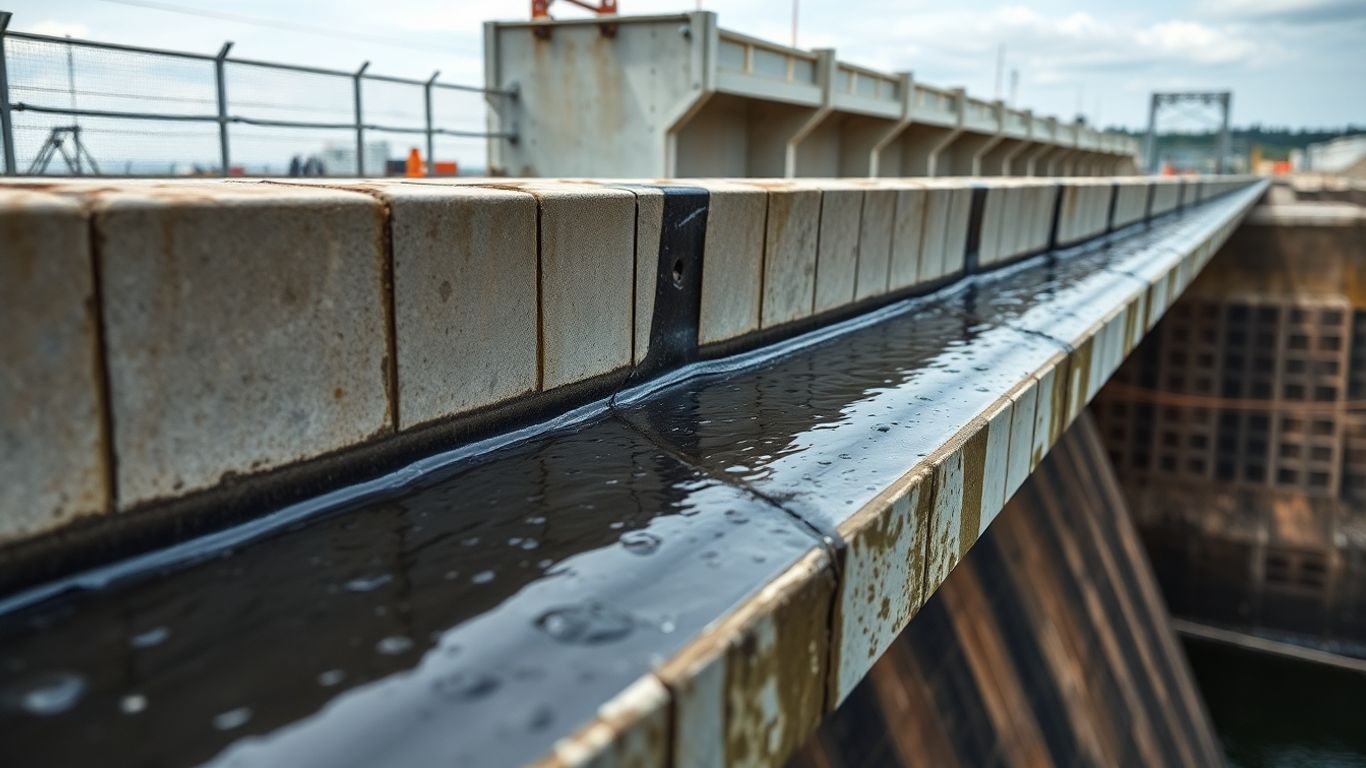
So, the old way of just slapping in a seal and hoping for the best? Yeah, that’s not really cutting it anymore for our water systems. We’re talking about infrastructure that needs to last decades, and just guessing if a seal is okay isn’t a great plan. That’s where smart seals come in. These aren’t your grandpa’s rubber rings. They’ve got little sensors built right in. These sensors can tell us things like if the seal is getting worn out, if there’s a tiny leak starting, or even if the temperature or pressure is doing something weird. This real-time data means we can catch problems before they become big, expensive headaches. It’s like having a tiny watchdog for every single seal in the system.
Innovative Composite Materials
Beyond just the ‘smart’ aspect, the actual stuff these seals are made from is changing too. We’re moving past basic rubber and plastics. Think about materials that are way tougher, can handle more extreme conditions, and just don’t break down as easily. We’re seeing a lot more use of advanced composites – think layers of different materials bonded together to get the best properties from each. This means seals that can resist things like harsh chemicals in the water, extreme temperature swings, and even the constant grinding and wear that happens in pipes. It’s all about making seals that last longer and perform better, no matter what the water system throws at them.
Adapting To Changing Water Demands
Our water needs aren’t static, right? Population shifts, new industries, and even climate change mean the demands on our water infrastructure are constantly evolving. Seals need to keep up. This means developing sealing solutions that are flexible enough to handle different flow rates, pressures, and water qualities. It’s not just about a one-size-fits-all approach anymore. We need seals that can be adapted or are designed from the ground up to meet these new challenges. This might involve:
- Designing seals for variable pressure systems.
- Creating materials resistant to new types of water treatment chemicals.
- Developing seals that can accommodate expansion and contraction due to temperature changes.
The goal is to build water systems that are not only reliable today but can also handle whatever tomorrow brings without constant, costly overhauls. It’s about future-proofing our most vital resource.
Basically, it’s a whole new ballgame for seals. They’re not just passive components anymore; they’re active participants in keeping our water safe and systems running smoothly, even as things change.
Wrapping It Up
So, when we talk about keeping our water safe for the long haul, it’s easy to overlook the small stuff. But those seals? They’re kind of a big deal. They might not be flashy, but they do the hard work of stopping leaks and keeping things clean. Think of them as the quiet guardians of our water systems. Without them doing their job right, we’d have bigger problems down the line, like contamination or just wasted water. It really shows how even the simplest parts play a huge role in making sure the water we rely on stays good to go, year after year. It’s a good reminder to appreciate the little things that keep our world running smoothly.
Frequently Asked Questions
Why are seals so important for keeping our water safe to drink?
Think of seals like the stoppers in a bottle. They create a tight fit in pipes and connections, stopping dirty water from getting in and clean water from leaking out. This keeps your drinking water pure and prevents it from becoming unsafe.
What happens if a seal breaks or wears out?
When a seal fails, it’s like a hole in your defense. Contaminants like dirt, bacteria, or chemicals could sneak into the clean water pipes. It can also lead to water leaks, wasting precious resources and potentially causing damage.
Are all seals made from the same stuff?
Nope! Seals are made from different materials, kind of like how different shoes are made for different activities. Some are rubbery and flexible, while others are tougher. The best material is chosen based on what the seal will touch, like water chemicals or the weather outside.
How do I know if the seals in my water system need to be checked?
Usually, you won’t see them working, but if you notice strange smells or tastes in your water, or if you see water pooling where it shouldn’t, it’s a good sign that seals might be having trouble. Regular checks by experts are the best way to be sure.
Does it cost more to use good quality seals?
In the long run, using high-quality seals actually saves money! They last much longer, meaning fewer repairs and less water wasted from leaks. It’s like buying a durable tool instead of one that breaks after a few uses – it pays off.
Are there new kinds of seals being invented?
Yes, scientists are always working on new and better seals. Some new seals can even tell us if they are starting to wear out using sensors, kind of like a warning light in a car. Others are made from super strong materials that can handle tough conditions for a very long time.