When you get your water from a private well, keeping it clean is up to you. One big part of that is the well seal. It might not seem like much, but this seal is like a gatekeeper for your water. It stops bad stuff from getting in. This article looks at How Well Seals Safeguard Private Wells from Environmental Hazards and why they matter so much for your health and your water.
Key Takeaways
- Well seals are the first line of defense, stopping outside gunk from getting into your water supply.
- They block things like dirt, bugs, and animal waste from entering the well casing.
- Proper seals help prevent chemicals from farm fields or leaky septic tanks from reaching your groundwater.
- A good seal keeps your well water safe to drink and reduces health worries.
- Checking and fixing your well seal regularly is important for keeping your water clean over time.
Understanding Well Seals And Their Crucial Role
The Anatomy of a Well Seal
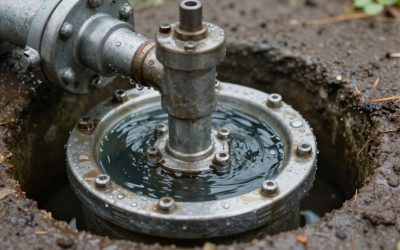
A well seal, often called a well cap or sanitary seal, is more than just a lid for your well. It’s a carefully designed barrier meant to keep unwanted stuff out of your water supply. Think of it as the first line of defense for your drinking water. The main parts usually include a base plate that fits snugly over the well casing, a vent that allows air pressure to equalize (but has a screen to keep bugs out), and a locking mechanism to keep it secure. Some might have a conduit opening for electrical wires if you have a submersible pump. The seal’s primary job is to create an airtight and watertight closure. It needs to be tough enough to withstand weather and prevent anything from getting down into the well.
Why Well Seals Are Essential for Water Purity
Honestly, without a good well seal, your water is pretty much open to whatever’s happening on the surface and just below it. It’s not just about keeping dirt out; it’s about preventing a whole host of contaminants from reaching your drinking water. A properly installed and maintained seal stops:
- Surface water runoff, which can carry all sorts of things like pesticides, fertilizers, and animal waste.
- Insects, rodents, and other small animals that could get into the well and contaminate the water or damage equipment.
- Dust and debris that can settle into the water over time.
The integrity of your well seal directly impacts the safety and potability of your water. It’s a simple component, but its function is incredibly important for public health, especially in rural areas that rely on private wells.
When you think about it, the water coming from your well is what you drink, cook with, and bathe in. Making sure that water stays clean from the moment it enters the ground until it comes out of your tap is the main reason well seals are so important. It’s a simple, yet vital part of your home’s water system.
Protecting Against Surface Contamination
Preventing Infiltration of Runoff
Surface water, especially after a good rain, can carry all sorts of unwanted things. Think about it: rainwater washes over lawns, fields, and roads, picking up dirt, debris, and whatever else is lying around. A properly sealed wellhead acts as the first line of defense, creating a barrier that stops this surface runoff from seeping down into your well casing. Without a good seal, that water, and whatever it’s carrying, can find its way straight into your drinking water supply. It’s like leaving your front door wide open when a storm hits – not a good idea for keeping things clean.
Blocking Pesticides and Herbicides
Many of us use chemicals on our lawns and gardens to keep pests away or kill weeds. These pesticides and herbicides are designed to be effective, but we don’t want them in our water. When it rains, these chemicals can get washed off treated areas and head towards the ground. A tight seal around your well prevents these harmful substances from getting a free ride down into the aquifer that feeds your well. It’s a simple but effective way to keep your water free from these man-made contaminants.
Stopping Animal Waste Entry
Whether you have pets, livestock, or just wildlife passing through your property, animal waste is a common source of contamination. This waste can contain bacteria and other pathogens that are bad for your health. If your well seal isn’t up to par, these contaminants can easily enter the well. A good seal is key to keeping:
- Bacteria from pet waste in the yard.
- Pathogens from livestock operations nearby.
- General animal droppings from entering the wellhead.
Keeping animal waste out of your well is a big deal for water safety. It’s not just about making the water look or smell bad; it’s about preventing serious health issues that can come from drinking water contaminated with harmful microorganisms. A solid seal makes a world of difference here.
It really comes down to making sure that whatever is on the surface, stays on the surface, and doesn’t end up in your glass.
Defending Against Subsurface Threats
Mitigating Groundwater Pollution
Groundwater is a huge source of drinking water for many homes, and it’s not always as clean as we think. Things that happen on the surface, like spills or leaks, can eventually seep down and mess with the water underground. A good well seal acts like a barrier, stopping these surface contaminants from reaching your water source before it even gets to your well. It’s all about keeping that underground water clean from the start.
Sealing Off Contaminated Aquifers
Sometimes, the water underground isn’t clean to begin with. There might be natural minerals or, worse, pollution from old industrial sites or landfills that have made their way into the water-bearing layers, called aquifers. If your well draws from one of these tainted aquifers, your water could be unsafe. A properly installed and maintained seal can help isolate your well from these bad water sources, making sure you’re only tapping into cleaner water if other options are available nearby.
Preventing Saltwater Intrusion
This is a big one, especially for homes near the coast. As we pump water out of an aquifer, it can create a cone of depression. If you’re close enough to the ocean, this can actually pull saltwater inland, contaminating your freshwater supply. A strong well seal helps maintain the integrity of your well casing and the surrounding ground, making it harder for that salty water to sneak in.
The ground around your well isn’t just dirt and rock; it’s a complex system. Anything that compromises the seal can create a direct pathway for unwanted substances to enter your water supply. Think of it like a leaky pipe – even a small crack can cause big problems over time.
Here’s what a good seal helps prevent underground:
- Chemicals from industrial spills seeping down.
- Naturally occurring contaminants in certain rock formations.
- Leachate from improperly managed waste sites.
- Excessive pumping that can alter underground water flow patterns.
The Impact of Seal Integrity on Water Quality
Maintaining Potable Water Standards
So, what happens when that well seal isn’t doing its job? It’s not just a minor inconvenience; it can really mess with your water. A compromised seal is like leaving your front door wide open to all sorts of unwanted guests. These aren’t the kind of guests you want showing up at your house, either. We’re talking about things that can make your water unsafe to drink. The primary job of a well seal is to keep the water in your well clean and safe for consumption. When it fails, even small amounts of surface water can seep in, carrying all sorts of gunk with it. This can quickly lead to your water not meeting the basic standards for drinking water, which is obviously a big problem.
Reducing Health Risks Associated with Contaminants
When contaminants get into your well water, it’s not just about taste or smell, though those can be indicators. The real worry is the health risks. Think about what can get washed into the ground: bacteria from animal waste, chemicals from lawns or farms, even stuff from old landfills if you’re unlucky. These things can cause all sorts of health issues, from stomach bugs to more serious long-term problems. A good seal acts as a barrier, stopping these contaminants before they ever reach your water source. It’s a simple concept, but incredibly important for keeping your family healthy.
Here’s a quick rundown of what a failing seal can let in:
- Bacteria and viruses
- Pesticides and herbicides
- Heavy metals
- Nitrates
Keeping your well sealed properly is one of the most straightforward ways to protect your household from a wide range of potential health hazards. It’s a preventative measure that pays off big time in the long run, saving you from potential medical bills and a lot of worry.
Common Environmental Hazards Affecting Wells
Agricultural Runoff and Chemical Leaching
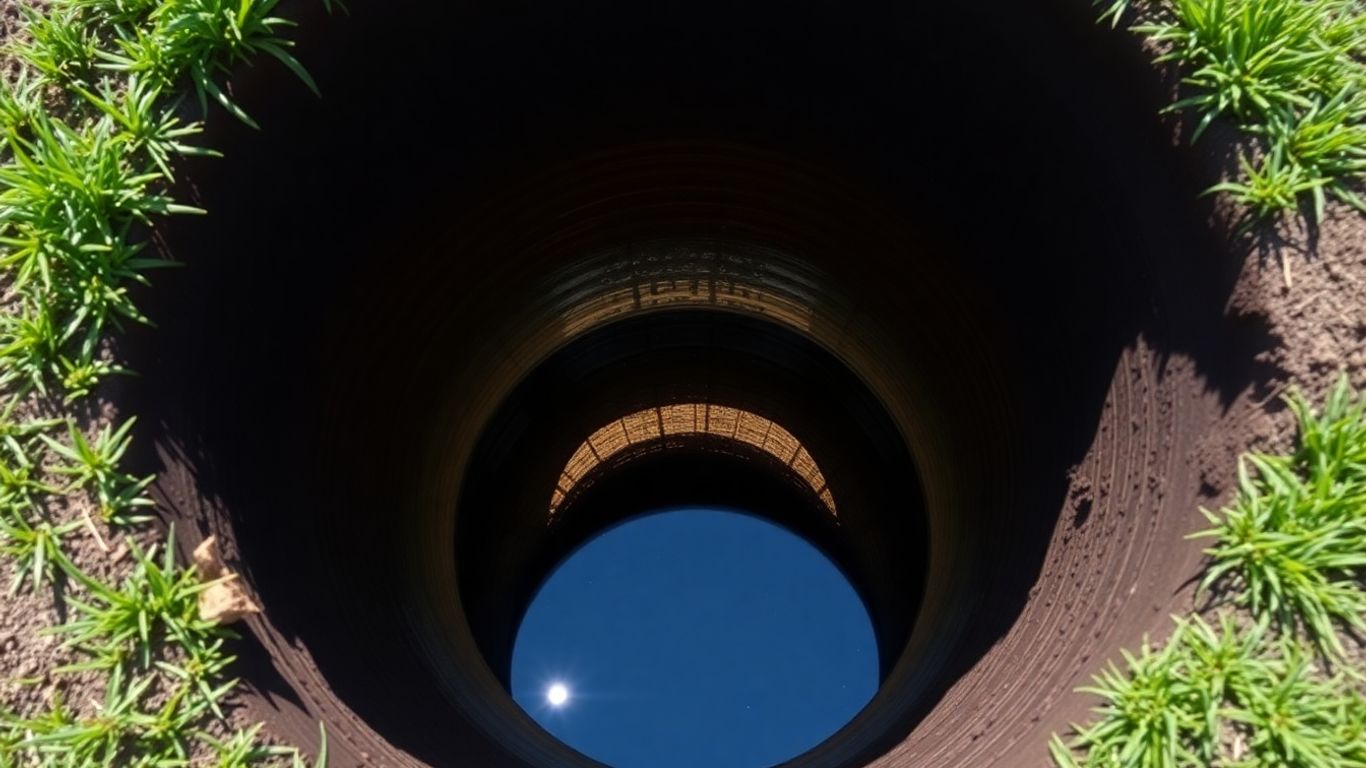
Farms are a big part of many rural landscapes, and while they provide us with food, they can also pose a risk to our well water. When it rains, water can pick up things from the fields – like fertilizers, pesticides, and herbicides – and carry them down into the ground. If your well isn’t properly sealed, these chemicals can seep in. It’s a serious concern because even small amounts of these substances can make your drinking water unsafe. We’re talking about things that are designed to kill pests or weeds, and they’re definitely not something you want in your body.
Septic System Failures
Most homes not connected to a city sewer system rely on a septic tank. These tanks hold wastewater from your house, and the treated water then filters into the soil nearby. If a septic system isn’t working right – maybe it’s old, overloaded, or not maintained – it can leak. This leakage can contain bacteria, viruses, and other nasty stuff from your household waste. A compromised well seal is like an open door for these contaminants to get into your clean water supply. It’s a pretty direct route from a problem in your yard to a problem in your tap.
Industrial Discharge and Landfill Leachate
Sometimes, the threats aren’t from farms or homes, but from bigger operations. Industrial sites can sometimes release waste products, and landfills, even well-managed ones, produce something called leachate. This is a liquid that forms when rainwater filters through the trash. It can contain all sorts of chemicals, heavy metals, and other pollutants. If these sites are near your well, and the well seal isn’t up to par, these harmful substances can make their way into the groundwater and, eventually, your well. It’s a slower process than a direct spill, but the long-term effects can be just as bad, if not worse.
The integrity of your well seal is your first line of defense against a wide range of potential contaminants. Without a proper seal, your well becomes vulnerable to whatever is happening on the surface and in the ground around it. It’s not just about keeping dirt out; it’s about creating a barrier against a complex mix of natural and man-made pollutants that can travel through soil and rock.
Here are some of the main ways these hazards can affect your well:
- Chemical Contamination: From pesticides and industrial solvents to cleaning agents, a variety of chemicals can leach into groundwater.
- Biological Contamination: Bacteria and viruses from animal waste, sewage, or decaying organic matter can pose serious health risks.
- Physical Contamination: Fine sediment or particles can enter the well, affecting water clarity and potentially carrying other contaminants.
Ensuring Long-Term Well Protection Through Proper Sealing
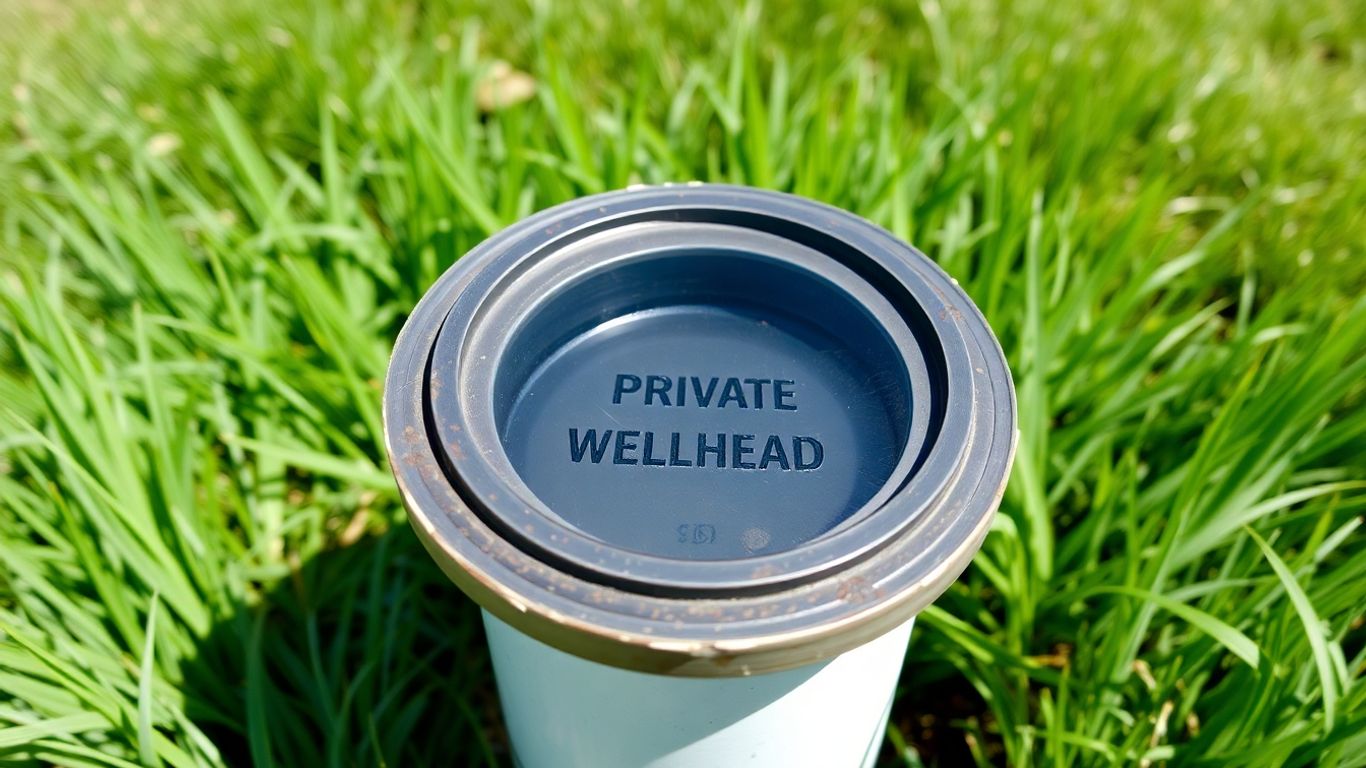
So, you’ve got a well, and you want to keep that water clean and safe for years to come. That’s where good sealing comes in. It’s not just a one-and-done kind of deal; it’s about making sure your well stays protected from all sorts of gunk that could get in. A well-maintained seal is your best defense against a whole lot of potential problems.
Importance of Professional Installation
Look, you can try to DIY a lot of things, but when it comes to your well seal, it’s usually best to call in the pros. They know the ins and outs of what makes a seal effective. They’ve got the right tools and know-how to get it done right the first time. Trying to cut corners here can lead to bigger headaches down the road.
Regular Inspection and Maintenance Schedules
Think of your well seal like your car’s tires. You wouldn’t just ignore them until they blow out, right? You check the pressure, look for wear and tear. Your well seal needs that same kind of attention. Setting up a schedule for checking it out is smart. This usually means:
- Looking for any visible cracks or gaps around the wellhead.
- Checking if the cap is secure and hasn’t shifted.
- Making sure there’s no standing water pooling right around the well.
Recognizing Signs of Seal Degradation
Sometimes, even with regular checks, things can start to go wrong. You’ve got to keep an eye out for the warning signs. If you notice any of these, it’s time to get it looked at:
- Changes in your water’s taste or smell – that’s a big one.
- Mud or debris getting into the well casing.
- Puddles forming around the wellhead after rain, even if the seal looks okay.
- Any new cracks or damage you spot on the seal itself.
The integrity of your well seal is directly tied to the quality of the water you’re drinking. A compromised seal can let in all sorts of unwanted guests, from bacteria to chemical runoff. It’s a simple system, but its effectiveness relies on every part working as it should, especially that protective barrier at the top.
Basically, it’s all about being proactive. A little bit of attention now can save you a lot of trouble, and more importantly, keep your water safe and potable.
Wrapping It Up
So, when you think about your well water, remember those seals. They might not be the most exciting part of your home, but they’re doing some heavy lifting. Keeping junk out of your water supply is a big deal, and these seals are the first line of defense. Making sure they’re in good shape means you’re looking after your family’s health and keeping your water clean. It’s not complicated, but it’s definitely worth paying attention to. A little check-up now and then can save a lot of headaches later on.
Frequently Asked Questions
What exactly is a well seal and why is it so important for my private water supply?
Think of a well seal as a protective cap or barrier for your well. It’s usually made of concrete or a special grout that fills the space between the well casing (the pipe going down into the ground) and the earth. Its main job is to stop anything yucky from the surface, like rainwater, bugs, or animal waste, from getting into your drinking water. Without a good seal, your water could easily become dirty and unsafe to drink.
Can surface water with pesticides or animal poop really get into my well if the seal isn’t perfect?
Absolutely! When it rains, water can flow over the ground. If there are chemicals from farms or waste from animals nearby, this surface water can carry those contaminants down towards your well. A strong, well-maintained seal acts like a dam, preventing this polluted water from seeping into the well casing and mixing with your clean groundwater.
What kind of problems can happen underground that a well seal helps prevent?
Even below the surface, there are dangers. Sometimes, pollution from things like leaky septic tanks or industrial waste can seep into the ground and reach the water table. A good seal helps keep these underground pollutants from traveling into your well and contaminating your water source. It also helps keep water from different underground layers (aquifers) separate, especially if one layer is already polluted.
How often should I check my well seal, and what should I look for?
It’s a good idea to look at your well seal at least once a year. You’re looking for any cracks, holes, or signs that the seal is sinking or pulling away from the casing. If you see standing water around the wellhead after a rainstorm, that’s also a red flag. Any damage means contaminants could be getting in, and you should call a professional to fix it.
What happens if my well seal breaks down over time?
If a well seal starts to break down, it loses its ability to keep out unwanted stuff. This means surface water, dirt, insects, and even small animals could find their way into your well. More seriously, harmful bacteria, viruses, chemicals from farms or industries, and even salty water from coastal areas could seep in, making your water unsafe to drink and potentially causing health problems.
Is it better to install a well seal myself or hire someone?
While you might be tempted to do it yourself, installing a well seal correctly is crucial for your water’s safety. It’s best to hire a qualified well professional. They have the right tools and knowledge to ensure the seal is properly constructed, fits snugly around the casing, and is made of the right materials. A professionally installed seal offers the best protection for your private well.