You know, keeping things secure and clean is a big deal, whether it’s our water supply or important equipment. Sometimes, simple things like seals can make a huge difference. This article is all about how well seals deter vandalism and prevent contamination, looking at how they protect everything from underground pipes to valuable products. It’s not just about locking things up; it’s about making sure things stay the way they should, safe and sound.
Key Takeaways
- Seals act as a visible warning, making it harder for vandals and unauthorized people to mess with infrastructure like manholes and utility boxes.
- By blocking access, seals stop trash, chemicals, and other bad stuff from getting into water systems or storage tanks, which keeps things clean and safe.
- Tamper-evident features on seals show immediately if someone has tried to get in, helping to catch problems early and keep people safe.
- Using strong, durable seals helps prevent accidental damage to access points and cuts down on expensive repairs, keeping infrastructure in good shape.
- From cities to oil fields, seals are used across many industries to protect everything from public utilities to sensitive equipment, proving their worth in keeping things secure and preventing contamination.
Deterring Vandalism and Unauthorized Access
Preventing Tampering with Critical Infrastructure
When it comes to keeping our essential services running smoothly, stopping folks from messing with them is a big deal. Think about things like water mains, electrical conduits, or even communication lines buried underground. These spots often have access points, like manholes or inspection covers, that could be tempting targets for vandals or people with bad intentions. Seals designed for these access points act as a clear signal that tampering has occurred. If someone tries to pry one open, the seal breaks or shows evidence of being disturbed, immediately alerting authorities or maintenance crews. This visual cue is super important.
Securing Underground Access Points
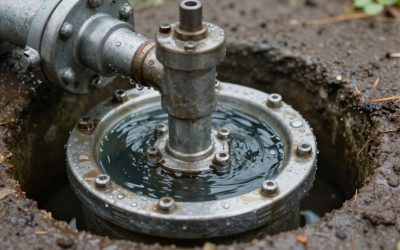
Underground infrastructure is often out of sight, which can make it seem like a good place for illicit activities. Manhole covers, for instance, aren’t just heavy metal discs; they’re gateways to vital systems. Without proper security, these openings can be a weak link. Using specialized seals on these points makes it much harder for unauthorized individuals to get in. It’s not just about stopping petty vandalism; it’s about preventing more serious issues like theft of materials or even sabotage. These seals create a physical barrier that requires effort and tools to overcome, making quick, unauthorized access much less likely.
Discouraging Illicit Activities and Vandalism
Sometimes, just making something look secure is enough to deter trouble. When access points are visibly sealed, it sends a message that the area is monitored and protected. This simple act can discourage people from attempting to break in, dump waste, or cause damage. It’s a low-tech but effective way to add a layer of security. Think of it like putting a lock on your shed – even if it’s a simple lock, it makes a potential thief think twice. For critical infrastructure, these seals serve a similar purpose, making the effort and risk of vandalism or illicit entry seem less appealing.
Here’s a quick look at what seals help prevent:
- Unauthorized entry into utility access points.
- Dumping of waste or hazardous materials into drainage systems.
- Theft of equipment or materials from underground vaults.
- Vandalism that could compromise system integrity.
- Tampering that could lead to service disruptions.
Preventing Contamination and Pollution
When we talk about keeping things clean and safe, seals play a surprisingly big role, especially when it comes to preventing contamination and pollution. It’s not just about keeping bad guys out; it’s also about keeping unwanted stuff from getting in.
Safeguarding Waterways and Ecosystems
Think about manholes and storm drains. If these aren’t properly sealed, they can become easy entry points for all sorts of gunk. Rain washes trash, chemicals, and other pollutants right into these openings, which then often lead straight to our rivers, lakes, and oceans. This isn’t just messy; it’s seriously harmful to aquatic life and can mess up entire ecosystems. Using sturdy seals on these access points acts like a first line of defense, stopping debris and hazardous materials from entering the system in the first place. It’s a simple step that helps protect our natural water sources.
Maintaining Product Integrity in Storage
In places like oil refineries or food processing plants, keeping products pure is everything. After a tank or container has been cleaned and is ready to be refilled, you need to make sure it stays that way. A good seal, like a high-security cable seal, creates a barrier. It tells everyone that the container hasn’t been messed with since it was cleaned. This is super important for quality control and for meeting regulations. If a seal is intact, you know the product inside is safe and hasn’t been contaminated by dust, rain, or anything else that might have gotten in if the opening was left exposed.
Ensuring Cleanliness After Maintenance
Maintenance work is necessary, but it can also leave things vulnerable. After a piece of equipment or a storage tank has been serviced, it needs to be sealed up again properly. This is where seals really shine. They confirm that the work is done and that the area is secured against further contamination. For example, after cleaning a large storage tank, applying a tamper-evident seal shows that the cleaning standards were met and that the tank is ready for its next use without any risk of contamination from the period between cleaning and refilling. It’s a visual confirmation that cleanliness has been maintained.
Seals are often the unsung heroes in preventing environmental damage and maintaining the purity of goods. They provide a physical barrier that discourages not only tampering but also the ingress of pollutants, safeguarding both natural resources and commercial products.
Enhancing Public Safety and Security
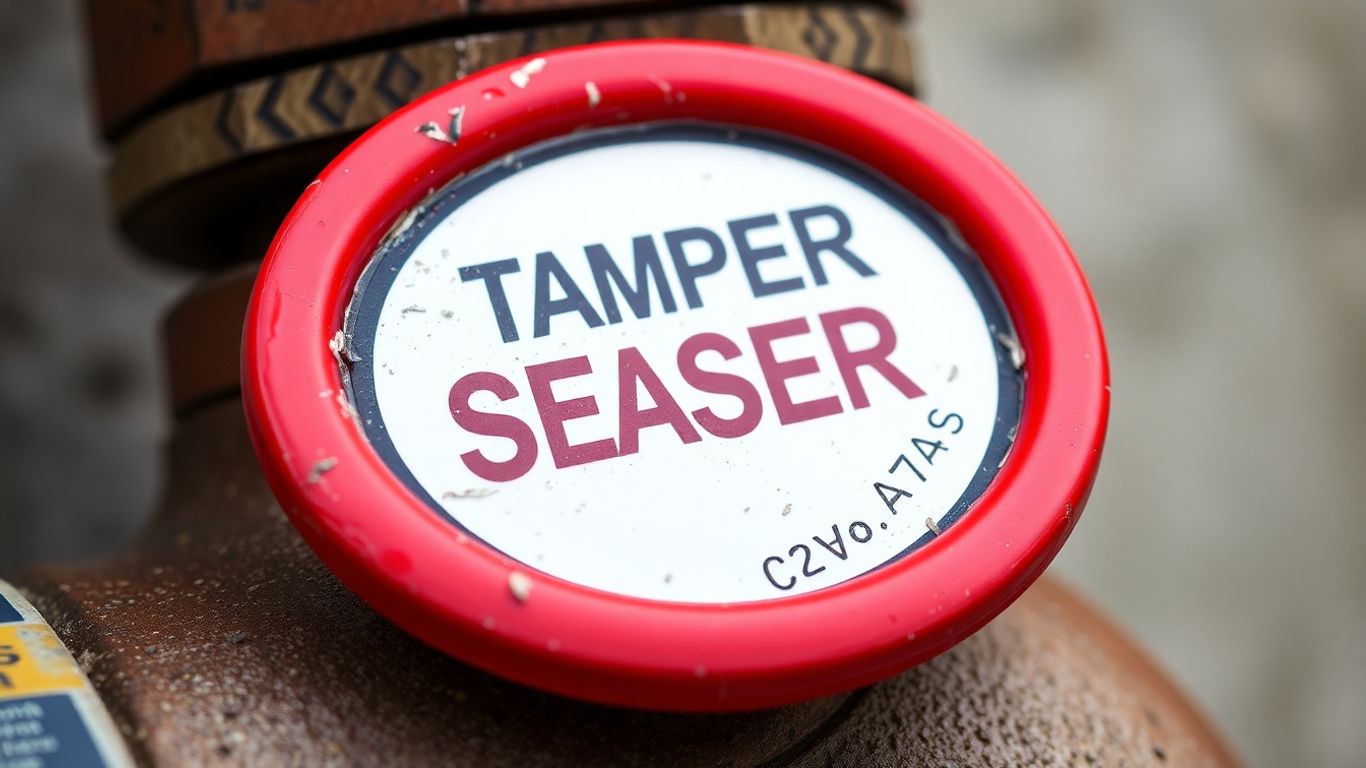
When we talk about keeping things safe, it’s not just about stopping thieves. It’s also about making sure people don’t get hurt. Think about those open manholes or access points to underground pipes. If someone doesn’t see one, especially at night or in bad weather, they could trip, fall, or even drive into it. That’s a serious accident waiting to happen.
Mitigating Hazards from Unsecured Openings
Seals on these access points act like a clear warning sign, or better yet, a solid barrier. They make it obvious that the opening is covered and shouldn’t be messed with. This is super important in places where people walk or drive, like sidewalks, roads, or even in residential areas. Keeping these spots sealed up prevents accidental injuries and keeps the public safe from unexpected dangers. It’s a simple step that makes a big difference in everyday life.
Protecting Against Sabotage and Terrorism
Beyond everyday accidents, there’s a more serious side to security. Critical infrastructure, like water systems or power grids, can be targets for people who want to cause harm. If someone can easily get into these systems, they could disrupt services, contaminate resources, or even cause widespread damage. Security seals make it much harder for anyone with bad intentions to tamper with these vital networks. They add a layer of protection that signals that unauthorized access is not tolerated and will be noticed.
Securing Sensitive Equipment and Documentation
It’s not just about big infrastructure. Sometimes, access points lead to areas where important equipment or records are kept. Think about utility control boxes or maintenance sheds. If these aren’t properly secured, sensitive information could be exposed, or valuable equipment could be damaged or stolen. Seals provide a visible deterrent and a clear indicator if someone has tried to get in where they shouldn’t. This helps maintain the integrity of operations and protects valuable assets from being compromised.
Preserving Infrastructure Integrity
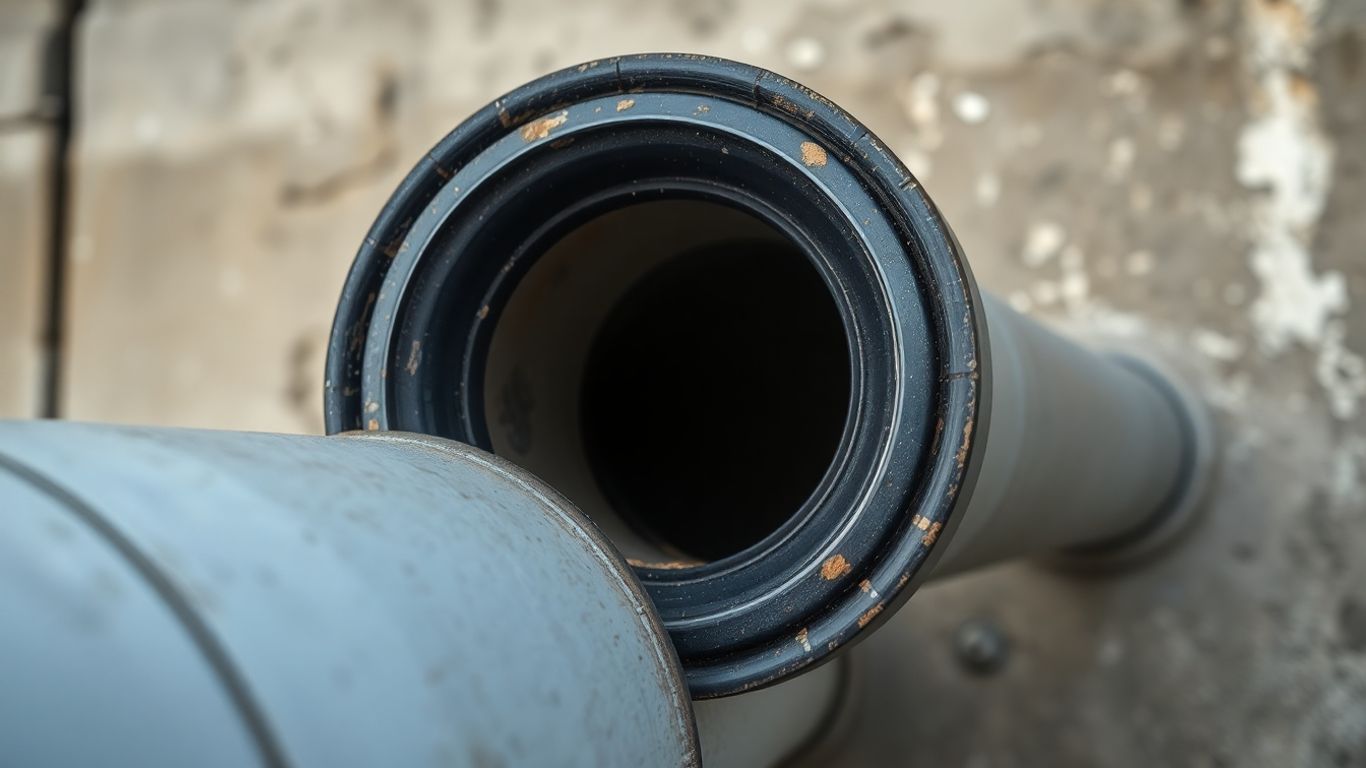
Think about all the stuff underground – pipes, cables, access points to all sorts of systems. Keeping those secure isn’t just about stopping bad guys; it’s also about preventing simple accidents that can cause big headaches and cost a fortune to fix. Seals play a quiet but important role here.
Avoiding Accidental Damage to Access Points
Sometimes, damage isn’t intentional. Construction crews might not see a manhole cover, or a vehicle could accidentally hit an exposed utility box. When these access points are properly sealed, they’re less likely to be bumped, scraped, or otherwise damaged by everyday activities. It’s like putting a little protective bumper on them. This simple step helps keep them out of harm’s way.
Reducing Need for Costly Repairs
When an access point gets damaged, fixing it can be a real pain. You’ve got to dig things up, replace parts, and then make sure everything is sealed up again. This costs time and money, plain and simple. Seals act as a first line of defense, preventing that initial damage. Fewer repairs mean lower maintenance bills and less disruption to services. It’s a proactive approach that saves resources down the line.
Maintaining Structural Soundness of Systems
These access points aren’t just lids; they’re part of a larger system. If a manhole cover is compromised or a utility box is broken, it can let in water, dirt, or other things that can corrode or damage the equipment inside. Over time, this can weaken the whole structure. Seals keep these openings closed off, protecting the internal components and helping the entire system last longer and work better. It’s about keeping the foundation of our infrastructure solid.
Seals are like the guardians of our hidden networks. They stand watch over access points, preventing both deliberate meddling and accidental harm. This vigilance is key to keeping our underground systems functioning smoothly and preventing expensive, time-consuming repairs that can disrupt daily life.
Seal Features for Effective Security
Tamper-Evident Design Elements
When we talk about security seals, the first thing that comes to mind is how they actually show if someone’s been messing around. It’s not just about locking something; it’s about leaving a clear sign if it’s been opened. Think of it like a digital footprint, but for physical security. These seals are built with specific features that break, tear, or change in a way that’s impossible to miss if they’ve been tampered with. This could be anything from a special adhesive that leaves residue when peeled, to a plastic or metal mechanism that snaps or deforms. The goal is to make unauthorized access immediately obvious. It’s this visual cue that really makes them work as a deterrent. If someone knows they’ll leave undeniable proof, they’re much less likely to even try.
Material Durability and Resistance
Beyond just showing tampering, the materials themselves play a huge role. You don’t want a seal that just falls apart or can be easily cut with a pocket knife, right? That’s why these seals are made from tough stuff. We’re talking about reinforced plastics, strong metals, and composites that can handle a lot. They need to stand up to rough handling, different weather conditions – think extreme heat or cold – and general wear and tear that happens during transport or storage. A good seal resists not just cutting, but also pulling, bending, and even crushing. It’s about making it genuinely difficult and time-consuming for someone to get past it without specialized tools, which again, adds to the deterrence factor.
Ease of Application and Use
Now, all these fancy security features wouldn’t be much good if applying the seals was a nightmare. Nobody wants to spend ages fiddling with a seal when they’ve got a whole shipment to process or a critical piece of equipment to secure. So, manufacturers focus on making them user-friendly. This means seals that are quick to attach, often with a simple pull-tight mechanism or a snap-lock. They should be easy to inspect visually too, so staff can quickly check if everything is as it should be. The idea is to integrate security smoothly into existing workflows without adding a lot of extra hassle. It’s a balance: strong security that’s also practical for everyday use.
The effectiveness of a security seal isn’t just about its strength, but also about how clearly it communicates its status. A seal that is difficult to interpret or easily faked defeats its purpose. Clear indicators and reliable materials work together to build trust and prevent unwanted interference.
Applications Across Industries
Municipalities and Public Utilities
Think about all the stuff underground in your town – water pipes, electrical lines, maybe even some old phone cables. Municipalities and utility companies are basically in charge of a giant, hidden network. Keeping that network safe and sound is a big deal. Using seals on things like manhole covers and drain access points isn’t just about stopping vandals; it’s about making sure the water you drink is clean and the power stays on. It also helps them meet all those government rules and keep public property from getting messed with. These seals are a simple way to protect essential services.
Commercial and Industrial Facilities
Businesses, especially those in manufacturing, tech, or transportation, rely heavily on their infrastructure. If a server room door or a critical access panel gets tampered with, it can shut down operations, leading to big losses and headaches. Seals on these points act as a clear warning sign. They show that the area is secured and that any unauthorized entry will be obvious. This is super important for keeping things running smoothly and preventing theft or sabotage. Plus, it helps with keeping track of who accessed what, which is good for audits and general accountability.
Oil and Gas Operations
This industry deals with some pretty serious stuff, and security is a top priority. From remote wellheads to massive storage tanks and processing plants, there are tons of access points that need protection. Seals on valves, pipelines, and control panels are vital. They help prevent theft of product, stop unauthorized meddling that could cause accidents, and are key for meeting strict environmental and safety regulations. In this sector, seals are a critical part of maintaining operational integrity and public safety.
- Tamper-Evident Features: Seals clearly show if someone has tried to open something they shouldn’t have.
- Material Strength: Seals need to hold up in tough environments, resisting weather and physical force.
- Traceability: Unique numbers or codes on seals help track equipment and access history.
In the oil and gas world, a broken seal isn’t just a minor issue; it can signal a potential safety hazard, an environmental risk, or a security breach. Quick detection through visible seal integrity is paramount.
Wrapping It Up
So, when you really think about it, those simple seals on manholes and access points do a lot more than just keep people out. They’re like the unsung heroes of keeping our infrastructure safe and clean. From stopping vandals and potential sabotage to preventing nasty spills and keeping junk out of our waterways, these seals are pretty important. They help make sure things stay working right, save us money on repairs, and honestly, just make our communities safer places to be. It’s not fancy tech, but it gets the job done, plain and simple.
Frequently Asked Questions
What exactly are these security seals for drains and manholes?
Think of them as special locks for openings in the ground, like manholes or drains. They’re designed to stop people from getting into places they shouldn’t, like underground pipes or utility boxes. They also help keep trash and bad stuff out, which is important for keeping our water clean.
How do these seals stop people from messing with things?
These seals are made to show if someone has tried to open them. They often have special designs or materials that break or change color if tampered with. This makes it obvious if someone has been where they’re not supposed to be, acting as a warning sign.
Can these seals help prevent pollution?
Yes, they absolutely can! When manholes and drains are left open or aren’t sealed properly, all sorts of things can fall in – trash, chemicals, dirt. Seals create a barrier, preventing these unwanted materials from getting into our water systems and environment, which helps keep everything cleaner and safer.
Are these seals difficult to put on or take off?
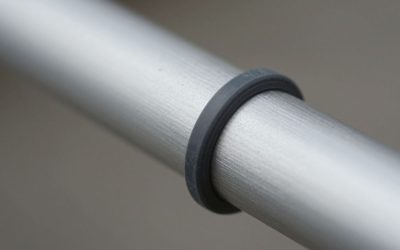
Most of these seals are made to be pretty easy to use. They’re often made of flexible materials like rubber and can be applied quickly. They’re designed so that authorized people can remove them when needed, but they’re tough enough to stay put and show if someone tries to mess with them.
Where are these seals typically used?
You’ll find them used in lots of places! Cities use them on manhole covers and storm drains. Businesses use them on utility boxes and access points for underground cables. They’re also important in places like oil and gas facilities to keep important equipment safe.
What happens if a seal is broken?
If a seal is found broken or tampered with, it’s a big signal that something is wrong. It means someone might have entered a restricted area or that something has gone into the system that shouldn’t have. This usually triggers an investigation to figure out what happened and why.