Keeping water safe and clean is a big deal, right? Whether it’s coming to your house or being stored for later, you want to know it hasn’t been messed with. That’s where tamper-evident seals come in. They’re like a little security guard for your water, showing you right away if someone tried to get in where they shouldn’t have. This article looks at how these seals are used to protect water systems today.
Key Takeaways
- Tamper-evident seals are simple but effective tools that show if something has been opened without permission.
- In water systems, these seals are used on tankers, supply lines, and storage tanks to stop contamination and theft.
- Modern seals can be customized with colors and markings, making them easy to track and verify.
- Different types of seals, like plastic strap seals and sanitary well caps, are used for specific water protection jobs.
- Using these seals helps make water transport and storage safer, more efficient, and compliant with rules.
Understanding Tamper-Evident Seals
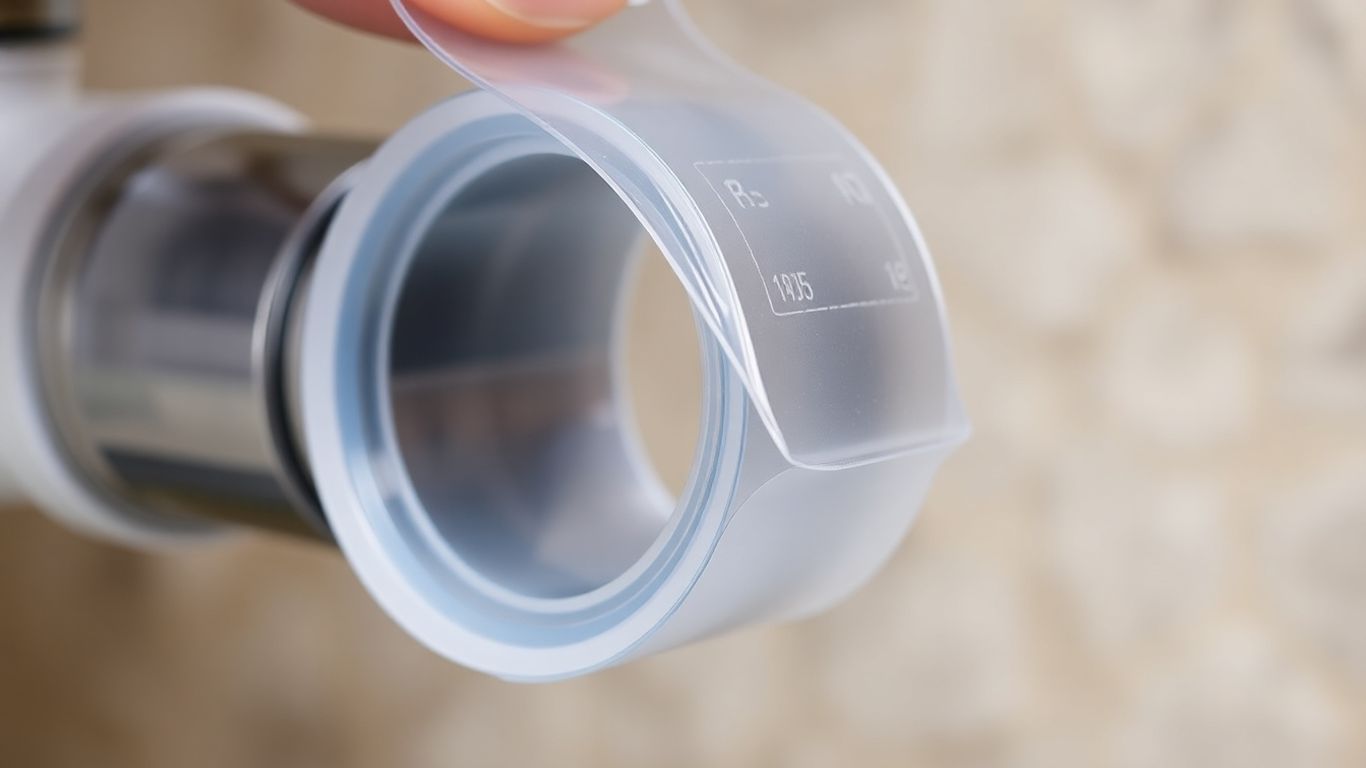
Okay, so let’s talk about tamper-evident seals. You see them everywhere, right? On everything from medicine bottles to shipping containers. But what exactly are they, and why are they so important, especially when we’re talking about keeping our water safe?
Defining Tamper-Evident Security Seals
Basically, a tamper-evident seal is a device designed to show if someone has tried to mess with something they shouldn’t have. It’s not about stopping someone completely, but about making it obvious if they’ve tried. Think of it like a digital footprint for physical security. Once it’s broken or shows signs of being fiddled with, you know there’s been an unauthorized attempt to access whatever it was protecting. This is super important for things like water tanks or pipes where contamination could be a real problem.
The Functionality of Plastic Security Seals
When we talk about water systems, plastic security seals are often the go-to. They’re pretty straightforward. You loop them through a hasp or a closing mechanism, pull them tight, and they lock in place. Most of these are designed to be a one-time use thing. You can’t just unclip them and reattach them without leaving clear evidence. They come in all sorts of shapes and sizes, from simple strap seals to more complex padlock-style ones. The main idea is that if the seal is intact when it’s supposed to be, you can be pretty sure nobody has gotten into the water supply or storage without you knowing.
Distinguishing Between Seal Types
It’s not just one kind of plastic seal, though. There are a few main categories:
- Variable Length Seals: These are like flexible straps. You can adjust them to fit different openings, making them really versatile for things like tanker truck valves or bags. They’re easy to use, but sometimes a bit less secure than fixed-length ones.
- Fixed Length Seals: These have a set size and often a more robust locking mechanism. They’re generally tougher to break and are good for applications where the opening size is consistent, like on meter boxes.
- Indicative Seals: These are the most common type. They don’t physically stop someone, but they indicate tampering. If the seal is broken, it’s obvious. They often have serial numbers or other markings.
The key thing to remember is that these seals aren’t meant to be Fort Knox. Their job is to provide a clear, visible warning sign. If a seal looks like it’s been tampered with, it’s an immediate red flag that requires further investigation before trusting the contents or the system it’s protecting.
So, whether it’s a tanker truck carrying drinking water or a meter measuring your usage, these simple plastic seals play a big role in making sure everything stays as it should.
Applications in Water Transport and Storage
When we talk about water, keeping it clean and safe from the source all the way to where it’s used is a pretty big deal. Tamper-evident seals play a surprisingly important role in this whole process, especially when water is being moved around in trucks or stored in tanks.
Securing Water Tanker Integrity
Think about those big tanker trucks. They’re not just for fuel or chemicals; they haul a lot of water too. Whether it’s for construction sites needing dust control, farms for irrigation, or even emergency supplies after a disaster, the water inside needs to be protected. Plastic strap seals are a simple but effective way to make sure that once the tank is filled and sealed, nobody can mess with the water before it gets to its destination. This stops any unwanted stuff from getting in and keeps the water pure. It’s like a digital signature for the water, showing it hasn’t been tampered with.
Preventing Contamination in Water Supply
In our regular water systems, the pipes and storage tanks are usually pretty secure. But sometimes, access points or connections might need an extra layer of security. Seals on valves, access hatches, or even meter connections can show if someone has tried to get into the system where they shouldn’t have. This is super important for public health. If a seal is broken, it’s an immediate red flag that something might be wrong, and officials can investigate right away. It helps maintain the trust we have in our tap water.
Ensuring Water Quality for Various Industries
Lots of businesses rely on clean water for their operations. Food processing plants, breweries, pharmaceutical companies – they all need water that meets strict quality standards. If they’re getting water delivered by truck or stored in large tanks on-site, seals are key. They provide proof that the water hasn’t been compromised during transit or storage. This helps these industries meet their own quality control measures and regulatory requirements. It’s all about making sure the water is exactly what it’s supposed to be, every single time.
Here’s a quick look at why these seals matter:
- Proof of Security: Seals show that the container or connection hasn’t been opened.
- Contamination Prevention: They act as a barrier against unwanted substances entering the water.
- Accountability: If a seal is broken, it points to a potential issue that needs checking.
- Quality Assurance: For industries, it’s a step in verifying the water meets their specific needs.
Key Features of Modern Security Seals
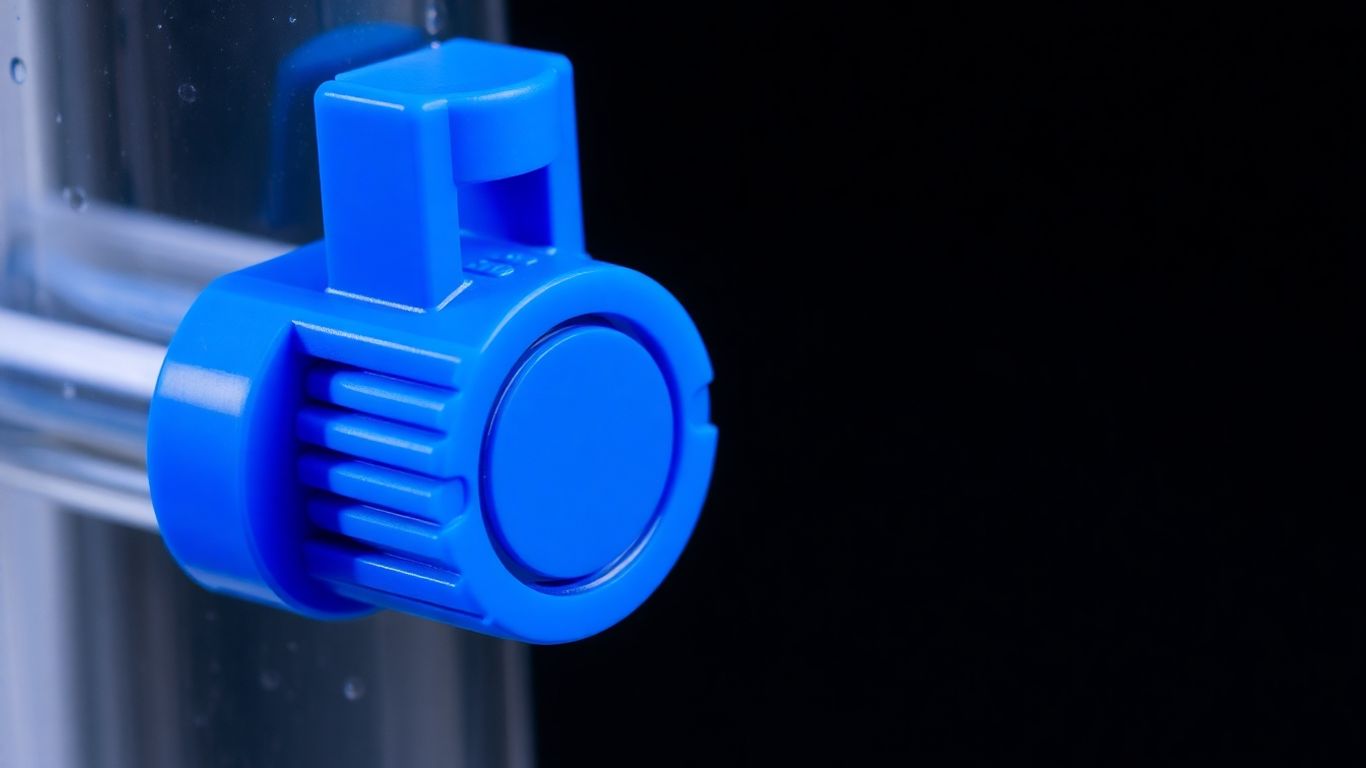
Modern security seals are more than just a piece of plastic; they’re sophisticated tools designed for specific jobs. When we talk about seals for water systems, a few things really stand out.
Customization Through Color and Markings
Think about it: a tanker truck carrying, say, purified drinking water might need a different kind of seal than one carrying industrial wastewater. That’s where color coding comes in. Using distinct colors for different types of loads or destinations makes it super easy to tell things apart at a glance. It’s not just about looks; it can prevent mix-ups, which, in water transport, could be a big deal. Beyond color, the markings on a seal are important too. You can get serial numbers, barcodes, or even company logos printed on them. This helps keep track of where each seal went and who applied it. This level of detail is key for accountability and tracking.
Readability for Tracking and Compliance
Being able to read the markings on a seal easily is a pretty big deal. If you’re trying to track a shipment or check if everything is above board, you don’t want to be squinting at faded numbers. Modern seals are made with printing methods that last, so those serial numbers or barcodes stay clear. This makes logging seal information much faster and reduces the chance of mistakes. For industries that have strict rules to follow, like ensuring water quality for food production or medical use, clear markings mean you can prove you’re meeting those standards. Some seals can even have special codes that link up with digital tracking systems, making the whole process smoother.
Material Durability and Resistance
Water systems can involve some pretty tough conditions. Seals need to hold up. They’re often made from strong plastics designed to resist breaking, weathering, and even attempts to tamper with them. You don’t want a seal falling apart because of a little rain or extreme temperatures. The materials used are chosen to show clear signs of tampering if someone tries to mess with the seal. This means if a seal looks like it’s been fiddled with, you know there’s a problem. It’s all about making sure the seal does its job: protecting the integrity of the water it’s guarding.
The goal of a good security seal is to provide a clear, visible indication if unauthorized access has occurred. This isn’t just about preventing theft; it’s about maintaining the safety and quality of the product being protected, especially when that product is something as vital as water.
Types of Seals for Water Systems
When it comes to keeping water safe and secure, especially during transport or at the source, the right kind of seal makes all the difference. It’s not just about locking something up; it’s about having a clear signal if someone’s tried to mess with it. Different parts of the water system need different tools for the job.
Plastic Strap Seals for Tankers
These are probably what you picture when you think of security seals on trucks. They’re basically a plastic band with a locking mechanism at one end. You loop it through a hasp or around a valve handle, pull it tight, and it clicks shut. Once it’s on, you can’t get it off without breaking it. This is super important for water tankers, whether they’re carrying drinking water for a town or water for a construction site. It shows that the water hasn’t been tampered with or contaminated on its journey from the source to where it’s needed. They come in different lengths and strengths, and you can often get them in specific colors or with your company’s logo printed on them, which helps with tracking and makes them harder to fake.
Meter Seals for Water Measurement Devices
Water meters, the things that track how much water you use at home or in a business, also need protection. Meter seals, often called twist seals or anchor seals, are used to secure the meter itself. They prevent unauthorized people from messing with the meter’s readings or from bypassing it altogether. These seals are usually smaller and designed to fit snugly around the meter’s housing or specific access points. They’re built to be tough enough to withstand the environment but also easy to break when a utility worker needs to access the meter for maintenance or replacement. They’re a small but vital part of preventing water theft and ensuring accurate billing.
Sanitary Well Caps for Water Source Protection
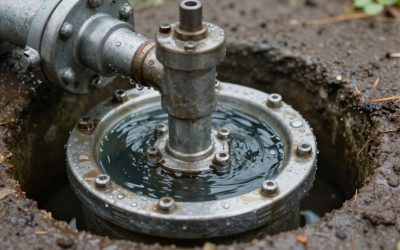
For the actual source of the water, like a private well, sanitary well caps are the go-to. These aren’t like the plastic seals you break. Instead, they’re designed to fit securely over the wellhead, creating a barrier against insects, dirt, surface water, and anything else that could contaminate the groundwater. They often have a locking mechanism, but their main job is to provide a watertight seal. Think of it as a secure lid that keeps the well clean and protected from the outside world. This is critical for maintaining the quality of water right from the start, especially for homes or businesses relying on well water.
Benefits of Tamper-Evident Seals
Using tamper-evident seals on water systems isn’t just about following rules; it actually makes things run smoother and safer. Think about it – when you know a seal hasn’t been messed with, you can trust the water inside is what it’s supposed to be. This saves a lot of headaches down the line.
Enhancing Operational Efficiency
Tamper-evident seals really help keep things moving. When you can quickly see if a seal is intact, you don’t have to spend extra time checking or worrying. This is especially true with color-coded seals. For instance, a tanker carrying potable water might have a blue seal, while one with treated water could have a green one. This visual cue lets handlers know what they’re dealing with right away, cutting down on mix-ups and speeding up loading and unloading.
- Quick Identification: Bright colors and clear markings mean staff can identify contents or status at a glance.
- Reduced Errors: Visual checks minimize mistakes in handling, storage, and distribution.
- Streamlined Processes: Less time spent on manual inspections means more time for actual work.
Reducing Risk of Theft and Tampering
Let’s be honest, nobody wants their water supply messed with. Seals act as a clear warning sign. If someone tries to break one, it’s obvious. This deters people from trying to steal water, tamper with it, or introduce contaminants. It’s a simple but effective way to protect valuable resources.
The presence of a visible, unbroken seal provides a psychological deterrent against unauthorized access. It signals that the integrity of the contents is being actively monitored and protected.
Maintaining Safety Standards
This is probably the most important part, especially when it comes to drinking water or water used in sensitive industries like food production or healthcare. Tamper-evident seals give you confidence that the water hasn’t been compromised. This is vital for public health and for businesses that rely on pure water to meet their own quality standards and avoid costly recalls or penalties.
| Application Area | Potential Risk Without Seals | Benefit of Tamper-Evident Seals |
|---|---|---|
| Municipal Water Supply | Contamination, theft | Public health protection |
| Food & Beverage Industry | Product spoilage, adulteration | Quality assurance, brand trust |
| Industrial Processes | Process disruption, damage | Operational reliability |
Choosing the Right Sealing Solution
So, you’ve figured out that tamper-evident seals are pretty important for keeping your water systems secure. That’s great! But now comes the tricky part: picking the exact right one. It’s not just about grabbing any old plastic thing; there are a few things to think about to make sure you’re not wasting money or, worse, not actually getting the security you need.
Cost-Effective Options for High-Volume Use
If you’re dealing with a lot of tanks, like in a busy tank wash operation or a fleet of water tankers, the cost of seals can really add up. Imagine needing a new seal for every single tank that gets cleaned, or for every delivery. It’s thousands of seals a year, easy. You need something that works well without breaking the bank. This is where affordable plastic strap seals really shine. They offer good tamper evidence and can be customized, but at a price that makes sense when you’re buying in bulk. It’s all about finding that sweet spot between price and performance, so you’re not overspending on seals you’ll just be cutting off later.
Reliability and Manufacturer Reputation
When you’re choosing seals, especially for something as important as water, you can’t afford for them to fail. You need to trust that the seal will stay put and show clearly if someone’s messed with it. That’s why looking into who makes the seals is a good idea. Companies that have been around for a while, maybe have certifications like ISO 9001, and are part of industry groups often have a track record you can count on. It’s like buying a tool – you want one that’s built to last and from a company that stands behind its products. A solid reputation usually means they’ve got their quality control dialed in.
Meeting Regulatory and Industry Standards
Depending on what your water is used for – maybe it’s for drinking, or for food processing, or even for industrial chemicals – there might be specific rules you have to follow. These rules often dictate what kind of seals you need to use, or at least what features they must have. For instance, some industries might require seals with specific markings, like serial numbers or barcodes, to keep track of everything. Others might have rules about the materials used. Always check what the regulations are for your specific situation before you settle on a seal. Getting this wrong could lead to fines or, even more importantly, compromise the safety of the water itself.
Wrapping It Up
So, when you really think about it, those simple plastic seals are doing a lot more than just keeping things closed. They’re like the silent guardians of our water, making sure what goes in stays clean until it gets to us. From the big tanker trucks carrying water to where it’s needed, to the meters that measure our usage, these seals are a small but important part of keeping everything honest and safe. It’s not the flashiest tech out there, but it gets the job done, protecting a resource we all depend on. Pretty neat, huh?
Frequently Asked Questions
What exactly are tamper-evident seals?
Tamper-evident seals are like special stickers or locks that show clearly if someone has tried to open something they shouldn’t have. Once they’re on, if someone messes with them, the seal breaks or changes in a way that’s easy to see, letting you know tampering occurred.
Why are these seals important for water systems?
In water systems, these seals are super important for making sure the water stays clean and safe. They help prevent anyone from adding bad stuff to the water or taking it without permission, especially when water is being moved in trucks or stored in tanks.
Can you explain the different kinds of plastic seals?
There are a few main types. Some are like plastic straps that you pull tight and they lock, good for trucks. Others are like small plastic padlocks. There are also meter seals for things like water meters, and special caps for wells that keep out dirt and animals.
How do seals help keep water safe in trucks?
When water is transported in trucks, seals are put on the hatches and valves. If the seal is broken when it arrives, it means someone might have opened it and possibly contaminated the water. This helps ensure the water is pure when it gets to where it’s going.
Are there ways to make these seals even more secure?
Yes! Seals can be made in bright colors to make them easy to spot. They can also have unique numbers, barcodes, or even company logos printed on them. This makes it easier to track them and harder for fake ones to be used.
What should I look for when choosing a seal for my water needs?
You should think about how much they cost, especially if you need a lot. It’s also important to pick seals from a company that makes reliable ones and makes sure they meet any rules or standards for water safety. A good seal should be strong and clearly show if it’s been tampered with.