You know, keeping your water safe is a big deal. It’s not just about making sure it tastes good, but also about knowing that nobody’s messed with it. That’s where these tamper-evident well seals come in. They’re like a security blanket for your water source, giving you that extra bit of confidence that everything is as it should be. We’re talking about Peace of Mind with Secure Tamper-Evident Well Seals, and it’s simpler than you might think to get that peace of mind.
Key Takeaways
- Tamper-evident seals show clearly if someone has tried to access your well, acting as a strong warning to potential vandals.
- Choosing the right seal means looking at what it’s made of, how well it seals, and if it meets any local rules.
- Putting seals on correctly and checking them regularly is super important for them to actually work.
- These seals help keep your water clean by blocking out dirt, bugs, and other bad stuff from getting in.
- Using these seals helps protect your water source and gives you, and your customers, a real sense of security.
Understanding The Importance Of Secure Well Seals
Why Tamper-Evident Seals Are Essential
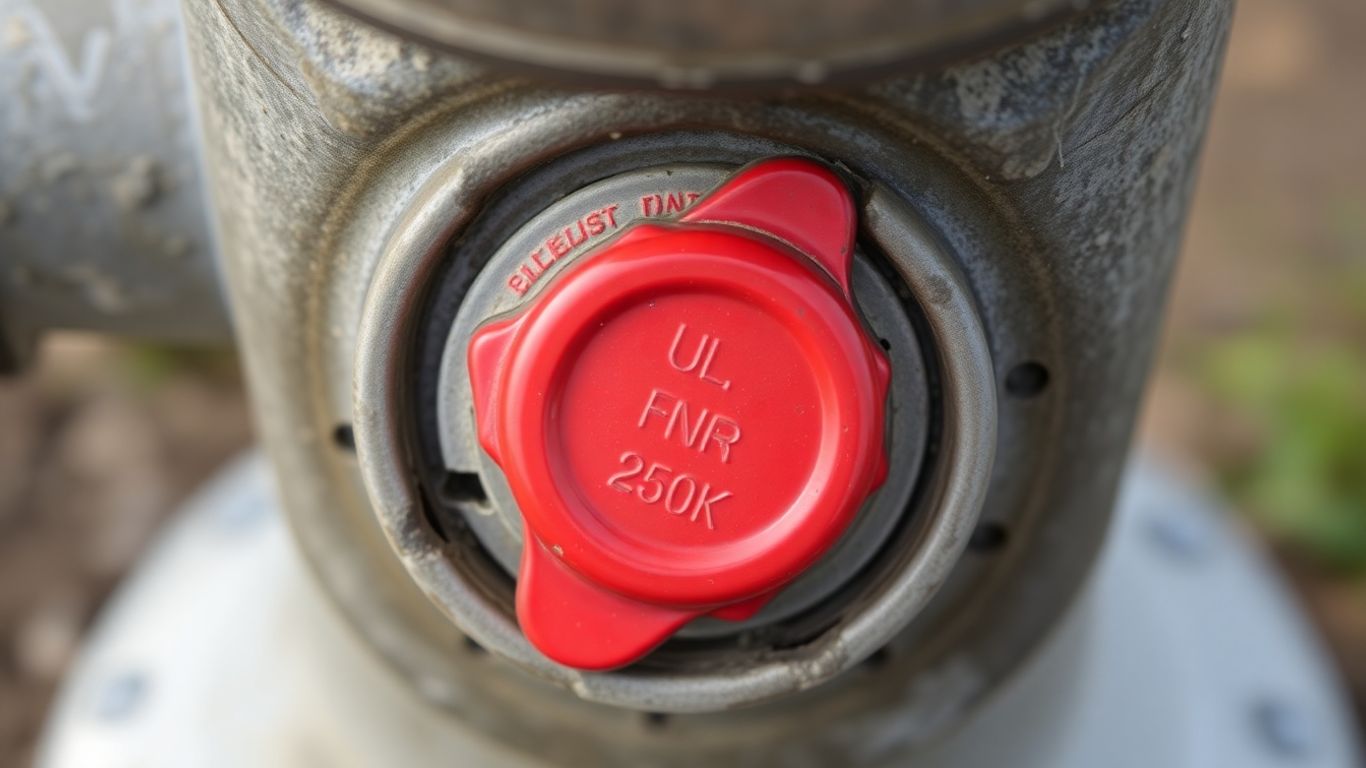
Think about your well. It’s a direct line to a really important resource: your water. Whether it’s for drinking, farming, or just general use, keeping that water clean and safe is a big deal. But sometimes, wellheads can be left a bit exposed, and that’s where problems can start. We’re not just talking about accidental contamination from leaves or bugs, though that’s bad enough. We’re also talking about the possibility of someone messing with it on purpose. That’s why tamper-evident seals are so important. They’re like a simple lock that shows you right away if someone has been messing around where they shouldn’t have been. It’s a clear signal that your water source has been accessed, giving you a heads-up before any potential issues get serious.
Deterrence Against Unauthorized Access
Honestly, most people aren’t looking to cause trouble. But having a visible security measure, like a tamper-evident seal, can really make someone think twice. It’s like putting a "Beware of Dog" sign on your fence – even if you don’t have a dog, the sign itself might be enough to make someone reconsider trying to climb over. For wells, these seals act as a visual deterrent. They signal that the well is protected and that any unauthorized entry will be obvious. This simple step can significantly reduce the chances of vandalism or intentional contamination, keeping your water supply safer.
Ensuring Water Purity And Integrity
At the end of the day, it all comes down to the quality of your water. A secure well seal does more than just prevent someone from opening it up. It helps maintain the integrity of your water source against a range of threats. This includes keeping out not just people, but also environmental contaminants like dirt, insects, and other debris that can easily find their way into an unsecured well. By using a good seal, you’re adding a solid layer of protection that helps keep your water pure from the source all the way to your tap. It’s a proactive step that contributes to healthier water for everyone who relies on it.
Key Considerations For Choosing The Right Well Seals
Picking the right well seal isn’t just about grabbing the first one you see. You’ve got to think about a few things to make sure it actually does the job it’s supposed to do. It’s like choosing the right lock for your house – you wouldn’t just pick any old thing, right? You want something that fits well and is tough to break.
Material Durability And Environmental Resistance
First off, what’s the seal made of? It’s going to be out there in the elements, day in and day out. You need something that can handle sun, rain, maybe even freezing temperatures, without falling apart. Some plastics get brittle when it’s cold, and others can break down if they’re always in direct sunlight. Look for materials that are known to last and won’t degrade easily. This is about making sure your seal stays effective for the long haul, not just a few months.
Seal Fit And Closure System Effectiveness
Does the seal actually fit your well cap properly? A loose fit means it’s not going to do much good. The closure system is also important. How does it seal? Is it a simple snap, a twist, or something else? You want a closure that’s secure and doesn’t have obvious weak points. A good seal should feel snug and look like it’s meant to be there, not like an afterthought.
Assessing The Required Security Level
How much protection do you really need? Are you in an area where vandalism is a concern, or is it more about keeping out dust and bugs? Different seals offer different levels of security. Some are designed to show obvious signs of tampering, while others are more about creating a physical barrier. Think about what you’re trying to prevent. For most homeowners, a visible tamper-evident seal is a good middle ground.
Compliance With Country-Specific Regulations
This is a big one, especially if you’re dealing with public water systems or selling your property. Are there any local or national rules about what kind of well seals are allowed or recommended? Sometimes, there are specific standards that seals need to meet. It’s worth checking with your local water authority or a well professional to make sure whatever you choose is up to code. Ignoring this could lead to headaches down the line.
Choosing a well seal is a practical step towards safeguarding your water. It’s not overly complicated, but it does require a bit of thought about the environment, how it fits, and what level of security you’re aiming for. Don’t skip this part; it’s key to getting that peace of mind.
Implementing Best Practices For Maximum Seal Effectiveness
So, you’ve got your tamper-evident well seals, which is a great step. But just having them isn’t the whole story, right? You’ve got to use them right to actually get the peace of mind you’re looking for. It’s like buying a fancy lock for your shed – it’s only good if you actually use it and make sure it’s installed properly.
Proper Application Techniques
This is where things can go wrong if you’re not careful. Every seal is a little different, so the first thing you should always do is read the instructions that come with it. Seriously, don’t just toss them aside. They’ll tell you exactly how to get the best seal, like how much pressure to use or if you need to wait for something to dry or set. Getting the application right the first time is key to making sure the seal actually works when it’s supposed to. Think about it: a poorly applied seal might look okay, but it could be easy to peel off or might not show any signs of tampering if someone tries to mess with it.
Regular Inspection And Maintenance
Once your seals are on, you can’t just forget about them. You need to check on them now and then. How often depends on your situation, but a quick visual check every few months can catch a lot. Look for anything that seems off – is the seal still stuck on tight? Does it look like it’s been messed with, maybe torn or lifted at the edges? If you notice anything suspicious, it’s time to investigate. Keeping a simple logbook of when you checked and what you found can be really helpful too.
Establishing A Clear Chain Of Custody
This might sound a bit formal, but it’s really about knowing who’s been in contact with your well. If something does happen, and you need to figure out how, knowing who had access is super important. It doesn’t have to be complicated. Maybe it’s just a simple sign-in sheet for anyone who needs to access the well area, or a logbook where maintenance crews record their visits. This helps pinpoint potential issues and makes it easier to track down problems.
Educating Staff On Security Protocols
If you have people working around the well, they need to know why these seals are there and what to do with them. A quick training session can go a long way. Explain what the seals do, how to spot tampering, and what the procedure is if they find something wrong. When everyone understands the importance of security, they become an extra set of eyes and ears, making your whole system much stronger. It’s about building a team that’s aware and takes the protection of your water source seriously.
The Role Of Tamper-Evident Seals In Water Source Protection
When we talk about protecting our water sources, especially private wells, it’s not just about keeping the big, obvious stuff out. It’s also about making sure no one messes with the access point itself. That’s where tamper-evident seals really shine. They’re like a silent guard for your wellhead.
Protecting Against Physical And Environmental Threats
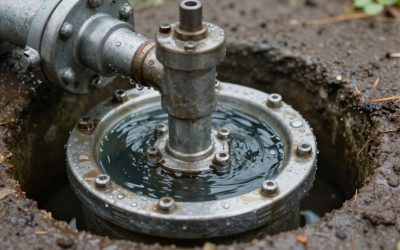
Think about what a wellhead is exposed to. Rain, dust, animals, maybe even just curious kids. A good tamper-evident seal, often part of a secure well cap system, acts as a physical barrier. It stops dirt and debris from falling directly into the water. It also makes it harder for small animals or insects to get in. This simple barrier is your first line of defense against contamination from the outside world. It’s not just about keeping things out; it’s about maintaining the integrity of the well structure itself against wear and tear from the elements.
Providing An Advanced Contaminant Barrier
Beyond just keeping out visible gunk, these seals play a role in preventing less obvious contaminants. When a seal is properly applied and remains intact, it helps limit the pathways that dissolved pollutants or airborne particles could take to reach your water. It’s a more sophisticated layer of protection than just a simple lid. It works to minimize the surface area where contaminants could potentially enter, keeping your water cleaner.
Offering A Visible Indication Of Tampering
This is the core function, right? If someone tries to open the well cap or access the well without authorization, the tamper-evident seal will show it. It might tear, leave a residue, or change color, depending on the type of seal. This visual cue is super important. It means you know immediately if something’s amiss. You don’t have to guess. This quick detection allows you to take action, like getting your water tested, before any potential contamination becomes a bigger problem. It gives you that peace of mind knowing that if something did happen, you’d likely know about it right away.
Here’s a quick look at what these seals help prevent:
- Unauthorized access for sampling or interference.
- Introduction of surface water runoff carrying pollutants.
- Entry of insects, rodents, or other small pests.
- Accidental or intentional introduction of chemicals.
- Damage to the wellhead components.
The visible nature of a tamper-evident seal acts as a strong deterrent. Potential wrongdoers are less likely to interfere with a well if they know their actions will be immediately obvious. This psychological effect is a significant part of the security these seals provide.
Partnering For Peace Of Mind With Advanced Well Security
When it comes to keeping your water source safe, you don’t have to go it alone. Think of well seals not just as a product, but as part of a bigger security picture. Working with the right people can really make a difference in how secure you feel about your water.
Choosing Seals For Added Customer Value
For those who install wells or maintain them professionally, offering a tamper-evident seal like WellSeal can be a real selling point. It’s a simple addition that shows you care about the long-term safety of the water supply. Imagine telling a new homeowner, "We’ve not only installed your well, but we’ve also sealed it to show you if anyone messes with it." That’s a great way to build trust and provide a service that goes beyond the basic installation. Plus, you can even get your company logo printed on the seals. It’s a small touch, but it acts as a constant reminder of who secured their water and who to call if they ever need help.
Collaborating With Security Solution Providers
Sometimes, you need more than just a seal. Partnering with companies that specialize in water security solutions means you get access to a wider range of knowledge and products. These providers often have a deep understanding of the threats wells face, from accidental contamination to deliberate tampering. They can help you assess your specific risks and recommend the best combination of seals, caps, and other protective measures. It’s like having a security consultant for your well, making sure every angle is covered.
Achieving Peace Of Mind Through Proactive Measures
Ultimately, it all comes down to feeling confident that your water is safe. This confidence doesn’t just happen; it’s built through proactive steps. Regularly checking your seals, educating anyone who might interact with the well about its security, and keeping good records are all part of this. It’s about being prepared and taking action before a problem arises.
- Regularly inspect your well seals for any signs of damage or tampering.
- Keep a log of when seals were applied and by whom.
- Train any staff or family members on the importance of well security and what to do if a seal appears compromised.
Taking these steps transforms a simple well seal from just a piece of plastic into a vital component of your water safety plan. It’s about being vigilant and making sure your most important resource stays protected.
Final Thoughts on Well Security
So, we’ve talked a lot about why keeping your well sealed up tight is a good idea. It’s not just about stopping someone from messing with your water, though that’s a big part of it. It’s also about knowing for sure that your water source is clean and hasn’t been messed with. Using something like a WellSeal is pretty straightforward, and it gives you that extra bit of confidence. Think of it as a simple step that makes a real difference in protecting something as important as your drinking water. It’s a small effort that can lead to a lot of peace of mind, for you and for anyone who relies on that water.
Frequently Asked Questions
Why are tamper-evident well seals so important for my water source?
These seals act like a security guard for your well. They show clearly if someone has tried to mess with it, helping keep your water clean and safe from dirt or anything else that could make it unhealthy. It’s like a visible ‘do not disturb’ sign for your water.
What makes a well seal ‘tamper-evident’?
A tamper-evident seal is designed to show obvious signs of being opened or messed with. If someone tries to remove or break it, it will leave a clear mark, like a tear or a change in appearance. This way, you know right away if your well’s security has been compromised.
Can these seals really stop people from messing with my well?
Yes, they act as a strong warning. Just seeing a seal makes most people think twice before trying to tamper with your well. It’s a simple but effective way to discourage unauthorized access and protect your water supply from vandalism or accidental contamination.
What should I look for when choosing a well seal?
You’ll want a seal made from tough stuff that can handle different weather, like heat, cold, and rain. It needs to fit snugly around the well opening without any gaps. Also, think about how easy it is to put on and how much security you really need for your specific well.
How do I make sure the well seal works its best?
Applying it correctly is key! Always follow the instructions. It’s also a good idea to check on your seals now and then to make sure they’re still in good shape. Keeping track of who has access to the well area can also help maintain security.
Are there any rules I need to follow for well seals in my country?
It’s smart to check. Some places have specific rules about how water sources should be secured, especially if you’re dealing with certain types of products or regulations. Making sure your seal meets any local or national standards is important for compliance.