Keeping our water safe is a big deal, right? Especially for towns and cities that rely on wells for their water. It’s not just about making sure the water tastes good; it’s about stopping bad stuff from getting in. This is where those tamper-proof well seals come into play. They might seem simple, but these seals are actually a pretty smart way to protect our water sources from all sorts of trouble, from accidental spills to someone trying to mess with things they shouldn’t. Let’s look at how municipalities use tamper-proof well seals for water security.
Key Takeaways
- Tamper-proof well seals act as a first line of defense, stopping unauthorized people or things from getting into important water sources.
- These seals help keep the water clean by blocking out dirt, animals, and chemicals that could make people sick.
- Using these seals makes it harder for vandals or saboteurs to damage water infrastructure, which keeps everyone safer.
- Modern seals can have extra features like special locks or sensors that let officials know if someone has tried to open them.
- Properly installing and checking these seals regularly is important to make sure they do their job of protecting our water supply.
Securing Municipal Water Sources
Municipal water systems are the backbone of public health and safety, and protecting them is a big deal. Think about it – these are the pipes and wells that deliver clean water to our homes and businesses every single day. Keeping these sources safe from anything that could mess them up, whether it’s accidental or on purpose, is super important. We need to make sure our water supply stays clean and available for everyone.
Preventing Unauthorized Access to Critical Infrastructure
It’s not just about keeping people out; it’s about stopping anything that could harm the system. This includes everything from curious kids to people with bad intentions. Unauthorized access can lead to all sorts of problems, like equipment damage, contamination, or even shutting down the whole system. We’re talking about things like wellheads, pump houses, and treatment facilities – all key spots that need to be locked down.
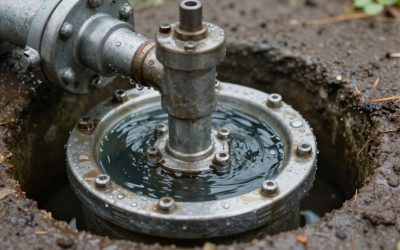
- Wellheads: These are the entry points to underground water. Keeping them sealed prevents anything from falling in or being dumped into the water source.
- Pump Houses: These buildings contain vital machinery. Locking them stops tampering with pumps, electrical systems, or chemical treatment equipment.
- Treatment Plants: While larger facilities have more security, smaller, remote treatment points also need protection from unauthorized entry.
Protecting these points isn’t just about physical barriers; it’s about a layered approach to security that makes it difficult for anyone to cause trouble.
Enhancing Public Safety Through Secure Access Points
When water sources are secure, public health is better protected. Imagine a scenario where someone intentionally contaminates a water well. The consequences could be widespread and severe, leading to illness or even death. By using secure access points, like tamper-evident seals on well caps, municipalities create a barrier against such threats. This also helps in meeting strict regulations set by health departments, which are designed to keep our drinking water safe.
Safeguarding Against Terrorism and Sabotage
In today’s world, the threat of terrorism and sabotage is something we can’t ignore, even when it comes to something as basic as water. Water systems are critical infrastructure, and disrupting them could have devastating effects on a community. Tamper-proof seals and robust locking mechanisms act as a deterrent. They make it harder for malicious actors to gain access and cause damage. It’s a proactive step that adds a layer of defense to our water supply, giving officials peace of mind and a better chance to detect any attempts at interference before they become major problems.
The Role of Tamper-Proof Seals in Water Security
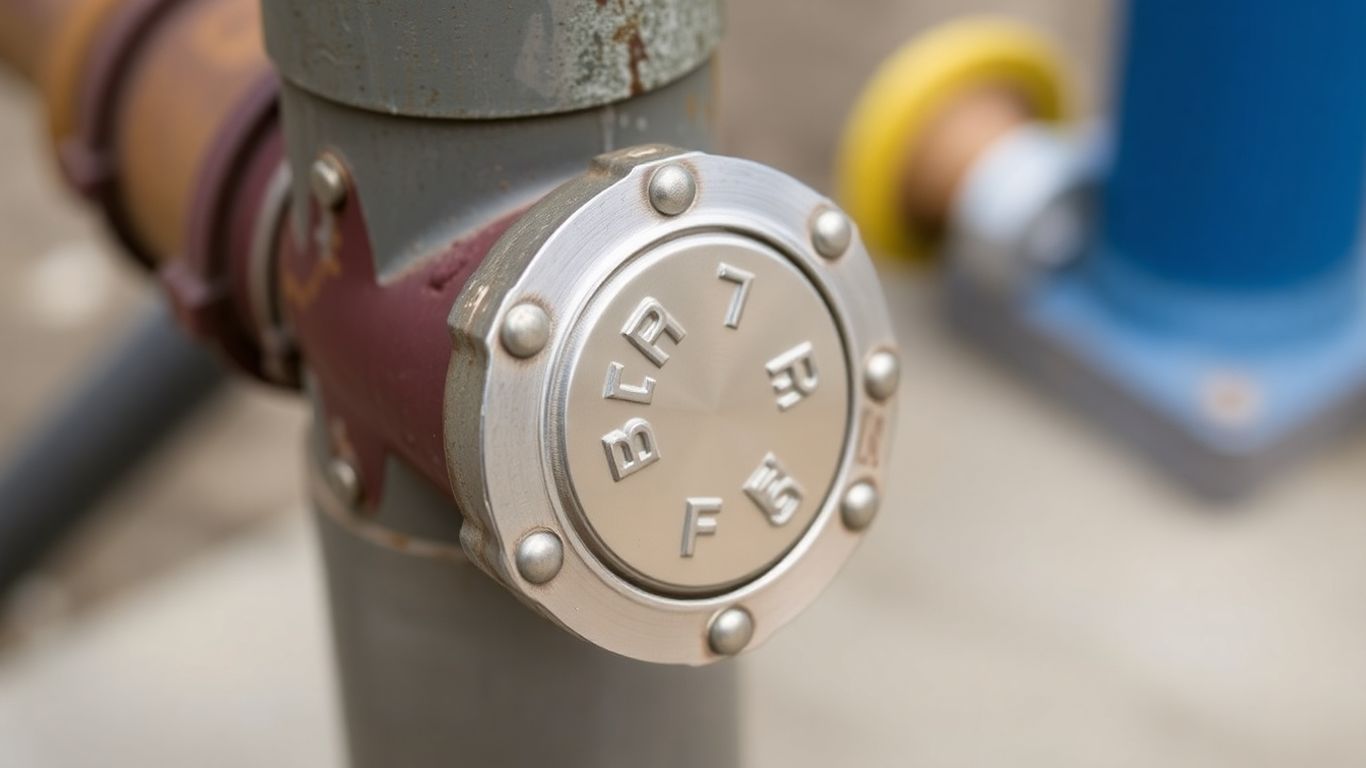
When we talk about keeping our water safe, especially from wells that feed entire towns, we’re not just thinking about keeping the water clean. We also need to think about who can get to the well itself. That’s where tamper-proof seals come in. They’re like a security guard for your wellhead, making sure no one unauthorized can mess with it.
Ensuring Water Quality Through Effective Sealing
Think about it: a well is a direct line to our drinking water. If someone can easily open it up, they could dump anything in there – trash, chemicals, you name it. Tamper-proof seals create a physical barrier that stops this from happening. They’re designed so that if someone tries to open the well cap without permission, the seal breaks or shows clear signs of tampering. This immediately tells the water authority that something’s wrong, allowing them to check the water quality and find out what happened. It’s a simple but effective way to maintain the purity of the water supply right from the source.
Protecting Against Contamination and Intrusion
Beyond just deliberate contamination, these seals also stop accidental contamination. Rainwater, dirt, or even small animals can find their way into an unsecured well, introducing all sorts of unwanted stuff. Seals prevent this. They also stop people from accessing the well for other reasons, like stealing equipment or vandalizing the site. It’s about keeping the whole system secure and preventing any unwanted entry.
Deterring Vandalism and Illicit Activities
Let’s be honest, sometimes people do bad things just because they can. If a well cap is easy to lift, it might attract vandals or people looking to cause trouble. A visible, sturdy tamper-proof seal acts as a strong deterrent. It signals that the area is monitored and protected, making it a less attractive target for mischief or more serious illegal actions. It’s a proactive step that helps keep municipal water infrastructure safe and reliable for everyone.
Benefits of Tamper-Evident Well Seals
When it comes to keeping our water safe, those tamper-evident well seals are more than just fancy lids. They actually do a lot to keep things running smoothly and securely. Think of them as the first line of defense for something incredibly important.
Maintaining Infrastructure Integrity
These seals are pretty straightforward in how they help. By physically blocking unauthorized access, they stop people from messing with the wellhead itself. This means less chance of accidental damage from someone poking around, or worse, deliberate vandalism. It helps keep the physical structure of the well sound, which is pretty important if you want it to keep working for years to come. It’s like putting a lock on your house – it’s not foolproof, but it makes things a lot harder for anyone with bad intentions.
Reducing Risk of Waterborne Disease Outbreaks
This is a big one. A well that isn’t properly sealed can let all sorts of nasty stuff in. We’re talking about surface runoff, animal waste, insects, and all sorts of debris. If that gets into the water supply, it can lead to some serious health problems. Tamper-evident seals, especially those with good gaskets, create a barrier that stops this kind of contamination. This directly helps prevent outbreaks of waterborne diseases, which can spread quickly and cause a lot of sickness.
Supporting Regulatory Compliance and Audits
Water systems, especially municipal ones, have a lot of rules they have to follow. Health departments and environmental agencies want to know that the water is safe and that the systems are being managed properly. Having tamper-evident seals in place makes it easier to show that you’re taking security seriously. During an audit, you can point to these seals as proof that unauthorized access is being prevented and that the water source is protected. It simplifies the process and shows you’re doing your due diligence. It’s one less thing for officials to worry about when they’re checking up on things.
Advanced Features and Materials
Corrosion-Resistant Composites for Durability
When we talk about keeping our water sources safe, the materials used for well seals really matter. Think about it: these seals are out in the elements all the time, dealing with rain, sun, and sometimes even salty air or chemicals. That’s why municipalities are increasingly looking at advanced materials like fiberglass-reinforced polymer (FRP). FRP is super strong, kind of like metal, but it doesn’t rust or corrode. This makes it a great choice for areas near the coast or where there might be industrial runoff. Plus, it’s lightweight, which makes installation a bit easier. The key is choosing materials that can stand up to the environment without breaking down.
Tamper-Proof Locks with Audit Trails
Beyond just a strong seal, the locking mechanism itself is a big deal. We’re seeing more and more seals that come with specialized locks. These aren’t your average padlocks; they’re designed to be difficult to pick or force open. Some even have audit trails. What does that mean? It means the lock can record when it was opened and by whom, if it’s a keyed system. This adds a whole new layer of accountability. If something goes wrong, you can trace it back. It’s like a security camera for your well cap.
Integration with IoT Sensors for Real-Time Monitoring
This is where things get really modern. Some of the newer well seals can be hooked up with what they call IoT sensors. IoT stands for Internet of Things, basically devices that can connect to the internet. These sensors can monitor things like water levels, temperature, or even if the seal has been tampered with. This information is sent straight to the water utility’s control center in real-time. So, if someone tries to mess with the well, or if there’s a sudden change in water conditions, officials get an alert immediately. It’s a proactive way to manage water security.
Here’s a quick look at some common materials and their strengths:
| Material Type | Durability | Security Level | Best For |
|---|---|---|---|
| Plastic (HDPE/PVC) | Moderate | Low to Medium | Residential, non-critical wells |
| Stainless Steel | High | High | Commercial, industrial, high-traffic areas |
| Fiberglass (FRP) | Very High | High | Marine, chemical, potable water systems |
| Concrete | Very High | High (weight) | Municipal, agricultural, permanent sites |
Choosing the right material and lock isn’t just about keeping people out; it’s about making sure the water stays clean and safe for everyone. It’s a small part of a big system, but it plays a really important role.
Applications Across Sectors
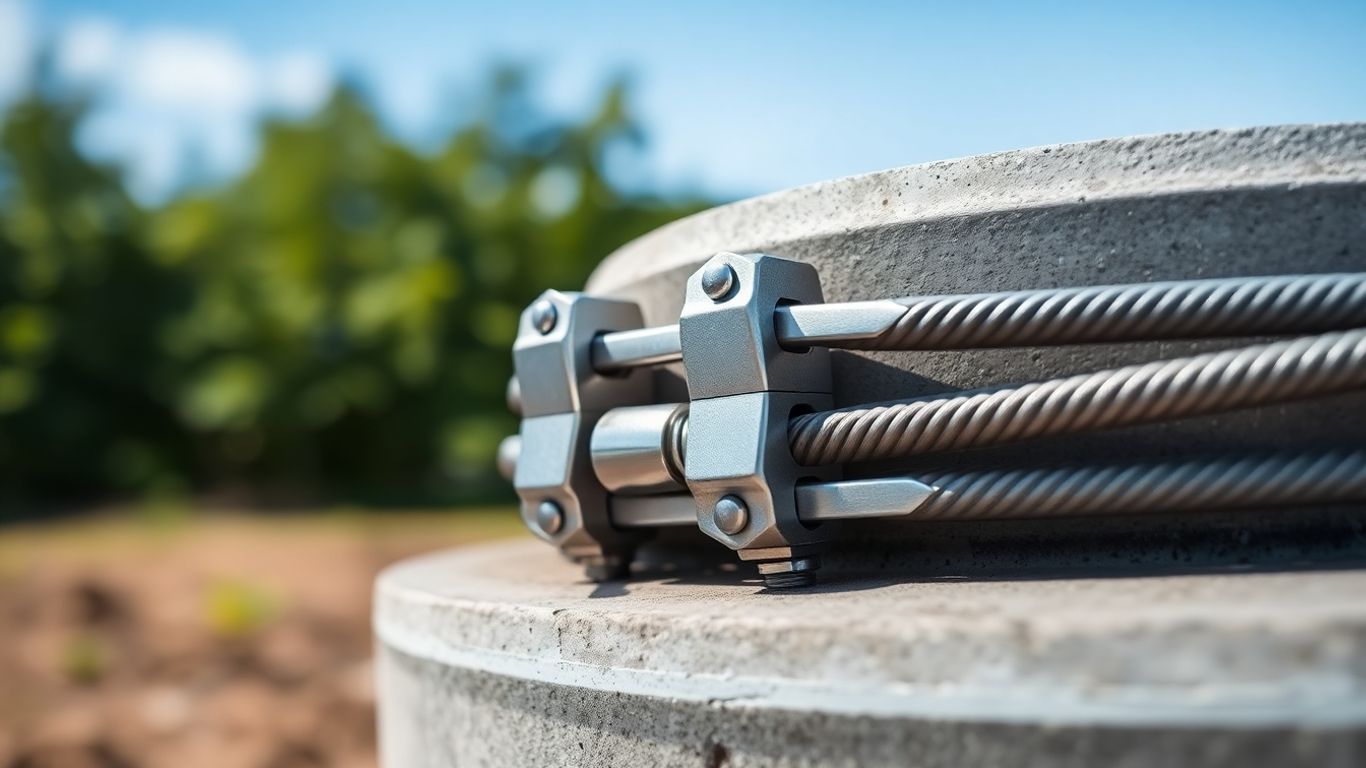
Municipal Water Systems and Public Utilities
For towns and cities, keeping the water supply safe is a huge job. Tamper-proof seals on wells and access points are like the first line of defense. They help make sure that only authorized people can get to critical parts of the water system. This isn’t just about stopping vandals; it’s about preventing anyone from messing with the water before it even gets to your tap. Think about it – a simple seal can stop someone from dumping something harmful into a well or damaging equipment. It’s a straightforward way to keep public health in check and meet all those regulations the government hands down.
Agricultural Operations and Irrigation Security
Farmers and large agricultural operations rely heavily on water, especially for irrigation. Protecting these water sources is key to making sure crops get watered when they need it, particularly during dry spells. Tamper-proof seals on irrigation wells stop unauthorized use, which can drain precious water resources. They also prevent contamination that could harm crops or end up in the food supply. For big farms, keeping their water systems secure means protecting their entire operation and their livelihood.
Industrial Facilities and Process Water Protection
Many industries use water for all sorts of things – cooling machinery, cleaning, or as part of their actual products. In these places, water quality and availability are super important for keeping things running smoothly. Tamper-proof seals on industrial water sources, like wells or storage tanks, prevent contamination that could ruin a manufacturing process or damage expensive equipment. They also help maintain safety standards and stop unauthorized access to areas where water is used for critical operations. Keeping these water systems locked down is just good business sense.
Installation and Maintenance Best Practices
Getting a tamper-proof well seal installed right and keeping it in good shape is super important. It’s not just about slapping it on and forgetting about it; there’s a bit more to it if you want it to actually do its job and last.
Proper Sizing and Material Selection
First things first, you gotta make sure the seal fits your well casing perfectly. Measuring is key here. Grab a tape measure and get the exact outside diameter of your well casing. You don’t want a seal that’s too big or too small – either way, it won’t seal properly, and that defeats the whole purpose. Think about the environment too. If you’re in a place with salty air or harsh chemicals, you’ll want materials that can handle that. Stainless steel or certain high-grade plastics are usually good bets for resisting corrosion. Using the wrong size or material is a common mistake that can lead to problems down the road.
Ensuring a Watertight and Secure Seal
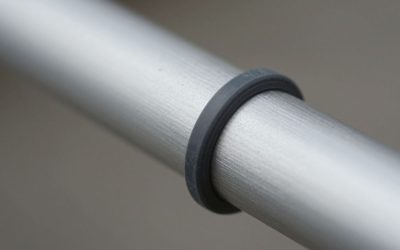
Once you’ve got the right seal, the installation needs to be spot on. Usually, there’s a gasket or a rubber seal that goes between the cover and the casing. Make sure that’s seated correctly and isn’t pinched or damaged. Sometimes, a bit of sealant around the edge helps create an extra barrier against water and critters. Don’t go crazy tightening everything down, though. Overtightening can actually warp the seal or the casing, creating tiny gaps that water can sneak through. The goal is a snug, even fit all the way around.
Regular Inspection of Locking Mechanisms
This is where the "tamper-proof" part really comes into play. You need to check the lock and any other security features regularly. How often? Well, a good rule of thumb is to give it a look-over at least twice a year. Look for any signs of rust, damage, or if the mechanism is getting stiff. If you use a padlock, make sure it’s a good quality one designed for outdoor use. It’s also a smart idea to test the lock periodically to make sure it still works smoothly. If you notice any issues, don’t wait to fix them. A faulty lock is an invitation for trouble.
Here’s a quick rundown of what to look for during inspections:
- Physical Damage: Check the seal itself for cracks, warping, or any signs of wear and tear.
- Corrosion: Look for rust or pitting on metal parts, especially around the lock and hinges.
- Gasket Integrity: Make sure the rubber gasket is still pliable and hasn’t hardened or compressed too much.
- Fasteners: Ensure all bolts and screws are tight and haven’t loosened over time.
Keeping a simple logbook of your inspections and any maintenance you do can be really helpful. It’s a good way to track what’s been done and when, which can be useful for troubleshooting later on or if you ever need to show proof of maintenance for regulatory reasons.
Keeping Our Water Safe
So, when you think about keeping our water supply safe and sound, it’s not just about the big treatment plants. Those simple, tough seals on wells and access points? They’re doing a lot of heavy lifting. They stop unwanted stuff from getting in, whether it’s accidental or on purpose. It’s a pretty straightforward idea, but it makes a real difference in protecting public health and making sure our water stays clean. It’s one of those behind-the-scenes things that just works, keeping our communities safer, one well at a time.
Frequently Asked Questions
What exactly are tamper-proof well seals?
Think of tamper-proof well seals as special locks for water wells. They are designed to keep people from getting into the well who shouldn’t be there. If someone tries to open it without permission, the seal shows obvious signs of being messed with, like a broken piece or a changed color. This helps make sure only authorized people can access the water source.
Why do towns need to secure their water wells?
Towns need to keep their water wells safe for a few big reasons. First, it stops bad stuff from getting into the water, like dirt, chemicals, or even germs, which could make people sick. Second, it prevents anyone from messing with the water system on purpose, which could cause big problems. Keeping wells secure is all about making sure everyone has clean, safe drinking water.
How do these seals help keep water clean?
These seals act like a strong barrier. They stop rain, bugs, dirt, and other things from falling into the well. This is super important because if the well gets dirty, the water might not be safe to drink. By keeping the well opening sealed tight, the seals help maintain the water’s purity and prevent contamination.
Are these seals difficult to install?
Not usually! Most tamper-proof seals are made to be put on easily. The main things are making sure the seal fits the well correctly and that it’s put on tightly. It’s important to follow the instructions, but it’s generally a straightforward process that helps keep the well secure.
What happens if someone tries to break the seal?
If someone tries to break or remove the tamper-proof seal without authorization, it will show clear evidence that it’s been tampered with. This might be a broken plastic piece, a ripped label, or a lock that’s been forced. This visual cue alerts the authorities or maintenance crews that someone tried to access the well improperly, allowing them to investigate.
Can these seals be used on any type of well?
Tamper-proof seals are designed to work with many different kinds of wells, whether they are for a whole town, a farm, or even a factory. They come in different sizes and types to fit various well openings. The key is to pick the right seal that fits snugly and provides a secure closure for that specific well.