You know, it’s easy to overlook the little things in business, like those security seals you see on everything from vitamins to electronics. But honestly, they do more than just look official. They’re actually a pretty big deal when it comes to keeping customers happy and your products safe. This article dives into Why Security Matters The Protective Power of Well Seals, showing how these small additions make a real difference.
Key Takeaways
- Visible security seals give customers peace of mind, showing products haven’t been messed with before they buy them. This is especially true for things like health products or personal care items.
- Using seals on high-value or easily stolen items can really cut down on theft. If someone tries to mess with a seal, it usually makes the product unsellable, which isn’t worth the risk for them.
- Getting suppliers on board with sealing products right from the start helps keep things secure all the way through the supply chain, not just when it gets to your store.
- Training your staff to apply seals correctly and checking them regularly is important. It makes sure the seals actually work and helps build a culture of care about product integrity.
- Security seals are super useful for handling returns. They can show if a product has been used, which helps stop people from trying to return something they shouldn’t, while still keeping your return policies fair.
Enhancing Consumer Confidence Through Visible Security
Building Trust with Tamper-Evident Features
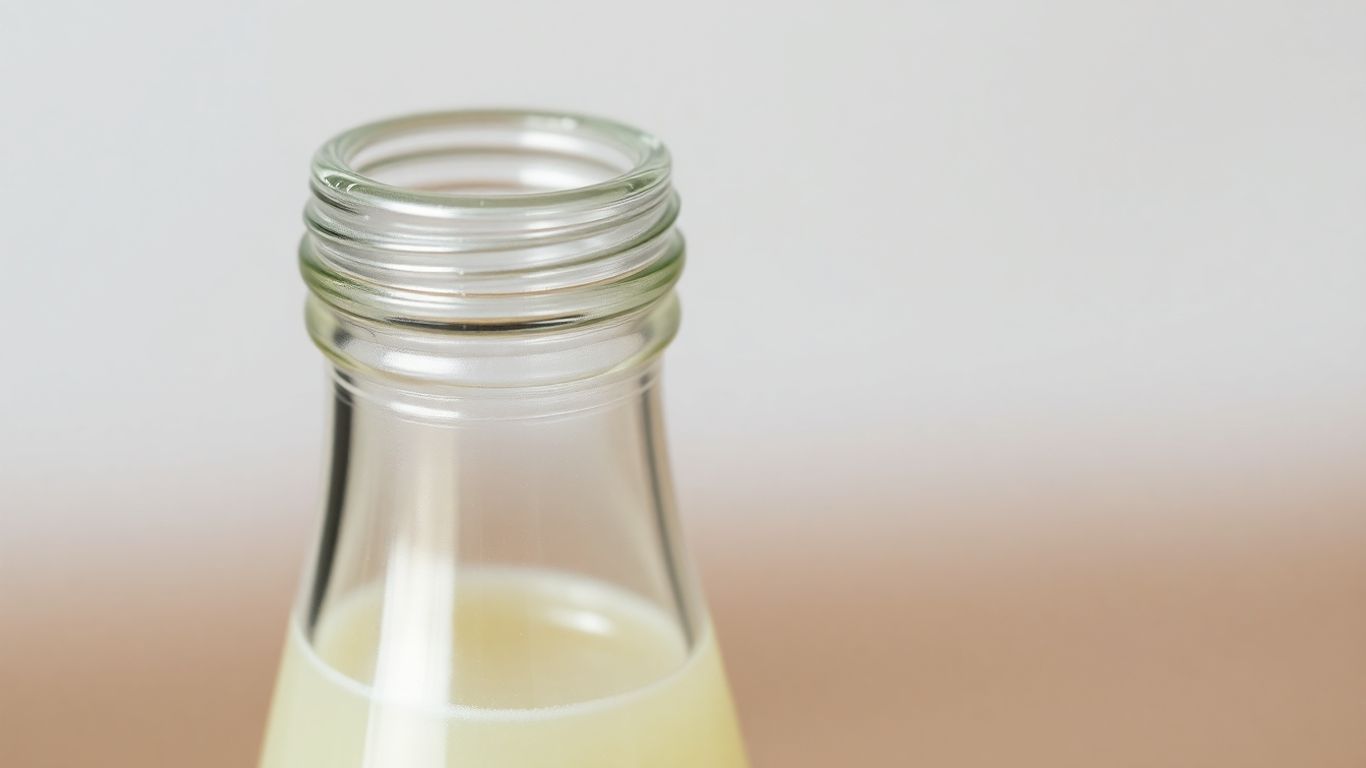
When customers pick up a product, they want to know it’s exactly as it should be – untouched and safe. That’s where tamper-evident seals really shine. They’re like a little flag saying, ‘Hey, this hasn’t been messed with since it left the factory.’ It’s a simple visual cue, but it makes a big difference, especially for things like health supplements, cosmetics, or even packaged foods. Seeing that seal intact gives people a sense of security, letting them know their purchase is genuine and hasn’t been exposed to anything it shouldn’t have been.
The presence of a visible security seal is often the first indicator of a product’s integrity for a consumer. It’s a silent promise from the brand that they care about what you’re buying.
The Reassuring Presence of Security Seals
Think about it: you’re in a store, looking at a product. If it has a seal, you instinctively feel a bit better about it. It suggests the manufacturer or retailer has taken extra steps to protect it. This isn’t just about preventing theft; it’s about building a relationship of trust. When a store consistently uses these seals, it shows they’re serious about quality and customer well-being. It’s a small detail that can really make a product stand out and feel more reliable.
Reinforcing Brand Authenticity and Consistency
Security seals can also be a subtle way to show off your brand. You can get them customized with your logo or company colors. This not only adds a professional touch but also makes your products instantly recognizable. It helps ensure that every item leaving your facility looks and feels consistent, reinforcing your brand’s identity. When customers see your unique seal, they know it’s the real deal, straight from you. It’s a way to maintain that brand promise from the production line all the way to the customer’s hands.
Strategic Application of Security Seals
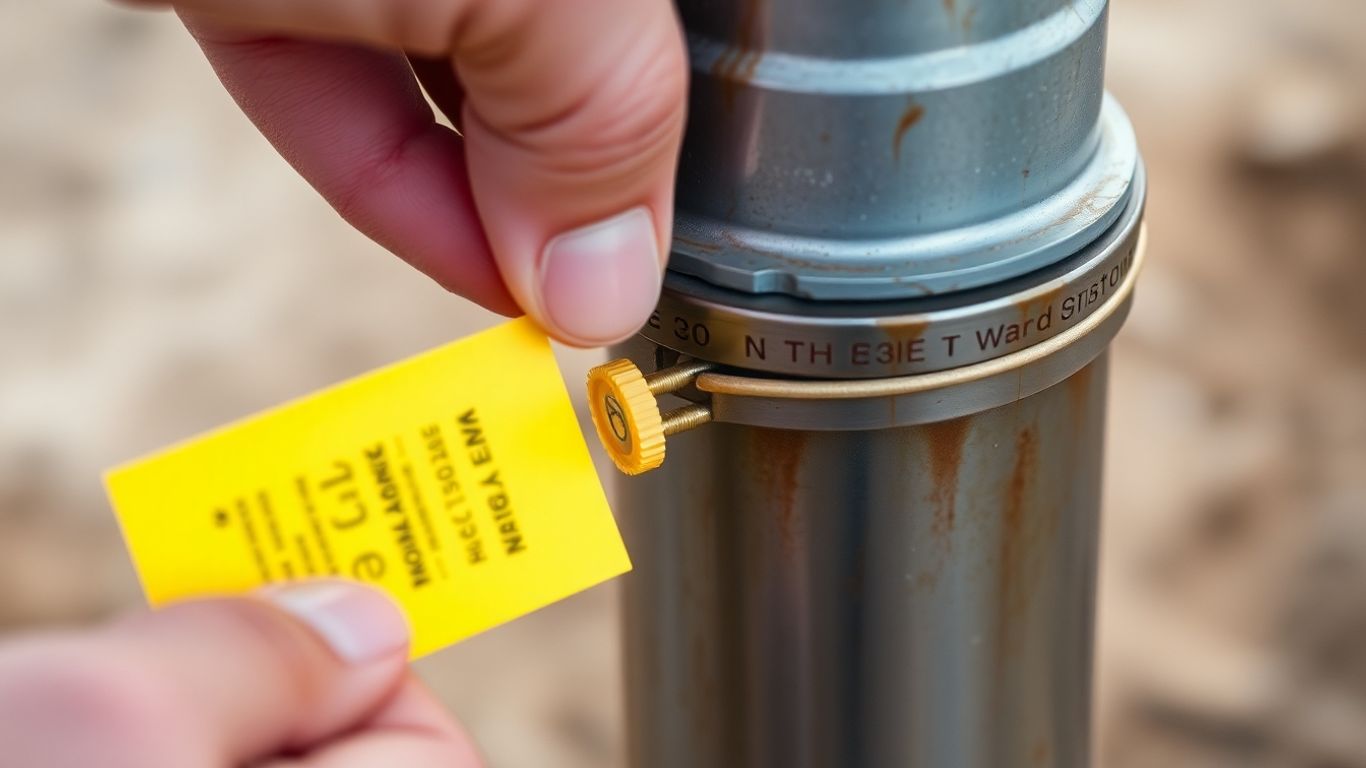
When it comes to protecting your products, just slapping a seal on anything and everything isn’t always the best approach. You’ve got to be smart about where and how you use them. Think of it like putting up a fence – you put it around what’s most important, right? The same goes for security seals.
Protecting High-Risk and High-Value Items
Some items just attract more unwanted attention. We’re talking about things like small electronics, expensive accessories, or limited-edition goods that are easy to pocket. For these products, a security seal acts as a pretty clear signal: ‘Hey, this is protected, and messing with it will be obvious.’ It’s not just about stopping a quick grab; if someone does try to mess with the seal, the damage often makes the item unsellable. That’s a pretty good reason for a potential thief to just walk on by.
- Electronics: Laptops, tablets, headphones, and gaming consoles.
- Accessories: Jewelry, designer bags, and high-end watches.
- Collectibles: Limited edition items, trading cards, and rare merchandise.
Using seals on these items doesn’t just deter theft; it also reassures legitimate customers that they’re getting a product that hasn’t been tampered with before purchase. It’s a win-win for security and customer trust.
Choosing the Right Seal for Every Product
Not all seals are created equal, and what works for a bottle of vitamins might not be right for a big piece of machinery. You need to match the seal to the product. A tiny, adhesive label might be perfect for a small cosmetic item, but for something like a tool kit or a piece of equipment, you’ll probably need a more robust plastic or metal seal. It’s about finding that balance where the seal offers good protection without damaging the product’s packaging or being too difficult to apply. Think about the material, the size, and how it attaches. Does it need to be cut off with scissors, or can it be easily pulled apart? The goal is to make tampering obvious.
| Product Type | Recommended Seal Type | Tamper Evidence Example |
|---|---|---|
| Small Electronics | Tamper-Evident Labels | ‘VOID’ residue |
| Apparel | Adhesive Security Seals | Irreversible tear |
| Pharmaceuticals | Flip-Top Caps / Shrink Bands | Broken seal |
| High-Value Goods | Bolt Seals / Cable Seals | Cut marks / Serial # |
Implementing Clear Tamper-Evident Indicators
The whole point of a security seal is that you can tell if it’s been messed with. If a seal leaves behind vague marks or can be removed and reapplied without anyone noticing, it’s not doing its job. You want seals that leave a clear, unmistakable sign of tampering. This could be text that appears when the seal is lifted, a material that tears in a specific way, or a seal that simply breaks apart. When customers and staff can instantly see that a seal is broken, it sends a strong message. It’s about making the evidence of tampering so obvious that it discourages anyone from trying in the first place.
Integrating Seals Into Retail Operations
Adding security seals to your store’s daily routine might seem like a small detail, but it really makes a difference in how things run. It’s not just about stopping people from messing with products; it’s about making your whole operation smoother and more trustworthy.
Streamlining Workflows with Sealing Protocols
Think about how your store gets new stock. When products arrive already sealed from the supplier, your team doesn’t have to spend as much time checking them over. They just need to make sure the seal is still in one piece. This saves time, especially if you get a lot of shipments or handle items that need careful handling. You can build these sealing checks right into the steps you already follow, like when you’re putting away new inventory or getting online orders ready for pickup. It becomes just another part of the job, not a big disruption.
Enhancing Accountability Through Operational Integration
When you tie the application or checking of security seals to specific tasks, it creates a clear line of who did what. For instance, if applying a seal is part of the process when an item is scanned into your inventory system, there’s a record. This helps cut down on losses from internal issues and makes your whole loss prevention effort stronger. Over time, staff get used to it, and it just becomes the standard way of doing things.
Staff Training for Effective Seal Application
Even though seals look simple, how they’re put on matters. If a seal isn’t placed correctly, it might not show if someone tampered with it, or it could fall off too easily. Training your staff means everyone knows exactly where the seal should go, how to press it down properly, and what to look for before a product goes out to the sales floor or to a customer. It’s about making sure the seals do their job.
Proper training ensures consistency. When everyone follows the same steps for applying and checking seals, you get reliable protection across all your products. This consistency builds confidence, both for your team and for your customers.
Here’s a quick look at how seals can fit into different parts of your operations:
- Receiving Shipments: Verify incoming goods by checking existing seals.
- Stocking Shelves: Apply seals to items that are restocked or moved.
- Online Order Fulfillment: Seal items before packaging for delivery or pickup.
- Processing Returns: Use seals to identify if a returned item has been opened or used.
- Inventory Checks: Regularly inspect seals as part of cycle counts.
Security Seals Across Diverse Industries
Securing Medical Equipment and Supplies
In healthcare, the stakes are incredibly high. A compromised medical supply or piece of equipment can have serious consequences for patient safety. That’s why security seals are a big deal here. Think about it: a seal on a sterile surgical kit or a medication cart tells everyone that the contents haven’t been messed with. It’s a simple visual cue that builds trust. Plastic padlock seals are common, often with unique codes or even write-on labels for specific departments or patients. They’re easy to use, affordable in bulk, and provide that immediate assurance. For tougher jobs, hasp seals with steel wire offer more resistance to tampering, while cable seals provide a robust barrier for high-value equipment.
Ensuring Integrity in Nutraceutical Products
Nutraceuticals, like vitamins and supplements, are all about health and wellness. Customers expect these products to be pure and untouched. A security seal on a bottle of vitamins or a jar of protein powder is a clear sign that the product is exactly as the manufacturer intended. It helps prevent issues like product substitution or contamination. This visible layer of protection reassures consumers that they are getting a genuine, safe product. When a seal is clearly marked with ‘VOID’ upon removal or tears irreversibly, it leaves no doubt about whether the product has been opened. This clarity is key for building confidence in products people ingest.
Safeguarding Sensitive Laboratory Samples
Laboratories handle all sorts of critical materials, from blood samples to research specimens. Maintaining the integrity of these samples is paramount for accurate testing and research outcomes. Security seals on sample containers, vials, or transport cases prevent unauthorized access or accidental contamination. They provide a verifiable record that the sample has remained secure from collection to analysis. This is especially important when samples are being shipped between facilities or stored for extended periods. The ability to quickly check if a seal is intact saves time and reduces the risk of costly errors or compromised data.
The Protective Power of Seals in Supply Chains
Collaborating with Suppliers for Enhanced Security
Security doesn’t just start when a product hits your shelves; it really begins much earlier, way back at the manufacturing stage. When you work closely with your suppliers to put sealing protocols in place, you gain a much better grip on things throughout the entire journey of a product. Manufacturers can apply seals right there on the production line. This cuts down on chances for anyone to mess with the product while it’s being shipped around.
Reducing Tampering Opportunities During Transit
Think about all the stops and starts a product makes from the factory to your store. Each transfer point, each warehouse, each truck ride is a potential moment for something to go wrong. Seals act as a clear signal: this package has been secured. If a seal is broken or looks off, it immediately tells you something might have happened. This visual cue is super important for keeping things honest. It’s a simple, yet effective, way to deter unauthorized access and keep products safe from being swapped out or damaged.
Verifying Product Integrity Upon Receipt
When your team receives shipments that are already sealed, checking them becomes a lot quicker. They just need to look to see if the seal is still in one piece. This speeds things up and means less handling, which is a big help for stores that get a lot of shipments or deal with delicate items. It’s a straightforward process that adds a solid layer of protection.
Here’s a quick look at how seals help during transit:
- Deterrence: Visible seals make potential tamperers think twice.
- Detection: A broken seal is an immediate red flag.
- Accountability: It helps pinpoint where issues might have occurred.
- Assurance: Confirms the product reached you in its original state.
Implementing a consistent sealing strategy with your suppliers means you’re building security in from the ground up. It’s about creating a chain of trust, where each link is visibly protected. This proactive approach helps prevent problems before they even reach your customers.
Addressing Returns and Preventing Fraud
Returns are a normal part of business, but they can also open the door to some tricky situations. Sometimes, people try to return items that have been used, altered, or even swapped with something else. This is where security seals really step up to the plate.
Using Seals to Support Return Policies
When a product comes back to the store, the first thing a staff member can do is check the seal. If the seal is still intact, it tells them the product likely hasn’t been tampered with or used extensively. This makes the return process much smoother and faster for everyone involved. It’s a simple visual check that adds a layer of confidence.
Deterring Fraudulent Returns with Tamper Evidence
Think about electronics or high-value goods. A seal that shows clear signs of tampering – like being torn, broken, or having ‘VOID’ text appear when removed – immediately signals that the item might not be the original, untouched product. This visual cue is a strong deterrent against people trying to pull a fast one. It helps protect the business from losses due to dishonest return practices.
Maintaining Fair Customer Policies with Clear Instructions
It’s not just about stopping fraud; it’s also about being clear with customers. Printing simple instructions on the seal or packaging about what constitutes a valid return can prevent misunderstandings. For example, a note like "Seal must be intact for return eligibility" sets expectations upfront. This transparency helps maintain good customer relations while still safeguarding the business. It’s about finding that balance between being customer-friendly and protecting your inventory.
- Clear visual indicators on seals make tampering obvious.
- Streamlined verification for store staff during the returns process.
- Reduced financial losses from fraudulent return claims.
- Improved customer trust through transparent policies.
Implementing a policy where security seals must remain unbroken for a return to be accepted is a straightforward yet effective way to manage the returns process. It provides a tangible piece of evidence that helps distinguish between legitimate returns and attempts at fraud, ultimately protecting the business’s bottom line and maintaining fairness for all customers.
The Bottom Line on Seals
So, we’ve talked a lot about how these little security seals can do a lot more than just sit there. They’re like a silent promise to your customers that the product they’re grabbing is just as it should be – safe and untouched. While no security measure is perfect, these seals add a really solid layer of protection. They help keep things honest, protect your brand’s good name, and honestly, just make the whole shopping experience feel a bit more trustworthy for everyone involved. It’s a small detail that makes a big difference.
Frequently Asked Questions
What exactly is a security seal and why is it important?
A security seal is like a sticker or a tag that you put on a product to show if someone has opened it before you. It’s important because it tells you that the item is safe, hasn’t been messed with, and is exactly what it’s supposed to be. This makes you feel more confident about buying it.
How do security seals help build trust with customers?
When customers see a security seal on a product, they immediately feel reassured. It’s a clear sign that the item is untouched and genuine. This is especially important for things like food, medicine, or electronics, where you want to be sure about the quality and safety.
Can security seals help protect valuable items in a store?
Yes, absolutely! Stores often use security seals on expensive items like electronics or designer goods. If someone tries to steal or tamper with these items, the seal will show obvious signs of being broken, which makes them harder to resell and discourages theft.
What should I do if I receive a product with a broken security seal?
If you get a product and the security seal is already broken or looks like it’s been tampered with, you should not accept it or use it. Contact the store or the company you bought it from right away to let them know. They should be able to help you get a replacement or a refund.
Are security seals used in industries other than retail stores?
Yes, they are used in many places! For example, hospitals use them to keep medicines and equipment safe, labs use them for sensitive samples, and companies use them to make sure products stay protected all the way from the factory to your home during shipping.
How do security seals help prevent fake or unwanted returns?
Stores sometimes put special seals on items that are hard to remove without breaking. If a customer tries to return an item that has been opened or used, the broken seal shows that it’s not in its original condition. This helps stores avoid giving refunds for used or tampered-with products.