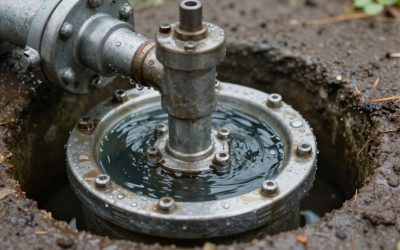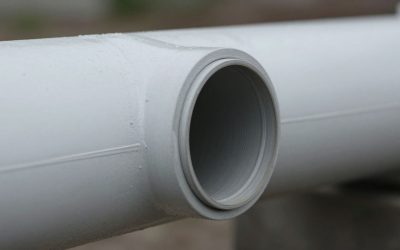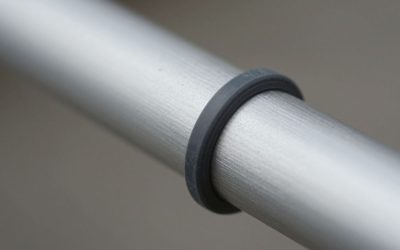
You know, we often think about big things when we talk about being eco-friendly, like solar panels or electric cars. But sometimes, the biggest wins come from the small stuff. Take well seals, for example. These little guys might not get much attention, but durable ones can actually make a pretty big difference for the planet and your wallet. The Eco-Friendly Benefits of Durable Well Seals are more significant than you might think, impacting everything from waste reduction to energy use. Let’s break down why this simple home component is worth a closer look.
Key Takeaways
- Using durable seals means less waste because they don’t need to be replaced as often, saving resources and landfill space.
- Good seals stop air leaks, which makes your heating and cooling systems work less, using less energy and cutting down on pollution.
- Investing in quality, long-lasting seals saves you money over time by reducing the need for frequent replacements and repairs.
- Well-sealed homes are more comfortable, keeping out drafts and helping to maintain a steady temperature, which also improves indoor air quality.
- Durable seals protect your home from water damage and extreme weather, helping to keep your house in good shape for longer.
Reducing Environmental Impact Through Durable Seals
Minimizing Waste With Long-Lasting Solutions
It’s easy to overlook the small parts of our homes, but things like door and window seals actually play a pretty big role in how eco-friendly our living spaces are. When you think about it, seals are constantly working to keep things in and out – like keeping warm air in during the winter and cool air in during the summer. If they’re not doing their job, your heating and cooling systems have to work way harder than they need to. This constant extra effort uses more energy, plain and simple.
Choosing seals that are built to last is a smart move for the planet. Cheaper seals might seem like a good deal at first, but they often break down quickly. Then you’re back at the store, buying more seals, and all those old, worn-out ones end up in the trash. It’s a cycle of waste that we can easily avoid. Investing in durable seals means fewer replacements over time, which directly cuts down on manufacturing, shipping, and disposal impacts. It’s a simple way to reduce your household’s overall waste footprint.
Lowering Carbon Footprints Via Energy Conservation
Think about your energy bill. A good chunk of that cost, and the associated carbon emissions, comes from heating and cooling your home. Drafty windows and doors are a major culprit here. When seals are old or damaged, they let conditioned air escape and outside air creep in. This forces your HVAC system to run more often to maintain a comfortable temperature.
Energy conservation through effective sealing is a direct way to lower your home’s carbon footprint. When your heating and cooling systems don’t have to work overtime, they consume less electricity or gas. This reduction in energy demand translates into fewer greenhouse gas emissions being released into the atmosphere. It’s a win-win: your home stays comfortable, and you’re doing your part for the environment. For homeowners looking to make a difference, upgrading to quality seals is a practical step towards a more sustainable home.
Choosing Sustainable Seal Materials
Not all seals are created equal, and the materials they’re made from really matter when we’re talking about sustainability. Many older or cheaper seals are made from materials that degrade over time and aren’t easily recycled, ending up in landfills. We’re talking about things that can crack, become brittle, or even develop mold, leading to more frequent replacements.
Fortunately, there are better options available now. Many manufacturers are using more robust and eco-friendlier materials like high-grade silicone, thermoplastic elastomers (TPE), or even improved versions of PVC that are designed to last much longer. These materials hold up better against temperature changes, UV exposure, and regular cleaning. They resist wear and tear, meaning they stay flexible and effective for years, not just months. When you pick seals made from these durable, sustainable materials, you’re choosing a product that’s designed to minimize environmental impact throughout its lifecycle.
The Economic Advantages of Investing in Quality Seals
Long-Term Savings From Reduced Replacements
Thinking about seals might not be the most exciting part of homeownership, but they really do add up when it comes to your wallet. You know how sometimes you buy the cheaper option, thinking you’re saving money, only to have to replace it a few months later? That’s exactly what can happen with seals. Those bargain-bin seals might look okay at first, but they often break down pretty fast. This means you’re buying them again, and again. Over time, all those small purchases really start to pile up, costing you more than if you’d just bought a good quality one from the start.
Investing in durable seals upfront means fewer trips to the store and less money spent on replacements. It’s like buying a sturdy tool versus a flimsy one; the sturdy one lasts way longer and does a better job, saving you hassle and cash down the road.
Enhanced Property Value Through Efficiency Upgrades
When you’re looking to sell your place, buyers notice the little things. A home that feels comfortable, quiet, and well-maintained is always more attractive. Durable seals play a big part in this. They help keep your home at a steady temperature, meaning your heating and cooling systems don’t have to work so hard. This translates to lower energy bills, which is a huge selling point. Plus, good seals prevent drafts and keep out unwanted noise and moisture, making the whole house feel more solid and protected. It shows you’ve taken care of the place, and that can really boost its appeal and, yes, its price tag.
Cost-Effectiveness of Durable Materials
Let’s talk about the materials themselves. Cheaper seals are often made from materials that just don’t hold up well. They can get brittle in the cold, sticky in the heat, or just wear out from everyday use. This leads to leaks, which then means more energy wasted and potential damage from water. Durable seals, on the other hand, are typically made from better stuff – think high-grade silicone or specialized rubbers. These materials are built to last. They can handle temperature swings and constant pressure without falling apart. While they might cost a bit more when you first buy them, their longevity makes them the smarter financial choice. You’re not just buying a seal; you’re buying peace of mind and long-term savings. It’s a simple equation: better materials equal less frequent replacement and better performance, which all adds up to being more cost-effective over the life of your home.
The initial outlay for high-quality seals might seem higher, but when you factor in the reduced need for replacements, the energy savings from better insulation, and the prevention of potential water damage, the long-term financial benefits are clear. It’s a practical investment that pays dividends in both savings and home protection.
Enhancing Home Comfort and Efficiency
When you think about making your home more comfortable, you probably picture new furniture or maybe a better thermostat. But honestly, the unsung heroes of a cozy house are often the seals around your windows and doors. These aren’t just little strips of rubber; they’re your first line of defense against the outside world.
Preventing Air Leaks For Consistent Temperatures
Ever notice how some rooms in your house are always colder or hotter than others, even with the heat or AC running? That’s usually because of air leaks. Gaps around windows and doors let your expensive conditioned air escape and let the outside air sneak in. Durable seals create a barrier, stopping those drafts in their tracks. This means your heating and cooling systems don’t have to work overtime trying to keep up. A well-sealed home feels more consistent, room to room, all year round. It’s like giving your HVAC system a much-needed break, which also means lower energy bills. Pretty neat, right?
Improving Indoor Air Quality By Blocking Pollutants
It’s not just about temperature, though. Those same little gaps that let air escape can also let all sorts of unwanted stuff in. Think dust, pollen, pet dander, and even outdoor smog. If you or someone in your family deals with allergies or asthma, this can make a big difference. Durable seals block these irritants from getting inside, helping to keep your indoor air cleaner and healthier. It’s a simple upgrade that can have a real impact on your well-being.
Soundproofing For A Quieter Living Space
Another perk? Peace and quiet. Those drafts don’t just carry air; they can carry noise too. A good seal acts like a sound buffer, muffling the sounds of traffic, barking dogs, or noisy neighbors. Imagine being able to relax at home without all the outside racket. It really makes a difference in creating a more tranquil environment, especially if you live in a busy area. It’s amazing how much more peaceful your home can feel when it’s properly sealed off from the outside world.
Protecting Your Home From Environmental Factors
Think about it – your home is your sanctuary, right? But the outside world is always trying to get in, whether it’s a torrential downpour, a biting winter wind, or even just the everyday humidity. That’s where good seals and weatherstripping really earn their keep. They’re like the first line of defense, keeping the bad stuff out and the good stuff (like your comfortable indoor air) in.
Defending Against Moisture Intrusion
Water is sneaky. It can find its way through tiny gaps around windows and doors, leading to all sorts of problems. We’re talking about water stains on your walls, warped door frames, and even the dreaded mold growth. Durable seals create a solid barrier that stops water in its tracks, preventing it from seeping into your home’s structure. This is super important for protecting your floors, furniture, and the very walls of your house from damage that can be a real pain and expensive to fix.
Shielding Against Extreme Temperatures
Canada’s weather can be wild, right? One minute it’s freezing, the next it’s scorching. When your seals are worn out, that extreme temperature outside starts creeping inside. This means your heating and cooling systems have to work way harder than they should, just to keep things comfortable. Better seals mean less air escaping and less outdoor air getting in, so your home stays at a steady temperature without making your HVAC system sweat. It’s a simple fix that makes a big difference in staying cozy during winter blizzards and cool during summer heatwaves.
Maintaining Structural Integrity Over Time
It’s not just about comfort; it’s about the long haul. When windows and doors are constantly exposed to moisture and harsh temperatures because of bad seals, they start to break down faster. Frames can warp, wood can rot, and metal can rust. Durable seals help prevent this kind of wear and tear. By keeping moisture and extreme air out, they help preserve the integrity of your windows, doors, and the surrounding parts of your house. This means fewer costly repairs down the road and a home that stands strong against the elements for years to come.
The Role of Seals in Sustainable Living
Small Choices, Big Environmental Gains
It’s easy to think that living sustainably means making huge changes, like installing solar panels or buying a brand-new electric car. But honestly, a lot of it comes down to the little things we do around the house. Think about it – those simple rubber or silicone strips around your doors, windows, and shower screens? They might seem minor, but they actually play a pretty big part in keeping our homes efficient and our planet a little bit happier. When a seal is doing its job right, it stops drafts from letting heat escape in the winter and cool air escape in the summer. That means your heating and cooling systems don’t have to work as hard, which saves energy. And saving energy is a win for your wallet and for the environment.
Durability As A Key Component Of Sustainability
When we talk about sustainability, we often focus on the materials themselves – are they recycled, are they biodegradable? That’s important, for sure. But durability is just as big a piece of the puzzle. Something that lasts a long time means you don’t have to replace it as often. Less replacing means less manufacturing, less shipping, and less stuff ending up in landfills. For seals, this is a big deal. Cheaper seals might break down after a year or two, needing to be swapped out. But a good quality, durable seal can last for many years. That’s a lot less waste over time, and a lot less hassle for you too.
Here’s a quick look at why durability matters:
- Reduced Waste: Fewer replacements mean less material going to the dump.
- Lower Resource Use: Manufacturing and transporting fewer items saves energy and resources.
- Long-Term Savings: While a durable seal might cost a bit more upfront, it saves money by not needing frequent replacements.
- Consistent Performance: A long-lasting seal keeps performing its job, maintaining your home’s efficiency.
Water Conservation Through Effective Sealing
Let’s talk about water. We all know we should be mindful of how much water we use, right? Well, those seals in your shower or around your bathtub aren’t just there to keep the floor dry – though that’s a big part of it. A leaky shower door can actually waste a surprising amount of water over time. We’re talking potentially hundreds of litres a year that just go right down the drain. By making sure your shower seal is in good shape and doing its job properly, you’re directly contributing to water conservation. It’s a simple fix that has a real, tangible impact on reducing water waste in your home. Plus, it helps prevent those annoying puddles that can lead to mold or slippery floors, which is just a bonus.
Maintaining Seals For Optimal Performance
Even the best seals need a little attention now and then to keep them working right. Think of it like taking care of your car – regular check-ups mean it runs better for longer. For seals, this means a few simple steps that make a big difference.
Regular Cleaning For Longevity
Keeping seals clean is pretty straightforward. You don’t need fancy cleaners or a lot of elbow grease. Just a soft cloth with some mild soapy water usually does the trick. This helps get rid of any soap scum, dirt, or grime that can build up over time. This simple habit prevents gunk from hardening the material or causing it to become brittle. It’s amazing how much longer a clean seal can last compared to one that’s left to get grimy.
Inspection For Early Signs Of Wear
It’s a good idea to give your seals a quick look-over every few months. You’re looking for anything that seems off. Are they starting to look cracked? Do they feel stiff or less flexible than they used to? Sometimes, you might even spot a bit of mold or mildew, especially in bathrooms. Catching these small issues early means you can often fix them before they become big problems.
- Check for cracks or tears.
- Feel for stiffness or loss of flexibility.
- Look for signs of mold or mildew.
- See if the seal is pulling away from the surface.
Prompt Replacement Of Damaged Seals
If you find a seal that’s clearly damaged – maybe it’s torn, brittle, or just not sealing properly anymore – don’t wait around. Replacing a worn-out seal is usually a quick job, and it stops bigger issues from happening. A leaky seal doesn’t just waste water or let in drafts; it can lead to water damage or mold growth, which are much bigger headaches and costlier to fix down the line. Getting a new one in place quickly keeps your home protected and efficient.
Taking a few minutes every so often to clean and check your seals might seem like a small thing, but it really adds up. It means your seals do their job better, last longer, and help keep your home comfortable and energy-efficient without you having to think about it too much.
Wrapping It Up: Seals for a Better Home and Planet
So, when you really think about it, those seals around your doors and windows are doing a lot more than just keeping the weather out. They’re quietly saving you money on energy bills, making your home more comfortable year-round, and even helping the environment by cutting down on waste and energy use. It’s not a huge, flashy upgrade, but it’s one of those smart, small changes that really adds up. Investing in good, durable seals is basically a win-win: better for your wallet, better for your home, and a little bit better for the planet too. Pretty neat, right?
Frequently Asked Questions
What exactly are well seals and why are they important?
Well seals, or gaskets, are like the protective borders around your windows and doors. They’re usually made of rubber or similar flexible materials. Their main job is to stop air, water, and even noise from getting into your house where it shouldn’t. Think of them as the house’s personal bodyguards against the outside world!
How do durable seals help the environment?
Durable seals are great for the planet! By stopping drafts, they keep your home warmer in the winter and cooler in the summer without your heating or cooling system working overtime. This means you use less energy, which lowers your carbon footprint. Plus, since they last longer, you’re not throwing away old seals as often, meaning less trash in landfills.
Can better seals really save me money?
Absolutely! When your home is sealed up tight, your heating and cooling systems don’t have to work as hard. This directly leads to lower energy bills. Also, because durable seals last much longer than cheap ones, you won’t have to pay for replacements as often. It’s a smart investment that pays off over time.
Will better seals make my home more comfortable?
Yes, they make a big difference! Durable seals stop those annoying drafts that make rooms feel chilly. They help keep the temperature inside your home steady, so you’re not constantly adjusting the thermostat. Some seals even help block out noise from outside, making your home a more peaceful place to relax.
What should I look for when buying new seals?
When you’re getting new seals, look for ones made from strong, long-lasting materials like silicone or high-grade rubber. These materials can handle different temperatures and last for many years without cracking or falling apart. It’s better to spend a little more on a good quality seal that will do its job effectively for a long time.
How do I take care of my seals to make them last?
Taking care of your seals is pretty simple! Just give them a gentle wipe down now and then with mild soap and water to keep them clean. Avoid using harsh chemicals. It’s also a good idea to check them every few months for any signs of damage, like cracks or stiffness. If you see any problems, it’s best to replace them so they can keep protecting your home.