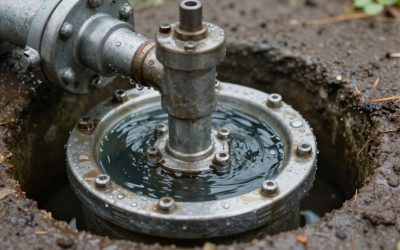
Living in an area where floods can happen means you’ve got to think about more than just keeping water out of your house. Your well, the source of your drinking water, needs protection too. It might seem like a small detail, but the seal on top of your well is super important, especially when the water levels rise. This article looks at why well seals are crucial in flood-prone areas and what you need to know to keep your water safe.
Key Takeaways
- A well cap, or seal, is the first defense against anything getting into your water supply from the top of the well casing.
- Properly sealed well caps stop things like dirt, bugs, and animal waste from contaminating your drinking water, which is a big deal during floods.
- Floodwaters can put pressure on well structures and create entry points for contamination if the well cap isn’t secure.
- Regular checks on your well cap’s seal, vent, and the casing height are needed, especially after bad weather or floods.
- Choosing the right type of well cap, like a sanitary one, and making sure it’s installed correctly is vital for protection in flood zones.
Understanding Well Seals And Their Importance
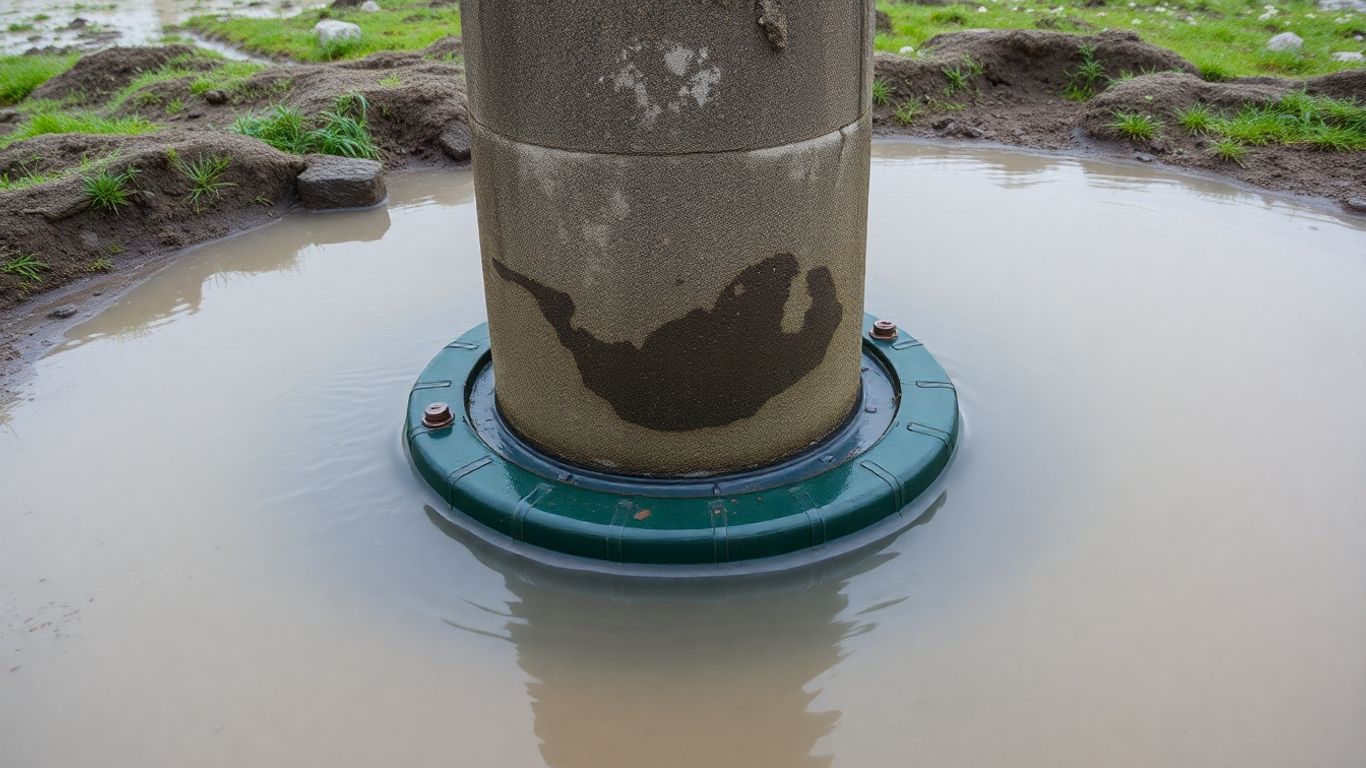
Think of your well seal, often called a well cap or cover, as the gatekeeper for your home’s water supply. It sits right on top of your well casing, and while it might seem like a small, simple part, its job is huge. This little component is your first and most important defense against all sorts of unwanted things getting into your drinking water. Without a good seal, your well is basically an open invitation for trouble.
The Critical Role Of Well Caps And Covers
This isn’t just about keeping leaves out, though that’s part of it. A proper well cap is designed to prevent a range of contaminants from entering your well. We’re talking about things like surface water runoff, which can carry pesticides, fertilizers, or animal waste. It also stops insects, spiders, and even small rodents from crawling down into the dark, damp space of your well casing. If these critters get in, they can die and decompose, leading to bacteria and really unpleasant tastes and smells in your water. A well cap with a good gasket and a screened vent stops all of that.
Why A Secure Well Cap Is Non-Negotiable
Seriously, don’t mess around with a damaged or loose well cap. The EPA and health departments are pretty clear on this: a compromised cap is a direct pathway for contamination. It’s like leaving your front door wide open during a storm. You wouldn’t do that, right? The same logic applies to your well. A secure, properly fitted cap keeps out not just bugs and dirt, but also helps prevent accidental contamination from things like lawn equipment or even curious kids. It’s a simple measure that makes a massive difference in water quality.
Types Of Well Caps And Covers: A Comparison
Not all caps are created equal. You’ve got the old-school "standard" caps, which are often just basic plastic or metal covers that might slip on. These usually don’t have a good seal and might not even have a screened vent. Then you have the modern "sanitary" or "vermin-proof" caps. These are usually made of sturdy material like cast aluminum or tough plastic, and they’re designed to create an airtight seal with a rubber gasket. They also have a screened vent to let the well "breathe" without letting anything else in. For flood-prone areas, you might even need specialized watertight caps that can handle being submerged. Choosing the right type is key to keeping your water safe, especially if you’re thinking about flood barriers for your home deployable flood barriers for doors.
Here’s a quick rundown:
- Standard Caps: Basic protection, often lack gaskets and screened vents. May allow insects and some debris entry.
- Sanitary Caps: Modern standard. Feature gaskets for a tight seal and screened vents for air exchange. These are generally the best choice for most homes.
- Watertight Caps: Specialized for submerged conditions, often used in flood zones or well pits. Designed for a complete seal.
The ground around your wellhead is also important. It should slope away from the casing so that water doesn’t pool there. Any low spots that collect water can become a problem, especially during heavy rains or floods.
Protecting Water Sources From Contamination
Preventing Contaminant And Debris Entry
Your well cap is the first line of defense against all sorts of unwanted stuff getting into your water supply. Think about it: rain can wash all kinds of things across the ground – dirt, leaves, maybe even some spilled chemicals from the garage or fertilizer from the garden. Without a good seal, that water can just pour right down the well casing. A properly fitted cap, especially one with a gasket, creates a physical barrier. This stops surface runoff from directly entering your well. It’s not just about big debris; it’s about preventing tiny particles and dissolved contaminants from finding a path into your groundwater. A secure well cap is your primary defense against this kind of direct contamination.
Safeguarding Against Pest And Insect Intrusion
Wells can be surprisingly attractive to critters. The dark, often damp environment inside a well casing can be a cozy spot for insects like earwigs, ants, and spiders, and sometimes even small animals like frogs or mice. If these creatures get inside, they can die and decompose, leading to bacteria in your water. This can cause unpleasant odors and tastes, and more importantly, health risks. A well cap designed to be vermin-proof, often featuring a screened vent, keeps these unwelcome visitors out. The screen allows air to escape and enter, which is important for pressure, but it’s fine enough to block insects and other small pests.
Mitigating Physical And Accidental Tampering
Beyond biological threats, a well cap also offers protection from accidental damage or intentional tampering. Things like lawnmowers, falling branches, or even just curious kids can potentially damage an unsecured wellhead. A loose cap could be knocked off, leaving the well exposed. Many modern well caps are designed to be bolted down, requiring tools to remove. This adds a layer of security, preventing casual access and reducing the risk of something being dropped down the well by mistake. While outright tampering might not be common, the physical security a well cap provides is a simple but effective measure to maintain the integrity of your water source.
Well Seals In The Context Of Flood Resilience
Floodwater Ingress Points And Well Casings
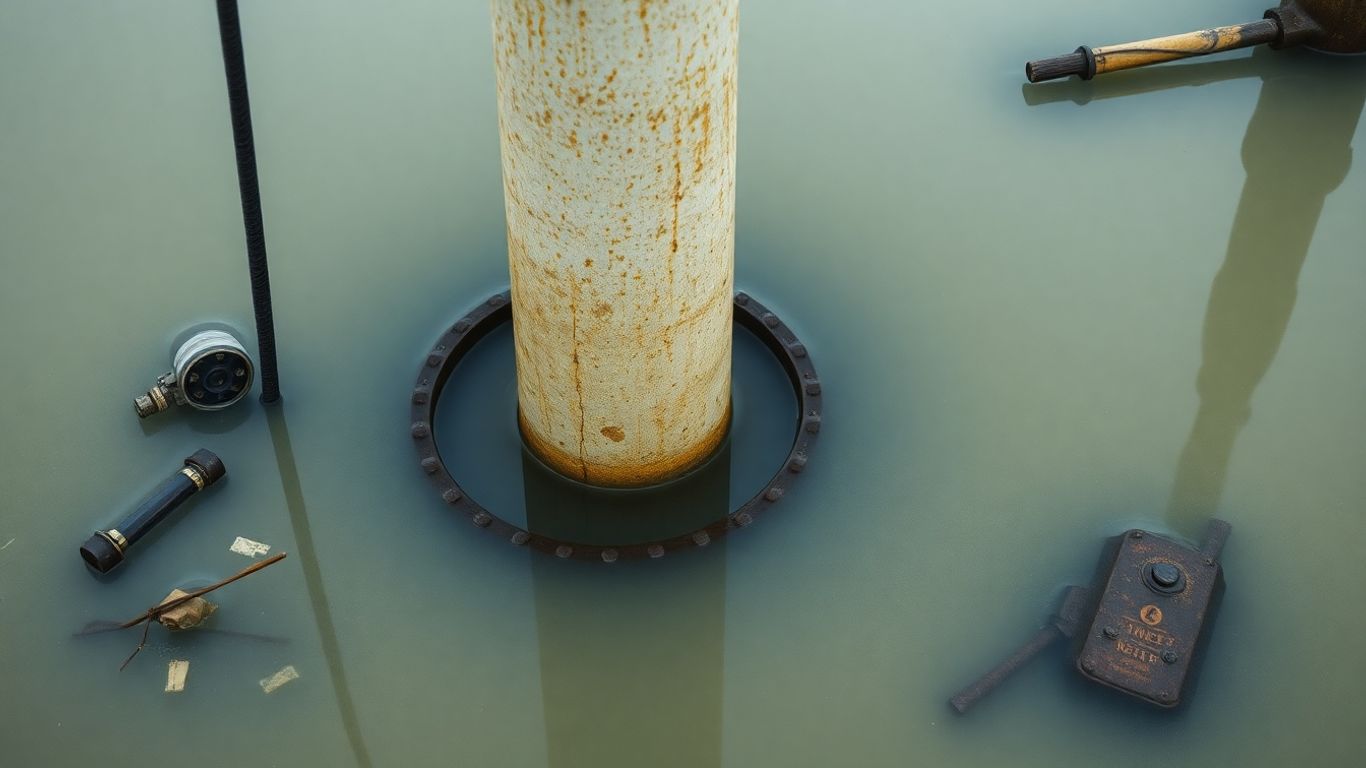
When heavy rains hit and floodwaters rise, your well isn’t just sitting there; it’s right in the middle of the action. Think about how water gets into buildings – it seeps through foundations, finds gaps around pipes, and can even push its way through porous materials. A well casing is basically a protective pipe going down into the ground to keep your well water clean. But during a flood, this casing can become a direct highway for contaminated water to get into your clean water source. The seal at the top of the well casing, where the cap or cover attaches, is the first and most important line of defense. If that seal isn’t tight, floodwater, carrying all sorts of nasty stuff like sewage, chemicals, and dirt, can easily flow right down into your well. It’s like leaving the front door wide open when a storm is brewing.
The Impact Of Floodwater Pressure On Structures
Floodwaters aren’t just sitting there; they exert a lot of pressure. Imagine a huge weight pushing down and sideways. This pressure can do a few things to your well setup. For starters, it can stress the connection between the well cap and the casing. If the seal is already a bit worn or not installed perfectly, that pressure can force water past it. It can also put stress on the casing itself, especially if the ground around it becomes saturated and unstable. In really bad floods, the sheer force of the water can even dislodge or damage the well cap entirely, leaving the well completely exposed. This is why having a robust, well-maintained seal is so important – it needs to withstand not just everyday conditions but also the extreme forces that come with a flood.
Integrating Well Seals Into Property Flood Resilience Strategies
When you’re thinking about making your property tougher against floods, don’t forget about your well. It’s a critical part of your home’s infrastructure, and its water source needs protection too. Adding a good well seal is a straightforward step that fits right into a bigger flood resilience plan. It’s not just about keeping water out during a flood; it’s about making sure your water stays safe after the floodwaters recede. A properly sealed well means less chance of contamination, which means less cleanup and fewer health worries down the line. It’s a smart move that contributes to the overall safety and habitability of your home when the worst happens.
Here’s how a good well seal fits in:
- Prevents direct entry: Stops surface water from flowing straight into the well.
- Reduces contamination risk: Keeps out debris, animal waste, and chemicals that floodwaters carry.
- Supports recovery: Makes it easier to get your water system back online safely after a flood.
- Protects investment: Safeguards the well itself from damage and costly repairs.
Making sure your wellhead is sealed tight is a practical step that pays off. It’s about being prepared and protecting a vital resource for your household. Think of it as a small investment for a lot of peace of mind when the weather turns nasty.
Ensuring Well Integrity During Flood Events
When floodwaters rise, keeping your well protected is a big deal. It’s not just about keeping the water out; it’s about making sure the water that does get in is clean. A well is a direct line to your water source, and during a flood, that line can become a highway for all sorts of nasty stuff.
Seasonal Wellhead Maintenance Checklist
Think of this as a regular check-up for your well. Doing this at least twice a year, maybe spring and fall, can catch problems before they become big headaches, especially before and after any rainy season.
- Visual Inspection: Walk around the wellhead. Look for any cracks in the concrete pad, loose bolts on the well cap, or damage to the casing itself. Anything that looks out of place needs attention.
- Cap and Seal Check: Make sure the well cap is on tight and the gasket underneath is in good shape. A worn-out gasket is like leaving the door wide open for trouble.
- Drainage Assessment: Check that water can drain away from the wellhead. Standing water around the well is never a good sign and can weaken the structure over time.
- Pest Check: Look for any signs of animal activity or insect nests around the wellhead. Little critters can sometimes find their way into small openings.
Verifying Gasket Seals and Casing Height
These two things are super important for keeping contaminants out. The gasket is the seal between the well cap and the casing, and it needs to be flexible and intact. If it’s dried out, cracked, or missing, water and debris can get in. Also, check that the well casing sticks up high enough above ground level. A casing that’s too low is an invitation for surface water to flow directly into your well. You want a good buffer zone.
The Importance of Watertight Well Covers
This is where a good well cap really shines. It’s the first line of defense. During a flood, the pressure from rising water can be intense. A flimsy or poorly fitted cap can be dislodged, or worse, allow water to seep around its edges. You need a cover that’s designed to create a watertight seal. This means it should be made of durable material, have a secure locking mechanism, and fit snugly onto the well casing with a reliable gasket. It’s not just about keeping bugs out; it’s about preventing floodwater, which can carry bacteria, chemicals, and sediment, from entering your drinking water supply. A properly sealed well cover is a simple but incredibly effective way to protect your water source when the weather turns bad.
Choosing The Right Well Seal For Your Property
So, you’ve got a well, and you live somewhere that gets a bit wet now and then. Picking the right seal for your wellhead isn’t just about slapping on a lid; it’s about making sure your water stays clean and safe, especially when the rain starts pouring. Think of it like choosing the right lock for your front door – you want something sturdy and reliable.
Standard Versus Sanitary Well Caps
Back in the day, a simple "standard" cap might have been good enough. These are usually basic plastic or metal covers, sometimes held on with a few screws. They don’t really seal anything tight and often don’t have a proper vent. The problem is, they let all sorts of stuff in – bugs, dirt, and even small critters.
Modern standards really push for sanitary well caps. These are built tough, usually from cast aluminum or strong plastic. They have a rubber gasket that gets compressed when you bolt the cap down, creating a really good seal. Plus, they have a screened vent. This vent is important because it lets air in and out as your pump works, stopping a vacuum from forming, but it keeps bugs and debris out. It’s a much better system for keeping contaminants away.
Considering Well Pits And Submerged Seals
Now, if your well has a "well pit" – that’s a hole dug around the well casing, often to keep the pump from freezing – things get a bit trickier. These pits can fill with water. For these situations, you might need a special kind of seal, sometimes called a watertight cover. These are designed to keep water out even if they’re submerged. They often don’t have a vent right on the cap itself; instead, the vent pipe is run up higher, above any potential flood level. It’s a bit more involved, but it’s what you need to protect the wellhead in those damp spots.
Professional Assessment For Tailored Solutions
Honestly, trying to figure out the exact right cap for your specific well can be confusing. Different wells have different casing sizes, and local rules might even have specific requirements.
Here’s a quick rundown of what to look for:
- Casing Size: Caps are sized by the outside diameter of your well casing pipe (common sizes are 4, 5, or 6 inches).
- Material: Look for durable materials like cast aluminum or sturdy thermoplastic.
- Seal Quality: A good rubber gasket is key for a tight fit.
- Venting: A screened vent is standard for most above-ground installations.
- Local Codes: Some areas have specific rules about well caps.
Because of all these details, it’s often best to get a professional well contractor to take a look. They know the local codes, can measure your casing accurately, and will install it correctly. They can also spot if your casing needs to be extended or if other parts of your well system need attention. It might cost a bit more upfront, but it saves a lot of headaches and protects your water quality in the long run. It’s really about peace of mind, knowing your water source is properly protected.
Don’t guess when it comes to your water. A quick call to a pro can make sure you’ve got the right seal for the job, keeping your water safe no matter what the weather throws at you.
Wrapping It Up
So, when you’re thinking about protecting your home, especially if you live somewhere that gets a lot of rain or is near water, don’t forget about the little things. Those well seals might seem minor, but they’re like the gatekeepers for your water supply. Keeping them in good shape means keeping out all sorts of nasty stuff – bugs, dirt, and whatever else the rain washes around. It’s a simple step, but it makes a big difference in keeping your water clean and your home safer. Think of it as a small effort for a lot of peace of mind, especially when the weather gets wild.
Frequently Asked Questions
What exactly is a well seal, and why is it so important, especially when floods happen?
A well seal, also called a well cap or cover, is like a hat for the top of your well pipe. Its main job is to keep junk out of your drinking water. During floods, this is super important because floodwaters can carry all sorts of nasty stuff like dirt, chemicals, and even germs. A good seal stops these bad things from getting into your water supply and making it unsafe to drink.
Can floodwater actually get into my well even if I have a cap on it?
Yes, it’s possible, especially if the cap isn’t sealed tightly or if the flood is really bad. Floodwater can push hard against things, and if there are any gaps or if the cap is damaged, water can sneak in. That’s why having a strong, well-fitted cap is key to preventing this. Sometimes, if the water level gets very high, special watertight caps are needed, particularly if the well is in a low spot like a well pit.
What kind of bad stuff can get into my well if the seal isn’t good?
Lots of unwanted things can get in! Think about dirt, leaves, and other bits of trash washed in by rain or floodwater. Bugs and small animals might crawl in too, leaving behind waste. Worst of all, harmful bacteria, pesticides from farms, or oil and gas spills can seep into your well, making your water dangerous to drink.
How often should I check my well seal, especially after a flood?
It’s a good idea to check your well seal at least twice a year, and definitely after any big weather event like a flood or a strong storm. You’ll want to look for any cracks, make sure it’s still tight, and check that the rubber seal underneath is in good shape. Also, make sure the screen on the vent isn’t blocked by dirt or bugs.
Are there different types of well seals, and do I need a special one for flood areas?
There are basic caps, but for good protection, especially against floods and pests, you’ll want a ‘sanitary’ or ‘vermin-proof’ cap. These are made of strong materials, have a rubber gasket that seals tightly, and a screened vent. For areas that flood a lot, or if your well has a pit below ground, you might need a special ‘watertight’ cap designed to keep water out even when submerged.
What should I do if my well seal looks damaged or loose?
If you see any damage like cracks, rust, or if it feels loose, don’t wait! A damaged seal is a direct invitation for contaminants. You should get it fixed or replaced as soon as possible. For wells in flood-prone areas, it’s often best to have a professional check it out to make sure it’s sealed properly and can handle potential flood situations.