When we talk about Building a Sustainable Future with Reliable Well Seals, it’s not just about keeping things running smoothly. It’s about making sure our operations don’t harm the planet. Leaks, big or small, can waste resources, create safety hazards, and cost a lot of money. That’s where good sealing technology comes in. It’s a simple idea, really: stop leaks before they start. This helps us protect the environment, use water and materials more wisely, and keep our equipment working longer. It’s all part of making our industrial processes better for everyone.
Key Takeaways
- Reliable well seals are key to preventing leaks, which protects the environment and improves safety.
- Advanced sealing stops hazardous fluid exposure and minimizes risks to workers.
- Using better seals means less water is used in operations and fewer resources are wasted.
- Durable, innovative seals keep critical equipment running longer, reducing downtime and repair costs.
- Working with seal experts helps choose the right solutions and supports long-term environmental goals.
Ensuring Process Integrity Through Advanced Sealing
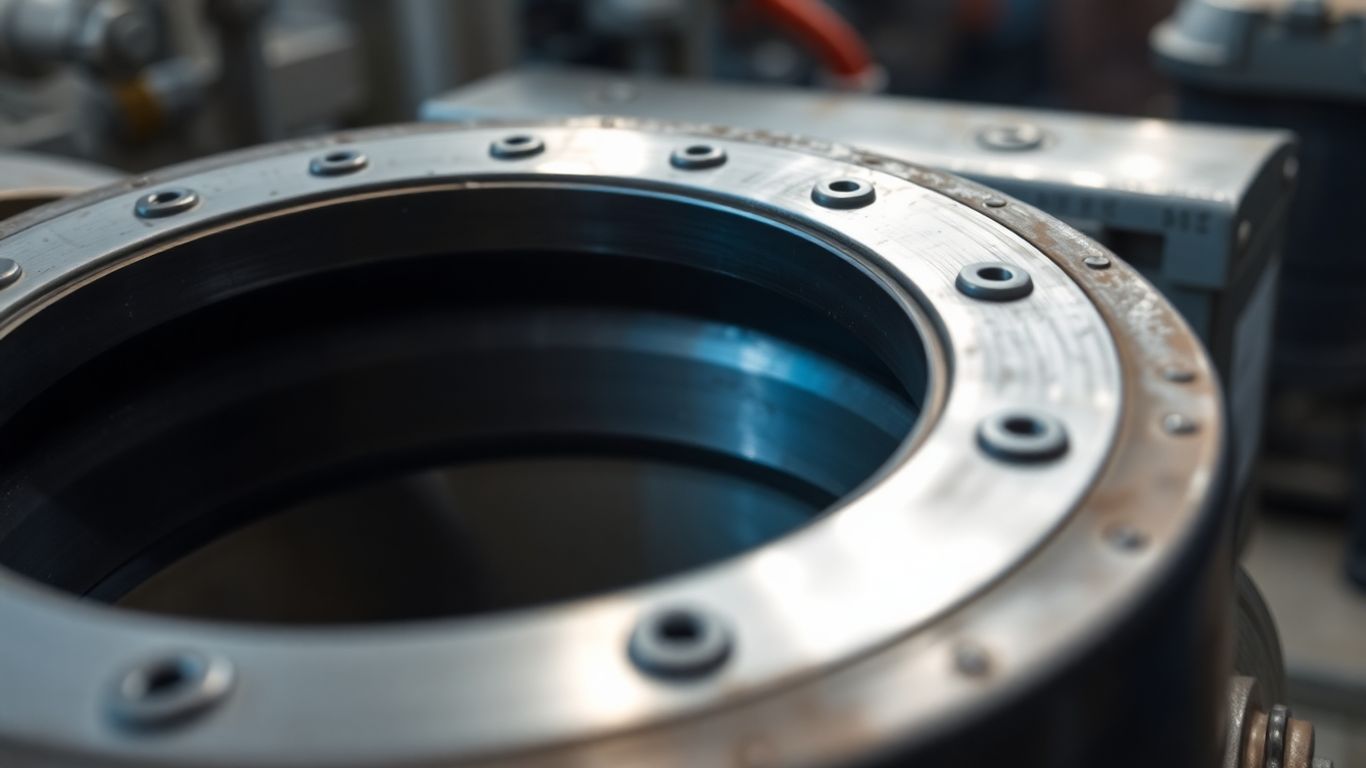
Keeping things contained in industrial processes isn’t just about following the rules; it’s about making sure everything runs smoothly and safely. When we talk about process integrity, we’re really talking about preventing unwanted releases of fluids or gases. This is where advanced sealing technology, especially mechanical seals, plays a big part.
Preventing Environmental Releases
Think about it: a leaky pump or a faulty valve can mean chemicals or other substances getting out where they shouldn’t. This isn’t good for the environment, plain and simple. Mechanical seals are designed to create a tight barrier around rotating shafts in equipment like pumps and mixers. By stopping leaks before they start, we significantly reduce the risk of polluting soil, water, or air. This directly helps companies meet environmental regulations and their own sustainability targets. It’s about being a good neighbor and protecting the planet.
Minimizing Hazardous Fluid Exposure
Many industrial operations deal with fluids that can be dangerous if people come into contact with them. Whether it’s strong acids, volatile solvents, or toxic gases, exposure is a serious concern. Mechanical seals act as a critical line of defense. They keep these hazardous materials safely inside the equipment where they belong. This means fewer risks for the workers on the plant floor and a safer overall working environment. Some advanced seal designs even use a special barrier fluid that’s less harmful, so if a tiny leak does happen, it’s the safer fluid that escapes, not the dangerous process fluid.
Enhancing Operational Safety
Beyond environmental and direct chemical exposure risks, leaks can also cause other safety problems. A sudden release of fluid can create slippery conditions, leading to slips and falls. It can also cause equipment to malfunction unexpectedly, potentially leading to more serious incidents. Reliable seals mean more predictable operations. When equipment is sealed properly, it’s less likely to fail unexpectedly, which keeps the entire operation running more safely and predictably. This reliability is a cornerstone of good process safety management.
Driving Sustainability with Leak Prevention
Reducing Water Consumption in Operations
Leaks aren’t just about losing valuable product; they can also mean losing a lot of water. Think about it – industrial processes often use massive amounts of water. When pipes or equipment spring a leak, that treated water just disappears, putting extra strain on our planet’s freshwater supplies. It’s a big deal, especially when you consider that globally, a significant chunk of treated water piped out is lost before it even gets used. Stopping these leaks means we can hold onto more water, which is good for the environment and can even cut down on treatment costs. It’s a simple idea, but it makes a real difference.
Minimizing Waste and Resource Usage
When equipment leaks, it’s not just the lost fluid that’s the problem. Often, the machinery has to work harder to make up for what’s gone, which uses more energy. This extra energy use contributes to greenhouse gas emissions and generally wastes resources. Plus, if the leaked substance is hazardous, it can cause serious environmental damage, leading to costly cleanup operations and long-term harm. Preventing leaks is a direct way to cut down on this waste and keep our operations more efficient. It means less energy consumed, fewer resources depleted, and a smaller environmental footprint overall.
Achieving Corporate Environmental Goals
Most companies today have some kind of sustainability targets they’re trying to hit. Preventing leaks is a practical, hands-on way to contribute to these goals. It directly impacts metrics related to emissions, resource conservation, and environmental impact. By implementing reliable sealing solutions, businesses can show a tangible commitment to being better stewards of the environment. It’s not just about following rules; it’s about actively improving operations to align with a greener future.
Leaks, whether of hazardous chemicals or just plain water, have consequences that go beyond the immediate site. They can impact ecosystems, strain resources, and increase operational costs. Addressing leaks is a key step in responsible industrial practice.
Here’s a quick look at how leak prevention helps:
- Conserves Water: Reduces the demand for freshwater resources.
- Saves Energy: Prevents equipment from overworking to compensate for lost fluids.
- Reduces Waste: Minimizes the loss of valuable process materials.
- Protects Environment: Avoids contamination from hazardous substance releases.
- Lowers Costs: Cuts down on expenses related to water treatment, energy, and cleanup.
The Role of Mechanical Seals in Reliability
When you’re running industrial equipment, the last thing you want is for things to stop working. Downtime isn’t just annoying; it costs a lot of money and can even cause safety problems. That’s where mechanical seals really shine. They’re a key part of keeping pumps, mixers, and compressors running smoothly.
Improving Uptime for Critical Equipment
Think of a mechanical seal as a really precise gatekeeper. It sits between a spinning shaft and a stationary part, stopping whatever’s inside the equipment from leaking out. A good mechanical seal means your equipment keeps running, day in and day out. When seals fail, it often leads to equipment stopping, which messes up production schedules. By using reliable seals, you cut down on those unexpected stops, meaning your machines are available when you need them. This is super important for equipment that can’t afford to be offline, like in chemical plants or power generation.
Reducing Maintenance and Downtime Costs
Every time a piece of equipment goes down, it needs fixing. This means calling in maintenance crews, taking things apart, replacing parts, and putting it all back together. It’s a whole process that adds up. If a seal is the reason for the shutdown, it’s often a relatively quick fix compared to other problems. But if you have seals that fail often, you’re constantly dealing with these repairs. Choosing high-quality mechanical seals means fewer failures, which translates directly into less maintenance work and lower costs. Plus, less downtime means more production time, which is good for the bottom line.
Ensuring Consistent Operational Performance
It’s not just about stopping leaks; it’s about doing it consistently. Mechanical seals work by maintaining a very thin film of fluid between two very flat surfaces, one spinning and one still. This film stops the process fluid from escaping while also keeping the seal faces from grinding against each other. When this system works right, it performs the same way every time the equipment is running. This consistency is vital for maintaining stable process conditions. If seals are always a bit leaky or inconsistent, it can affect the overall performance of the whole system. Reliable seals help keep everything running as it should, without unexpected changes.
Mechanical seals are designed to handle tough jobs. They are engineered with precision to keep fluids contained, even under pressure and with moving parts. This prevents leaks that could otherwise lead to equipment damage, environmental issues, or safety hazards for workers. Their design is all about keeping things running smoothly and safely.
Here’s a quick look at how seals impact your operations:
- Fewer unexpected stops: Equipment stays online longer.
- Lower repair bills: Less need for emergency maintenance.
- Stable processes: Operations run predictably.
- Reduced waste: Less product lost due to leaks.
Innovative Sealing Technologies for Harsh Conditions
Durable Solutions for Abrasive Fluids
Dealing with abrasive fluids can really wear down standard seals. Think about slurries or fluids with fine particles – they’re like sandpaper on your equipment. We’re talking about materials that can stand up to this kind of punishment. For instance, specialized elastomers and even some advanced polymers are engineered to resist abrasion. These aren’t your everyday seals; they’re built tough. The right material choice here means fewer replacements and less downtime.
High-Performance Materials for Longevity
When conditions get extreme, whether it’s super high temperatures, really low ones, or aggressive chemicals, regular materials just won’t cut it. We’re seeing a lot of development in materials like PEEK (polyether ether ketone) and its reinforced versions. These plastics can handle a lot more heat and pressure than you might expect, and they don’t break down easily when exposed to nasty chemicals. Think about applications in the chemical industry or even aerospace – these materials are making a big difference.
Here’s a quick look at how some materials stack up:
| Material Type | Key Benefit | Typical Application | Example |
|---|---|---|---|
| Elastomers (e.g., FKM, VMQ) | High-temperature resistance | Extreme heat/cold | Seals in engines, high-temp processing |
| Thermoplastics (e.g., PEEK) | Chemical resistance, high pressure | Chemical processing, oil & gas | Seals in pumps, valves |
| Composites | Tailored properties | Specialized industrial needs | Custom seals for unique challenges |
Adapting to Demanding Operational Environments
It’s not just about the fluid; it’s the whole environment. We’re talking about seals that need to work reliably in places where things are constantly changing. This could be rapid temperature shifts, high pressures, or even situations where you need to prevent tiny amounts of gas from escaping, like with hydrogen. Metal spring energized seals, for example, are showing up in places like cryogenic applications for liquid hydrogen storage. They combine metal’s strength with special coatings to keep things sealed tight, even in really cold conditions.
The development of new sealing solutions often comes from working closely with the people who use them. Understanding the exact problems faced in the field helps engineers create materials and designs that actually solve those issues, rather than just guessing. This back-and-forth is key to making seals that last and perform when they really need to.
It’s all about finding that perfect fit for the job. Whether it’s a standard pump or a complex piece of equipment in a challenging industry, there’s a seal technology out there designed to keep things running smoothly and safely.
Partnering for a Sustainable Future
It’s pretty clear that building a better future means working together. When it comes to reliable well seals, this partnership idea is super important. It’s not just about buying a product; it’s about finding the right solutions and making sure they work for the long haul, both for your operations and for the planet.
Expert Consultation for Seal Selection
Picking the right seal can feel like a puzzle sometimes. There are so many options, and what works for one setup might not be the best for another. That’s where talking to the pros really makes a difference. They can look at your specific needs – like the type of fluids you’re dealing with, the pressures, and the temperatures – and help you find a seal that’s not just good, but ideal. This kind of advice helps avoid costly mistakes down the line and makes sure you’re getting the most out of your equipment.
Leveraging Engineering Expertise
Beyond just picking a seal, there’s a whole lot of engineering that goes into making sure it performs. Think about it: these seals are often working in really tough spots. Partnering with companies that have strong engineering teams means you’re getting solutions that are built to last. They understand the materials science, the mechanics, and how to design seals that can handle pretty much anything. This means less downtime and more consistent performance, which is a win-win.
Commitment to Environmental Stewardship
Ultimately, a big part of this partnership is a shared commitment to the environment. Companies that are serious about sustainability will have clear policies and practices in place. This could mean:
- Using materials that are sourced responsibly.
- Designing seals that reduce waste during manufacturing.
- Developing products that help your operations use less water or energy.
- Having programs for recycling or refurbishing old seals.
When you work with a partner who prioritizes these things, you’re not just getting a seal; you’re contributing to a more sustainable industry. It’s about making choices that are good for business and good for the world around us.
Choosing the right sealing partner means looking beyond just the product itself. It’s about finding a company that aligns with your operational goals and your environmental values. This collaboration can lead to innovative solutions and a more responsible approach to industry challenges.
Embracing Circularity in Sealing Solutions
Extending Equipment Lifecycles
Think about it: when something breaks, our first thought is often to replace it. But with mechanical seals, we can do better. The idea behind circularity is pretty simple – keep things working for as long as possible. This means designing seals that don’t just work well, but also last. When equipment runs longer because its seals are reliable, we cut down on the need to manufacture new parts. That saves energy, materials, and frankly, a lot of hassle.
Refurbishment and Material Reuse
Even the best seals can wear out, but that doesn’t mean they’re trash. Many seals can be repaired or refurbished. This involves taking a used seal, checking it over, replacing worn parts, and making sure it’s good to go again. It’s like giving it a second life. Plus, the materials used in seals can often be recycled or reused in new products. This whole process helps reduce the amount of waste heading to landfills and conserves valuable resources. It’s a win-win for the environment and for your bottom line.
Reducing the Need for New Components
Ultimately, focusing on circularity in sealing means we buy fewer new seals and parts. This has a ripple effect. Less manufacturing means less pollution, less energy use, and less strain on raw material supplies. It’s about being smarter with what we have. Instead of a linear ‘make-use-dispose’ model, we’re moving towards a system where components are valued and kept in use. This approach is key to building a truly sustainable future for industries that rely on robust sealing technology.
The shift towards circularity in sealing isn’t just an environmental trend; it’s a smart business strategy. By prioritizing repair, refurbishment, and material reuse, companies can significantly cut costs associated with frequent replacements and waste disposal. This focus on longevity and resourcefulness directly supports long-term operational efficiency and contributes positively to corporate sustainability goals.
Looking Ahead: A Reliable Seal for a Greener Tomorrow
So, we’ve talked a lot about how good seals are for keeping things running smoothly and safely. It’s not just about stopping leaks, though that’s a big part of it. When you stop leaks, you’re also saving water, cutting down on waste, and generally making your whole operation more efficient. This all adds up to a more sustainable way of doing business. Choosing the right seal, maybe even talking to an expert to get it just right for your specific setup, makes a real difference. It’s a small part of a big machine, but a reliable seal is definitely a step in the right direction for a cleaner, more dependable future.
Frequently Asked Questions
Why are good seals so important for factories?
Good seals are like the gatekeepers for liquids and gases in machines. They stop important stuff from leaking out and harmful stuff from getting in. This keeps machines running smoothly, prevents accidents, and protects the environment by stopping pollution.
How do seals help save water?
Many machines use water for cooling or as a barrier. If seals leak, a lot of water can be wasted. Better seals mean fewer leaks, so factories use less water. Some new seals can even stop water from being needed at all, which is a huge win for saving this precious resource.
What happens when seals fail?
When a seal breaks, it can cause a machine to stop working. This means lost production time and money. It can also lead to leaks of dangerous fluids, which is bad for workers and the planet. Fixing or replacing broken seals quickly is key.
Are there special seals for tough jobs?
Yes! Some factories deal with liquids that have tiny hard bits in them, like sand or dirt. These can quickly wear down regular seals. Special seals are made with super-tough materials that can handle these rough conditions and last much longer.
Can old seals be fixed or reused?
Sometimes, instead of throwing away an old seal, it can be repaired or rebuilt. This is called refurbishment. Reusing parts or materials from old seals helps reduce waste and means we don’t have to make as many new ones, which is better for the environment.
How do I know which seal is best for my machine?
Choosing the right seal can be tricky because every machine and every factory is different. It’s best to talk to seal experts. They have the knowledge to look at your specific needs and recommend the perfect seal that will work well and last a long time.