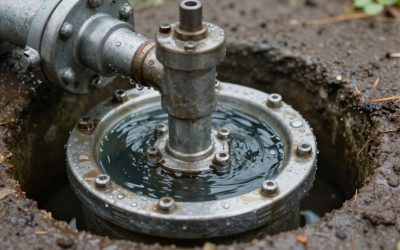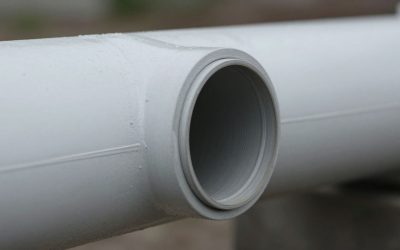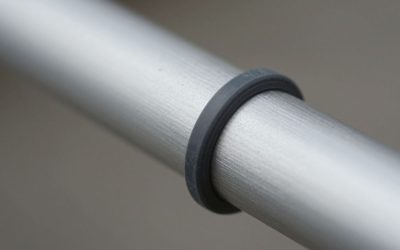
You know, keeping things sealed up tight is a big deal, especially in industries where leaks can cause real problems. We’re talking about protecting the environment and making sure equipment runs smoothly. Modern well seal materials are making a huge difference here. They’re not just simple rubber rings anymore; these are advanced solutions designed to handle tough conditions and keep everything where it should be. Let’s look at how these new materials are helping us be more eco-friendly and efficient.
Key Takeaways
- Newer seal materials, like advanced polymers and self-healing options, are better at resisting damage from things like UV rays and extreme temperatures, leading to fewer failures.
- Modern seals significantly cut down on leaks, both of harmful gases and oil, which directly reduces pollution and contamination of the environment.
- These advanced seals last much longer than older types, meaning less frequent replacements and repairs, which saves resources and reduces waste.
- Choosing the right material, whether it’s a flexible elastomer or a tough composite, is key to making sure the seal works well in its specific environment.
- Precise manufacturing methods and rigorous testing ensure that seals perform reliably, preventing leaks and contributing to overall operational safety and environmental protection.
Advancements in Seal Material Technology
It feels like just yesterday we were dealing with seals that just couldn’t handle the heat, or worse, they’d start to break down after only a short time. But things have really changed. The materials used in seals today are way more sophisticated than the simple rubber rings of the past. We’re seeing a big leap forward in how seals are made and what they can do.
Innovative Polymer Formulations
Think about the conditions seals have to work in – extreme temperatures, harsh chemicals, constant pressure. Old materials just couldn’t keep up. Now, engineers are mixing and matching polymers to create materials that are much tougher. We’re talking about compounds that can shrug off UV rays, resist corrosive fluids, and stay flexible even when it’s freezing cold or scorching hot. These aren’t just generic rubber anymore; they’re engineered for specific, tough jobs. For example, you’ve got materials like:
- HNBR (Hydrogenated Nitrile Butadiene Rubber): Great for resisting oil and heat, often found in automotive and heavy equipment.
- ePTFE (Expanded Polytetrafluoroethylene): Really good at conforming to uneven surfaces, which is handy for things like glass-lined equipment.
- Silicone Blends: Offer good flexibility and hold up well against UV and ozone, making them suitable for outdoor electronics.
These advanced polymers are often blended with other things, like fillers or even metal cores, to get just the right properties for a particular application. It’s all about fine-tuning.
Smart Seal Integration
This is where things get really interesting. Seals aren’t just passive barriers anymore. Some new systems are actually smart. They can tell you what’s going on. Imagine a seal that has tiny sensors built right in. These sensors can monitor things like pressure, temperature, or even the seal’s own integrity. If something starts to go wrong, like a small leak developing or the seal degrading, the system can send an alert. This means maintenance crews can be notified before a minor issue turns into a major breakdown. It’s like having a little watchdog for your equipment, helping to prevent costly downtime and environmental issues.
Self-Healing Material Research
This is still mostly in the research phase, but the idea is pretty amazing. Scientists are working on materials that can actually fix themselves. If a seal gets a small nick or a tiny crack, these materials could potentially repair the damage on their own. Think of it like a cut on your skin healing over time. For seals, this could mean a significant reduction in how often they need to be replaced or repaired. While we’re not quite there yet for widespread industrial use, the potential for reducing waste and maintenance is huge. It’s a glimpse into the future of sealing technology, where materials actively contribute to their own longevity.
Environmental Benefits of Modern Sealing Solutions
Reduced Fugitive Emissions
Modern well seal materials are making a big difference when it comes to stopping unwanted leaks. Think about those tiny amounts of gas or liquid that escape from equipment over time – that’s fugitive emissions. Older seals, especially the kind that use a lot of oil, can be pretty leaky. This isn’t just wasteful; it contributes to pollution. For instance, in the oil and gas industry, methane leaks from seals can add up, and methane is a potent greenhouse gas. New seal designs, particularly dry gas seals, are way better at preventing these leaks. They can cut down on fugitive emissions by as much as 95%, which is a huge win for the environment. This means less pollution getting into the air and a cleaner operation overall. It’s a simple change that has a significant positive effect on our planet.
Minimized Oil Leakage and Contamination
Beyond just gas leaks, many older sealing systems rely on oil for lubrication and sealing. This oil can, and often does, leak out. When oil escapes, it can contaminate the surrounding environment, which is a real problem, especially near water sources or sensitive ecosystems. Cleaning up oil spills is costly and difficult. Modern seals often require much less oil, or in the case of dry gas seals, no oil at all. This drastically reduces the chance of oil leakage. Less oil used means less oil to potentially leak, leading to cleaner operations and fewer environmental cleanup headaches. It’s a move towards a more sustainable approach to industry.
Enhanced Energy Efficiency
It might not seem obvious at first, but better seals can actually save energy. How? Well, older oil-based seals often create friction. This friction means the equipment has to work harder, using more power to do its job. Plus, if oil is leaking, you constantly need to add more, which takes energy too. Seals that don’t rely on oil, or use it very sparingly, have much less friction. This means the machinery runs more smoothly and uses less electricity or fuel. Some studies show that switching to these advanced seals can reduce power consumption by up to 80%. Over time, this adds up to significant energy savings and a smaller carbon footprint. It’s a win-win: better for the equipment and better for the planet.
Durability and Longevity of Advanced Seals
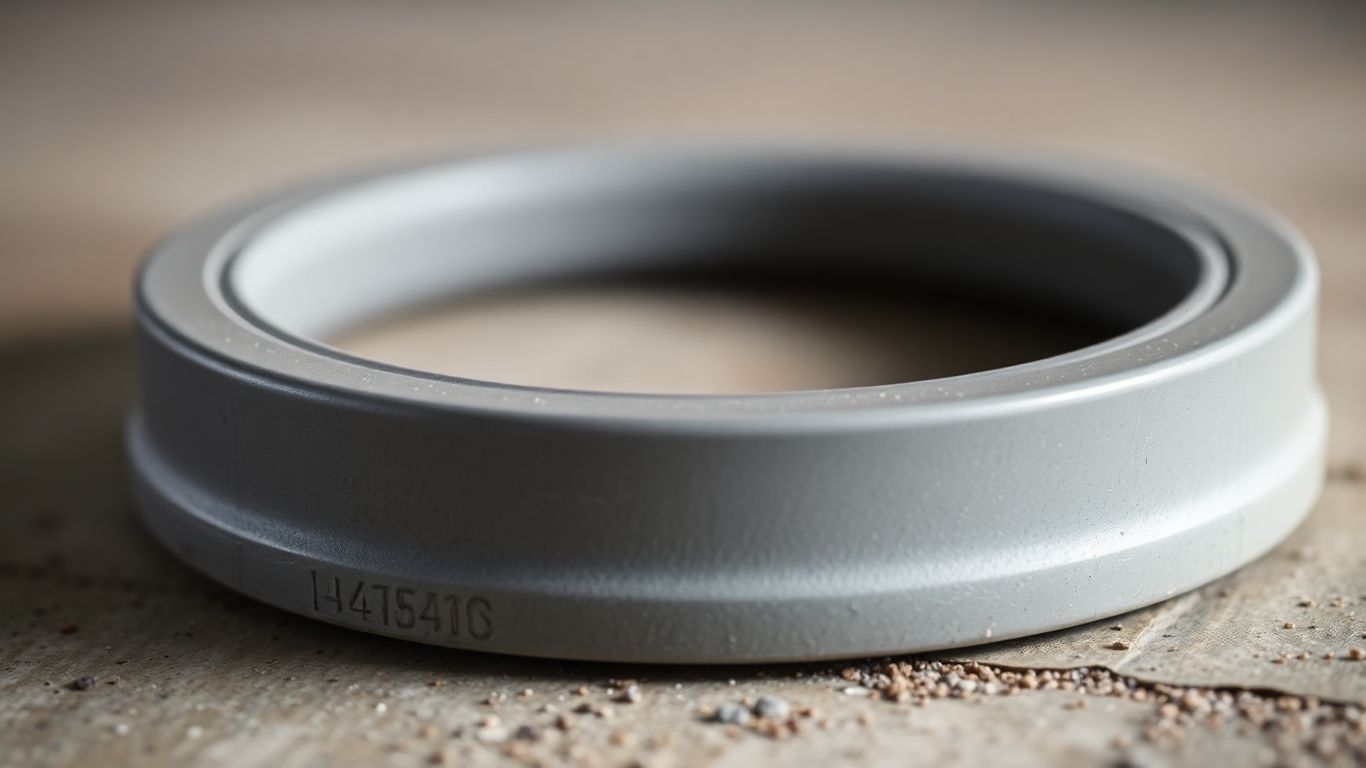
When we talk about modern well seal materials, one of the biggest wins is how long they actually last. It’s not just about stopping leaks today; it’s about making sure they keep doing their job for years, saving us headaches and money down the line. These advanced seals are built tough, designed to withstand the harsh conditions they often face.
Extended Equipment Lifespan
Think about it: a seal is often the first line of defense for a piece of equipment. If that seal fails prematurely, the whole system can be compromised. Modern materials, like those found in moulded seals, are engineered to resist the common culprits that cause wear and tear. This means the equipment they protect isn’t subjected to damaging elements like water intrusion or contaminants, which directly translates to a longer operational life. It’s like giving your machinery a protective shield that doesn’t wear out easily.
Reduced Maintenance and Repair Needs
Nobody enjoys constant upkeep, right? With seals that are built to last, you spend less time and money on repairs. Instead of frequent check-ups and patch jobs, you can rely on the seal to do its thing. This is especially true when you select the right material for the job. For instance, elastomeric seals, made from materials like EPDM or silicone, offer great flexibility and water resistance, adapting well to movement and temperature shifts without cracking. This inherent resilience means fewer emergency calls and less downtime.
Resistance to Environmental Stressors
Wells are often in tough spots, exposed to all sorts of environmental challenges. We’re talking about:
- UV Rays: Direct sunlight can break down many materials over time, making them brittle.
- Temperature Swings: Big changes from hot to cold can cause materials to expand and contract, stressing the seal.
- Chemical Exposure: Whatever might be in the ground or water can sometimes eat away at sealants.
Advanced seal materials are formulated to fight back against these issues. They’re designed to maintain their integrity even when faced with these constant environmental pressures. This resistance is key to their long-term performance and reliability.
Choosing a seal isn’t just about its immediate function; it’s about its endurance. A seal that can handle the long haul means less intervention, fewer replacements, and a more stable, reliable system overall. It’s an investment in future performance.
Material Selection for Optimal Performance
Picking the right stuff for seals is a pretty big deal, honestly. It’s not just about grabbing whatever’s on the shelf; you really need to think about what the seal is going to go through.
Elastomeric Seal Capabilities
Elastomers are those rubbery materials that can stretch and bounce back. They’re super common for seals because they can squish into gaps and fill them up, making a tight seal. Think of O-rings or gaskets in engines – they’re usually made of some kind of elastomer.
- Good for vibration and movement: Because they’re flexible, they can handle parts that shake or move a bit without breaking the seal. This is a big plus.
- Temperature range: Different elastomers handle heat and cold differently. Some get brittle when it’s cold, others can melt or degrade if it gets too hot. You gotta pick one that fits the job’s temperature.
- Chemical resistance: Water isn’t always pure, right? Sometimes it’s got chemicals or oils in it. You need an elastomer that won’t get eaten away by whatever’s in the fluid it’s sealing.
High-Performance Polymer Applications
Then you’ve got polymers, which are like the next level up. These aren’t your everyday plastics; they’re engineered for tough jobs. Materials like PTFE (you might know it as Teflon) or PEEK are in this group.
- Extreme conditions: These guys can often handle way higher temperatures and more aggressive chemicals than regular elastomers. They don’t break down as easily.
- Low friction: Some of these polymers are really slippery, which is great for moving parts. It means less wear and tear.
- Cost factor: Yeah, they’re usually more expensive upfront, but if they last way longer and prevent leaks that could cause big problems, they can save money in the long run.
Composite Material Advantages
Sometimes, you can’t get everything you need from just one material. That’s where composites come in. They mix different things together to get the best of all worlds.
- Tailored properties: You can combine things like rubber with fabric or metal to make a seal that’s strong, flexible, and resistant to chemicals all at once.
- Reinforcement: Adding fibers or particles can make a material much stronger or more resistant to wear. It’s like giving the seal a little armor.
- Specific needs: For really demanding applications, like sealing high-pressure steam or really corrosive stuff, composites are often the only way to go. They’re built for those specific, tough challenges.
Choosing the right material isn’t just about picking something that looks good on paper. It’s about understanding the real-world conditions the seal will face – the heat, the pressure, the chemicals, and how much it’ll move around. Get this wrong, and you’re just asking for trouble down the line.
Here’s a quick look at some common choices:
| Material Type | Key Strengths | Typical Uses |
|---|---|---|
| PTFE (Teflon) | Chemical resistance, low friction | Chemical processing, food equipment |
| Graphite Composites | High temp resistance, good recovery | Steam lines, exhaust systems |
| Silicone Blends | Flexibility, UV/ozone resistance | Outdoor electronics, weather seals |
| HSN (Hydrogenated Nitrile) | Oil and heat resistance, durability | Automotive, heavy machinery |
Precision Manufacturing for Superior Sealing
It’s not just about the fancy new materials we’re seeing in seals these days. How those materials are actually made into a seal makes a huge difference in how well they work. Think about it – even the best ingredients won’t make a great cake if the baker isn’t precise. The same goes for seals.
CNC Die Cutting for Accuracy
This is where computers take over the cutting. CNC (Computer Numerical Control) machines use digital designs to cut seal materials with incredible accuracy. This means every seal is exactly the same, with no human error creeping in. For critical applications, like in high-pressure systems, having a perfectly cut seal that fits just right is super important. It stops tiny gaps from forming where leaks could start.
Laser Measurement for Dimensional Integrity
After cutting, or even during the manufacturing process, lasers can be used to check the dimensions of the seal. Lasers are super precise, way more than a tape measure. This step makes sure the seal is exactly the size and shape it’s supposed to be. If a seal is even a little bit off, it might not seat properly, leading to problems down the road. This kind of checking helps catch those issues before the seal even gets installed.
Form-In-Place Gasket Technology
This is a pretty neat one. Instead of cutting a whole gasket out of a sheet, Form-In-Place (FIP) technology uses a liquid material that’s dispensed right onto the surface where the seal needs to be. It then cures in place, forming a custom-fit, seamless seal. This is great because:
- It eliminates the need for separate gasket materials.
- It can create seals on complex shapes that are hard to cut.
- It reduces waste compared to traditional die-cutting.
- It often leads to a more consistent and reliable seal.
FIP technology is changing how we think about gaskets. It allows for on-demand sealing that’s perfectly molded to the specific contours of the equipment. This means fewer potential leak paths and a more robust seal that can handle challenging conditions without shifting or compressing unevenly like some pre-cut gaskets might.
Basically, all these manufacturing techniques work together to make sure the seal does its job perfectly. It’s about taking those advanced materials and turning them into reliable components that prevent leaks and keep things running smoothly.
Testing and Validation of Seal Integrity
So, we’ve talked about all the cool new materials and how they’re made. But how do we actually know they’ll do the job, especially when it comes to keeping water out? It’s not enough to just trust the fancy brochures. We need solid proof. That’s where testing and validation come in. It’s like giving the seals a real-world workout before they get installed.
Water Immersion and Pressure Testing
This is pretty straightforward, really. We take the seals, or the components they’re part of, and we dunk them. Sometimes, we just let them sit in water for a while to see if anything seeps through. Other times, we crank up the pressure. Imagine water trying to push its way in; we simulate that by applying pressure to one side and checking the other for any signs of leakage. It’s a good way to see how a seal holds up under constant wet conditions or when there’s a force trying to breach it. This kind of testing is vital for understanding a seal’s basic ability to keep water out, and it helps us confirm its limit of detection [5a2a].
Accelerated Aging Simulations
Let’s face it, seals have to last. They can’t just work perfectly for a week and then fall apart. Accelerated aging is our way of fast-forwarding time. We put seals through a gauntlet of conditions – think intense heat, cycles of wet and dry, maybe some UV light exposure – all designed to mimic years of wear and tear in a much shorter period. It helps us predict how a seal will perform over its intended lifespan without actually waiting years to find out. We look for signs of degradation, like brittleness or loss of flexibility.
Real-World Performance Data
Lab tests are great, but nothing beats seeing how a seal performs in its actual environment. This involves collecting data from seals already in use. We look at things like how long they’ve lasted, if any issues have popped up, and what kind of maintenance they’ve needed. Sometimes, we might even install sensors to monitor things like temperature or pressure around the seal. This real-world feedback is super important because it tells us if our lab simulations were accurate and if the materials are truly holding up as expected. It’s the ultimate check.
Ultimately, rigorous testing isn’t just about finding flaws; it’s about building confidence. It confirms that the advanced materials and manufacturing processes are translating into reliable, long-lasting performance in the field, protecting against leaks and contamination.
Wrapping It Up
So, when you look at all the new materials and smart ideas going into well seals these days, it’s pretty clear they’re doing more than just keeping water out. They’re helping industries run cleaner and last longer. From tougher polymers that can handle pretty much anything the weather throws at them, to seals that can actually tell us when they need attention before a problem starts, the progress is real. It’s not just about fixing a leak anymore; it’s about building things that are more reliable and kinder to our planet. These advancements mean less waste, fewer repairs, and a generally more responsible way of doing things, which is a win-win for everyone involved.
Frequently Asked Questions
What makes modern well seals better for the environment?
Modern seals are made from advanced materials that don’t leak as much harmful stuff into the air or water. They also help machines run better, using less energy and needing fewer replacements, which means less waste.
How do new seal materials stop leaks?
New materials are tougher and more flexible. Some can even fix small tears themselves! This means they can keep liquids and gases locked inside equipment much more reliably than older seals.
Do advanced seals last longer?
Yes, they do! Because they are made from stronger stuff and designed better, they can work for many years without breaking down. This means less need for repairs and less waste from thrown-out parts.
Are smart seals really a thing?
Yes, some new seals have tiny sensors built into them. These sensors can tell if the seal is starting to wear out or having a problem, and they send an alert so people can fix it before it causes a big leak.
Why is choosing the right seal material important?
Different jobs and environments need different seals. Picking the right material, like a special plastic or rubber, ensures the seal can handle the heat, chemicals, or pressure without failing and causing a leak.
How do we know if a new seal will really work well?
Companies test new seals a lot! They might soak them in water, put them under pressure, or use special machines to make them age quickly. This helps them see how well the seals will work in real life for a long time.