When we talk about getting ready for emergencies, especially in tough places like offshore operations, we often think about big things like evacuation plans or communication systems. But sometimes, the smaller parts are just as important. How well seals play a role in emergency preparedness plans might not be the first thing that comes to mind, but these components are actually pretty vital. They help keep systems working, protect equipment, and even make sure safety gear is ready when you need it most. Let’s look at why these often-overlooked parts matter.
Key Takeaways
- Seals are important for keeping water out of critical systems, which protects valuable equipment from damage, especially during bad weather.
- The right kind of seals need to be chosen based on the specific situation and what needs protecting, as there’s no one-size-fits-all solution.
- Seals help make sure fire protection equipment, like fire doors and extinguishers, are ready and haven’t been messed with.
- Good emergency plans include figuring out risks, making detailed plans, training people, having the right gear, and clear communication.
- Technology and learning from past events are changing how we prepare for emergencies, making response quicker and more effective.
Understanding the Importance of Seals in Emergency Preparedness
When we talk about getting ready for emergencies, it’s easy to focus on the big stuff like evacuation plans or backup generators. But sometimes, the most important things are the small, often overlooked components that keep everything else working. That’s where seals come in. They might seem minor, but they play a surprisingly big role in keeping people and property safe when things go wrong.
Safeguarding Lives and Assets
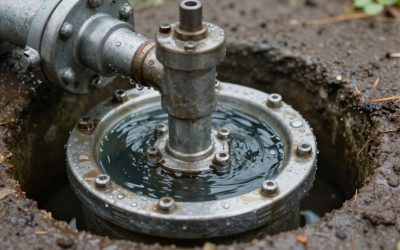
Think about it: in a crisis, you need critical systems to function. Seals are the silent guardians that prevent unwanted elements, like water or dust, from getting into sensitive equipment or structures. This protection is vital for things like electrical systems in underground vaults or the integrity of fire suppression equipment. If water gets into a transformer vault, it could cause a blackout, making an already bad situation much worse. Properly sealed systems mean less chance of secondary failures during an emergency.
Mitigating Risks and Ensuring Continuity
Emergencies, whether they’re natural disasters or accidents, can disrupt everything. Seals help reduce the impact of these disruptions. For instance, in industrial settings, seals on pipelines or storage tanks can prevent leaks of hazardous materials, which could otherwise turn a manageable incident into an environmental catastrophe. They also help keep essential services running. Imagine a water main break; good seals can help isolate the damaged section, limiting the scope of the outage and speeding up repairs. This continuity is key to getting back to normal faster.
Protecting the Environment and Reputation
Beyond immediate safety and operational continuity, seals have a broader impact. In places like offshore oil rigs or chemical plants, a seal failure can lead to spills that devastate ecosystems. Preventing these leaks isn’t just about environmental responsibility; it’s also about maintaining public trust and a company’s reputation. A major environmental incident can cause lasting damage to a brand, leading to fines, legal battles, and a loss of customer confidence. Investing in reliable sealing solutions is a proactive step towards avoiding these costly outcomes.
Seals as Critical Components in System Hardening
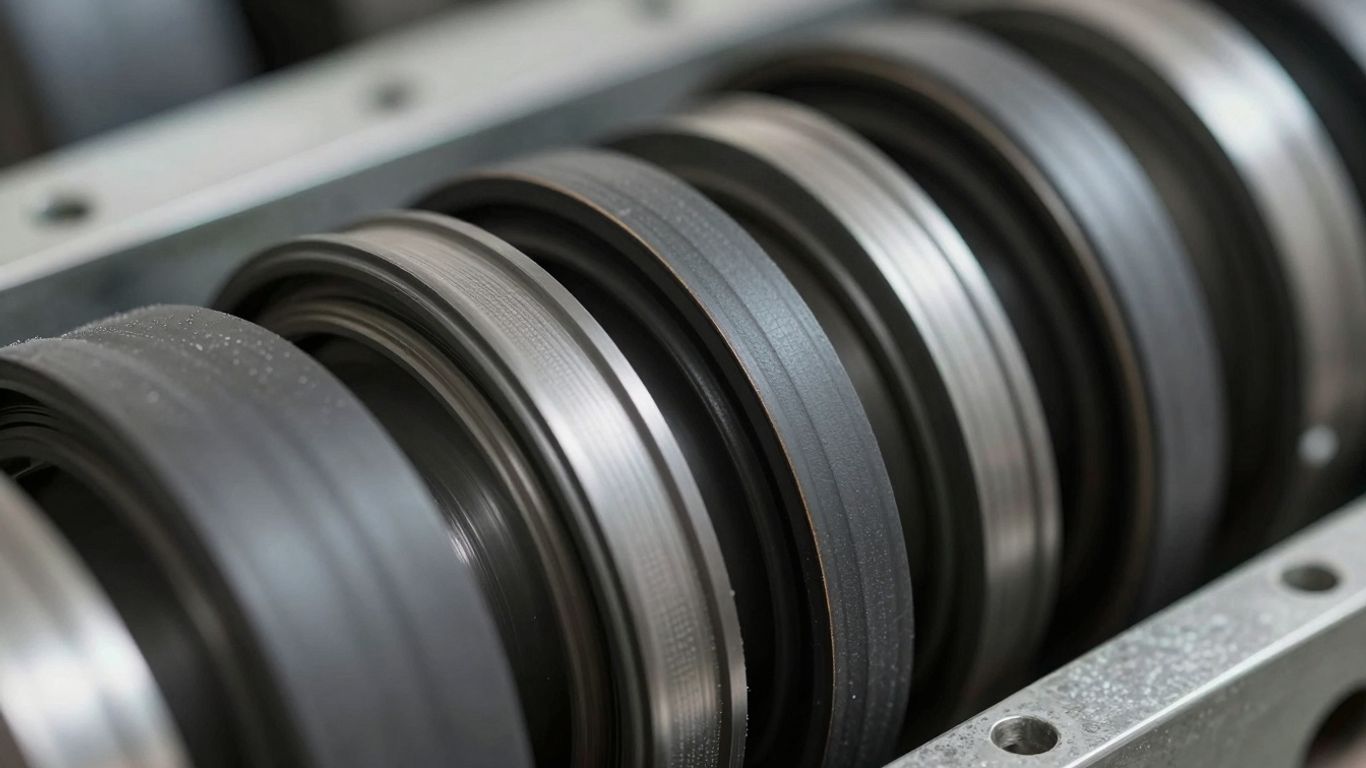
When we talk about making systems tougher, especially against things like water damage or unauthorized access, seals are a really big deal. They might seem small, but they do a lot of heavy lifting in keeping important stuff safe and working.
Preventing Water Penetration in Critical Infrastructure
Water getting into places it shouldn’t can cause a ton of problems, leading to expensive repairs and downtime. Think about electrical grids or communication networks – if water gets in, it can mess things up big time. Proper sealing is key to stopping this before it starts. It’s not just about keeping rain out; it’s about protecting against floods and even just everyday moisture that can corrode components over time. Using the right seals means you’re building resilience right into the system, which is super important when you consider how often we’re seeing more intense weather events these days. It’s an investment that pays off by saving vital equipment and keeping services running.
Here’s a look at some common areas where water can sneak in and why seals matter:
- Cable Raceways: These are pathways for cables, and if not sealed properly where they enter buildings or enclosures, water can follow the cables right inside.
- Wall Penetrations: Any hole made in a wall for pipes, conduits, or cables is a potential entry point for water. Seals here need to be robust and flexible enough to handle different materials and potential movement.
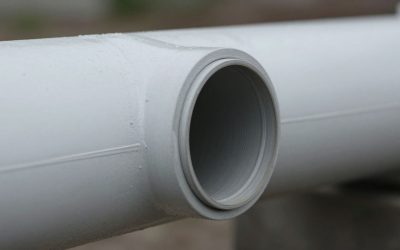
- Conduit Entries: Especially underground conduits, these are prime targets for water. Seals need to withstand pressure from standing water and prevent it from migrating into sensitive equipment.
Durable Sealing Technologies for Asset Protection
Choosing the right sealing material is like picking the right tool for a job. You wouldn’t use a hammer to screw in a bolt, right? The same applies here. Different situations call for different sealants. Some older methods, like basic putty or cement, just don’t cut it anymore. They can sag, crack, or just aren’t strong enough to hold back significant water pressure. Modern solutions are much better.
- Two-part expanding foams: These are pretty neat because they fill gaps really well and can handle different shapes. They’re also good because you can usually remove them later if you need to get back into the conduit or wall for maintenance.
- Epoxy mortars: These are great for sealing up cracks or smaller imperfections. They form a really tough, water-resistant barrier.
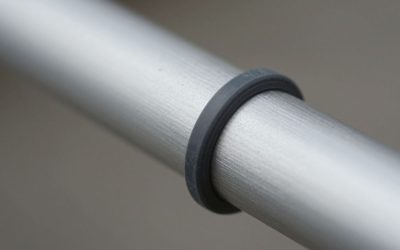
- Mechanical seals: These are pre-made seals that can be really effective, especially for high water pressure. They’re often easy to take out if needed, but can be tricky if you have a lot of cables packed into a conduit.
The trick is to really look at what you’re trying to protect, where it is, and what kind of threats it faces. Is it just a bit of dampness, or are we talking about potential flooding? What materials are involved? Answering these questions helps narrow down the best sealing option. And don’t forget surface prep – cleaning up the area before you seal is half the battle.
Matching Sealant Solutions to Specific Project Needs
So, how do you pick the right seal? It starts with asking a lot of questions about the specific site. You need to figure out:
- What exactly needs protection? Is it a single cable or a whole bundle? Is the equipment inside mission-critical?
- What are the environmental conditions? Is it exposed to the elements, underground, or indoors? What’s the typical temperature range?
- What materials are you sealing around? Metal, plastic, concrete – they all behave differently and require different adhesion properties from the sealant.
- What’s the potential water pressure? This is a big one. A seal that can handle a few inches of water might fail if it’s subjected to several feet during a flood.
- Are there any specific building codes or standards to meet? Sometimes, you need seals that are certified for certain applications, like fire resistance or specific industry requirements.
By carefully considering these factors, you can move beyond generic solutions and find a sealant that will actually do its job effectively for the long haul. It’s about being smart and specific with your approach to system hardening.
The Role of Seals in Securing Essential Safety Equipment
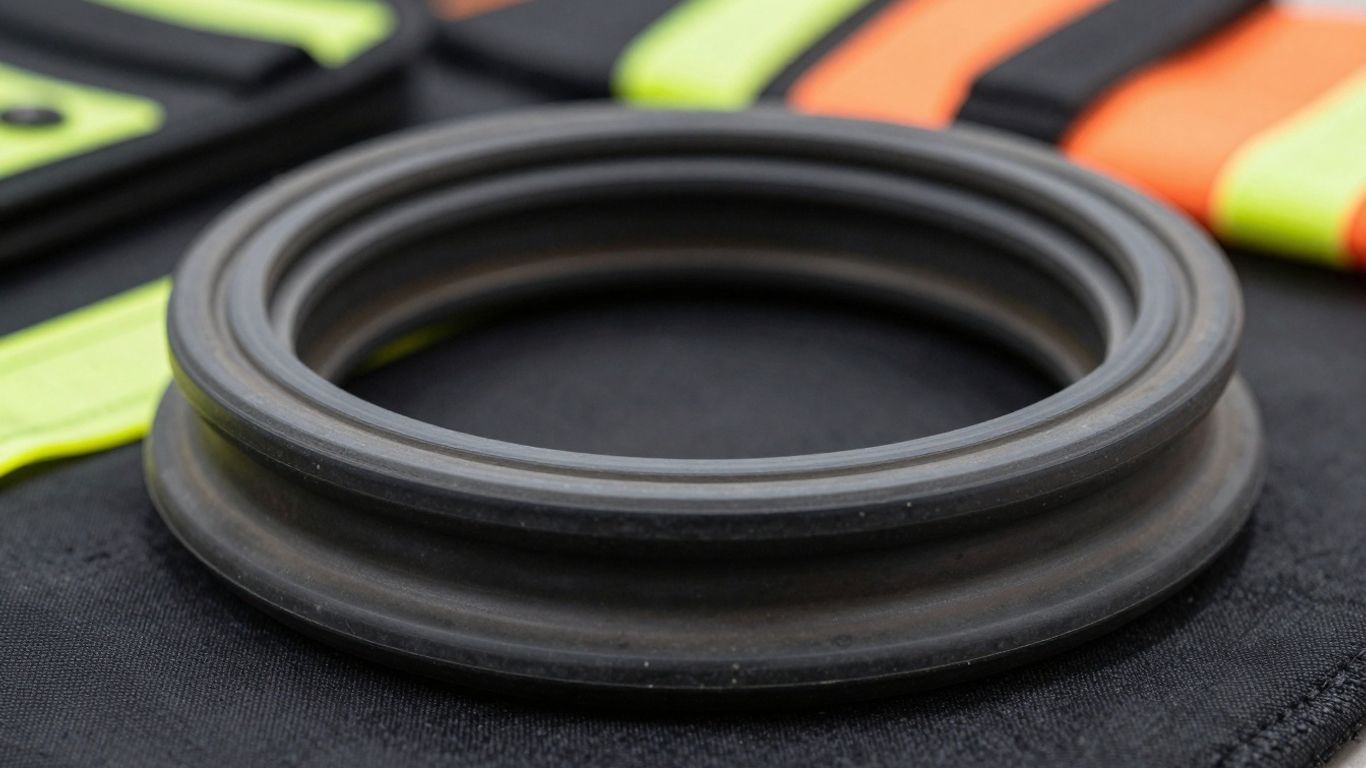
When emergencies strike, having safety equipment ready to go is non-negotiable. Think about fire extinguishers, emergency exits, and fire doors – these aren’t just features of a building; they’re lifelines. Seals play a surprisingly big part in making sure these critical items actually work when you need them most.
Ensuring Fire Protection Equipment Readiness
Fire safety gear, like extinguishers and the cabinets they’re in, needs to be protected from unauthorized access or tampering. If someone messes with an extinguisher or takes it without a good reason, it might not be there or might not work when a fire breaks out. Security seals, often simple plastic or wire ties, provide a visual cue. If the seal is broken, you know someone has been messing with the equipment. This simple act helps maintain the integrity of your fire safety systems, giving you a better chance that everything will function as intended during a real emergency.
Maintaining Integrity of Fire Doors and Emergency Exits
Fire doors are designed to compartmentalize a building, slowing the spread of flames and smoke. Emergency exits need to be clear and accessible for people to get out safely. Seals on these doors, especially those that are normally closed, can help confirm they haven’t been propped open or tampered with. This is especially important in places where access might be restricted or where there’s a risk of unauthorized entry. Keeping these pathways secure and functional is a direct result of proper sealing and maintenance.
Tamper-Evident Seals for Enhanced Security
Beyond just fire equipment, tamper-evident seals are used on a variety of safety devices. This could include first-aid kits, emergency power shut-offs, or even critical control panels for safety systems. The idea is straightforward: if a seal is broken, it signals that an intervention has occurred. This is useful not just for preventing theft or vandalism, but also for accountability. Knowing that a seal was broken can prompt an investigation into why and whether the equipment is still reliable. It’s a low-tech solution with a significant impact on overall safety readiness.
The reliability of safety equipment hinges on its readiness. Seals act as guardians, providing a clear indication of whether equipment has been accessed or interfered with, thereby supporting the confidence that these vital systems will perform when called upon.
Key Elements of Effective Emergency Preparedness Plans
Putting together a solid emergency plan isn’t just about having a document; it’s about making sure it actually works when things go sideways. Think of it like preparing for a big storm – you don’t just hope for the best, you get ready. For any operation, especially those in high-risk environments, a few things are really important.
Comprehensive Risk Assessment and Planning
First off, you’ve got to know what you’re up against. This means looking at all the potential problems, from equipment failures to natural events, and figuring out how likely they are and what kind of mess they could cause. Once you’ve got a handle on the risks, you can start building your plan. This plan needs to be detailed, covering what to do in different scenarios. It’s not a one-and-done deal either; these plans need to be reviewed and updated regularly. Things change, and your plan should keep up.
A good plan anticipates problems before they happen. It’s about being proactive, not just reactive. This means thinking through the ‘what ifs’ and having clear steps for each one.
Regular Training, Drills, and Resource Management
Having a plan on paper is one thing, but making sure people know what to do is another. Regular training sessions are a must. People need to practice their roles so that when an actual emergency hits, they’re not fumbling around. Drills are super important here. They should mimic real-life situations as closely as possible. You also need to make sure you have the right stuff on hand – the equipment, supplies, and personnel needed to respond. Keeping track of these resources and making sure they’re in good working order is part of the deal.
Here’s a quick look at what needs to be managed:
- Personnel: Ensuring enough trained staff are available and know their duties.
- Equipment: Maintaining safety gear, communication tools, and response apparatus.
- Supplies: Stocking necessary medical kits, food, water, and other consumables.
- Information: Keeping contact lists and critical data up-to-date.
Robust Communication and Coordination Protocols
When an emergency strikes, clear and quick communication is everything. You need established ways for people to talk to each other, both within the operation and with outside help, like emergency services. This means having reliable communication systems and knowing who needs to be informed and when. Coordination is just as vital. Different teams and agencies need to work together smoothly. This often involves joint planning and exercises so everyone understands how to cooperate effectively during a crisis. Without good communication and coordination, even the best-laid plans can fall apart.
Broader Implications of Preparedness for Offshore Operations
Environmental Stewardship and Risk Mitigation
When you’re working out at sea, especially with oil and gas, the stakes for the environment are incredibly high. A small leak can turn into a big problem, fast. That’s why having solid emergency plans isn’t just about keeping people safe; it’s about protecting the ocean and the coastlines too. Effective preparedness means having the right gear and trained teams ready to jump into action if something goes wrong, like a spill. This helps limit the damage to marine life and ecosystems, which is something we all have a responsibility to do. It’s not just the right thing to do ethically, but most places have rules about it, and you don’t want to get on the wrong side of those.
Regulatory Compliance and Operational Licensing
Governments and regulatory bodies have pretty strict rules for offshore work. They want to make sure companies are doing everything they can to prevent accidents and respond if they happen. Following these rules is a big deal. If you don’t, you could face hefty fines, and worse, you might lose your permission to operate. It’s like having a driver’s license – you need to follow the rules to keep it. For offshore sites, this means regular checks, proper documentation, and proving you have a working emergency plan in place. It’s a constant effort to stay on the right side of the law and keep the business running.
Corporate Reputation and Stakeholder Confidence
What happens offshore doesn’t just stay offshore. News travels, and people notice. If there’s a major incident, it can really hurt a company’s image. Think about it – investors get nervous, customers might look elsewhere, and it can take years to rebuild trust. On the flip side, a company that shows it’s serious about safety and preparedness, and handles any incidents smoothly, builds a good reputation. This can actually attract more business and make investors feel more secure. It’s all about showing you’re a responsible operator, especially when dealing with potentially risky environments. A good track record in emergencies is a real asset.
The Evolving Landscape of Emergency Preparedness
Technological Advancements in Monitoring and Response
Things are always changing, right? The way we prepare for emergencies is no different. Technology is really shaking things up, making our response plans smarter and faster. Think about early warning systems – they’re getting way better at spotting trouble before it gets serious. We’re seeing more drones and robots out there, doing inspections and helping out when things go wrong. Plus, communication tools are getting a serious upgrade, which means everyone can stay in the loop and work together more smoothly during a crisis.
Adapting to Regulatory Changes and Best Practices
Governments and industry groups are constantly updating the rules and what’s considered the best way to handle emergencies. It’s a lot to keep up with, but it’s super important. Staying on top of these changes means companies can keep their operations running legally and avoid big fines. It’s like a moving target, and you have to keep adjusting your aim.
Continuous Learning from Past Incidents
Every emergency, whether it’s a big disaster or a small hiccup, teaches us something. The trick is to actually learn from it. Companies are getting better at looking back at what happened, figuring out what worked and what didn’t, and then tweaking their plans. This ongoing process of review and adjustment is key to making sure our emergency plans are always as effective as they can be. It’s not about dwelling on the past, but using those lessons to build a safer future.
It’s easy to think that once a plan is written, it’s done. But that’s just not how it works in the real world. Emergencies are unpredictable, and the world around us changes constantly. So, our preparedness has to change too. We need to be flexible and ready to adapt, using new tools and insights to stay ahead of potential problems. It’s a cycle of planning, acting, and learning.
Here’s a quick look at how things are changing:
- Monitoring Tech: Better sensors and real-time data.
- Response Tools: Drones, ROVs, and improved communication.
- Learning Cycles: Regular reviews of incidents to update procedures.
- Regulatory Updates: Staying compliant with new safety standards.
Wrapping It Up
So, when you really look at it, those seals we talked about? They’re not just little rubber rings. They’re actually a pretty big deal when things go sideways. We’ve seen how they can stop water from wrecking important stuff, which saves a ton of headaches and money down the line. Whether it’s keeping a fire door shut tight or making sure a critical system doesn’t get flooded, these simple parts play a role in keeping everything running, especially when you can’t afford for it not to. It’s like having a quiet guardian for your equipment, making sure it’s ready when you need it most. Don’t underestimate them!
Frequently Asked Questions
Why is having a good emergency plan so important?
Having a solid emergency plan is super important because it helps keep people safe, protects important stuff, and makes sure things can keep running even when something bad happens. It’s like having a roadmap for emergencies, so everyone knows what to do. This plan helps reduce the damage from things like storms or accidents and makes sure help arrives quickly. It also helps protect the environment, like preventing oil spills, and keeps companies out of trouble with the law. Plus, a good plan makes people trust the company more.
How do seals help protect buildings and equipment during emergencies?
Seals are like tiny guardians for buildings and equipment. They stop water from getting in, which can cause a lot of damage, especially during floods or storms. Think of them as a waterproof barrier. Using the right kind of seals, like strong ones that can handle tough conditions, helps keep important gear safe and working. This means less money spent on repairs and less time where things can’t be used.
What role do seals play in keeping safety equipment ready?
Seals are also used on safety equipment like fire extinguishers and emergency exit doors. They act as a seal of approval, showing that the equipment hasn’t been messed with. This way, when an emergency like a fire happens, you know the fire doors will open correctly and the fire extinguishers are ready to use. It’s a simple way to make sure safety gear is always in top shape.
What are the main parts of a good emergency plan?
A good emergency plan has a few key parts. First, you need to figure out what could go wrong and how likely it is. Then, you write down clear steps for what to do in different situations. Practicing these steps with drills and training is also a must, so everyone knows their job. Having the right tools and supplies ready, like first-aid kits and communication devices, is important too. Finally, making sure everyone can talk to each other and work together smoothly is crucial for a quick and effective response.
Why are emergency plans extra important for places like oil rigs?
Places like oil rigs are extra risky because they are often far away from land and deal with dangerous materials. They face tough weather like hurricanes and have a higher chance of accidents. Because of these high risks, having a really strong emergency plan is vital. It helps protect the workers, the environment from things like oil spills, and makes sure the company follows all the rules and keeps its good name.
How is technology changing emergency preparedness?
Technology is making emergency plans smarter and better. New systems can warn us about danger much earlier. Drones and robots can help check on things or assist in emergencies. Better communication tools mean everyone can stay in touch and share information easily. This helps response teams act faster and more effectively when something happens.