You know, sometimes the smallest parts make the biggest difference. When it comes to heavy machinery and industrial equipment, things like hydraulic seals might seem minor. But let me tell you, a good seal is like the unsung hero. It keeps everything running smoothly and, more importantly, keeps the expensive problems away. This article is all about why durable well seals reduce maintenance costs, and honestly, it’s a pretty big deal for anyone running this kind of gear.
Key Takeaways
- Good seals stop fluids from leaking out and gunk from getting in, keeping your equipment working right.
- When seals last longer, your machines do too, meaning fewer repairs and less wear on moving parts.
- Durable seals mean less surprise downtime, letting you plan maintenance instead of reacting to breakdowns.
- Picking the right seal means looking at how you use your equipment and choosing materials that can handle it.
- Regular checks and quick fixes for seals save you a lot of money and headaches down the road.
Understanding The Role Of Durable Well Seals
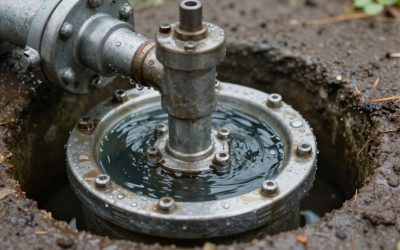
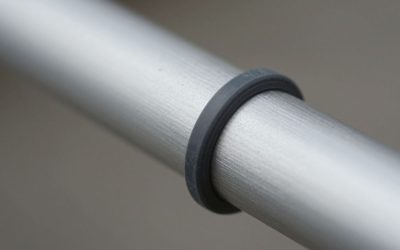
Think about the complex machinery that keeps our industries running – the big hydraulic systems in construction, manufacturing, or even energy production. They’re the workhorses, doing all the heavy lifting, drilling, and compressing. But inside these powerful machines are smaller, often overlooked parts that are absolutely critical: well seals. These aren’t just simple rubber rings; they’re precision-engineered components that do a couple of really important jobs.
Preventing Costly Fluid Leakage
At its core, a well seal’s main gig is to keep the hydraulic fluid where it belongs – inside the system. Hydraulic fluid is the lifeblood of these machines, transmitting power and lubricating moving parts. If it starts to leak out, even a little bit, it’s a big problem. Leaks mean pressure drops, which makes the equipment work harder and less efficiently. Plus, that lost fluid costs money, and the mess it makes can be a safety hazard. A good, durable seal stops these leaks before they even start. It’s like a perfectly fitted plug that holds everything in place, no matter the pressure or temperature.
Maintaining System Integrity
Beyond just stopping fluid from escaping, seals also act as a barrier against the outside world. Think about all the dirt, dust, and moisture that can be present in an industrial environment. If any of that gets into the hydraulic system, it’s like throwing sand into a finely tuned engine. Contaminants can scratch surfaces, clog passages, and generally wreak havoc, leading to premature wear and eventual failure. Durable seals keep this unwanted stuff out, preserving the cleanliness and proper functioning of the entire hydraulic circuit.
Shielding Against Contaminants
This ties directly into maintaining system integrity. The seal’s design and material are key here. It needs to be tough enough to withstand the harsh conditions it operates in – high pressures, extreme temperatures, and constant motion – while still forming a tight barrier. A worn-out or poorly designed seal can let in all sorts of grit and grime. This contamination is a major cause of breakdowns, leading to expensive repairs and frustrating downtime. By effectively shielding the system, durable seals protect the delicate internal components from damage, keeping the machinery running smoothly and reliably.
Here’s a quick look at what seals are up against:
- Pressure: Hydraulic systems can operate under thousands of PSI.
- Temperature: Seals must handle both extreme heat and cold.
- Contaminants: Dirt, dust, water, and debris are common threats.
- Friction: Constant movement between parts can cause wear.
The effectiveness of a well seal isn’t just about stopping leaks; it’s about creating a robust defense against everything that could go wrong inside a hydraulic system. It’s a small part with a huge responsibility.
The Impact Of High-Quality Seals On Equipment Longevity
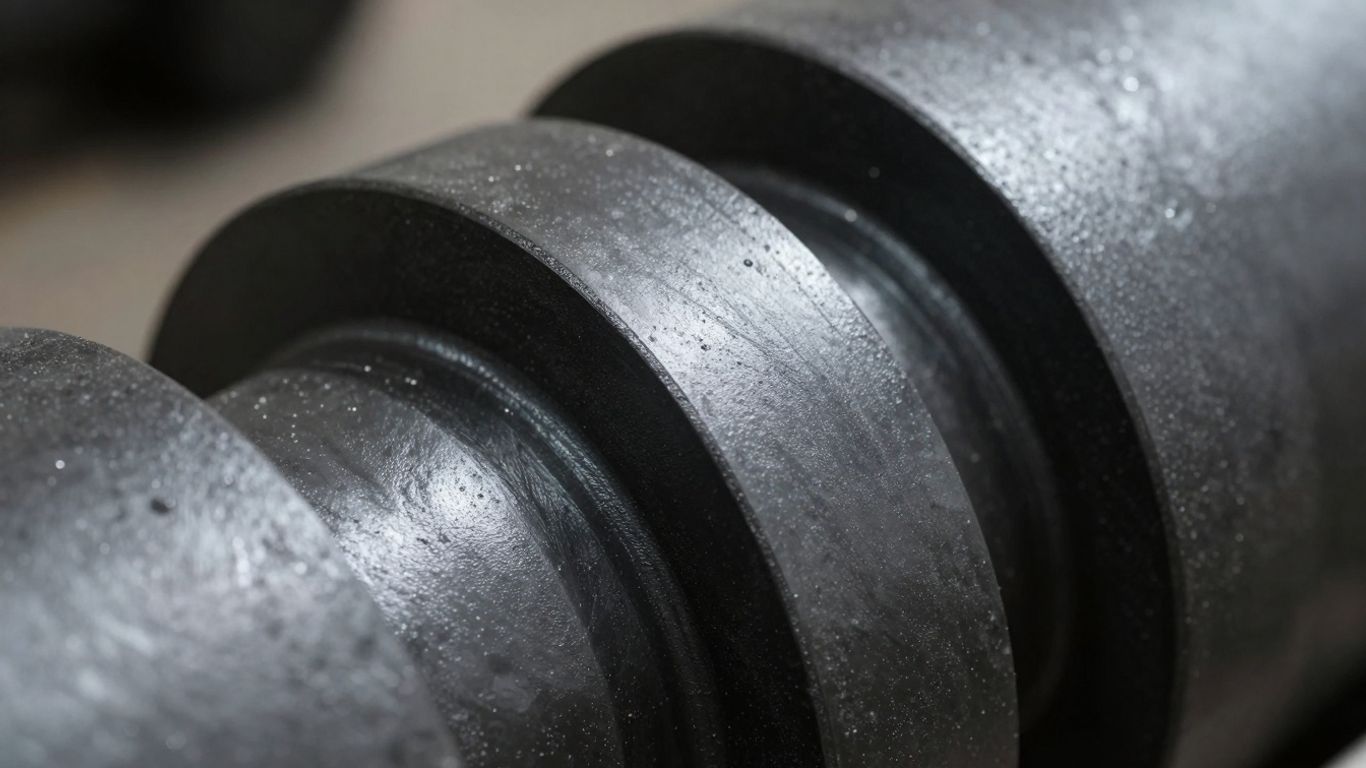
When you’re dealing with heavy machinery, especially hydraulic systems, the little things really do matter. And when it comes to those little things, a good well seal is surprisingly important for making sure your equipment doesn’t give up the ghost too soon. Think about it: these seals are constantly working under pressure, keeping vital fluids in and nasty stuff out. Using top-notch seals means your equipment just lasts longer, plain and simple.
Extending The Lifespan Of Hydraulic Systems
High-quality seals are like the unsung heroes of your hydraulic systems. They’re not just there to stop leaks; they’re actively protecting the whole setup. A well-made seal, crafted from resilient materials, fits perfectly and does a better job of keeping the internal workings clean. This means less wear and tear on parts that are always on the move, like pistons and rods. When you prevent abrasive particles, dirt, or moisture from getting in, you also cut down on the chances of corrosion eating away at metal components. It’s a chain reaction: better seals lead to a healthier system, and a healthier system naturally lasts longer.
Reducing Wear On Moving Components
Inside any hydraulic cylinder, there are parts that slide and move against each other constantly. Seals sit right in the path of this motion. If a seal is low quality, it might not create a perfect barrier. This can let tiny bits of grit or debris get in, acting like sandpaper on those moving parts. Over time, this constant abrasion wears down surfaces, making them rougher and less efficient. It can also lead to increased friction, which means the system has to work harder. High-quality seals, on the other hand, maintain a consistent, smooth barrier, minimizing this friction and wear. This keeps components operating as they should for much longer.
Protecting Against Environmental Factors
Equipment often operates in tough environments. Whether it’s a construction site with dust flying everywhere, a factory floor with chemical spills, or an outdoor rig exposed to rain and extreme temperatures, the seals are on the front lines. A durable seal is designed to withstand these external challenges. It won’t degrade quickly when exposed to UV light, harsh chemicals, or wide temperature swings. By acting as a robust shield, it prevents these environmental aggressors from compromising the internal integrity of the hydraulic system, which is key to preventing premature failure and extending the overall operational life of the machinery.
Why Durable Seals Translate To Lower Maintenance Costs
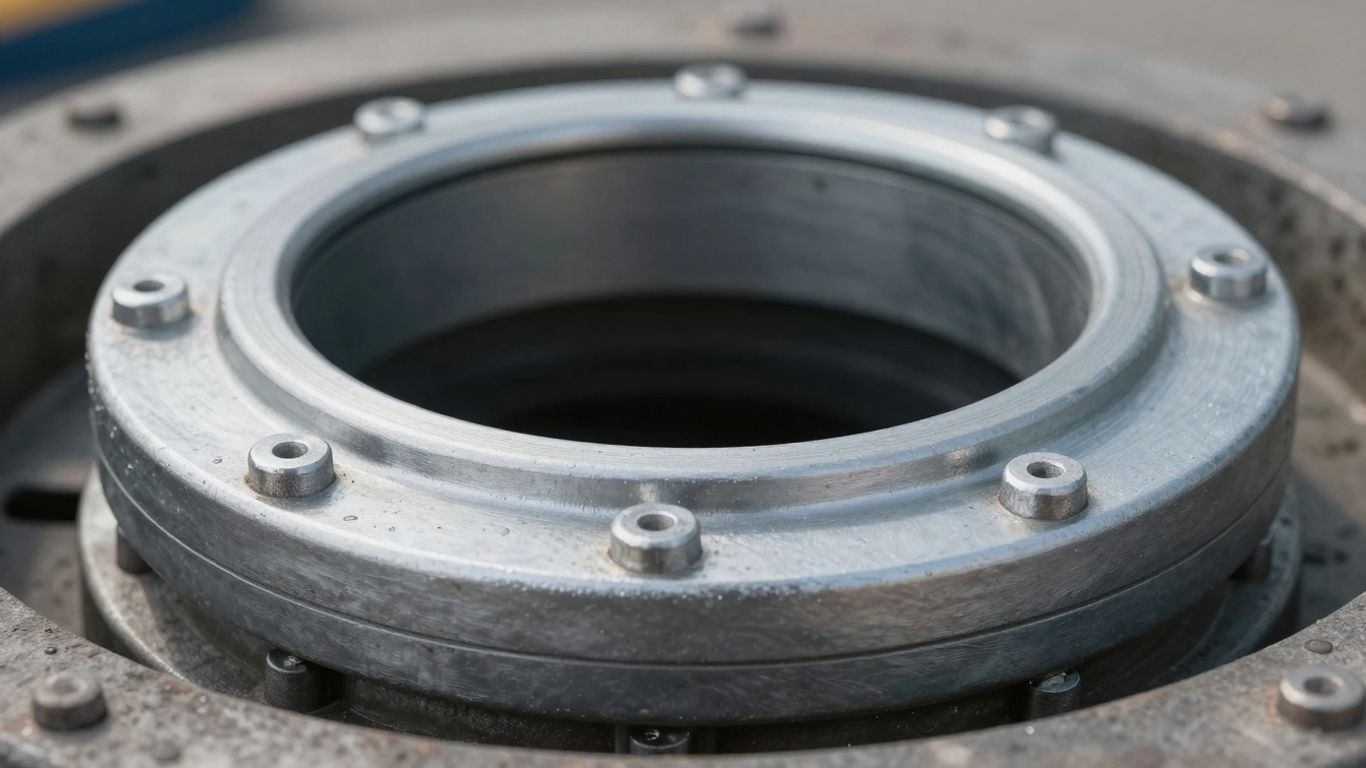
Look, nobody likes dealing with equipment breakdowns. It’s a headache, it costs money, and it throws a wrench in your whole operation. That’s where good, tough well seals really start to shine. They’re not just some small part; they’re like the unsung heroes keeping everything running smoothly.
Minimizing Unforeseen Downtime
When you’ve got seals that are built to last, you cut down on those surprise failures. Think about it: a cheap seal might start leaking after a few months, or worse, just give out. Suddenly, you’ve got fluid everywhere, the machine stops working, and you’re scrambling to fix it. This kind of unplanned downtime is a major drain on resources, both in terms of repair costs and lost productivity. With durable seals, you avoid that panic. They just keep doing their job, day in and day out, meaning your equipment stays online and productive.
Enabling Planned Maintenance Schedules
Instead of constantly reacting to problems, durable seals let you get ahead of things. You can set up a maintenance schedule based on actual wear and tear, not just because a seal failed unexpectedly. This means your maintenance teams can plan their work, order parts in advance, and perform tasks during times that cause the least disruption. It’s a much more organized and cost-effective way to manage your equipment. You’re not just fixing things; you’re maintaining them smartly.
Reducing Frequency Of Replacements
This one’s pretty straightforward. If a seal lasts longer, you don’t have to replace it as often. Every time you replace a seal, there’s labor involved, the cost of the new seal itself, and the potential for issues during installation. By choosing seals that are made from resilient materials and designed for tough conditions, you significantly cut down on how many times you need to go through that whole process. Over the lifespan of your equipment, these savings really add up. It’s a simple equation: longer-lasting seals equal fewer replacements and lower overall maintenance bills.
Selecting The Right Durable Well Seals
Picking the right well seals isn’t just about grabbing something that fits. It’s about making a smart choice that saves you headaches and money down the road. Think of it like buying shoes – you wouldn’t get hiking boots for a formal event, right? Same idea here. You need seals that are built for the specific job they’ll be doing.
Matching Seal Design To Operational Needs
Every well system is a bit different. Some run hot, some deal with a lot of pressure, and others might have fluids that are tougher on materials. You’ve got to look at what your equipment is actually doing.
- Pressure Ratings: How much pressure does the system generate? The seal needs to handle that, and then some, without getting squished out of shape.
- Temperature Range: Is it operating in a freezing environment or near a heat source? Seals can get brittle when cold or soft when hot, so the material needs to be right for the temperature.
- Fluid Compatibility: What kind of fluid is being sealed? Some chemicals can eat away at certain rubber or plastic compounds. You need a seal that won’t break down when it comes into contact with it.
- Motion Type: Is it a rotating shaft or a reciprocating rod? Different types of seals are designed for different kinds of movement, or even for static applications where nothing moves.
Choosing Premium, Resilient Materials
Once you know the conditions, you can pick the material. It’s not just about rubber; there are lots of options.
- Elastomers: These are your common rubber-like materials. Nitrile (Buna-N) is good for general oil resistance, while Viton (FKM) holds up better to heat and chemicals. Silicone is great for extreme temperatures but might not be as tough mechanically.
- Thermoplastics: Materials like PTFE (Teflon) are super slick and resist almost everything, but they don’t have much give. They’re often used in combination with other materials.
- Composites: Sometimes, you’ll see seals made from a mix of materials to get the best of both worlds – like a tough outer layer with a softer sealing element.
The key is to avoid generic seals and opt for those specifically engineered for your application’s demands.
Partnering With Reputable Suppliers
Don’t try to be a hero and guess. Find a supplier who knows their stuff. They can help you figure out exactly what you need. A good supplier will:
- Have a wide selection of seals for different industries and uses.
- Provide clear technical data on their products.
- Offer support and advice when you’re not sure about a choice.
- Be reliable with delivery so you don’t have to wait around.
Trying to save a few bucks on a cheap seal can end up costing you a lot more in the long run with leaks, downtime, and damage to other parts. It’s usually worth paying a bit more for quality and peace of mind.
Proactive Maintenance For Seal Durability
Implementing Regular Inspection Routines
Think of your well seals like the tires on your car. You wouldn’t just drive them until they blow out, right? Regular checks are key to catching small issues before they turn into big, expensive problems. A quick look-over during routine system checks can reveal a lot. Are there any visible cracks? Is the seal looking dry or brittle? Sometimes, just noticing a bit of unusual wear can save you a major headache down the line.
Training Maintenance Teams On Seal Care
Your maintenance crew is on the front lines. Making sure they know what to look for and how to handle seals properly makes a huge difference. It’s not just about spotting damage; it’s also about correct installation. A seal put in the wrong way, even if it’s top-notch, won’t perform as it should and could fail prematurely. Providing them with the right training means they can spot issues early and handle replacements with care, making sure the new seal lasts its full life.
Addressing Wear And Tear Promptly
When you find a seal that’s seen better days, don’t put off replacing it. That little bit of wear you noticed? It can quickly lead to leaks, contamination, or system failure. Acting fast means you can often schedule the replacement during a planned shutdown, which is way cheaper and less disruptive than an emergency fix. It’s all about staying ahead of the game.
Keeping a small stock of common seal sizes can also speed up repairs. When you know you have the right part on hand, you can swap out a worn seal much faster, minimizing any downtime.
Here’s a quick rundown of what to check:
- Visual Inspection: Look for cracks, tears, abrasions, or signs of hardening.
- Feel: Does the seal feel unusually stiff or overly soft?
- Environment: Note any exposure to extreme temperatures, chemicals, or excessive pressure that could speed up wear.
- System Performance: Are there any subtle changes in how the system is running that might point to a seal issue?
The Broader Benefits Of Durable Well Seals
Enhancing Overall System Reliability
When you’ve got seals that are built tough and fit just right, the whole system just runs better, plain and simple. Think about it: fewer leaks mean the pressure stays where it’s supposed to be, and that means the equipment does its job without a hitch. This kind of steady performance isn’t just nice to have; it’s what keeps operations moving smoothly, day in and day out. Reliability becomes the norm, not the exception.
Improving Operational Efficiency
It’s not just about avoiding problems. Good seals actually help things run more efficiently. When fluid isn’t escaping and contaminants aren’t getting in, the machinery doesn’t have to work as hard. This means less wasted energy and more output for the same amount of input. It’s like a well-tuned engine versus one that’s sputtering – the difference is noticeable in how much work gets done.
Boosting Equipment Performance
Beyond just keeping things running, durable seals can actually make your equipment perform better. They help maintain the precise conditions needed for optimal operation. This can translate to more accurate movements, better control, and overall, a higher level of performance from your machinery. It’s the kind of improvement that might not be obvious at first glance, but it adds up over time.
Investing in seals that last isn’t just about saving money on repairs. It’s about making sure your equipment can do what it’s designed to do, as well as it was designed to do it, for as long as possible. That kind of consistent performance is a huge win for any operation.
Wrapping It Up
So, when you get down to it, skimping on seals is just asking for trouble down the road. Investing in good quality, durable seals might seem like a bigger upfront cost, but it really pays off. You’ll deal with fewer breakdowns, less downtime, and ultimately, a much lighter load on your maintenance budget. It’s one of those things where doing it right the first time saves you a whole lot of headaches and cash later on. Think of it as a smart move for keeping things running smoothly and your wallet happy.
Frequently Asked Questions
What exactly is a well seal and why is it important?
Think of a well seal like a rubber gasket or a special plug for openings in machines, especially those that use oil or fluids to work, like in hydraulic systems. Its main job is to keep the important fluids inside and stop dirt, dust, or water from getting in. This is super important because if fluids leak out or gunk gets in, the machine can break down, costing a lot of money to fix.
How do good quality seals save money?
When you use seals that are made to last, they don’t break or wear out quickly. This means you won’t have machines stopping unexpectedly, which causes delays and lost production. Instead of constantly replacing seals or fixing problems, you can plan maintenance when it’s convenient. This saves money on emergency repairs and keeps things running smoothly.
Can durable seals make my equipment last longer?
Absolutely! High-quality seals do a great job of protecting the moving parts inside machines. By preventing leaks and keeping out harmful stuff like grit, they reduce wear and tear. This helps the whole machine, especially the parts that move a lot, work better for a much longer time. It’s like giving your equipment a protective shield.
What happens if I use cheap, low-quality seals?
Using cheap seals is like building a house with weak materials. They’ll likely fail much sooner. This leads to leaks, contamination, and damage to other parts of the machine. You’ll end up spending more time and money on frequent repairs and replacements than you would have if you’d invested in better seals from the start.
How do I pick the best seals for my needs?
You need to match the seal to the job it has to do. Consider things like how much pressure the machine uses, the temperature it works in, and what kind of fluids are involved. It’s also smart to choose seals made from strong, flexible materials that can handle tough conditions. Talking to a reliable supplier who knows about seals can help you make the right choice.
What’s the best way to make sure my seals stay in good shape?
The key is regular check-ups. Make it a habit to look at your seals often for any signs of damage, like cracks or wear. If you find a problem, fix it right away before it causes bigger issues. Training your maintenance team to spot and handle seal problems correctly is also a smart move. It’s all about being proactive to keep things running well.