You know, that water from your well might not be as clean as you think. Old wells, especially those with worn-out seals, can be a real problem. Think about it – tiny cracks or worn-out gaskets are like an open door for all sorts of junk to get into your water supply. We’re talking dirt, bugs, maybe even chemicals from the surface. It’s a big deal for your health and the well itself. This article talks about why upgrading those old well seals is super important for getting better water quality. Why Upgrading Old Well Seals Improves Water Quality is the main idea here.
Key Takeaways
- Old wells often have seals that let in contaminants like dirt, bugs, and chemicals, which messes with your water quality.
- Upgrading well seals helps stop groundwater from getting polluted, especially from things above ground.
- Newer well components, like better caps and pitless adapters, make wells safer and keep water cleaner.
- Fixing up old wells means they meet current rules and are less likely to cause physical dangers like sinkholes.
- Regular check-ups and using professionals for upgrades are the best ways to keep your well water safe and the well working well.
Preventing Groundwater Contamination
Groundwater is a precious resource, and keeping it clean is super important. Old wells, especially those that aren’t maintained or are just forgotten about, can become a direct highway for all sorts of nasty stuff to get into our water supply. Think surface water runoff carrying pesticides, animal waste, or even just dirt and debris – it can all find its way down if the well isn’t properly sealed.
Addressing Vulnerable Well Pits
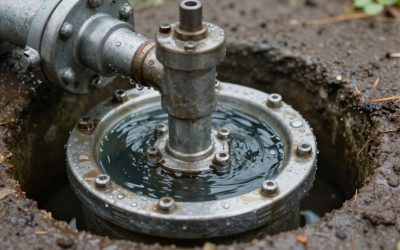
Well pits, those underground structures sometimes used to house well equipment, are notorious weak spots. They can collect water, debris, and even attract critters. If the seals around the pit or the casing within it are compromised, it’s an open invitation for contaminants to seep into the groundwater. Upgrading often means removing these old pits entirely and extending the well casing above ground level. This simple change drastically reduces the risk of surface water pooling and entering the well.
Eliminating Pathways for Pollutants
Every crack, gap, or poorly sealed joint in a well system is a potential entry point for pollutants. This includes the space between the well casing and the surrounding soil, known as the annular space. If this isn’t properly sealed, usually with grout, surface water can travel down this path directly into the aquifer. It’s like leaving a back door wide open for contamination. We need to make sure these pathways are shut down tight.
The Role of Proper Sealing Materials
Not all sealing materials are created equal. Using the right stuff is key to a watertight and long-lasting seal. Older wells might have used materials that degrade over time or weren’t designed to withstand constant contact with water and soil. Modern well construction relies on materials specifically designed for durability and impermeability. This includes things like:
- Bentonite clay or cement grout for sealing the annular space.
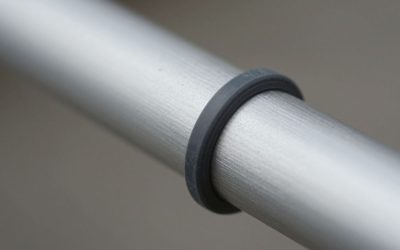
- High-quality rubber or neoprene gaskets for well caps and seals.
- Durable materials for pitless adapters and well casings.
Choosing and installing these materials correctly is a big part of preventing contamination. It’s not just about having a seal; it’s about having a reliable seal.
Enhancing Well Security and Integrity
Think of your well cap and casing as the first line of defense for your water. If these parts aren’t up to snuff, it’s like leaving your front door wide open for all sorts of unwanted guests – and not the friendly kind.
Upgrading to Vermin-Proof Well Caps
Older wells often have basic caps that might keep out the biggest stuff, but they’re usually not sealed tight. This means insects, spiders, and even small critters like mice can find their way in. Once they’re in, they can die, decompose, and introduce bacteria, like coliform, right into your water supply. Yuck. A vermin-proof well cap is designed with tight seals and fine mesh screens to keep these pests out. It’s a simple upgrade, but it makes a huge difference in preventing contamination. You’ll often see these newer caps with multiple bolts and a visible rubber seal, unlike older, simpler designs that might have gaps.
Extending Casing Above Ground Level
Ideally, your well casing – that pipe sticking out of the ground – should extend at least 16 inches (about 40 cm) above the ground surface. This is super important for keeping surface water and contaminants from flowing directly into your well. If your casing is too short, or if your well is in an old-fashioned well pit (those below-ground structures that were common years ago), it’s a major vulnerability. Upgrading involves removing the old pit, extending the casing, and then mounding soil around the new, higher casing to make sure water runs away from it.
Sealing Annular Spaces and Passages
That space between the well casing and the borehole wall is called the annular space. If this isn’t properly sealed, it’s another easy route for surface water, chemicals, or whatever else is on the ground to seep down into your aquifer. Older wells might have poor grouting or cracked seals here. Modern upgrades involve filling this space with materials like bentonite clay, which expands when wet to create a watertight barrier. Any openings where water lines or electrical conduits enter the casing also need to be meticulously sealed to prevent any sneaky pathways for pollutants.
Mitigating Physical Hazards
Beyond just keeping the water clean, a well needs to be physically sound. Think of it like the foundation of your house – if it’s not solid, other problems can pop up. Old or damaged wells can actually create safety risks, and not just for your water supply.
Preventing Sinkhole Formation
Sometimes, especially with older wells or those that weren’t sealed up right when they were built, you can get issues with the ground around them. If the well casing has failed or there are gaps where water can get in and out easily, it can start to erode the soil over time. This might not seem like a big deal at first, but it can lead to the ground sinking, creating a small depression or even a sinkhole. This is a serious physical hazard that can damage property and pose a danger to people and animals. It’s particularly a risk if the well is in a high-traffic area or if you have kids or pets playing nearby. Making sure the well casing is intact and the area around it is properly sealed prevents this kind of ground collapse. It’s about keeping the earth stable where your water comes from.
Securing Unused or Abandoned Wells
Got an old well on your property that nobody uses anymore? Leaving it open or improperly sealed is a major safety concern. These abandoned wells can become hidden dangers. Imagine a child or even a large animal stumbling upon an uncovered well opening – it’s a recipe for disaster. They can easily fall in, and retrieving them can be incredibly difficult and dangerous. Plus, these open wells are direct entry points for all sorts of surface contaminants, ruining any groundwater nearby. Properly sealing an abandoned well involves filling it with suitable material, like bentonite clay or cement, from the bottom up. This not only removes the physical hazard but also protects the groundwater. It’s a responsible step to take for safety and environmental health. You’ll want to make sure this is done according to local regulations, often involving reporting the work to the proper authorities.
Understanding Well Construction Standards
Recognizing Older Well Designs
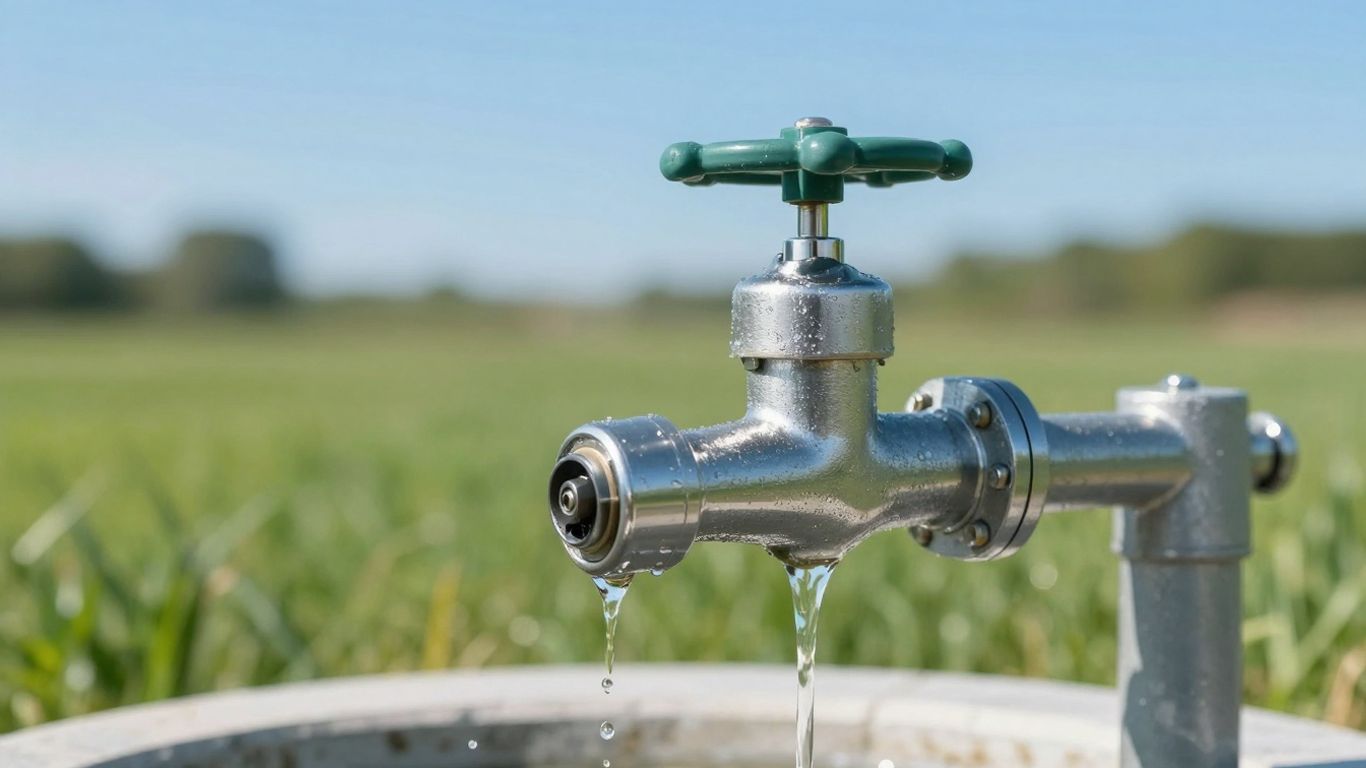
Lots of wells out there were put in a long time ago, and honestly, the way they were built back then just doesn’t cut it anymore when it comes to keeping your water clean. Think about those old dug wells made of brick or stone, or even wells with wooden parts. They’re practically begging for trouble, letting surface water and all sorts of gunk seep right in, especially through parts that aren’t even underground. Even drilled wells from before, say, 1990, might have had well pits. These pits, often made of concrete tiles, are notorious for cracking over time. That means surface water, dirt, and other unwanted stuff can easily find its way into the pit and then into your well. It’s like leaving the back door wide open for contamination.
Meeting Current Regulatory Requirements
Regulations for well construction have changed a lot over the years, and for good reason. The goal is always to make wells more secure and less likely to let contaminants in. Modern standards usually require the well casing to extend at least 16 inches (40 cm) above the ground surface. This helps keep surface water and debris from easily getting in. Also, the top of the casing needs a proper, sealed cap – not just a loose cover. If your well has a pit, current rules generally say that pit needs to be removed, the casing extended, and the pit properly sealed and backfilled. It’s all about creating a better barrier between your water source and the outside world. Checking with your local authorities or a well professional can help you figure out exactly what the current rules are in your area.
The Importance of Professional Installation
Putting in a well, or upgrading an old one, isn’t really a DIY kind of job. It requires specific knowledge and tools to get it done right. A professional well installer knows the local regulations inside and out and understands the best ways to seal off potential entry points for contaminants. They can properly install things like pitless adapters, extend the casing correctly, and use the right materials to seal the annular space – that’s the gap between the well casing and the surrounding ground. Getting it done by a pro means you’re much more likely to have a well that’s safe, reliable, and meets all the necessary standards. Trying to cut corners or do it yourself can end up costing you a lot more down the line in water quality issues and potential repairs. It’s worth the investment to have it done right the first time.
The Benefits of Modern Well Components
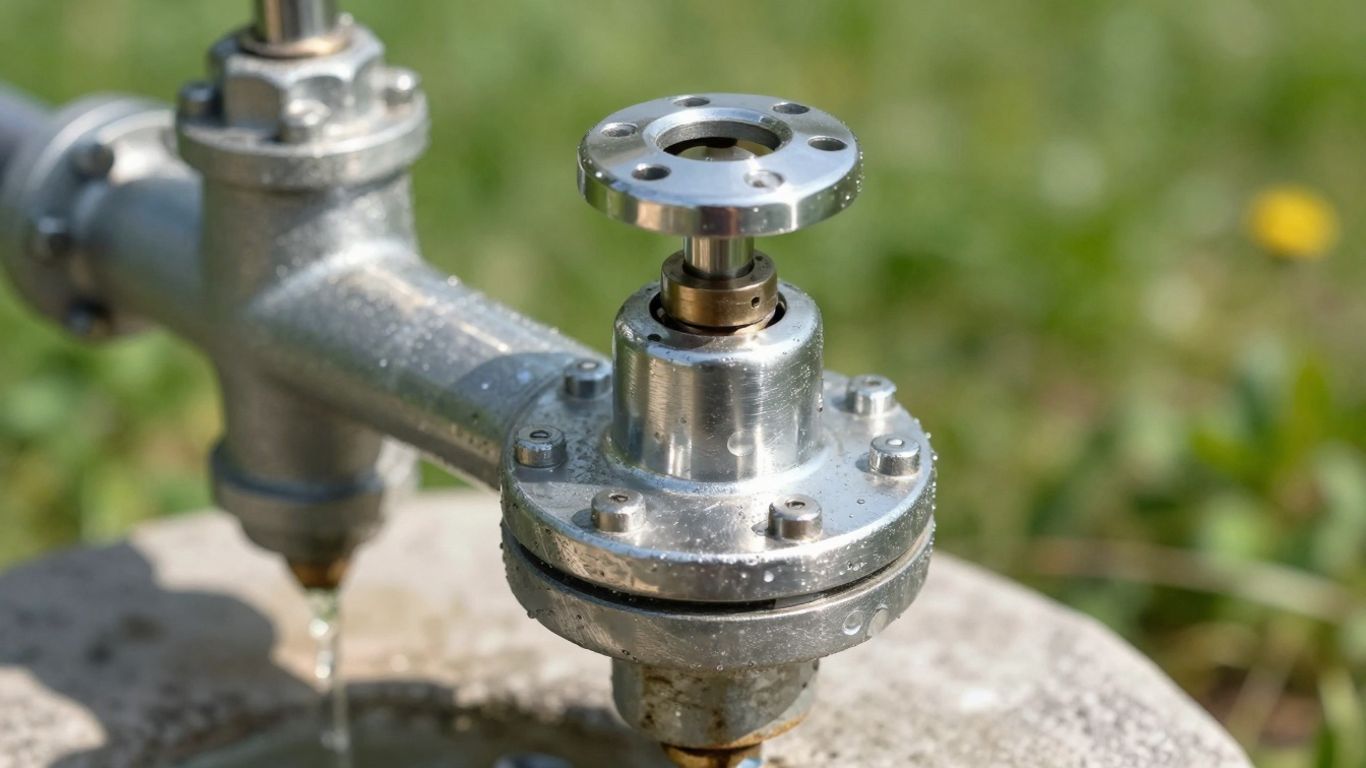
Old wells, especially those built before modern standards, often have components that just don’t cut it anymore. Think of it like trying to run the latest software on a super old computer – it’s just not going to work well, and it can lead to problems. Upgrading these parts makes a big difference.
Installing Pitless Adapters
A pitless adapter is a pretty neat piece of equipment. Basically, it lets you bring your water line out of the well casing below the frost line and outside of the well pit, if you have one. This is a huge upgrade from older methods where the pipe might have just come out the side of the casing or through a poorly sealed well pit. This significantly reduces the risk of contamination from surface water and critters getting into your well. It also makes maintenance easier because you don’t have to mess with the well pit as much.
Utilizing Commercial Well Couplings
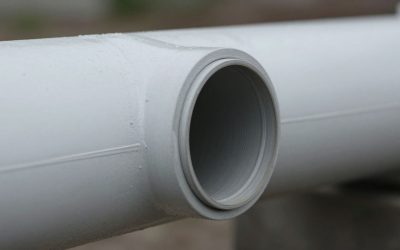
When you extend a well casing or connect different sections, you need a solid connection. Older wells might have used makeshift or less reliable methods. Modern well couplings are manufactured to strict standards, often with CSA approval. They create a strong, watertight seal between the casing sections or between the casing and a pitless adapter. This isn’t just about preventing leaks; it’s about creating a continuous, secure barrier that stops anything unwanted from seeping down into your water supply.
Ensuring Watertight Seals
This might sound obvious, but it’s super important. Every connection point on your well needs to be sealed properly. This includes:
- The connection between the well casing and the pitless adapter.
- Where electrical conduits or other lines pass through the well cap.
- The seal around the well casing itself, especially if it’s been extended.
Modern materials and techniques mean these seals are much more reliable and long-lasting than what was used decades ago. They’re designed to withstand ground movement, temperature changes, and the test of time, keeping your water safe and clean.
Maintaining Well Performance and Longevity
Keeping your well in good shape isn’t just about preventing problems; it’s about making sure it keeps giving you good water for a long, long time. Think of it like taking care of your car – regular check-ups and fixing little things before they become big headaches. This section is all about those routine tasks and what to look out for.
Regular Professional Inspections
While you can do a quick visual check of your well cap now and then, some things just need a professional eye. A licensed well technician has the tools and know-how to spot issues you might miss. They can check things like the integrity of the casing, the condition of the pump, and the overall health of your well system. These inspections are your best bet for catching potential problems early. It’s like a doctor’s visit for your well – better to find out about a small issue before it turns into something serious and expensive.
Addressing Failing Gaskets and Corrosion
Over time, the parts of your well can wear out. Gaskets, which are meant to create a watertight seal, can dry out, crack, or get damaged. This is especially true for older wells. Corrosion can also be a real problem, particularly if your well casing is made of metal. Rust can weaken the casing and create entry points for contaminants. If you see signs of rust around the wellhead or notice any leaks, it’s time to call in a pro. They can replace worn-out gaskets and assess any corrosion damage, making sure your well stays sealed up tight.
Protecting Against Surface Water Intrusion
Surface water, carrying all sorts of things from the ground, is a major threat to your well’s water quality. This is where proper sealing and a well-maintained cap come into play. If the area around your well casing isn’t sloped correctly, water can pool and seep down. Even small cracks or gaps can let in rainwater, runoff, or other surface contaminants. A well-maintained, vermin-proof cap is your first line of defense, but it’s not the only one. Ensuring the annular space around the casing is properly sealed with materials like bentonite clay is also key. This creates a barrier that stops surface water from reaching your groundwater supply.
Wrapping It Up
So, looking at all this, it really comes down to this: that old well seal on your property might be doing more harm than good. It’s not just about keeping critters out, though that’s a big part of it. We’re talking about stopping all sorts of gunk – think pesticides, dirt, who knows what else – from getting into your water supply. Upgrading that seal, maybe even extending the casing and getting a proper cap, is a pretty straightforward way to protect your water. It’s a smart move for your health and peace of mind, and honestly, it’s probably less hassle than dealing with water problems later on.
Frequently Asked Questions
Why are old well pits a problem for water quality?
Older wells sometimes have a pit around them, which is a hole in the ground. These pits can crack or degrade over time, allowing rainwater, dirt, and other nasty stuff to seep into your well and contaminate your drinking water. Plus, the way these pits were sealed back then wasn’t always great, creating more openings for pollution.
What does it mean to ‘upgrade’ an old well?
Upgrading an old well usually means making it more secure and protected from contaminants. This often involves removing the old well pit, extending the well pipe (called the casing) above the ground, and putting on a special cap that keeps bugs and animals out. It’s like giving your well a modern makeover to keep your water clean and safe.
Are there safety risks with old wells?
Yes, old wells can be dangerous. If they are left open or not properly covered, they can become hidden hazards, like a sinkhole waiting to happen. Small animals and even children could fall in. Sealing them up properly gets rid of these physical dangers.
What are the signs that my well needs an upgrade?
You might need an upgrade if you have an old well pit, if you’re unsure where your well is located, or if you notice any cracks or damage around the wellhead. Also, if your well was built before modern standards were put in place, it’s probably a good idea to have it checked and potentially upgraded.
What kind of materials are used to seal a well properly?
When sealing a well, especially an old or abandoned one, special materials are used to create a watertight barrier. Bentonite clay is a common choice because it swells when wet, forming a solid seal. Sometimes, cement is also used, either on its own or mixed with clay, to ensure no water or contaminants can get through.
How often should I have my well checked?
It’s a smart idea to have your well system looked at by a professional at least once a year, or maybe every couple of years if you’re not having any issues. They can spot small problems, like a worn-out seal or some rust, before they become big, expensive problems that could affect your water quality.