Old well seals might not seem like a big deal, but they can actually cause some environmental headaches. Think leaky groundwater or even emissions. Replacing them with newer, better ones isn’t just about fixing a problem; it’s about doing better for the planet. This article looks at why these replacements matter and what goes into making sure it’s done right, covering everything from the science behind the seals to the actual process of swapping them out. We’ll also touch on how keeping everything else in the system in good shape helps these new seals last longer, contributing to a healthier environment overall. The Environmental Impact of Replacing Outdated Well Seals is a topic that affects us all.
Key Takeaways
- Worn-out well seals can lead to groundwater contamination and harmful emissions, making replacement an environmental necessity.
- Modern seal technology offers better resistance to wear, chemicals, and extreme temperatures, improving reliability.
- Replacing seals involves careful site assessment, removal of old equipment, and proper plugging and sealing procedures to prevent future issues.
- Upgrading associated support systems, like flush and pressure controls, is vital for extending the life of new seals and minimizing leaks.
- Proactive replacement strategies and adherence to regulations are key components of long-term environmental stewardship related to well maintenance.
Understanding The Environmental Impact Of Replacing Outdated Well Seals
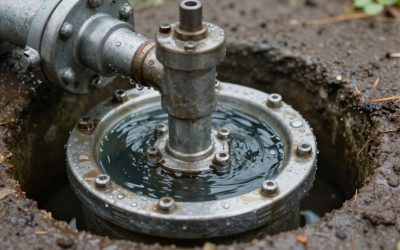
Okay, so let’s talk about well seals. You might not think about them much, but these things are pretty important for keeping our environment clean. Think of them like the stoppers on a bottle, but for wells. Their main job is to stop stuff from getting in or out where it shouldn’t. When they’re old and worn out, things can start to go wrong, and that’s where the environmental headaches begin.
The Role Of Well Seals In Environmental Protection
Basically, well seals are the first line of defense. They’re designed to keep the groundwater that we rely on safe and sound. This means preventing anything nasty from the surface, like chemicals or waste, from seeping down into the water table. They also help keep the water that’s supposed to be in the well, well, in the well. This is especially true for oil and gas wells, where seals are critical for stopping hydrocarbons from escaping into the ground or atmosphere. A good seal means a protected environment.
Consequences Of Seal Degradation And Leakage
When seals start to fail, it’s not pretty. Over time, materials break down. This can be due to age, harsh chemicals in the ground, or just the general wear and tear of being underground. Once a seal starts to degrade, it can develop small cracks or become less flexible. This allows fluids to leak. For water wells, this could mean contamination of drinking water sources. For industrial wells, it could mean leaks of oil, gas, or other potentially harmful substances. These leaks can spread, affecting soil and water over a wide area. It’s a slow problem, but it can have big consequences.
Benefits Of Modern Seal Technology
Thankfully, technology has come a long way. Newer seals are made from much tougher stuff. They can handle more extreme temperatures, pressures, and a wider range of chemicals without breaking down as quickly. This means they last longer and are less likely to leak in the first place. Upgrading to these modern seals isn’t just about fixing a problem; it’s about preventing future ones. It’s a proactive step that saves a lot of potential trouble down the road, both for the environment and for the people who manage these wells.
Replacing old seals is more than just maintenance; it’s an investment in environmental safety. The materials and designs available today are vastly superior, offering longer life and better protection against leaks that can harm our natural resources.
Assessing Current Well Seal Performance
Before we even think about swapping out old well seals for new ones, we’ve got to figure out what we’re dealing with. It’s like going to the doctor – you need a diagnosis before you get a prescription, right? Checking out the current state of your well seals is super important for understanding the risks and planning the best way forward. Ignoring this step can lead to bigger problems down the line, not to mention potential environmental headaches.
Identifying Signs Of Seal Deterioration
So, how do you know if a seal is on its last legs? It’s not always obvious, but there are clues. Sometimes, you might see visible cracks or wear on the seal itself, especially if you can get a good look. Other times, it’s more about what’s happening around the well. Are there unusual puddles? Is there a strange smell? These could be hints that something isn’t quite right. For deeper or more complex wells, using video cameras can be a game-changer. Trained folks can send these down to get a real-time look at the seal and the surrounding casing, spotting issues you’d never see from the surface. It’s a bit like an internal inspection, but for your well.
Evaluating Leakage Risks And Environmental Threats
Once you suspect a seal might be failing, the next step is figuring out just how bad the situation is. A small leak might seem minor, but over time, it can allow all sorts of unwanted things into the groundwater. We’re talking about potential contaminants from the surface, or even worse, fluids from different underground layers mixing where they shouldn’t. This can mess with water quality for miles around. It’s also about what might be escaping from the well itself. If it’s an oil or gas well, even small leaks can release harmful hydrocarbons into the atmosphere, contributing to air pollution. The risk isn’t just about what gets in, but also what gets out.
The Importance Of Regular Inspections And Maintenance
Honestly, the best way to avoid major issues is to not let things get to that point in the first place. Making regular inspections a habit is key. Think of it like changing the oil in your car – it’s routine maintenance that prevents catastrophic failure. These checks don’t have to be super complicated. They can involve:
- Visual checks for obvious damage or leaks.
- Monitoring pressure and temperature readings if available.
- Listening for unusual noises around the wellhead.
- Reviewing historical data for any changes or trends.
If you’re not comfortable doing it yourself, bringing in a professional for periodic check-ups is a smart move. They have the tools and the know-how to spot subtle problems before they become big, expensive, and environmentally damaging ones. It’s all about being proactive rather than reactive.
Environmental Advantages Of Upgraded Well Seals
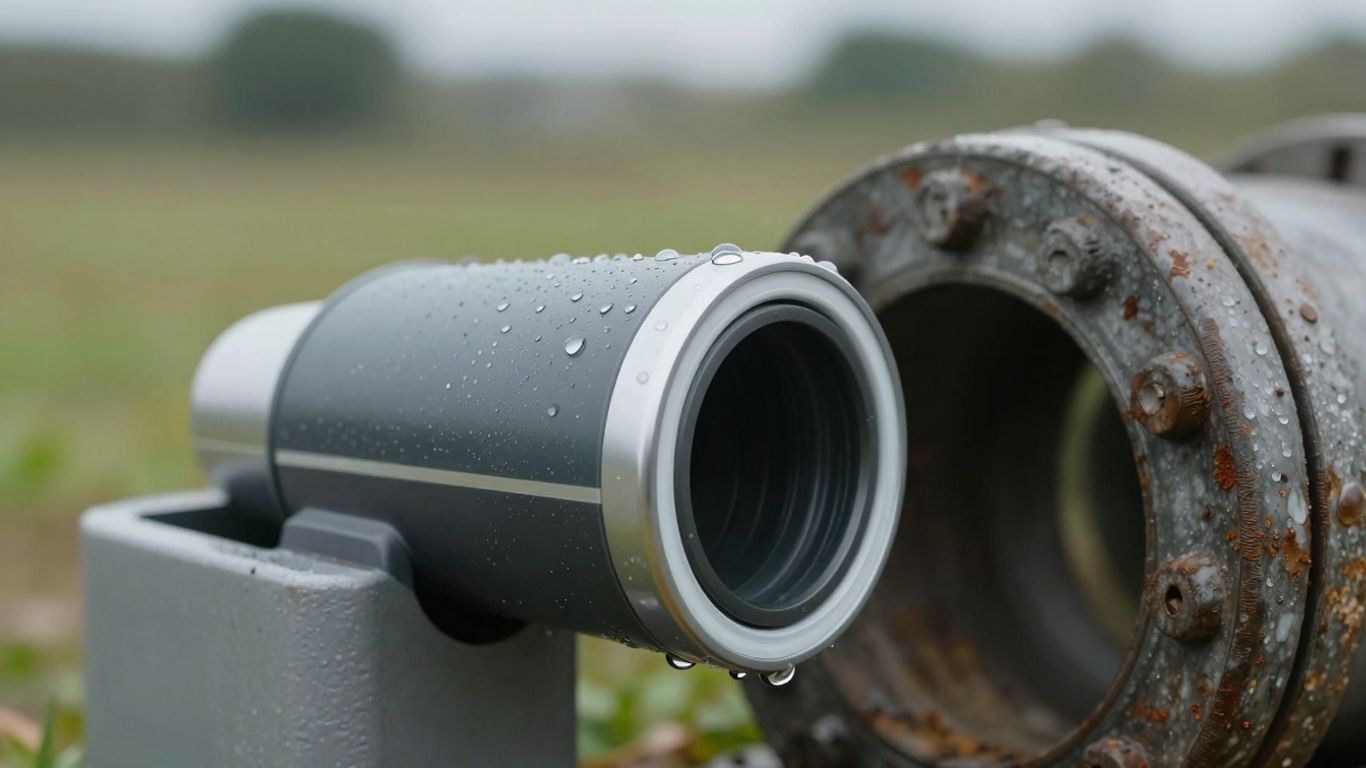
When we talk about replacing old well seals, it’s not just about keeping things running smoothly; it’s a pretty big deal for the environment too. Think about it: a leaky seal isn’t just a drip, drip, drip problem. It can actually lead to some serious environmental headaches if we’re not careful.
Preventing Groundwater Contamination
This is probably the biggest win. Old, worn-out seals can let all sorts of unwanted stuff seep into our groundwater. We’re talking about contaminants from the surface, like chemicals, oils, or even just dirt and debris. If these get into the aquifer, they can spread and make the water unsafe for drinking, agriculture, and pretty much everything else that relies on clean water. Modern seals are designed to create a much tighter barrier, stopping these contaminants in their tracks. It’s like putting a better lid on a jar – less chance of spills.
Reducing Hydrocarbon Emissions
For wells involved in oil and gas operations, seal failure can mean leaks of hydrocarbons – that’s oil and gas, basically. These aren’t just smelly; they’re potent greenhouse gases that contribute to climate change. Plus, they can contaminate soil and water. Upgrading to seals that can handle the pressure and chemical environment better means fewer leaks and less of these harmful substances getting into the atmosphere or the ground. It’s a direct way to cut down on pollution.
Conserving Water Resources
Water is precious, right? Leaky seals, especially in systems that pump water, mean water is just being wasted. It might seem like a small amount from one well, but across thousands of wells, that adds up to a significant loss of a vital resource. Newer seals are more efficient and reliable, meaning less water is lost to leaks. This is especially important in areas already facing water scarcity. It’s about making sure the water we do have is used wisely and not just dribbling away into the ground.
Material Science Innovations In Well Seal Technology
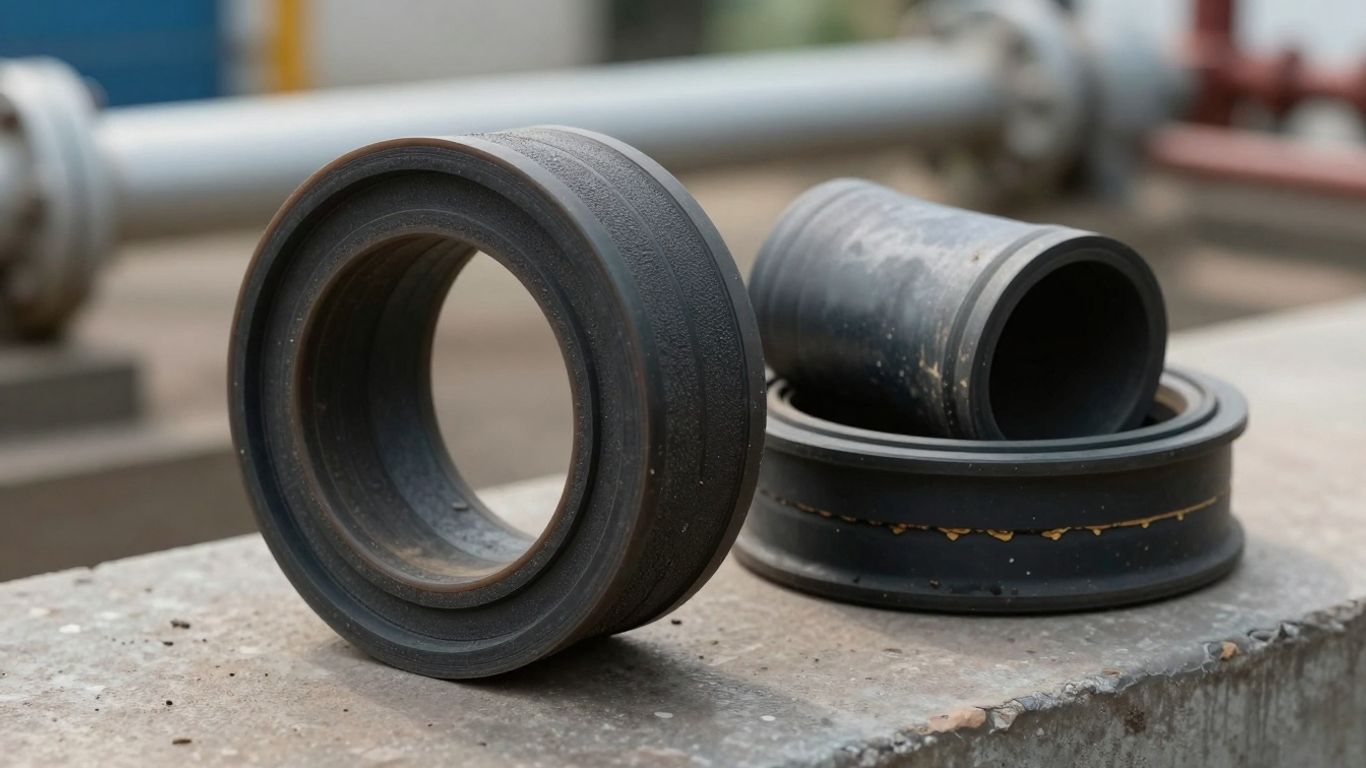
Enhanced Chemical And Wear Resistance
Old well seals sometimes just can’t keep up with the harsh chemicals or the constant grinding they face. Think about it, you’ve got all sorts of fluids and particles moving around down there, and over time, that takes a toll. Newer seal materials are designed to fight back against this wear and tear. We’re talking about compounds that can handle aggressive chemicals without breaking down and materials that are much tougher against abrasion. This means they last longer and do a better job of preventing leaks in the first place.
Improved Temperature And Pressure Tolerance
Well conditions aren’t always stable. Temperatures can swing, and pressure can fluctuate. Older seals might struggle with these changes, leading to leaks. Modern seal technology, however, is built for these tougher environments. They can handle a wider range of temperatures, both hot and cold, and maintain their integrity under higher pressures. This makes them a much more reliable choice for wells that experience these kinds of variable conditions.
Sustainable Material Sourcing And Longevity
It’s not just about performance; it’s also about making better choices for the long haul. The development of seals now often includes looking at where the materials come from and how long the seals will actually last. This means using more durable materials that don’t need replacing as often, which cuts down on waste and the resources needed for replacements. Plus, some newer materials are sourced with environmental impact in mind, aiming for a more sustainable approach to well maintenance.
Here’s a quick look at how some materials stack up:
| Material Type | Typical Lifespan (Years) | Key Strengths |
|---|---|---|
| EPDM | 10-20+ | Ozone, UV, chemical resistance |
| Nitrile (NBR) | 7-15 | Oil, grease, fuel resistance |
| Silicone | 10-25+ | High/low temp, UV, ozone resistance |
Choosing the right material is a big deal. It’s not just about picking something that fits; it’s about picking something that’s built to last in the specific conditions of your well. Getting this right from the start saves a lot of headaches and environmental risk down the road.
The Process Of Well Seal Replacement
Site Assessment And Record Review
Before you even think about touching a wrench, the first step is to really get a handle on what you’re dealing with. This means digging into any old records you can find about the well. Think about who put it in, when, and what materials they used. This info, often found with previous landowners or the original contractor, tells you about the well’s depth, diameter, and even the type of ground it’s sunk into. It’s like a medical history for the well. After reviewing these documents, you’ll need to do a physical check of the site. Look for any obvious problems, like damaged casing or signs of leakage. This initial assessment is key to figuring out the best way to replace the seal and what materials will work best.
Equipment Removal And Site Preparation
Once you know what you’re doing, it’s time to get the old stuff out. This involves carefully removing any equipment that’s currently in the well, like pumps or old piping. You’ll also need to clear out any debris or collapsed casing that might be blocking the way. The area around the well needs to be prepped too, making sure it’s clean and safe to work in. This might mean digging around the wellhead to get better access. It’s all about making a clean slate for the new seal.
Proper Plugging And Sealing Procedures
This is where the actual replacement happens. The goal is to seal the well effectively to prevent any contamination. Depending on the well type and depth, this can involve a few different methods. Often, the old casing is removed down to a certain depth, and then a new seal is put in place. Materials like cement, concrete, or specialized bentonite are commonly used to create a solid barrier. For deeper wells, a tremie pipe might be used to place sealing materials precisely. The top few feet are especially important, often capped with concrete or stabilized soil to prevent surface water from getting in. It’s a multi-step process that requires attention to detail to get it right.
- Remove old equipment and debris.
- Prepare the wellhead area for access.
- Install new sealing materials, like cement or bentonite.
- Cap the well opening securely.
The materials used for plugging need to be strong enough to handle whatever might happen on the surface, whether it’s a person walking by or even a vehicle driving over it. Safety first, always.
Beyond Seals: Optimizing Support Systems
So, you’ve got new, shiny seals ready to go in. That’s great! But honestly, just swapping out the old seals isn’t always the whole story when it comes to keeping things running smoothly and, more importantly, preventing leaks. Think of it like getting a new engine part without checking if the oil lines are clean or if the cooling system is working right. It just won’t perform as it should.
Upgrading Seal Support Infrastructure
Many older well systems were set up with basic support plans. These might have been fine back in the day, but technology and operating conditions have changed. Modern seal support systems are designed to do a lot more. They’re built to handle a wider range of pressures and temperatures, and they often include features to keep the seal environment clean and stable. Upgrading this infrastructure is often just as important as the seal replacement itself. It’s about creating the best possible conditions for your new seals to do their job without getting stressed out.
Ensuring Proper Flush, Pressure, and Temperature Control
This is where the real magic happens. The right flush plan keeps the seal faces clean and cool. Too little flush, and you get overheating and wear. Too much, and you might be wasting resources or causing other issues. Similarly, maintaining the correct pressure balance around the seal is key. If the pressure is off, the seal might not seat properly, leading to leaks. And temperature? Well, seals have their limits. Modern support systems use things like heat exchangers or coolers to keep temperatures in check, even when the process gets hot.
Here’s a quick look at what these controls do:
- Flush Control: Prevents solids from getting between seal faces and removes heat generated by friction.
- Pressure Control: Balances the pressure on the seal faces to prevent leakage and premature wear.
- Temperature Control: Dissipates heat, keeping the seal materials within their operational limits.
Minimizing Particulates For Extended Seal Life
One of the biggest enemies of mechanical seals is grit and debris. These little particles can get in between the seal faces, causing scratches and wear that lead to leaks. Good seal support systems have ways to filter out these contaminants. This might involve:
- Inline filters: Placed in the flush line to catch particles before they reach the seal.
- Cyclones or separators: Use centrifugal force to spin out heavier particles.
- Clean piping: Ensuring the entire system, from the source of the flush fluid to the seal, is free of debris.
Taking the time to properly assess and upgrade the entire support system, not just the seal itself, can make a huge difference. It’s about looking at the whole picture to prevent problems before they start. This proactive approach saves money and headaches down the line.
Think about it: a top-of-the-line seal in a dirty, overheated system is like putting a race car engine in a beat-up old truck with bad tires. It’s just not going to work out well. Investing in the support systems means your new seals can actually perform at their best for a much longer time.
Long-Term Environmental Stewardship
Proactive Replacement Strategies
Thinking ahead is key when it comes to well seals. Instead of waiting for a problem to pop up, which can lead to leaks and environmental headaches, it’s way smarter to have a plan for when seals need replacing. This means keeping track of how old your seals are and what kind of conditions they’re working in. Regularly scheduled replacements, based on the seal’s expected lifespan and operating environment, can prevent many potential issues before they even start. It’s like changing the oil in your car before the engine seizes up – a little preventative work goes a long way.
Compliance With Environmental Regulations
Governments and environmental agencies have rules about wells, and for good reason. These regulations are there to protect our water and land. When you upgrade your well seals, you’re not just doing a good thing for the environment; you’re also making sure you’re following the law. This can involve things like proper disposal of old materials and making sure new seals meet certain standards. Staying on top of these rules means avoiding fines and, more importantly, doing your part to keep things clean.
Contributing To A Healthier Ecosystem
Ultimately, all these efforts – proactive replacements, using better materials, and staying compliant – add up. They help protect groundwater from contamination, reduce the release of harmful gases, and conserve precious water resources. This isn’t just about one well; it’s about the bigger picture. A commitment to well seal maintenance and upgrades is a direct investment in the health of our local ecosystems and the planet. It’s about leaving things better than we found them for future generations. Think of it as a long-term commitment to environmental health, one seal at a time.
Wrapping It Up
So, when it comes down to it, swapping out those old well seals for newer, tougher ones isn’t just about fixing a leak. It’s a smart move for the environment. We’re talking about stopping nasty stuff from getting into our water and keeping things running smoothly for longer. Plus, updating the systems that support these seals makes a big difference too. It might seem like a small job, but these upgrades really add up, helping us protect our water resources and avoid bigger headaches down the road. It’s definitely worth looking into.
Frequently Asked Questions
Why are old well seals a problem for the environment?
Old well seals can start to break down over time. When this happens, they can leak. These leaks can let dirty water or harmful chemicals seep into the ground and our clean water sources, like underground lakes (aquifers). This makes our drinking water unsafe and can harm plants and animals.
What are the benefits of using new, improved well seals?
Newer seals are made with stronger materials that don’t break down as easily. They are better at stopping leaks, which means less chance of pollution getting into the ground. They also help save water because less water is lost through leaks. Plus, some new seals help reduce the release of gases like methane, which are bad for the air.
How can I tell if my well seals are old or failing?
You might see signs like cracks, swelling, or changes in color on the seals. Sometimes, you might hear strange noises like hissing or whistling coming from the well area, which can mean there’s a leak. The most obvious sign is if you notice water or other substances leaking out.
What happens when a well seal is replaced?
Replacing a well seal involves a few steps. First, experts check the well’s history and look at the site to figure out the best way to do the job. Then, they carefully remove the old equipment. After that, they put in the new seal and make sure the area around the well is properly closed up to prevent anything from getting in.
Are there special materials used in new well seals?
Yes, scientists are always finding better materials. New seals are often made from things that can handle tough conditions, like extreme heat or cold, and strong chemicals, without falling apart. They are also designed to last much longer, which is good for the environment because we won’t have to replace them as often.
What is the process for properly closing off an old well?
Properly closing a well, also called plugging and sealing, means making sure it can never be a pathway for pollution. This usually involves removing old equipment, filling the well with clean materials like sand or cement, and then sealing the top layer to keep everything out. It’s important to do this correctly to protect the environment.