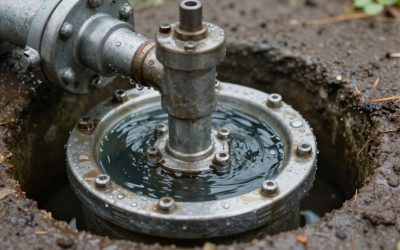
When you’re looking to fix up an old well, one of the most important things you need to pay attention to is the well seal. It might not sound like the most exciting part of well rehabilitation projects, but honestly, it’s a big deal. A good seal keeps bad stuff out and good water in. Think of it like a watertight barrier for your well. Without it, you can run into all sorts of problems, from contaminated water to safety issues. So, why are well seals so important during well rehabilitation projects? Let’s break it down.
Key Takeaways
- Well seals act as a watertight barrier, stopping surface water and contaminants from getting into your well and polluting groundwater.
- Proper sealing is vital for preventing physical hazards, like people or animals falling into unused or open wells.
- Materials like cement or bentonite grout are used to create impermeable seals, especially in the annular space between the casing and the borehole wall.
- Provincial regulations dictate specific requirements for well sealing, and it’s often best to get expert advice for correct installation.
- Ignoring well seals can lead to costly water quality issues, remediation, or even the need to drill a new well, impacting long-term water supply.
Understanding The Role Of Well Seals
What Constitutes A Well Seal?
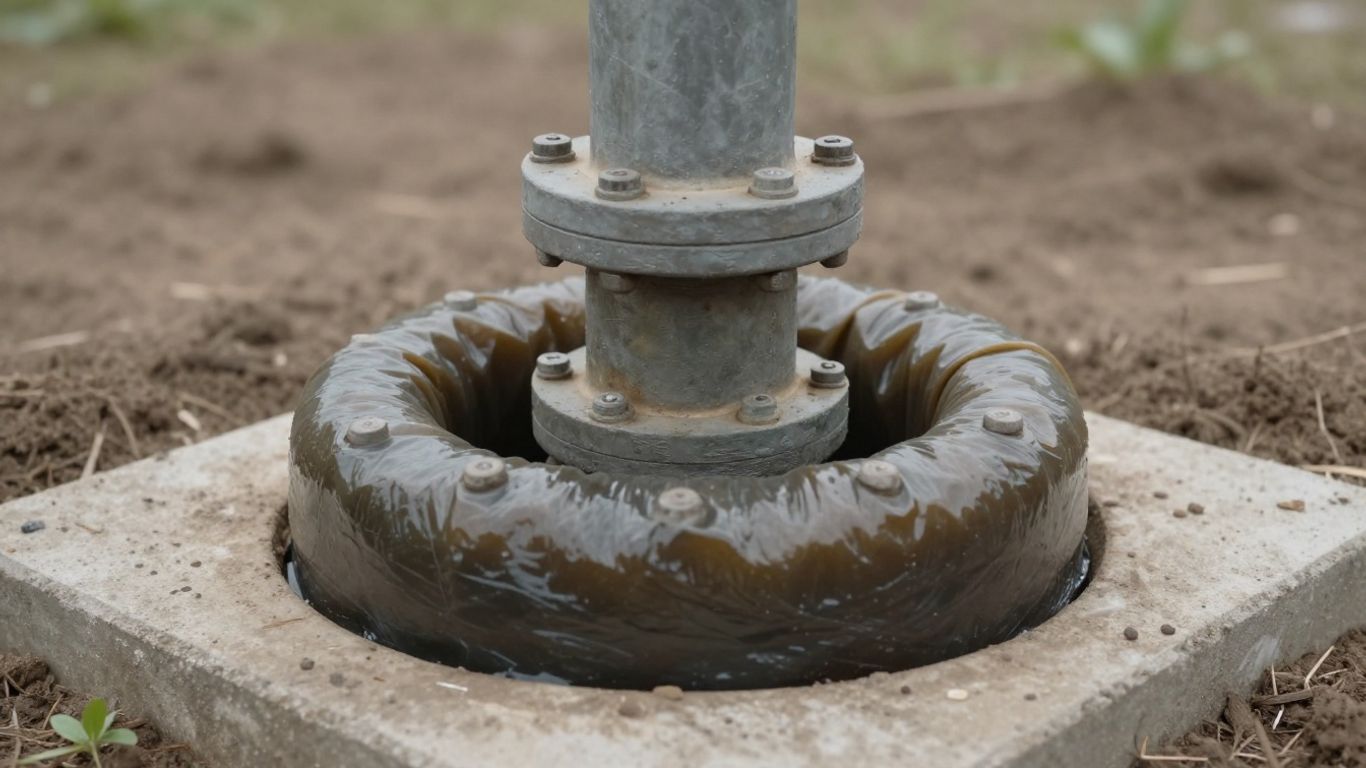
A well seal, sometimes called a sanitary seal, is basically the cap that keeps your well safe and sound. Think of it as the well’s first line of defense. It’s not just a random plug; it’s a carefully constructed barrier, usually made from a mix of cement, bentonite clay, and sand. This mixture is packed into the space between the well’s casing (the pipe going down) and the actual borehole wall. The goal here is to create a solid, watertight barrier. This seal is typically placed in the upper section of the well, above the main water-bearing zone.
The Importance Of A Watertight Barrier
So, why go through all this trouble? The primary job of a well seal is to prevent anything from getting into your well that shouldn’t be there. This includes surface water, which can carry all sorts of nasty stuff like bacteria, chemicals, and other contaminants. Without a proper seal, these unwanted guests can easily travel down the well casing and into your water supply. It’s like leaving your front door wide open during a storm – you wouldn’t do it for your house, and you shouldn’t do it for your well.
Preventing Surface Water Intrusion
Surface water is a big concern, especially after heavy rains or during spring melt. When water pools on the ground around your wellhead, it can find its way into the well through any tiny cracks or gaps. This is where that watertight barrier really shines. It stops that surface water, along with whatever it might be carrying, from seeping down into the well. This is especially important for wells that are older or might have had some wear and tear over the years. A good seal means cleaner water and fewer headaches down the road.
Protecting Groundwater Quality Through Proper Sealing
Mitigating Contamination Pathways
Think of your well as a direct line to the water underground. If that line isn’t properly sealed, anything on the surface can potentially find its way down. This is especially true for wells that are no longer in use. An old, forgotten well can become a highway for contaminants, bypassing the natural filtering that happens in the soil. We’re talking about things like spilled fuel, chemicals from a barnyard, or even runoff from a leaky septic system. These things can travel down the well casing, or through gaps between the casing and the ground, right into the aquifer. A well seal acts as the first line of defense against this kind of pollution.
Safeguarding Aquifers From Surface Runoff
Surface water, especially after heavy rain or during spring melt, can carry a lot of unwanted stuff. If your wellhead isn’t properly sealed, this contaminated water can flow right in. This isn’t just about visible trash; it’s about dissolved chemicals, bacteria, and other microscopic nasties. These can get into the aquifer and spread, affecting not just your water but potentially your neighbors’ too. It’s like leaving your front door wide open during a storm – you wouldn’t do it for your house, so why do it for your water source?
Addressing Unused Wells As Contaminant Sources
An old well that’s just sitting there, unused, is a ticking time bomb for water quality. If it’s not properly sealed, it’s an open invitation for trouble. We’ve seen cases where shallow fractures or lost circulation zones weren’t properly addressed during drilling, and even a seal that met minimum standards wasn’t enough. This allowed surface water, sometimes loaded with nitrates or bacteria like E. coli, to seep in. It’s a real problem, and often, the fix is more expensive than doing it right the first time. Basically, if a well isn’t being used, it needs to be decommissioned properly to prevent it from becoming a pollution source.
When we talk about well rehabilitation, we’re often looking at fixing problems that started with inadequate sealing. It’s a common thread in many water quality complaints. The goal is to stop contaminants before they even get a chance to enter the groundwater system. This means paying close attention to how the well was originally constructed and, if necessary, improving that seal during the rehabilitation process.
Addressing Safety Hazards Associated With Wells
Making sure wells are safely sealed isn’t just about water quality; there are real safety risks when wells aren’t properly covered or decommissioned. Whether you’re dealing with an older, unused well or one that’s in the process of being rehabilitated, you have to look at what could go wrong if it’s left open or accessible.
Preventing Physical Hazards For People And Animals
It’s surprising how often open wells become dangerous. Kids playing nearby, wandering livestock, even curious pets can fall into an exposed well. An unprotected well is an accident waiting to happen. Here’s what you can do to lower the risks:
- Always secure the well opening with a strong, lockable cap.
- Use temporary barriers if the well is under active work but left unattended.
- Ensure covers are sturdy enough that animals can’t push through or dislodge them.
If you leave an open hole on your property, you’re not just risking contamination—you’re risking lives. Even a plywood board over the top isn’t enough; use a purpose-built, watertight cap instead.
Eliminating Access To Waste Disposal Sites
Old and unused wells are sometimes forgotten or ignored. The problem? People may use them as dumping spots for trash or chemicals, either out of convenience or by mistake. When this happens, contaminants go straight down to the groundwater. Ways to cut down on these issues:
- Seal abandoned wells completely—don’t just cover the top.
- Check for old wells on your land; it’s easy to overlook them if you’ve moved onto a property.
- Educate anyone who lives or works near the well about the dangers of using it for waste disposal.
Here’s a quick breakdown of the biggest hazards if safety measures are ignored:
| Hazard | Potential Impact |
|---|---|
| Open, unsealed well | Severe injury or death; property liability |
| Well used as waste disposal | Direct groundwater contamination |
| Weak or improper well cap | Small animals, debris, and rainwater entry |
You might think it won’t happen on your property, but it’s often the things we overlook that cause the biggest problems. Sealing off wells the right way isn’t just a chore—it really can prevent tragedies and a whole lot of expensive headaches later on.
Technical Considerations For Effective Well Sealing
Materials Used For Well Seals
When we talk about sealing a well, the materials you pick are super important. You can’t just use anything; it needs to be something that really stops water from moving where it shouldn’t. Sand and gravel, for example, are a no-go because water just flows right through them. The go-to materials are usually bentonite grout or cement. These can be mixed into a slurry and pumped into the well. It’s best to use a tremie pipe to get the slurry all the way to the bottom and then fill the well up from there. This way, you avoid the material getting diluted or forming a plug partway down, which would leave gaps.
Another option is using special coated bentonite pellets, sometimes called "chips." You just pour these in from the surface, and they swell up to seal the space. Just be careful not to pour them too fast, or they can get stuck and create a bridge.
Techniques For Installing Impermeable Seals
Getting the seal in right is just as critical as picking the right stuff. The main idea is to create a solid, watertight barrier. For cement or bentonite slurries, using a tremie pipe is key. This pipe goes down to the bottom of the space you’re sealing, and you slowly pull it up as you fill. This makes sure the material is packed in there tightly without any air pockets or gaps. If you just dump it in from the top, you risk creating a seal that isn’t solid all the way down.
For bentonite pellets, the technique is simpler – just pour them in slowly. They’re designed to swell and seal the area on their own. The goal is always to prevent any vertical water movement within the well column.
Sealing Annular Spaces And Bedrock Interfaces
Annular spaces are those gaps between the well casing and the actual borehole wall. These are prime spots for water to sneak in, especially if they weren’t sealed properly when the well was first drilled. You’ve also got bedrock interfaces, which can be tricky, especially in fractured rock. Water can travel through these fractures and get into your well.
Proper sealing here means filling these spaces completely with an impermeable material, like bentonite grout or cement slurry. It’s about making sure there are no pathways for surface water or contaminated groundwater to travel down alongside the casing or through rock fractures into your well. Getting this right often depends on knowing the geology around the well, which is why good drilling logs are so important.
When you’re dealing with well rehabilitation, paying close attention to how the annular space and any bedrock interfaces are sealed is non-negotiable. These are often the weak points where contamination can enter, even if other parts of the well seem okay. A properly installed seal here acts like a plug, stopping unwanted water from getting into the aquifer.
Regulatory And Regional Requirements For Well Sealing
Navigating Provincial Regulations
When you’re looking at rehabilitating or sealing up an old well, the first thing you’ll run into is a whole bunch of rules. These aren’t just suggestions; they’re laws designed to keep our water safe. Every province and territory in Canada has its own set of guidelines, and they can differ quite a bit. It’s not like a one-size-fits-all situation. For example, some provinces might have specific depths for how far down a seal needs to go, while others focus more on the type of material used. It’s really important to know what your local regulations say before you even start thinking about the actual work.
Seeking Expert Guidance For Sealing Procedures
Because these rules can be complicated and vary so much, trying to figure it all out on your own can be a headache. That’s where the experts come in. Most provinces have agencies or divisions dedicated to water resources or groundwater. They’re the ones who can give you the straight scoop on what needs to be done for your specific well. They can help you understand the requirements for things like:
- The minimum depth of the seal.
- What materials are approved for sealing.
- How to deal with different types of wells (like flowing wells or ones with known contamination).
- Specific procedures for sealing the space between the casing and the bedrock.
It’s a good idea to gather as much information about your well as you can before you call them. Things like the well’s depth, diameter, any past modifications, and even old records can help speed things up. They can also advise on whether you need a professional driller for the job, which is often the case, especially for more complex situations.
Documentation And Assessment For Well Sealing
Once the sealing work is done, you can’t just forget about it. Proper documentation is usually required. This means keeping records of what was done, when it was done, and what materials were used. This paperwork is important for a few reasons. Firstly, it proves that the work was done according to regulations, which can be important if you ever sell the property or if there’s a water quality issue down the line. Secondly, it serves as a record for future reference. If someone else needs to work on the well later, they’ll know what’s been done. A thorough assessment before sealing also helps determine the best approach. This might involve looking at:
- Geological logs to understand the surrounding soil and rock.
- Well construction details.
- Any known or potential contamination sources nearby.
Thinking about well sealing without checking the rules is like trying to build a house without a permit. You might get away with it for a while, but eventually, it’s going to cause problems, and those problems can be expensive and difficult to fix. It’s always better to do it right the first time, following the established guidelines.
Consequences Of Inadequate Well Seals
So, you’ve put off fixing that well seal, or maybe it wasn’t done right in the first place. It might seem like a small thing, but trust me, the fallout can get pretty messy and expensive. Ignoring proper well sealing is like leaving your front door wide open to all sorts of unwanted guests.
Financial Implications Of Water Quality Issues
When a well seal fails, it’s not just a minor inconvenience; it can hit your wallet hard. Surface water, carrying all sorts of gunk like bacteria, nitrates, or even chemicals from nearby septic systems or agricultural runoff, can seep right into your water supply. Suddenly, that water you thought was clean and safe isn’t. You’re looking at the cost of water testing, which can add up, especially if you have to do it regularly. Then there’s the cost of treatment systems. Think filters, UV purifiers, or even more complex setups. These aren’t cheap to buy, install, or maintain. And if the contamination is really bad, you might be looking at a much bigger bill.
The Cost Of Remediation Or Replacement
Sometimes, treating the water just isn’t enough. If the contamination is severe or persistent, you might have to consider more drastic measures. Remediation, which means trying to clean up the mess, can be a long and costly process. This could involve trying to re-seal the well properly, which is often more expensive than doing it right the first time, or even drilling a whole new well. Drilling a new well is a significant investment, easily running into tens of thousands of dollars, depending on the depth and location. It’s a tough pill to swallow when a proper seal at the beginning could have prevented all of this.
Long-Term Impacts On Water Supply Reliability
Beyond the immediate costs, a poorly sealed well can mess with your water supply for years to come. Imagine relying on your well for daily life – drinking, cooking, showering – only to have it become unreliable. Contamination can fluctuate, meaning one day your water might seem okay, and the next, it’s unsafe. This uncertainty is stressful. Furthermore, if the aquifer itself gets contaminated due to a faulty seal, it could take a very long time, or be impossible, to recover. This impacts not just your household but potentially your neighbors and the wider community if it’s a shared water source. A well is a long-term investment, and its reliability hinges on proper initial construction and maintenance, especially the seal.
When wells are not properly sealed, they become direct conduits for surface contaminants to reach the groundwater. This bypasses the natural filtration that soil provides, meaning pollutants enter the aquifer much faster and in a more concentrated form. This makes the water quality issues far more severe than if the contamination had a more natural, slower path.
Wrapping Up: Why Seals Matter
So, when you’re thinking about fixing up an old well, don’t forget about the seals. They might not be the most exciting part, but they’re super important for keeping your water clean and your well working right. A good seal stops junk from getting in, which saves you a lot of headaches and money down the road. It’s like putting a good lid on a jar – keeps things fresh and protected. If you’re not sure how to check or fix them, it’s always a good idea to get a pro involved. Taking care of those seals now means better water for years to come.
Frequently Asked Questions
What exactly is a well seal and why is it so important?
A well seal, also called a sanitary seal, is like a protective barrier around the top part of your well. It’s usually made from a mix of cement, bentonite clay, and sand. Its main job is to keep your well watertight and prevent yucky stuff from the surface, like dirty water or trash, from getting into your clean groundwater supply.
Can an old, unused well cause problems if it’s not sealed properly?
Absolutely! An old well that’s left open or isn’t sealed well can act like a direct highway for pollution to travel from the ground surface all the way down to your underground water sources. This is especially true during heavy rains or floods when surface water can easily seep in.
What kind of materials are typically used to create a good well seal?
The best materials for sealing a well are ones that don’t let water pass through easily. Common choices include bentonite grout (a clay mixture) or cement. Sometimes, special bentonite pellets are used. Things like plain sand or gravel aren’t good enough because water can still flow through them.
What happens if a well seal isn’t done correctly?
If a well seal isn’t made properly, contaminated water can get into your well. This can make your water unsafe to drink and might mean you have to spend a lot of money on water treatment, or even have to drill a whole new well. It’s much better to get it right the first time.
Are there specific rules or regulations about how wells should be sealed?
Yes, there are! Rules for sealing wells can differ depending on where you live, like which province or territory you’re in. These regulations are in place to make sure wells are sealed safely and effectively to protect our water. It’s a good idea to check with local experts or government agencies to know the exact requirements.
Could sealing an old well accidentally introduce contamination or damage the well?
While there’s always a small risk when working with older wells, professionals are trained to handle this. They’ll check the well’s condition and take steps to avoid causing new problems. Sometimes, special methods like using inflatable packers are used to isolate and seal off bad sections without harming the rest of the well or the water supply.