You know, water infrastructure is kind of a big deal. It’s how we get clean water and how we deal with wastewater. And while we might not think about it much, there are lots of small parts that keep the whole system running smoothly. One of those often-overlooked but super important parts? Well seals. They might seem small, but they do some heavy lifting in keeping our water systems safe and working right. Let’s chat about why well seals are an essential component in water infrastructure.
Key Takeaways
- Well seals are critical for keeping water systems working and preventing contamination.
- Proper seals stop water from getting into places it shouldn’t, which saves a lot of money and trouble down the line, especially in underground setups.
- Picking the right seal means looking closely at what needs protecting and the specific conditions, like how much water pressure it needs to handle.
- Seals are used everywhere, from pipes going through walls to big underground tanks and even in places like data centers.
- Materials like NSF 61 NBR and EPDM are used because they’re safe for drinking water and built to last, meeting strict rules.
Understanding The Critical Role Of Well Seals
Ensuring Wellhead Integrity And Functionality
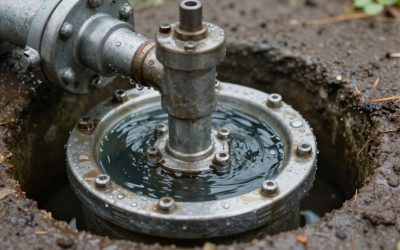
When we talk about water infrastructure, especially the parts that bring water from underground sources to us, the wellhead is a really important spot. It’s basically the top part of the well, where everything comes together. Think of it like the control center. The seals in this area aren’t just little rubber rings; they’re key players in keeping the whole system working right and preventing problems. Their main job is to keep the wellhead sealed tight against outside gunk and pressure from inside the well. Without good seals, you’ve got a direct path for contaminants to get into the water supply, and that’s a big no-no. Plus, the pressure down in the earth can be pretty intense, and the seals have to handle that day in and day out. They help isolate different pressure zones as the well is being built and prepared for use, from the very first piece of equipment to the final production setup.
Seals As Essential Components In Water Systems
It’s easy to overlook seals, but in water systems, they’re like the unsung heroes. They’re not flashy, but they do the heavy lifting when it comes to keeping things contained and clean. Imagine trying to hold water in a bucket with holes – that’s what a system without proper seals would be like. In water transport, these seals are vital for maintaining pressure and preventing leaks. They work constantly to keep the water where it’s supposed to be, whether it’s flowing through pipes or stored in tanks. The integrity of the entire water delivery network really depends on these often-small, but incredibly important, components.
The Importance Of Seals In Water Transport
When water needs to move from point A to point B, seals are working behind the scenes to make sure that journey is smooth and safe. They are critical for maintaining the pressure needed to push water through pipes, especially over long distances or uphill. Think about the difference between a leaky hose and a properly connected one – that difference is often down to the seal. In larger infrastructure, like municipal water mains, these seals prevent water loss, which is not only wasteful but can also lead to lower water pressure for consumers. They also stop outside water or contaminants from getting into the pipes, which is super important for public health. Basically, good seals mean reliable water delivery.
Preventing Water Ingress In Infrastructure
Water getting into places it shouldn’t be is a huge headache, especially when it comes to our water systems. It can cause damage that’s a real pain to fix, and frankly, it’s just not good for the equipment. Whether you’re building something new or upgrading what’s already there, stopping water from getting in is a big deal. Using good sealing tech helps protect things like conduits and plays a part in making the whole system tougher against problems. It’s not a one-size-fits-all thing, though; you have to look at each spot and figure out the best way to seal it up to keep water out. With more intense weather events happening, putting in seals that last can actually save money down the road by protecting important gear from damage.
The Role Of Proper Seals In System Hardening
Think of system hardening as making your infrastructure tough enough to handle whatever comes its way. Seals are like the body armor in this scenario. They create a barrier, stopping water from creeping into sensitive areas. This is super important for things buried underground, like electrical vaults or pump stations, which are often targets for flooding. When water gets in, it can mess with electronics, cause corrosion, and lead to system failures. Proper seals help prevent this, keeping the system running smoothly and reliably.
Blocking Water By Choosing Reliable Sealing Technology
When you’re picking out seals, you’ve got to be smart about it. It’s not just about slapping some goop on a crack. You need to know what you’re protecting and what kind of water threat you’re up against. Is it just a bit of dampness, or are we talking about a full-on flood situation? The seals need to be up to the task. For instance, underground conduits might need to handle significant water pressure, sometimes equivalent to a water column many feet high. Choosing a seal that can handle that pressure is key. It’s about matching the seal’s capabilities to the specific demands of the location and the potential water challenges.
Rigorous Testing To Prevent Failure Due To Water Pressure
Before you install seals, especially in high-stakes areas, it’s smart to test them. You can simulate real-world conditions in a lab. This might involve sealing up a test conduit, filling it with water, and seeing how much pressure it can take before it starts to leak. They might also test with air pressure. This kind of testing helps make sure the seals will actually do their job when they’re needed most. It’s about confidence – knowing that the seals won’t give out when the water pressure really ramps up, which could happen during a heavy storm or flood.
Here’s a quick look at what goes into testing:
- Water Pressure Tests: Simulating water column height to check for leaks.
- Air Pressure Tests: Used in dry environments or for specific seal types.
- Chemical Resistance Tests: Checking how seals hold up against common chemicals found in water or soil.
- Temperature Tests: Verifying performance across expected operating temperatures.
Making sure seals can handle the expected water pressure is a big part of preventing costly damage and service interruptions. It’s a proactive step that saves a lot of trouble later on.
Selecting The Right Sealing Technology
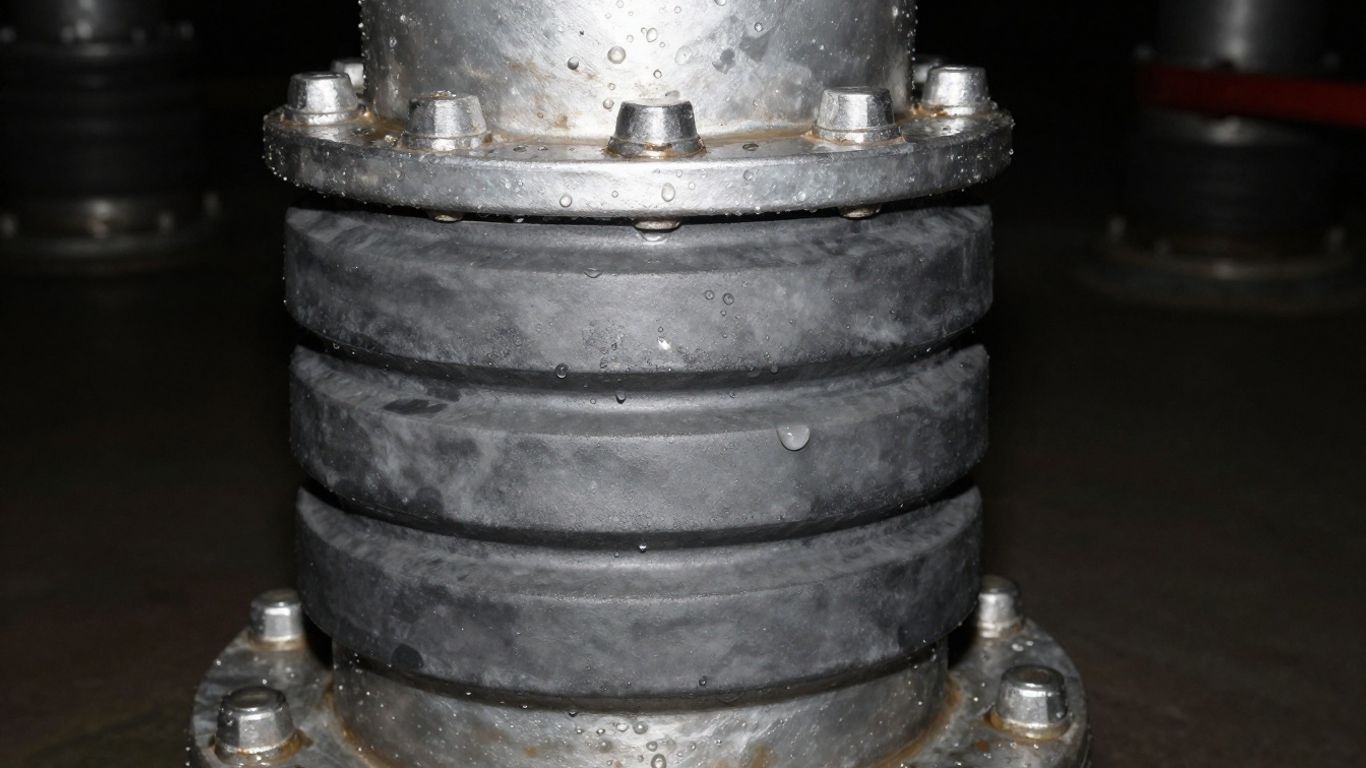
Choosing a seal for water infrastructure is not something you want to rush. Every site brings its own weird set of challenges, and honestly, what works under your kitchen sink is not going to cut it for a pump house or an underground vault. Clarity about what you actually need to seal makes the choice much easier.
Determining What Needs Protection
It’s tempting to grab whatever sealant is on hand and slap it on, but that usually leads to headaches down the road. Start with questions like:
- Is this spot exposed to flooding, rainwater, or just random moisture?
- Are there sensitive electronics or valuable machinery that can’t get wet?
- Are you worried about regular leaks or just a big event a couple times a year?
These questions help narrow down which type of seal is needed, how tough it needs to be, and if it needs to be re-enterable for maintenance later.
Defining The Situation For Effective Sealing
Different settings call for different solutions. If you’re sealing underground, the pressure from standing water or even a sudden surge will be way higher than if you’re just sealing around a pipe inside a wall. Here’s some stuff you should check:
- What’s the opening made of? Concrete, metal, and plastic are common but all react differently to sealants.
- Is the area easy to reach or is it crammed behind other stuff?
- Are there national or local codes the seal has to meet—like NSF 61 or UL recognition?
- How big is the gap? Is the conduit packed tight, or is there wiggle room?
Planning ahead—measuring, checking for grime or rust, and thinking through what’s actually going to flow or be blocked—can save you from huge messes and wasted time.
Matching Sealant Capabilities To Project Requirements
Not all sealants do the same job. Some are fine for a bit of damp, while others can handle serious pressure or need to resist chemicals. Here’s a quick table to help sort it out:
| Sealant Type | Best Use Cases | Weaknesses |
|---|---|---|
| Mastic Putty | Quick-fix, low-pressure gaps | Sags in heat, doesn’t last |
| Cement/Grout | Large, static gaps | Hard to mix onsite, slow to set |
| Mechanical Seals | High water/gas pressure, removable | Tough in complex layouts |
| Expanding Foam | Odd shapes, chemical resistance | Chemistry must match environment |
| Epoxy Mortar | Cracks, small imperfections | Needs careful application |
Keep in mind:
- Install the right way, or none of these will hold up.
- Always clean surfaces first—dirt and oil totally mess with adhesion.
- Check the expected water pressure and match it to the seal’s spec.
You’ll never find a perfect one-size-fits-all solution, but you can absolutely pick something that will be reliable for your specific needs if you think it through and get the details clear up front.
Common Applications And Versatility Of Seals
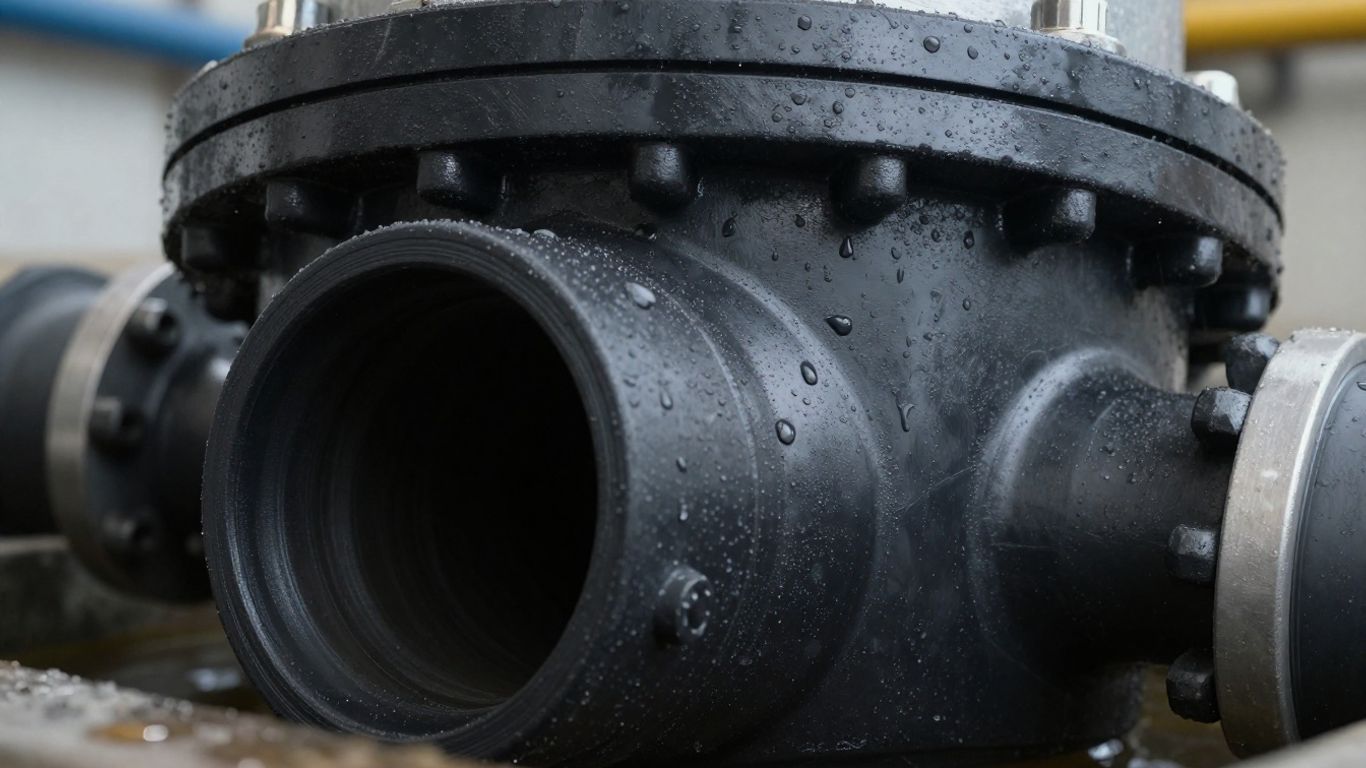
Walls, Floors, And Ceilings
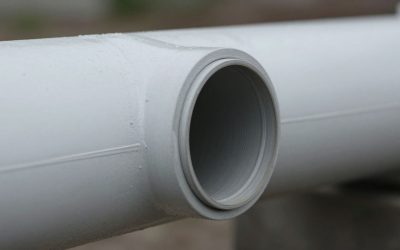
When you think about where water infrastructure seals are used, the most obvious places are probably walls, floors, and ceilings. It’s pretty standard stuff, really. Anytime a pipe or conduit needs to pass through one of these barriers, you need a seal. This isn’t just about keeping water out, though. It’s also about stopping air, dust, and even pests from getting where they shouldn’t be. Think about a building’s foundation – you absolutely don’t want groundwater seeping in. Seals here are like the first line of defense, making sure the inside stays dry and safe.
Underground Installations And Vaults
This is where things get a bit more intense. Underground, you’ve got soil, moisture, and all sorts of debris constantly trying to get into pipes and conduits. Seals in places like manholes, utility vaults, or even just where pipes enter basements are super important. They have to handle a lot more pressure and a tougher environment. Imagine a heavy rainstorm – the ground gets saturated, and water wants to push its way into everything. A good seal prevents that, keeping critical systems like power or communication lines protected from flooding. It’s a tough job, and the seals need to be up to the task, resisting not just water but also the constant pressure from the surrounding earth.
Industrial Facilities And Data Centers
In places like factories or data centers, the stakes are even higher. These facilities often have complex systems with pipes carrying all sorts of things – cooling fluids, chemicals, or even just regular water for operations. A leak in these places can be disastrous, causing equipment damage, production downtime, or, in the case of data centers, potentially frying sensitive electronics. Seals here need to be really reliable and often have to handle specific chemicals or temperature ranges. They’re not just about keeping water out; they’re about maintaining the integrity of the entire operation. It’s a real mix of applications, showing just how adaptable these sealing solutions have to be.
Material Science For Water Infrastructure Seals
Advantages Of NSF 61 NBR And EPDM
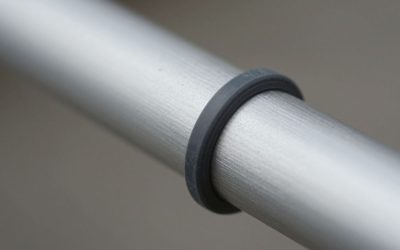
When we talk about water infrastructure, especially where drinking water is involved, the materials used for seals really matter. You can’t just slap any old rubber in there. We’re talking about stuff that needs to be safe, last a long time, and not mess with the water quality. That’s where materials like NSF 61 certified NBR (Nitrile Butadiene Rubber) and EPDM (Ethylene Propylene Diene Monomer) come into play. These aren’t just random acronyms; they represent specific rubber compounds that have been tested and approved for contact with drinking water. They are designed to keep your water safe and pure.
Ensuring Safe And Pure Drinking Water
So, why are these specific materials so important for our water systems? Well, NSF 61 is a standard that basically says a material is safe for use in drinking water systems. It looks at things like whether the material will leach harmful chemicals into the water. For NBR and EPDM, this certification means they’ve passed the tests. NBR is known for its good resistance to oils and fuels, which might be present in some industrial water applications, but it’s also formulated to be safe for potable water. EPDM, on the other hand, is fantastic for its resistance to weathering, ozone, and UV light, making it a solid choice for outdoor or exposed parts of the water system. Both offer good flexibility, which is key for creating a tight seal around pipes, conduits, or other openings.
Reliability And Compliance With Stringent Standards
Think about it: water infrastructure is buried underground, exposed to the elements, and under constant pressure. Seals need to hold up. Using materials that meet strict standards like NSF 61 gives us confidence that they won’t fail unexpectedly. This isn’t just about preventing leaks; it’s about public health. A seal failure could lead to contamination, and nobody wants that. These materials are chosen because they offer a good balance of performance and safety. They can handle the pressure, resist degradation over time, and most importantly, they won’t make the water unsafe to drink. It’s a pretty big deal when you consider how much water we rely on every single day.
Long-Term Durability And Future Trends
Focus On Asset Lifetime And Seal Longevity
When we talk about water infrastructure, we’re not just thinking about today. We’re planning for decades, even a century, down the line. That’s why the lifespan of a well seal is a big deal. Some seals are designed to be temporary, like those caps you see on conduits before the cables are pulled through. They do their job for a bit and then get swapped out. But most of the time, you want a seal that’s going to stick around for as long as the pipe or the structure it’s protecting. This means picking materials that can handle whatever the environment throws at them, year after year. Think about temperature swings, constant moisture, maybe even some chemicals – the seal needs to hold up.
Adapting To Climate Change Impacts
Let’s face it, the weather’s getting wilder. More intense storms, higher sea levels, and unpredictable flooding are becoming the norm. This puts a lot of stress on our water systems. Infrastructure needs to be tougher, and that includes the seals. We’re seeing a push for what’s called ‘system hardening’ – basically, making things more resistant to extreme events. For seals, this could mean developing ones that can withstand higher water pressures or resist damage from debris carried by floodwaters. It’s about building resilience so that when a big storm hits, our water supply doesn’t get knocked out.
The cost of repairing infrastructure after extreme weather events can be staggering. Investing in durable seals and hardening systems upfront might seem like a big expense, but it’s often much cheaper than dealing with the aftermath of damage and service disruptions. It’s a smart way to protect assets and keep the water flowing.
Innovations In Pipe Shapes And Sealing Solutions
As technology advances, so do the ways we build and protect our water systems. We’re seeing new pipe designs and materials, and that means seals need to keep up. The goal is to create seals that are not only reliable but also adaptable. Some seals are designed to be ‘re-enterable,’ meaning you can easily access the pipes later to add or change cables without having to replace the whole seal. This flexibility is super important for future upgrades. Plus, there’s ongoing work to find even better materials – ones that are more resistant to wear, easier to install, and maybe even more environmentally friendly. It’s all about making sure our water infrastructure stays strong and functional for the long haul.
Wrapping It Up
So, when you think about all the pipes, tunnels, and underground bits that keep our water flowing, both clean and dirty, it’s easy to overlook the small stuff. But as we’ve seen, those seals are really doing a lot of heavy lifting. They’re the quiet protectors, stopping leaks, keeping out unwanted muck, and generally making sure our water systems work the way they should, day in and day out. Without them, things would get messy, expensive, and frankly, pretty unreliable. It’s a good reminder that sometimes, the most important parts are the ones you don’t even notice.
Frequently Asked Questions
What exactly is a well seal and why is it so important?
Think of a well seal like a strong, protective collar around the top of a water well. Its main job is to keep the well clean and safe by preventing anything dirty, like bugs, dirt, or bad water, from getting into the clean water supply. It also stops the clean water from leaking out, making sure the water system works right and the water stays pure.
How do seals help protect water systems from damage?
Water can be really destructive, causing expensive problems if it gets where it shouldn’t. Seals act like a shield, blocking water from entering important parts of the water system, especially underground pipes and structures. This protection is super important, like giving the system armor, to prevent costly repairs and keep everything running smoothly, especially when there’s a lot of rain or flooding.
What should I consider when choosing the right kind of seal?
Picking the right seal is like choosing the right tool for a job. First, you need to know what you’re trying to protect and why. Is it a vital piece of equipment? Where is it located – outside, underground, or inside? What kind of water problem are you trying to solve – just a little dampness or a full flood? Once you understand these things, you can pick a seal that’s strong enough and designed for your specific situation.
Where are these seals commonly used?
You’ll find these seals in lots of places! They’re used where pipes go through walls, floors, and ceilings to stop leaks. They’re also crucial for underground setups like vaults and tunnels to keep water and dirt out. Plus, they’re used in big buildings like factories and even data centers to protect important pipes and cables.
Are the materials used in seals safe for drinking water?
Yes, many seals are made from special materials like NBR and EPDM that are approved for use with drinking water. These materials are tested to make sure they don’t add any harmful stuff to the water. This means the water you drink stays clean and safe, which is super important for everyone’s health.
How long do these seals last, and what’s new in sealing technology?
Good quality seals are built to last a very long time, sometimes aiming for over 100 years! People are also thinking about how climate change might affect water systems, like increased flooding. So, new ideas are coming out, like special pipe shapes that help water flow better and even smarter sealing solutions to keep our water systems working well for many years to come.