Rural water systems are a big deal for folks living outside the city. When these systems work, life is good. But when they break down? It’s a real headache. A lot of the time, the problem comes down to the parts used, especially the seals. This article is all about How Well Seals Enhance the Reliability of Rural Water Systems, looking at how better seals mean fewer problems and more dependable water for everyone.
Key Takeaways
- Precision manufacturing, using top-notch materials and smart design, makes pumps last way longer, cutting down on failures that plague rural water setups.
- Good seals are vital for keeping water clean by stopping bad stuff from getting in and also help keep the well itself from falling apart.
- Thinking about the total cost over the pump’s life, not just what it costs to buy, shows that investing in quality parts like durable seals saves money in the long run.
- Smaller, reliable wells with good seals are often better than one big well that breaks down often, giving communities more consistent water access.
- Reliable water access frees up time for kids to go to school and adults to earn money, and it makes people healthier.
Enhancing Rural Water System Reliability Through Precision Manufacturing
When we talk about rural water systems, especially in places where getting clean water is a daily struggle, reliability is the name of the game. For years, the focus has been on just getting a pump in the ground, often with the cheapest option winning out. But here’s the thing: those low-cost pumps? They tend to break. A lot. We’re talking failure rates that can be as high as 75% in some areas, leaving communities without water for months because parts or the know-how to fix them are miles away. This isn’t just an inconvenience; it means kids miss school, adults can’t earn money, and health suffers. It’s a cycle that’s hard to break.
The Critical Role of Pump Reliability in Development
Think about it: a broken water pump isn’t just a broken machine. It’s a roadblock to progress. Reliable water access is tied to everything from basic health to economic growth. When pumps fail, the burden often falls on women and girls, who spend hours each week hauling water instead of attending school or working. The real cost isn’t the purchase price of a pump, but the total cost of ownership, including downtime and lost opportunities.
Addressing System Failures with Advanced Manufacturing
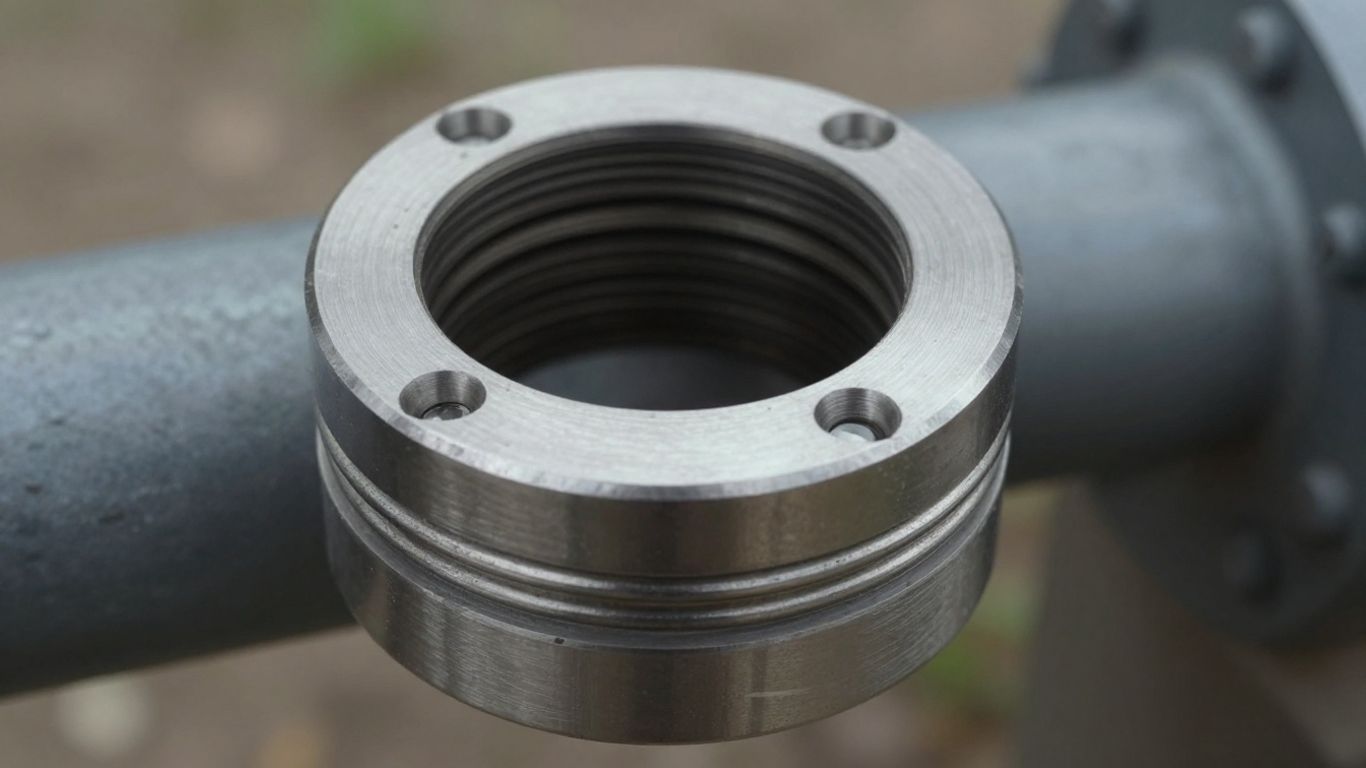
This is where precision manufacturing comes in. Instead of just accepting that pumps will fail, we’re looking at how they’re made. We’re talking about pumps built with better materials – think NSF-certified stainless steel and aerospace-grade alloys – designed to last for decades, not just a few years. These aren’t your typical hand pumps; they’re engineered for durability and ease of repair. The goal is to shift from a model of constant replacement and repair to one of long-term, dependable service.
Total Cost of Ownership Over Purchase Price
It’s a simple shift in perspective: stop focusing on the sticker price and start looking at the long game. A pump that costs a bit more upfront but works reliably for 50 years, needs minimal maintenance, and is easy to fix locally, is far cheaper in the long run than a pump that breaks every couple of years. This approach considers drilling costs, installation, spare parts, and, importantly, the cost of not having water. By investing in quality manufacturing, we invest in predictable, affordable water access for years to come.
The Impact of Well Seals on System Longevity and Performance
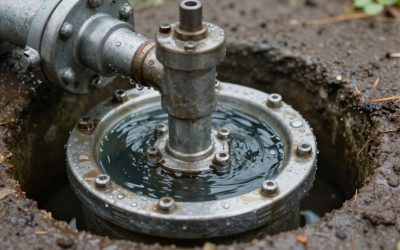
When we talk about rural water systems, especially those relying on wells, the pump is often the star of the show. But what keeps that pump running smoothly and the water clean? It’s often the humble well seal. Think of it as the unsung hero, working tirelessly to keep the whole operation going.
Preventing Contamination and Maintaining Water Quality
One of the biggest jobs a well seal has is to act as a barrier. It sits right where the well casing meets the surface, and its main goal is to stop anything nasty from getting into the water supply. We’re talking about surface water runoff, animal waste, chemicals – you name it. If a seal isn’t doing its job right, these contaminants can seep down into the well, making the water unsafe to drink. This isn’t just a minor inconvenience; it can lead to serious health problems in communities that rely on this water for everything.
- A properly installed and maintained well seal is the first line of defense against groundwater contamination.
This barrier function is critical. It means the water drawn up by the pump is as clean as possible, reducing the need for complex and expensive treatment systems down the line. For rural areas, where resources might be stretched thin, this preventative measure is a huge advantage.
Reinforcing Borehole Integrity Against Collapse
Beyond keeping things out, well seals also play a part in keeping the well itself from falling apart. The ground around a well can shift, especially with changes in moisture or seismic activity. A good seal, often coupled with the well casing and grout, helps to stabilize the borehole. This prevents the sides of the well from collapsing, which would not only damage the pump but could also render the entire well useless. Imagine the effort and cost involved in drilling a new well – preventing collapse through proper sealing is a massive cost saver over the long term.
- Stabilizing the borehole prevents costly collapses and extends the well’s usable life.
- Reduces the risk of pump damage or burial due to ground movement.
- Maintains consistent water flow by keeping the well pathway clear.
Extending Well Lifespan and Reducing Maintenance Costs
All these factors – preventing contamination and maintaining structural integrity – add up to one big benefit: a longer-lasting, less troublesome well. When a well is protected by a good seal, it’s less likely to suffer from major problems. This means fewer emergency repairs, less downtime, and lower overall costs. Instead of constantly fixing issues, communities can focus on routine, predictable maintenance. This shift from reactive repairs to proactive upkeep is a game-changer for the reliability and economic viability of rural water systems.
The initial investment in a quality well seal pays dividends over the years through reduced repair needs and consistent water quality. It’s about building a system that works reliably for decades, not just a few seasons.
Think about the total cost of ownership. A cheap seal might save a few dollars upfront, but the potential costs of contamination, repairs, and even drilling a new well down the road far outweigh that initial saving. Precision-manufactured seals, made with durable materials, are designed to last, making them a much more sensible choice for long-term system performance. They are a key component in achieving that 50-year design life target we often aim for in these systems.
Designing for Durability: Materials and Maintainability
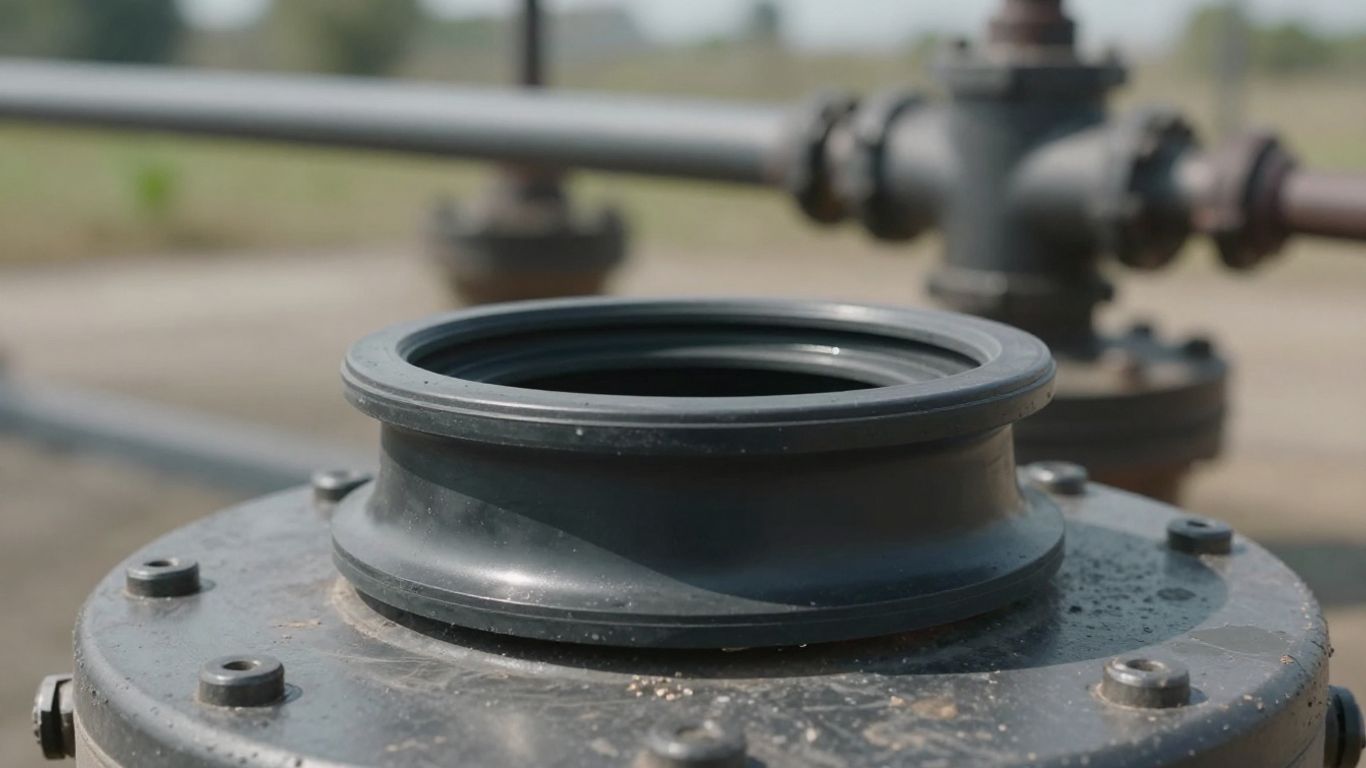
When you’re setting up a water system for a rural community, you don’t just want it to work today; you want it to keep working for a long, long time. That’s where thinking about the materials and how easy it is to fix things really comes into play. It’s not just about the initial cost, but what it takes to keep the water flowing reliably over decades.
Selecting NSF-Certified and Aerospace-Grade Materials
This is a big one. The parts of the pump that actually touch the water need to be top-notch. We’re talking about materials that won’t rust or leach anything bad into the water. That’s why looking for NSF-certified components is smart. These certifications mean the materials are safe for drinking water. Beyond that, some parts might need to be super strong and resistant to wear, almost like what you’d find in airplanes. Think high-grade stainless steel for the bits that are always wet and maybe some special alloys for moving parts that take a beating. Using these kinds of materials from the start means fewer problems down the road. It’s about building something that can handle the constant work without falling apart.
Ensuring Ease of Service with Replaceable Seal Kits
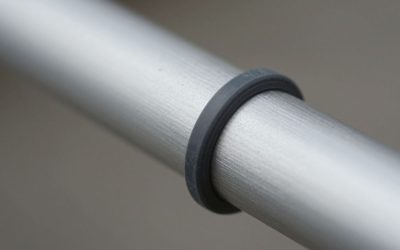
Nobody wants a water system that requires a specialist engineer every time something minor goes wrong. A key part of making a system last is designing it so that routine maintenance is straightforward. For many pumps, the seals are a common wear item. If you can design the system so that these seals can be replaced easily, maybe in an hour or two, by someone with basic training, that’s a huge win. This often means having pre-packaged seal kits that contain everything needed. It cuts down on repair time dramatically and means the pump doesn’t sit idle for weeks waiting for a complex fix. It’s about making sure that a small issue doesn’t turn into a major crisis.
Achieving a 50-Year Design Life Target
Imagine a water pump designed to last half a century. That’s the kind of thinking that changes everything for rural water access. It means moving away from pumps that are expected to last maybe five years, if you’re lucky. A 50-year target forces manufacturers to really consider every component, every connection, and every material. It shifts the focus from just getting a pump installed to building a long-term asset for the community. This kind of durability means a much lower total cost of ownership, even if the initial price tag is a bit higher. It’s an investment in consistent water access for generations.
When we talk about a 50-year design life, we’re not just throwing a number out there. It means selecting materials that resist corrosion and wear, designing components that can be serviced without needing to replace the entire unit, and testing rigorously to predict performance over decades, not just months. It’s a commitment to reliability that pays off year after year.
Optimizing Deployment and Operational Practices
The Advantages of Distributed Reliability with Smaller Wells
When we talk about rural water systems, the old way of thinking was often "go big or go home." This usually meant drilling one massive well, hoping it would serve everyone. But here’s the thing: if that one big well goes down, the whole community is without water. It’s a huge risk. A smarter approach is distributed reliability. This means using multiple smaller wells instead of one giant one. If one small well has an issue, the others keep running, providing a consistent water supply. It’s like having a backup plan built right in.
Reducing Drilling Costs with Smaller Casing Diameters
Drilling a well is expensive, and a big part of that cost comes from the casing – the pipe that lines the well. Traditionally, larger casings were the norm. However, with the right pump technology, we can often use smaller diameter casings, like 2-inch pipes, where the ground conditions allow. This can slash drilling costs by up to two-thirds. Think about it: less material, less time, less heavy equipment needed. It makes getting a new well drilled much more affordable, opening up possibilities for more communities.
Minimizing Downtime Through Localized Spare Parts
One of the biggest headaches with rural water systems is when something breaks and you can’t fix it. Waiting weeks or months for parts and a technician can be devastating. A key part of keeping systems running smoothly is having spare parts readily available. For the pumps we’re talking about, the most common part needing replacement over time is the seal kit. By keeping these simple, low-cost kits right in the village, a local caretaker can perform the repair in about an hour or two. This drastically cuts down on downtime, meaning water is available when people need it.
Here’s a quick look at how this plays out:
- Reduced Repair Time: From months to just a couple of hours.
- Local Capacity: Empowers community members to handle basic maintenance.
- Cost Savings: Avoids expensive emergency call-outs and long-distance shipping.
- Consistent Access: Water supply remains stable, preventing disruptions to daily life.
The goal is to shift from a reactive "fix-it-when-it-breaks" model to a proactive "keep-it-running" strategy. This involves simple, predictable maintenance and readily available parts, making the system far more dependable over its lifespan. It’s about building resilience from the ground up.
| Component | Traditional System | Precision System |
|---|---|---|
| Downtime after failure | Weeks to Months | Hours |
| Spare Parts Availability | Limited, Remote | Localized Seal Kits |
| Maintenance Interval | As needed, often long delays | ~5 Years (Preventative) |
The Economic and Social Benefits of Reliable Water Access
When a well pump works consistently, it does more than just provide water; it changes lives. Think about the time saved. Instead of spending hours each day walking to a distant water source, people, often women and girls, can use that time for other things. This could mean more time for school, leading to better education and future opportunities. It also means more time for income-generating activities, helping families climb out of poverty.
Reclaiming Time for Education and Income Generation
Reliable water access directly impacts a community’s ability to thrive economically and socially. The hours previously spent hauling water are now available for productive tasks. This shift is significant. For instance, children can attend school more regularly, improving literacy rates and long-term prospects. Adults can engage in small businesses or agricultural work, boosting household income. This reclaimed time is perhaps the most immediate and visible benefit of a dependable water system.
Improving Health Outcomes Through Consistent Water Access
Consistent access to clean water is a cornerstone of public health. When water sources are unreliable, people may resort to unsafe alternatives, leading to waterborne diseases. Diarrheal illnesses, in particular, disproportionately affect children, causing severe health problems and hindering development. A well-functioning pump means a steady supply of cleaner water, drastically reducing the incidence of these preventable diseases. This leads to fewer sick days, lower healthcare costs, and a healthier population overall.
Achieving Food Security and Economic Surplus
Beyond basic needs, reliable water systems can transform local economies. With a consistent water supply, communities can move beyond subsistence farming. Drip irrigation, for example, becomes feasible, allowing for more consistent crop yields and the cultivation of a wider variety of produce. This improved agricultural output can lead to better food security, reducing reliance on external aid and potentially creating a surplus that can be sold. This economic surplus can then be reinvested into the community, funding schools, infrastructure, or other vital services, creating a positive cycle of development.
Wrapping It Up
So, when we talk about keeping water flowing to rural homes, it’s easy to overlook the small stuff. But those seals? They’re kind of a big deal. We’ve seen how a little bit of quality engineering in the right places can make a world of difference. Instead of pumps failing all the time and leaving folks high and dry, good seals mean fewer repairs, less hassle, and water that’s actually there when you need it. It’s not just about having water; it’s about having reliable water, day in and day out. And that, for communities out there, means more time for school, more time for work, and just a better, more stable life. It really shows that sometimes, the best solutions are the ones that just quietly do their job, year after year.
Frequently Asked Questions
What exactly is a well seal and why is it important for rural water systems?
A well seal is like a protective cap for your well. Think of it as a barrier that keeps unwanted things, like dirt, bugs, and yucky surface water, from getting into the clean water deep underground. For rural water systems, this is super important because it stops the water from getting dirty, making sure it’s safe to drink and use for things like farming. A good seal helps the whole system work reliably for a long time.
How can a well seal help prevent the well from collapsing?
Sometimes, the ground around a well can be unstable. A strong well seal, often part of a larger system called a well liner, acts like a reinforcing sleeve inside the well. It holds the surrounding soil or rock in place, preventing it from caving in. This keeps the well’s structure solid, ensuring the pump can keep working without getting blocked or damaged by falling dirt.
What makes a well seal ‘high quality’ or ‘precision-manufactured’?
High-quality well seals are made with tough, reliable materials, like special kinds of stainless steel that don’t rust easily. They are built with great care and accuracy, meaning every part fits perfectly. This careful making process ensures the seal does its job of keeping contaminants out and the well structure strong for many, many years, often aiming for a 50-year lifespan, which is much longer than older types.
How often do well seals need to be replaced, and is it a difficult job?
Good quality well seals are designed to last a very long time, usually around 5 years before needing attention. When it’s time for maintenance, it’s typically a straightforward job that can be done in just an hour or two. Often, local caretakers can be trained to do this simple check and replacement, using basic tools. This makes upkeep much easier and less costly.
Besides keeping water clean, what other benefits do reliable well seals offer?
Reliable well seals contribute to the overall health and success of rural communities. By ensuring a steady supply of clean water, they reduce sickness, especially among children. This means people, particularly women and girls, spend less time hauling water and more time in school or working to earn money. It also helps with growing food, leading to better nutrition and stronger local economies.
Are there different types of well seals, and how do I know which one is best for my well?
Yes, there are different types, often based on the materials they’re made from and their specific design. The best type for your well depends on things like the kind of soil around it, how deep the well is, and the quality of the water. Experts can help figure out the right materials and design, often considering things like whether the materials are approved for drinking water (like NSF-certified) and how well they’ll hold up over decades.