Keeping well systems up to code isn’t just about passing inspections; it’s about preventing big problems down the road. One of the trickiest parts is making sure everything stays sealed up tight. How well seals help keep well systems code-compliant is a pretty big deal, especially when you consider water damage, gas leaks, or even fires. Let’s talk about why good seals matter and how to pick the right ones.
Key Takeaways
- Proper sealing is key to stopping water, gas, and other unwanted things from getting into well systems, which helps meet code requirements.
- Seals need to handle pressure, so understanding water head pressure and testing seals against it is important for code compliance.
- Choosing the right seal, whether mechanical or chemical like silicone, impacts long-term performance and re-entry needs.
- Effective duct sealing offers benefits like preventing costly damage, reducing maintenance, and improving safety for everyone involved.
- Selecting and maintaining seals properly is vital for long-term integrity and avoiding serious consequences from seal failure.
Understanding Well System Sealing Requirements
Preventing Costly Water Damage
Look, sealing up well systems isn’t just about following some rulebook. It’s really about stopping a whole lot of trouble before it starts. Think about it: water getting into the wrong places can wreck expensive equipment, cause corrosion, and lead to all sorts of headaches. It’s often the simplest way to keep different parts of a system separate, making sure water, or even gases and pests, stay out where they don’t belong. Codes like the NEC, CEC, and TIA often spell out when and where you need these seals, especially when you want to keep things dry. Protecting electrical and communication conduits from water is a big one, because nobody wants to deal with equipment failure due to moisture.
Isolation of Environments
Sealing is all about creating barriers. You’re essentially saying, ‘This area stays this way, and that area stays that way.’ This separation is key for a few reasons. For starters, it keeps unwanted stuff out. We’re talking about water, sure, but also potentially harmful gases, dust, or even little critters like rodents and insects that can chew through wires. It also plays a role in fire safety, helping to stop flames or heat from spreading where they shouldn’t. The goal is to maintain the integrity of each environment within the well system, preventing cross-contamination or damage.
Meeting Industry Code Standards
So, why bother with all this sealing? A big part of it is simply because the industry says so. Standards like the National Electrical Code (NEC) and others are in place to make sure systems are built and maintained safely. These codes often require specific sealing methods or performance levels, especially in areas where water or other contaminants could pose a risk. It’s not just about passing an inspection, though. It’s about building systems that are reliable and safe over the long haul. Failing to meet these standards can lead to fines, system failures, and, worst of all, safety hazards.
The Critical Role of Seals in Preventing Ingress
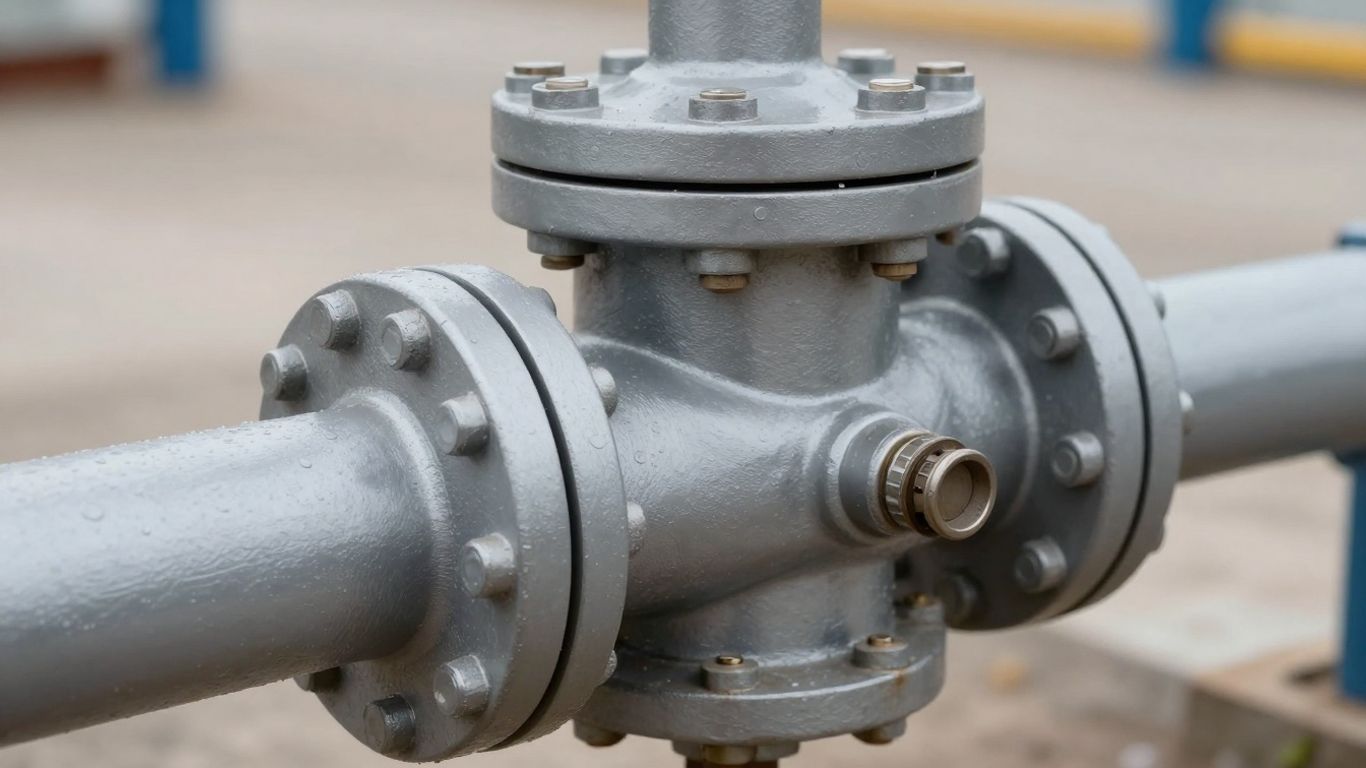
When we talk about well systems, keeping things sealed up tight isn’t just about looking neat. It’s a serious business, especially when it comes to stopping unwanted stuff from getting in where it shouldn’t. Think about it: water, gases, even little critters can cause a whole lot of trouble if they find a way inside.
Protecting Against Water and Moisture
Water is probably the biggest culprit. We’ve all seen what a little bit of moisture can do to electronics over time – corrosion, short circuits, the whole nine yards. For underground systems, this is even more of a concern. When the water table rises, or you get heavy rain or snowmelt, water can push its way into conduits and enclosures. If a seal isn’t up to the job, that water can travel a long way, potentially damaging equipment miles away or deep inside a building. Condensation is another sneaky source of moisture, especially where there’s a big temperature difference between areas. A good seal helps keep these different temperature zones separate, stopping that damp air from turning into damaging water droplets.
Sealing Against Gases and Pests
It’s not just water we’re worried about. Some gases, like methane, can be a real hazard, especially in certain environments. Seals are needed to keep these gases out. And let’s not forget about pests. Rodents and insects can chew through things, causing damage and contamination. A solid seal acts as a barrier, keeping them from getting into sensitive areas.
Mitigating Fire and Thermal Propagation
Fire is another big one. Seals can play a part in slowing down or stopping the spread of fire and heat. By blocking off pathways that flames or hot gases could travel through, seals help contain a fire to its area of origin, giving people more time to get out and firefighters more time to respond. This is especially important in buildings where fire can spread quickly through utility pathways if they aren’t properly sealed.
Here’s a quick look at what seals help keep out:
- Water (from rain, groundwater, flooding)
- Moisture (from condensation)
- Harmful gases
- Insects and rodents
- Fire and smoke
The main goal of any seal is to create a barrier. This barrier needs to hold up under the conditions it’s designed for, whether that’s constant water pressure or just preventing everyday moisture. A seal that looks good on paper but fails when it counts isn’t really doing its job.
Evaluating Seal Performance Under Pressure
When we talk about seals, especially for water, pressure is a key factor. It’s not just about whether a seal can stop water, but how much water pressure it can handle. This is often measured in terms of ‘water head pressure,’ which is basically the weight of the water pushing down from above. For example, 50 feet of water overhead creates a certain amount of pressure. Seals need to be tested to make sure they can withstand these pressures. Some tests just spray water for a short time, which is okay for some situations, but others need to handle constant pressure over long periods. It’s important to know what kind of pressure your seal might face and pick one that’s rated for it. A seal that passes a quick spray test might not hold up if there’s a constant flood situation.
Evaluating Seal Performance Under Pressure
So, how do we actually know if a seal is going to hold up when things get tough? It’s not enough for a seal to look good on paper or pass a quick glance from an inspector. We need to think about the real-world forces it’ll face, especially water pressure. This is where testing comes in, and it’s more than just a quick spray.
Understanding Water Head Pressure
When we talk about water pressure on a seal, especially in a well system, we often think about ‘water head pressure.’ Basically, it’s the weight of the water pushing down from above. Imagine a deep well; the water at the very bottom is under a lot of pressure from all the water stacked on top of it. This pressure is usually measured in feet or meters of water. For instance, a 50-foot rise in water level above a seal means that seal is dealing with about 50 feet of water head pressure. We can simulate this pressure in a lab using air pressure. If 50 feet of water head equals roughly 21.7 psi, we can apply that much air pressure to a sealed system to mimic the real thing. It’s a way to test seals without needing a ridiculously tall water column.
| Water Head (ft) | Water Head (m) | Equivalent Pressure (psi) | Equivalent Pressure (kPa) |
|---|---|---|---|
| 10 | 3.0 | 4.3 | 30 |
| 25 | 7.6 | 10.8 | 75 |
| 50 | 15.2 | 21.7 | 150 |
| 100 | 30.5 | 43.4 | 300 |
Testing Seal Resistance to High Pressures
Just spraying water on a seal, like some basic tests do, might not tell the whole story. A quick shower is one thing, but a sustained downpour or a flood is another. That’s why hydrostatic testing is so important. This involves putting the seal under a constant, direct water pressure. It’s a more rigorous way to see how well the seal will perform over time. Manufacturers often use these tests, and they can be adapted for different seal types, whether they’re mechanical or chemical. They can even test with or without wires inside the conduit, varying things like conduit size and how full the conduit is with cables.
Distinguishing Between Transient and Constant Pressure Tests
It’s really important to know the difference between a quick spray test and a long-term pressure test. A spray test, like one might see from Underwriters Laboratories, might involve water hitting the seal from different angles for about an hour at a relatively low pressure, say 5 psi. The limit for water getting through is usually very small, like 0.1 grams. While this shows if the seal can handle a brief exposure, it doesn’t show how it will hold up under continuous pressure, like during a flood or a high tide. Constant pressure tests, on the other hand, are designed to simulate those tougher, longer-lasting conditions. They give a much clearer picture of a seal’s ability to prevent leaks when it really matters.
The goal isn’t just to pass an inspection today. It’s about making sure the seal keeps working for years, especially when a crisis hits. A seal that fails later, or during an emergency, isn’t a good seal, no matter what it cost or who approved it initially. The real costs of seal failure go way beyond just damaged equipment; they include service outages that can be devastating for critical facilities.
Selecting Appropriate Sealing Solutions
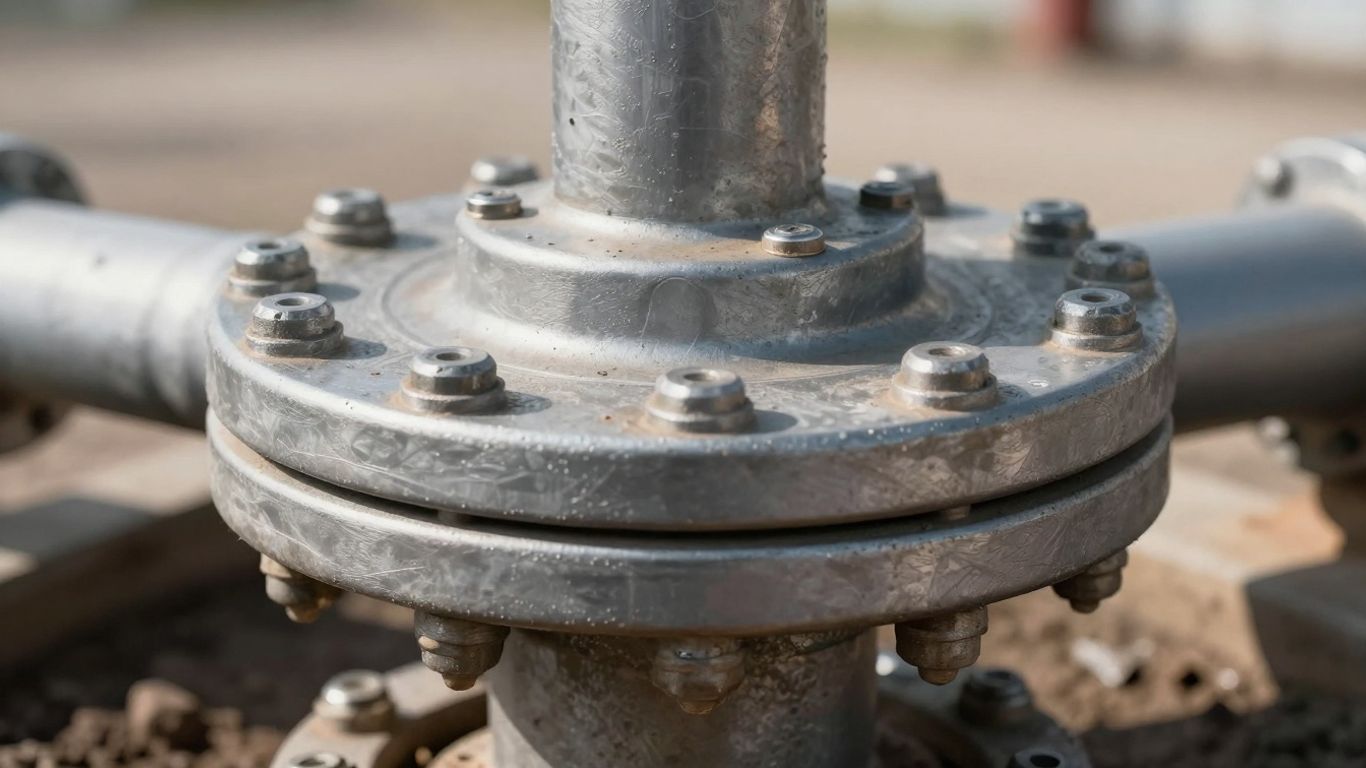
Chemical vs. Mechanical Sealing Systems
When you’re looking at sealing up conduits and ducts, you’ve got a couple of main paths to go down: chemical or mechanical. Mechanical systems are pretty straightforward – they’re built to fit a specific size. Think of it like a custom-cut gasket; it has to be the exact right dimensions for the hole you’re sealing. This means you need to know the precise size of your conduit or cable beforehand. On the other hand, chemical systems, like those using silicone, are a bit more forgiving. You don’t have to worry as much about the exact size of the conduit or cable because the silicone fills in all the gaps. It’s more of a "pour and seal" approach.
Durability and Longevity of Silicone Seals
Older methods, like using putty, used to be common, but honestly, they don’t last very long – maybe five years if you’re lucky. Then there’s expandable foam, which is tougher than putty, but it’s a real pain if you ever need to get back into the conduit. You basically have to cut it out, which is a hassle. Silicone systems, though, are a different story. When they’re tested properly, these can keep working for over 25 years. That kind of long-term performance is what really matters when you’re trying to keep things code-compliant and prevent future problems. Plus, silicone lets you get back in if you need to make repairs or swap out cables, and then you can just reseal it. It’s a much more practical choice for the long haul.
Considerations for Re-entry and Maintenance
Thinking about the future is a big part of picking the right seal. What happens if you need to access the conduit again down the road? Maybe you need to pull out an old cable or add a new one. Mechanical seals can be tough to remove and replace without damaging them. Foam sealants, as mentioned, are notoriously difficult to get out. Silicone systems really shine here because they’re designed to be removed and then reinstalled. This makes maintenance, upgrades, or even emergency repairs much simpler. It means you’re not stuck with a permanent seal that might cause bigger headaches later on. It’s about planning for the inevitable changes that happen in well systems over time.
Ensuring Long-Term Well System Integrity
Keeping a well system in good shape for years to come is all about paying attention to the details, especially how everything is sealed up. It’s not just about getting it built right the first time; it’s about making sure it stays that way.
Benefits of Effective Duct Sealing
When we talk about well systems, the "ducts" aren’t really ducts like in a house, but more like the pathways and connections that water travels through. Making sure these are properly sealed from the start and stay that way offers some big advantages:
- Keeps Contaminants Out: A good seal stops surface water, dirt, and anything else nasty from getting into your water supply. This is super important for keeping your water safe to drink.
- Maintains Water Quality: By preventing outside stuff from getting in, you help keep the water chemistry stable. This means less chance of weird tastes or smells developing over time.
- Protects Equipment: When debris or unwanted water gets into the system, it can mess with pumps and pipes. Good seals mean less wear and tear on your equipment.
Reducing Maintenance and Repair Costs
Honestly, nobody likes dealing with well problems. They can be expensive and a real hassle. But if you get the sealing right from the get-go, you can save yourself a lot of headaches and cash down the road. Think about it: fewer leaks mean less water loss, and less contamination means you’re not constantly treating the water or fixing damage caused by bad water quality. It’s like preventative care for your well. A well-sealed system is a system that requires less intervention.
Enhancing Safety for Technicians and the Public
This might not be the first thing people think of, but it’s pretty important. When a well system is properly sealed, especially the access points like the well cap, it’s much harder for someone to accidentally fall in or for unauthorized people to tamper with it. This is a big deal for safety, both for the folks who work on the well and for anyone who might be around the area. It also means that when technicians do need to go in, they can be more confident that the environment they’re entering is as clean and safe as it should be, reducing risks from potential contaminants.
Proper sealing isn’t just about keeping water in or out; it’s a key part of the overall design that contributes to the system’s reliability and safety over its entire lifespan. It’s a foundational element that supports all other aspects of well operation and protection.
Compliance and Seal Integrity
The Importance of Informed Seal Selection
Picking the right seal for your well system isn’t just about passing an inspection; it’s about making sure things stay dry and safe for the long haul. You know, sometimes a seal might look good on paper, or even pass a quick check by an inspector who isn’t looking too closely. But if it can’t handle the actual pressure it’s going to face, especially during a big storm or a flood, then it’s really not doing its job. Choosing a seal that’s rated for the specific conditions it will encounter is key. Think about it – a seal that stops a little bit of condensation might completely fail if there’s a 50-foot water surge. That’s why looking at the manufacturer’s specs and understanding how they tested it matters a lot.
Beyond Inspection: Long-Term Seal Integrity
It’s easy to think that once a seal passes a visual check, you’re good to go. But that’s often just the beginning. The real test comes when the system is put to the test, maybe years down the line. We need seals that don’t just meet a minimum standard today but will keep performing reliably for years. This means looking at how seals hold up under constant pressure, not just a quick spray test. Some seals might seem fine initially, but under sustained water head pressure, they can start to leak. We’re talking about preventing damage that can cost a fortune, not just in equipment but also in downtime, especially for places like hospitals or emergency services.
Consequences of Seal Failure in Critical Facilities
When a seal fails in a critical facility, the fallout can be pretty serious. It’s not just about replacing a damaged cable or piece of equipment. Think about the service interruptions that can happen. For places like 911 call centers, hospitals, or even places handling chemicals or nuclear materials, a failure can have much bigger consequences. Water getting in can cause short circuits, corrosion, and equipment malfunction, leading to outages that affect public safety and operations. It really highlights why selecting seals based on tested performance, not just initial appearance or a basic code requirement, is so important. It’s about protecting not just the equipment, but the people who rely on these facilities too.
Here’s a quick look at how different pressures stack up:
| Pressure Type | Description | Equivalent Water Head | Approximate PSI | Approximate kPa |
|---|---|---|---|---|
| Water Spray Test | Simulated rain/spray from multiple heads for a set duration. | N/A | 5 psi | 34.5 kPa |
| Water Head Pressure | Pressure exerted by the depth of standing water above the seal. | 50 feet (16 m) | 21.7 psi | 156 kPa |
| Hydrostatic Pressure | Direct, sustained water pressure applied to the seal, often simulated with air. | Varies | Varies | Varies |
The Bottom Line on Seals
So, when it comes down to it, picking the right seal for your well system isn’t just about passing a quick inspection. Sure, a cheap or easy-to-find seal might fool an inspector for a bit, but what really matters is that it keeps working, especially when things get tough. A seal that fails later on, or worse, during a crisis, ends up costing way more than just the initial price. We’re talking about damaged equipment, service blackouts, and all the headaches that come with it. It’s really about making smart choices based on what the job needs and what the seal can actually handle. Don’t just grab any seal; pick one that’s been tested and proven for the pressure it’ll face. Your future self will thank you.
Frequently Asked Questions
Why are seals so important for well systems?
Seals are like the guardians of well systems! They keep unwanted things like water, dirt, bugs, and even fire from getting into places they shouldn’t. This is super important for protecting expensive equipment and making sure the system works safely and correctly, just like following the rules for building things.
What kind of damage can happen if a well system isn’t sealed properly?
Imagine a leaky roof – it causes all sorts of problems! Without good seals, water can get in and ruin electrical parts, causing them to stop working or even causing short circuits. This can lead to expensive repairs, system shutdowns, and sometimes even dangerous situations, especially in important places like hospitals or emergency call centers.
How do seals handle water pressure?
Think about how deep water can push down. Seals are tested to see how much water pressure they can handle without leaking. This is often measured by how deep the water is, like ’50 feet of water head.’ They need to be strong enough to keep that water out, even under pressure from heavy rain or rising water levels.
Are there different types of seals, and how do I choose the right one?
Yes, there are different kinds! Some seals are like glue (chemical), and others are more like tight-fitting parts (mechanical). Silicone seals are popular because they last a long time and can be removed if you need to access the system later for repairs. Choosing the right one depends on where it’s being used and how much protection it needs.
What’s the difference between testing seals with water spray and using constant water pressure?
Testing with a water spray is like a quick shower to see if anything leaks right away. But sometimes, seals need to hold back water for a long time, like during a flood. Testing with constant water pressure, like filling a pipe with water, gives a better idea of how well the seal will work over a long period and under steady pressure.
What happens if a seal fails, and how can I prevent that?
If a seal fails, it’s like a door breaking open – problems can rush in! This can cause equipment damage, service outages, and safety risks. To prevent this, it’s crucial to pick the right seals for the job, install them correctly, and check on them occasionally to make sure they’re still doing their job well.